Photo credit: Hammer Striker/YouTube
Ruger is one of those brands almost every shooter knows, but a lot of people only know the surface version. They know the 10/22. They know the Mark pistols. They know the GP100, the American Rifle, the Mini-14, and the fact that Ruger usually builds guns with a practical, working-man reputation. But the company’s story is a lot more interesting than “they make affordable guns that work.”
Ruger has been around since 1949, and it grew from a small startup built around a $37.50 rimfire pistol into one of the biggest American firearm manufacturers. The company still manufactures firearms in the United States, with major facilities tied to places like Newport, New Hampshire; Prescott, Arizona; and Mayodan, North Carolina. Ruger also owns Marlin now, which pulled one of America’s most loved lever-gun names under the Ruger roof.
1. Ruger’s First Gun Was a Rimfire Pistol

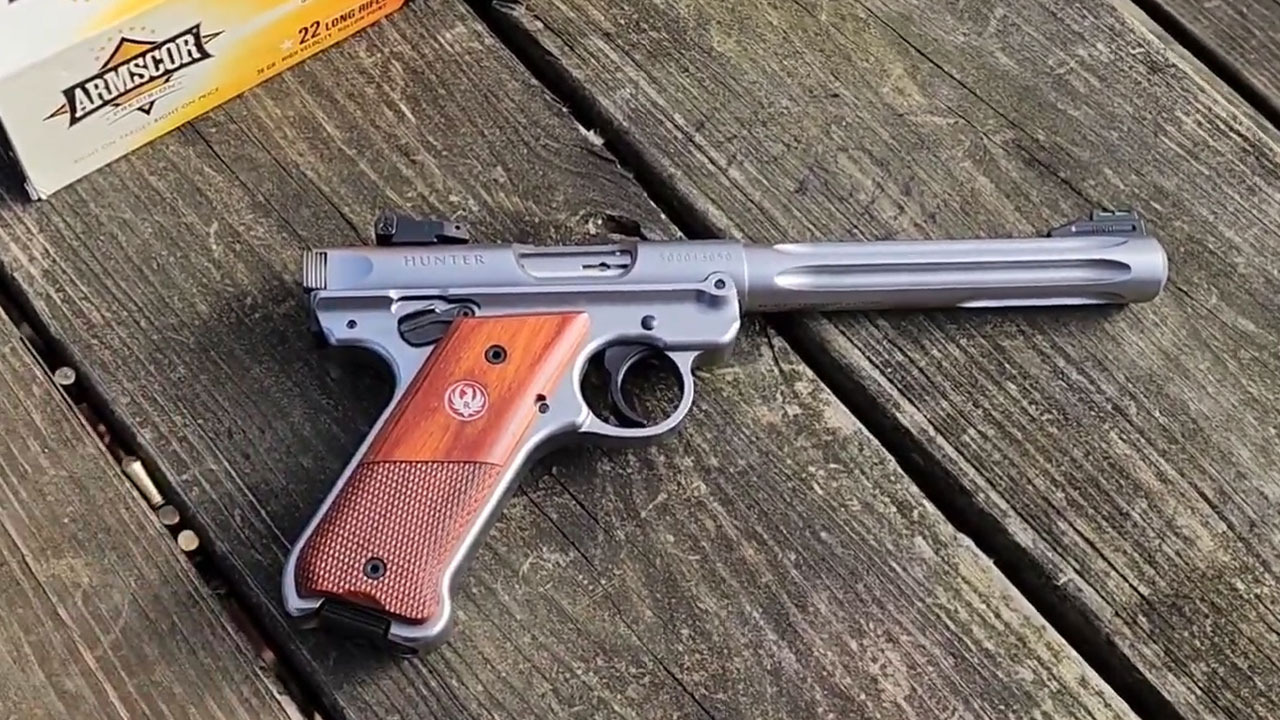
Ruger did not start with a hunting rifle, revolver, or shotgun. The company’s first product was the Ruger Standard, a .22 LR semi-automatic pistol introduced in 1949. That pistol eventually led to the Mark series that is still one of the most respected rimfire pistol lines around.
That is easy to forget because Ruger’s catalog is so broad now. The company makes rimfire pistols, centerfire pistols, revolvers, bolt-action rifles, semi-auto rifles, lever guns under Marlin, and more. But the whole thing started with a simple .22 pistol aimed at regular shooters who wanted affordable practice and plinking.
2. The Standard Pistol Was Priced to Move
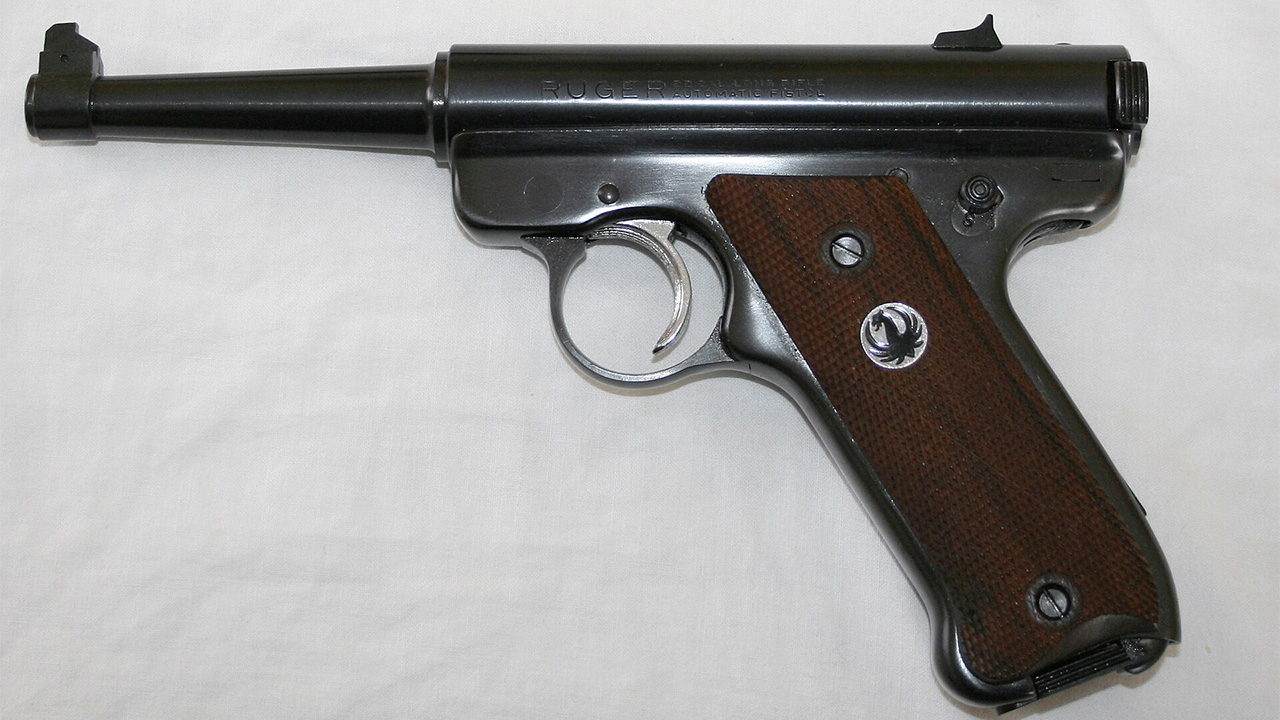
The original Ruger Standard had a launch price of $37.50, which helped make it attractive to postwar shooters looking for an affordable rimfire pistol. Shooting Illustrated notes that the low price and early praise helped push the new company much farther than Bill Ruger and Alex Sturm likely expected.
That pricing mattered. Ruger did not become Ruger by only chasing high-end buyers. The company found a lane early: build practical guns at prices regular shooters could justify. That idea still shows up today in rifles like the American, rimfires like the 10/22, and revolvers built around durability more than fancy polish.
3. Alex Sturm’s Money Helped Launch the Brand

Most shooters know the Ruger name because of Bill Ruger, but Alexander McCormick Sturm was the other half of the original company. Sturm invested $50,000 to help launch the business after seeing Ruger’s prototype pistol. That investment gave the new company the push it needed to get started.
Sturm died young, which is one reason his role can get overshadowed. But the company name is still Sturm, Ruger & Company for a reason. Bill Ruger had the design talent and drive, while Sturm helped provide the early capital and branding eye that got the company moving.
4. The First Ruger Pistol Had a Little Nambu in Its DNA
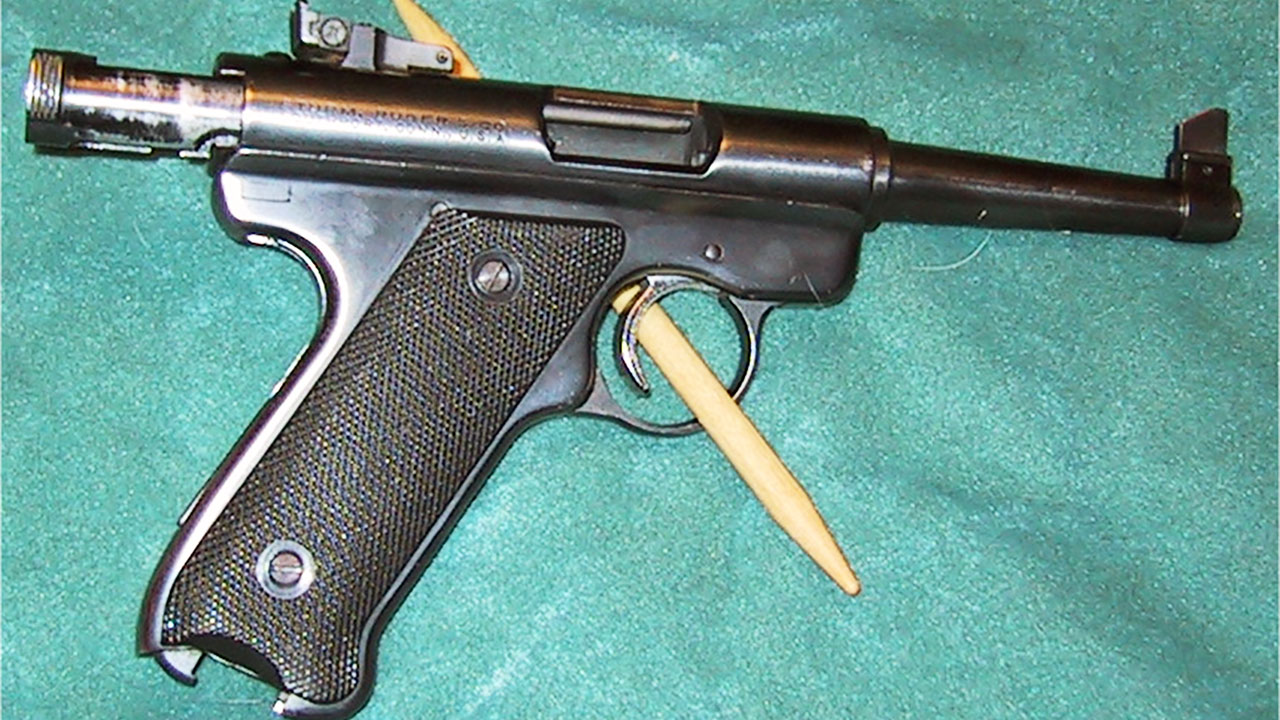
The Ruger Standard was not a copy of one gun, but its development was influenced by a Japanese Nambu pistol Bill Ruger had studied after World War II. He duplicated a captured Nambu in his garage and later designed a .22 pistol that also carried visual influence from the German Luger and American rimfire pistol ideas.
That background surprises a lot of shooters because the Ruger Mark series feels like its own thing now. The exposed bolt ears, tubular receiver, and grip angle became part of Ruger’s rimfire identity. But the first steps came from Ruger studying older designs and turning them into something affordable, American-made, and practical.
5. Ruger Built a Reputation Around Smart Manufacturing
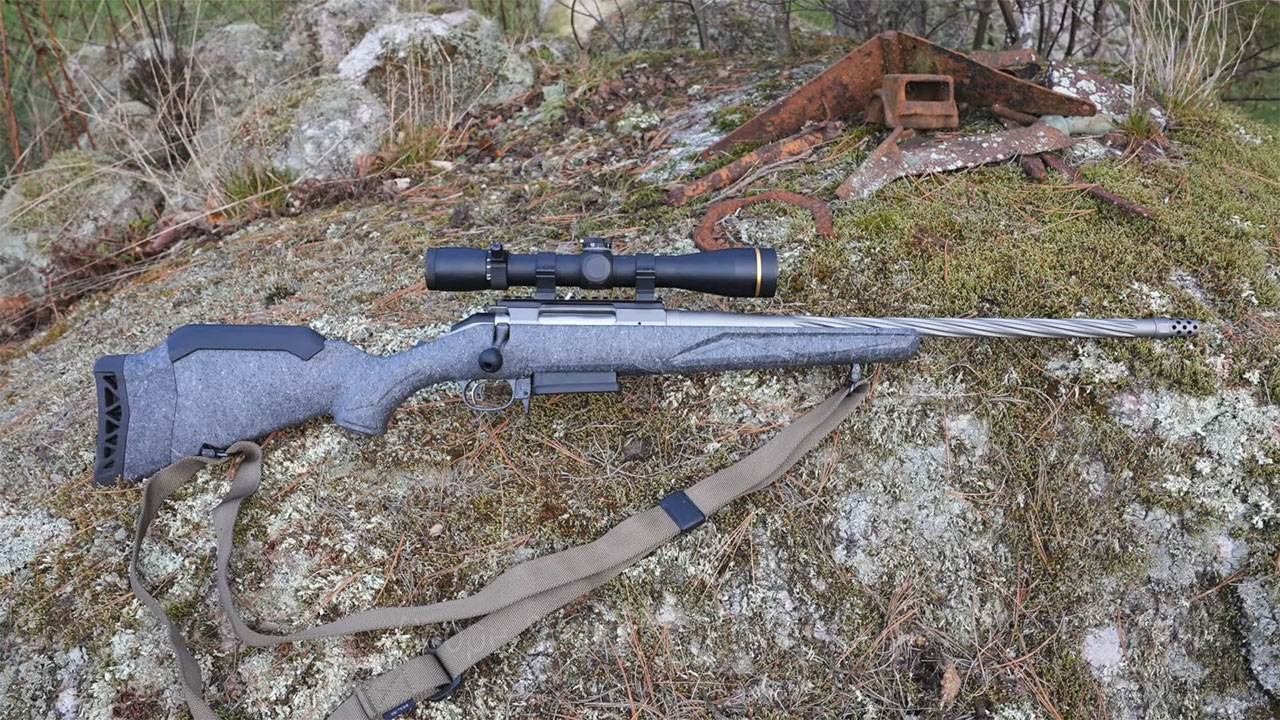
Ruger has long been known for using manufacturing methods that keep guns durable but still cost-conscious. The company’s 2024 annual report notes its use of investment castings and metal injection molded parts to produce durable components at lower cost than methods that require more machining from solid metal.
That is one reason Ruger products often feel practical instead of delicate. The company is not usually chasing hand-fitted luxury. It is building firearms meant to be produced efficiently, sold at reasonable prices, and used hard. Some shooters may prefer more traditional machining or higher-end finishing, but Ruger’s manufacturing approach is a major part of its identity.
6. The 10/22 Turned Ruger Into a Rimfire Giant
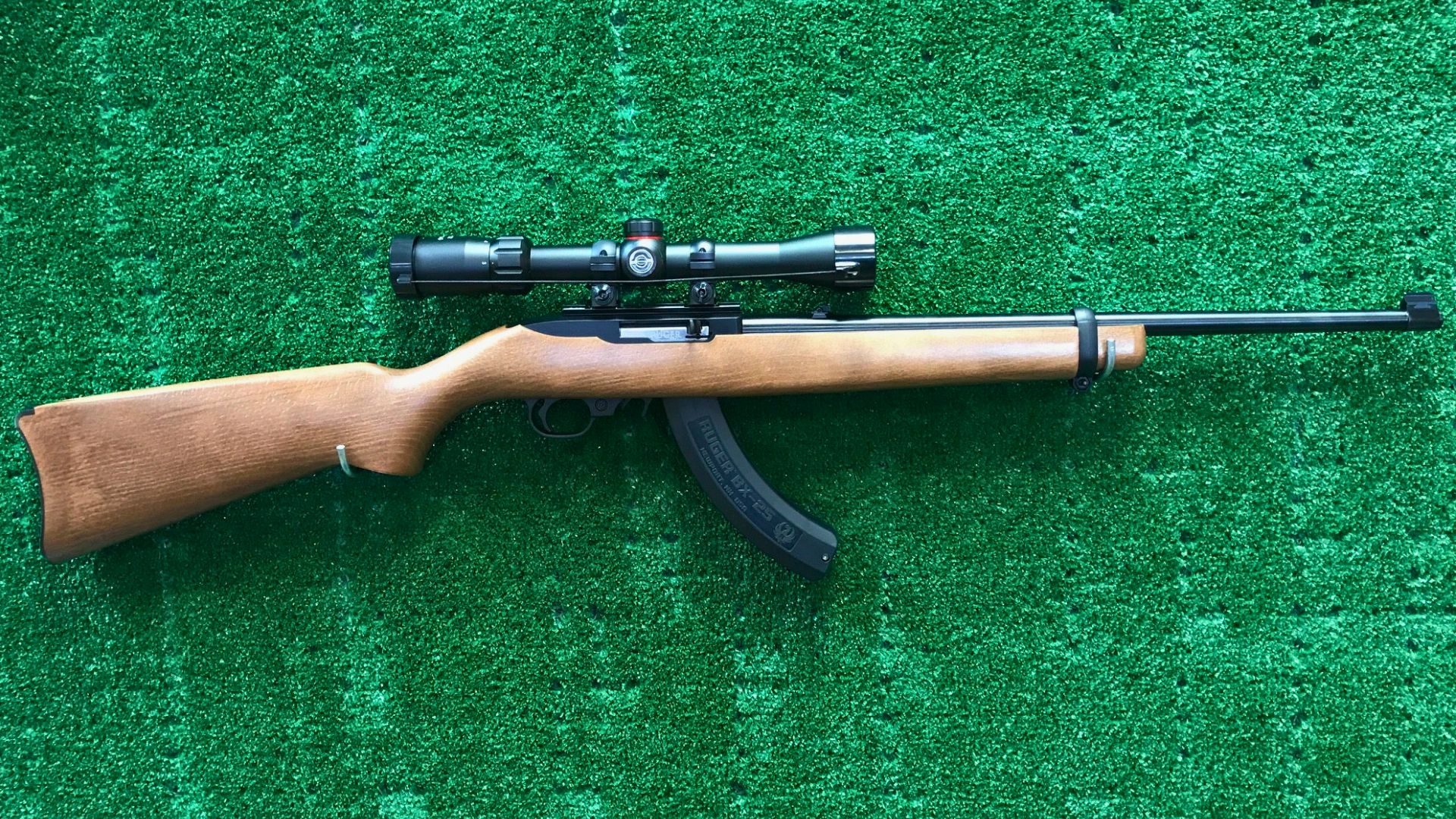
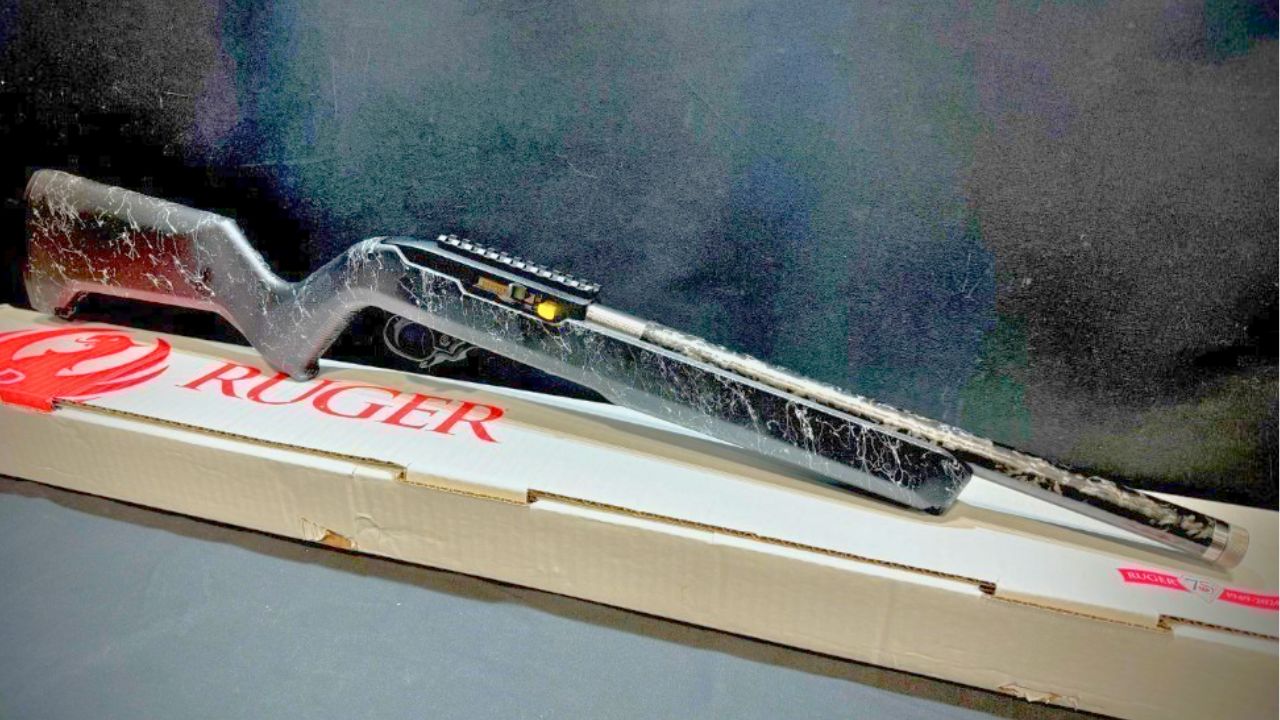
The Ruger 10/22 is one of the most important rimfire rifles ever made, and it helped make Ruger a dominant name in .22 LR semi-auto rifles. The company’s own product-history records show the 10/22 line dating back to the 1960s, and it remains one of Ruger’s most recognized products.
The 10/22 did more than sell well. It created a whole ecosystem. Aftermarket stocks, barrels, triggers, magazines, rails, bolts, and complete custom builds all grew around it. A lot of companies would love to have one product with that kind of staying power. Ruger has several, but the 10/22 may be the cleanest example.
7. Ruger Became a Revolver Powerhouse Without Copying Smith & Wesson
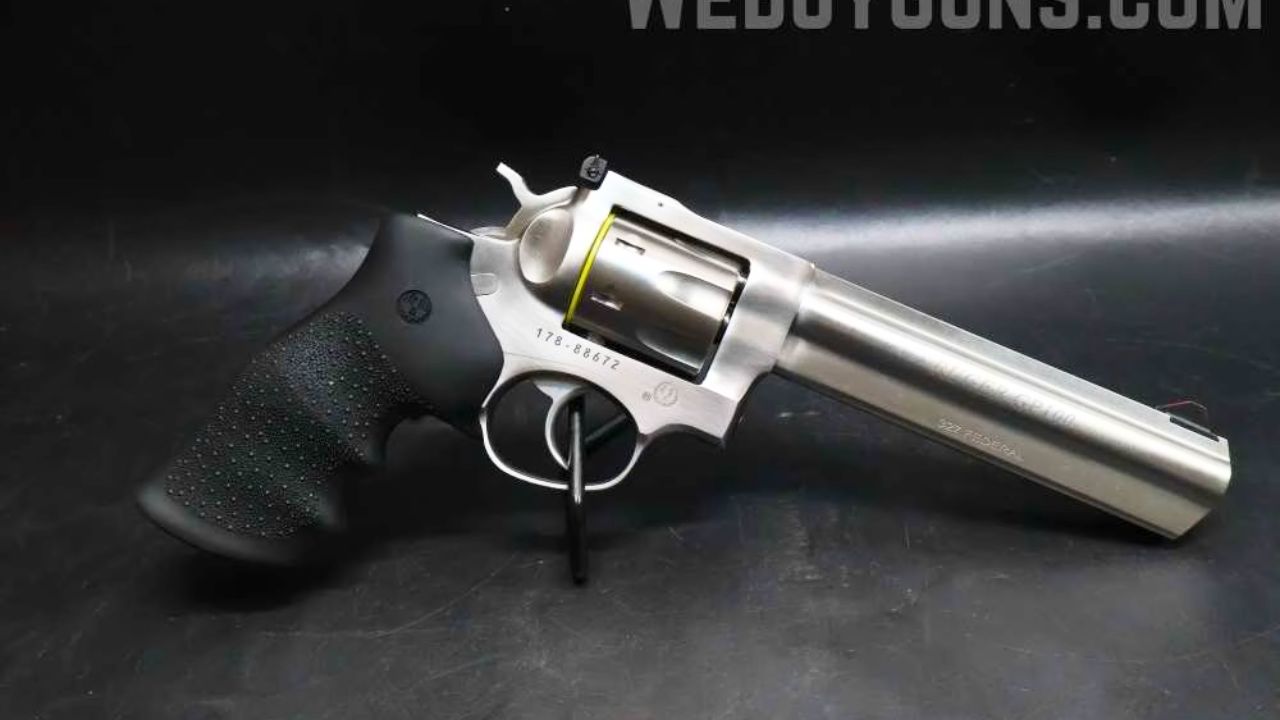
Ruger revolvers have their own personality. The GP100, SP101, Redhawk, Super Redhawk, Blackhawk, and Single-Six do not feel like Smith & Wesson clones. They tend to lean rugged, practical, and heavily built. That is a major reason Ruger has such a loyal revolver crowd.
The GP100 is a good example. It has been offered in multiple calibers and capacities, including .357 Magnum, .327 Federal Magnum, 10mm Auto, .44 Special, and .22 LR versions. That kind of variety helped Ruger keep revolvers relevant even as semi-autos took over much of the handgun market.
8. Ruger’s Single-Actions Kept Cowboy-Style Revolvers Alive
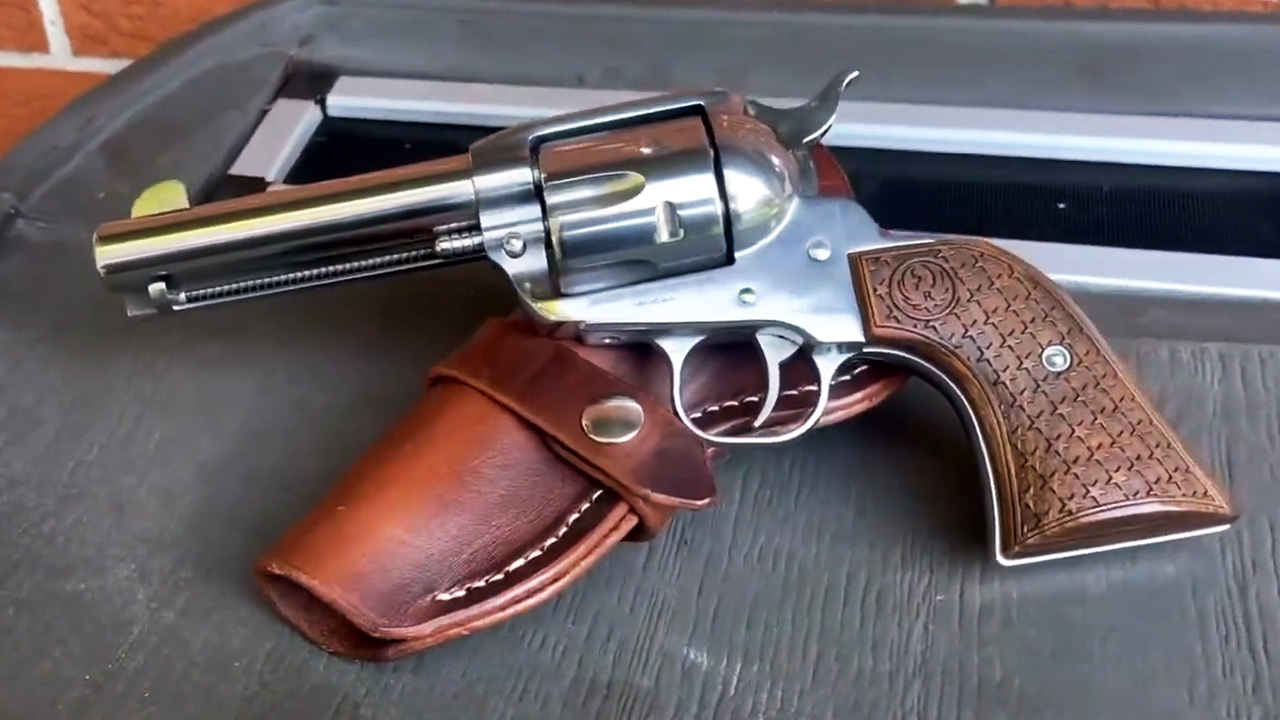
Ruger’s single-action revolvers gave shooters a way to enjoy old-style wheelguns without relying only on original Colts or expensive collector pieces. The Blackhawk, Super Blackhawk, Vaquero, and Single-Six lines gave hunters, plinkers, cowboy-action shooters, and revolver fans practical options with modern materials and safety systems.
That matters because Ruger helped keep single-action revolvers from becoming only historical objects. A shooter could buy a new-production single-action, shoot it hard, hunt with it, compete with it, or just enjoy it without treating it like an artifact. Ruger’s revolver work is a huge part of why the brand still has such a broad base.
9. Ruger Bought Marlin and Brought the Brand Back

One of Ruger’s biggest modern moves was acquiring Marlin after Remington’s bankruptcy. That put Marlin lever guns under Ruger ownership and gave Ruger a chance to rebuild confidence in one of America’s most beloved rifle names.
That move mattered because Marlin had gone through a rough period. Shooters were watching closely to see whether Ruger could bring quality back. The Ruger-made Marlins, especially rifles like the 1895 SBL and 336 Classic, helped restore a lot of trust. Ruger did not just buy a name. It took on the pressure of reviving a brand people cared about deeply.
10. The Mini-14 Was Never Meant to Be an AR
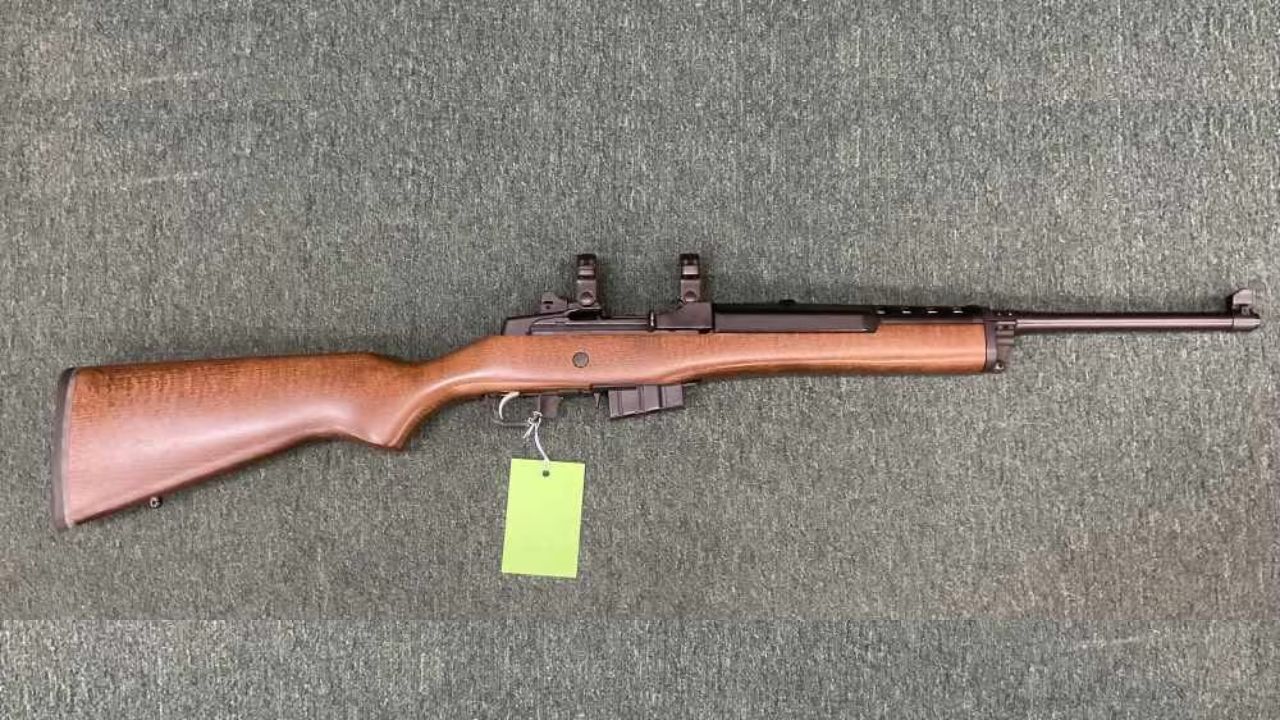
The Ruger Mini-14 gets compared to the AR-15 constantly, but that comparison misses what Ruger was doing. The Mini-14 is a Garand-style ranch rifle with a traditional stock and a very different feel from an AR. It appeals to shooters who want a semi-auto .223/5.56 rifle without the AR layout.
That is why the Mini-14 still has fans. It is not the most modular rifle, and it is not usually the cheapest way into a semi-auto .223. But it has a working-rifle personality that some shooters prefer. Ruger has always been good at building guns that fill a practical lane without chasing whatever the trendiest platform is.
11. Ruger Knows How to Make Budget Rifles That Actually Work

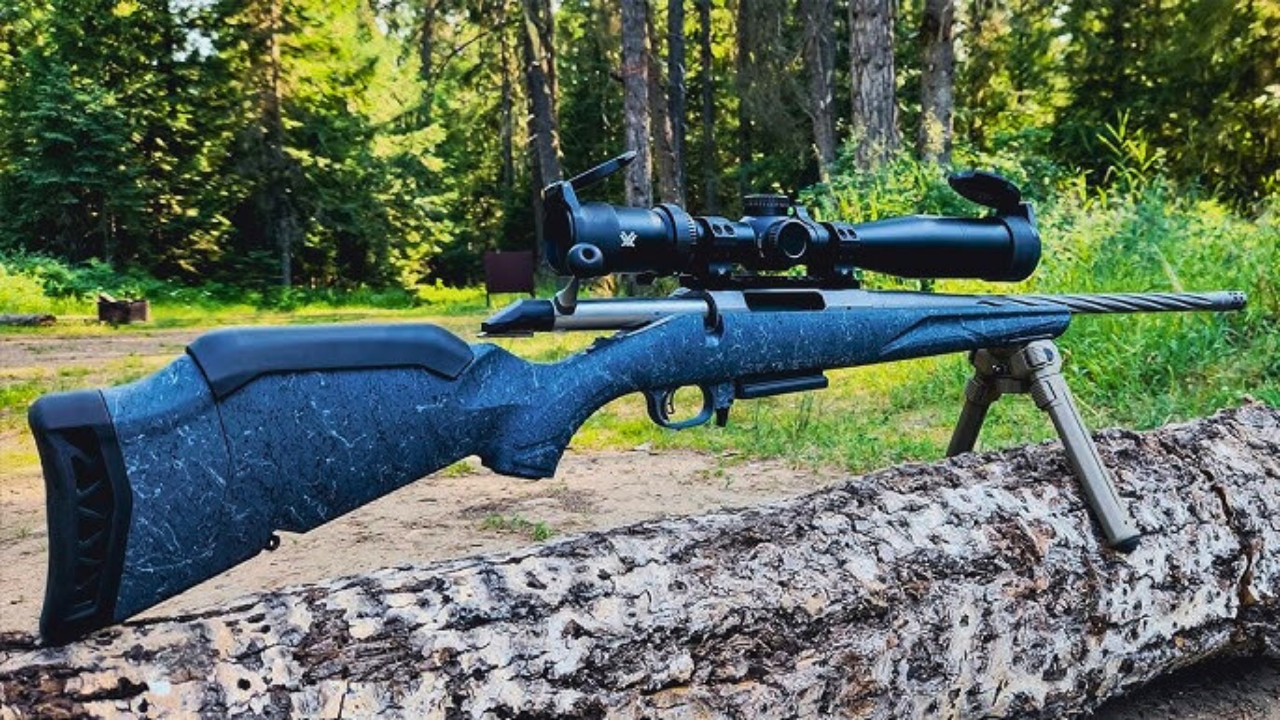
The Ruger American Rifle is one of the clearest examples of Ruger’s modern strength. It is affordable, but it includes useful features like the Ruger Marksman Adjustable trigger, Power Bedding system, free-floated barrel, lightweight synthetic stock, and practical model variety. Ruger’s own American Rifle line highlights those accuracy and fit features across the family.
That is the Ruger formula in a nutshell. The company may not always make the fanciest rifle in a category, but it often makes one regular hunters can afford and actually use. That matters more than internet prestige. A rifle that shoots well and does not scare people with the price tag is going to sell.
12. Ruger Is One of the Few Publicly Traded Gun Makers

Sturm, Ruger & Company is publicly traded, which makes it different from many privately held firearm brands. That means the company files detailed financial reports, gives investors regular updates, and operates with a different level of public scrutiny than many gun companies.
That also means shooters sometimes see business news around Ruger in a way they may not with smaller or privately held brands. In recent years, Ruger has dealt with everything from normal firearms-market swings to shareholder pressure and strategic interest from Beretta. That business side does not change how a GP100 shoots, but it does show Ruger is a major corporate player, not just a familiar gun-counter name.
13. Every Ruger Firearm Is Assembled, Inspected, and Tested at Company Facilities
Ruger’s 2024 annual report says all assembly, inspection, and testing of firearms manufactured by the company are performed at Ruger facilities. It also says every firearm, including every chamber of every revolver cylinder, is test-fired before shipment.
That is the kind of detail most buyers never think about, but it matters. Ruger’s brand is built on reliability and practical trust. Test-firing and facility-controlled assembly are part of how the company tries to maintain that. No manufacturer is perfect, but those checks help explain why Ruger’s working-gun reputation has lasted.
14. Ruger Has Always Been Comfortable With Practical Over Pretty
A lot of Ruger guns are not beautiful in the traditional sense. Some are chunky. Some are plain. Some feel more industrial than refined. But that has also been part of the appeal. Ruger usually builds guns that feel meant to be carried, shot, scratched, and kept around for decades.
That practical identity shows up everywhere. A 10/22 is not fancy, but it works. A GP100 is not delicate, but it is strong. A Ruger American is not luxurious, but it often shoots well. A Mini-14 is not an AR, and that is the point. Ruger has never needed every gun to be elegant. The company has usually done best when it builds guns regular shooters can live with.
15. Ruger’s Real Strength Is Range
The biggest thing most shooters miss about Ruger is how broad the company really is. Some brands are mostly known for pistols. Some are rifle brands. Some are shotgun brands. Ruger is one of the few American firearm companies with serious credibility across rimfire pistols, rimfire rifles, revolvers, bolt-action rifles, semi-auto rifles, and now Marlin lever guns.
That range is why Ruger keeps showing up in so many conversations. A new shooter may start with a 10/22. A hunter may buy an American Rifle. A revolver guy may trust a GP100. A lever-gun fan may be waiting on a Ruger-made Marlin. Ruger’s real story is not one gun. It is the company’s ability to build practical firearms across almost every lane regular shooters care about.
Like The Avid Outdoorsman’s content? Subscribe to our newsletter so you never miss an article.
Here’s more from us: