
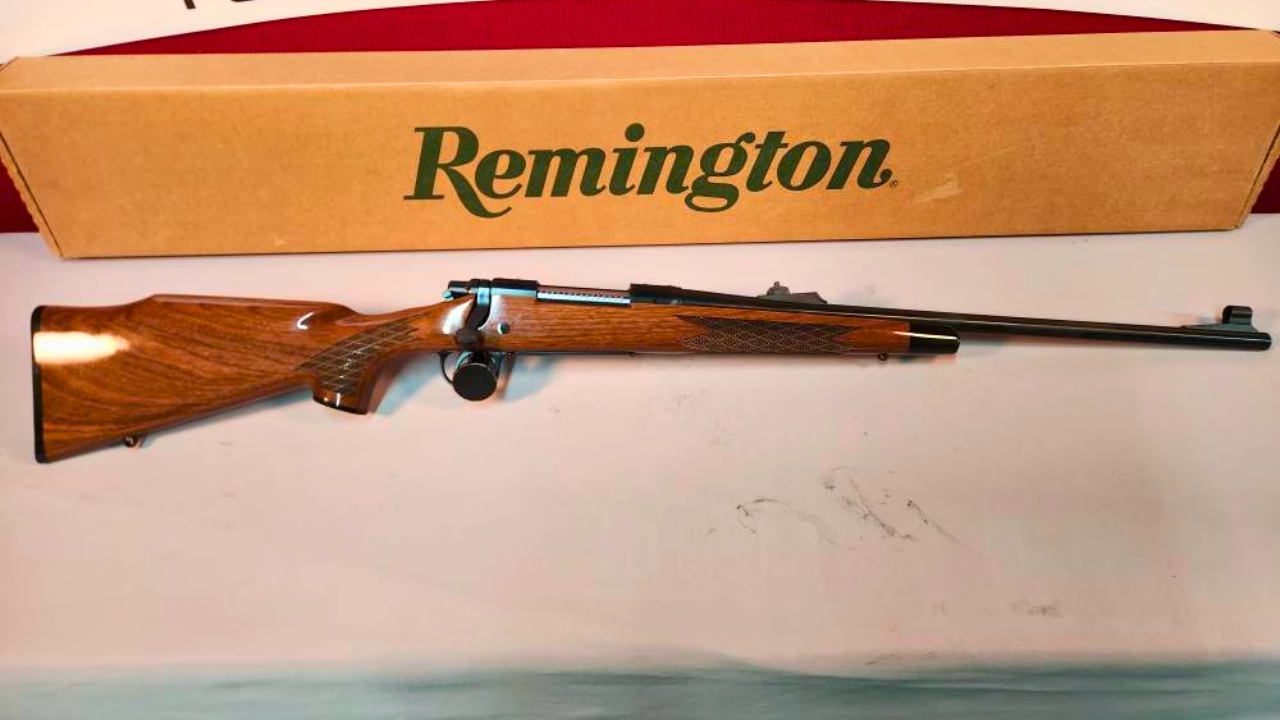
Photo credit: Town Gun Shop/GunBroker
The Remington 700 is one of those rifles that almost everybody knows by name, but a lot of shooters only know the broad outline: classic bolt gun, strong action, huge aftermarket. The fuller story is that it became one of the most influential sporting rifles of the modern era. American Hunter says it was introduced in 1962 and grew into perhaps the most popular bolt-action rifle on Earth, while American Rifleman notes the design emerged as Remington sought to improve on the earlier 721/722 line and economize production.
What makes the 700 especially interesting is that it succeeded in several very different worlds at once. It became a mainstream hunting rifle, a police and military precision-rifle foundation, and one of the most copied custom-action footprints in the gun world. American Hunter says it has been used by hunters, police, military personnel, competitors, and custom gunsmiths alike.
1. It was introduced in 1962

That date matters because 1962 is really the start of the Model 700 story. American Hunter, American Rifleman, and Guns & Ammo all place the rifle’s introduction in 1962.
That means the Model 700 is not just “old.” It is a rifle that arrived at exactly the right moment to dominate the second half of the 20th-century bolt-action market. That dominance point is an inference from the rifle’s 1962 launch and its later market reputation.
2. It was designed by Mike Walker’s team

American Rifleman says Mike Walker, a Remington-employed designer and engineer, headed the team that created the rifle.
That matters because Walker’s name is deeply tied to the Model 700’s design identity, especially its accuracy reputation and its clean, production-friendly action layout. The accuracy-reputation point is an inference grounded in the way American Rifleman frames the design team’s role and the rifle’s later standing.
3. It borrowed heavily from the earlier 721 and 722

The Model 700 was not a clean-sheet rifle in every respect. Gun Digest says the 700 borrowed heavily from the 721/722 and that the mechanism is essentially the same, while American Rifleman says Remington created it as an improvement on those earlier models.
That is one reason the rifle was able to launch so successfully. Remington was refining a proven idea rather than gambling on something totally untested. That conclusion is an inference, but it follows directly from the documented 721/722 lineage.
4. “Three rings of steel” became one of its defining selling points
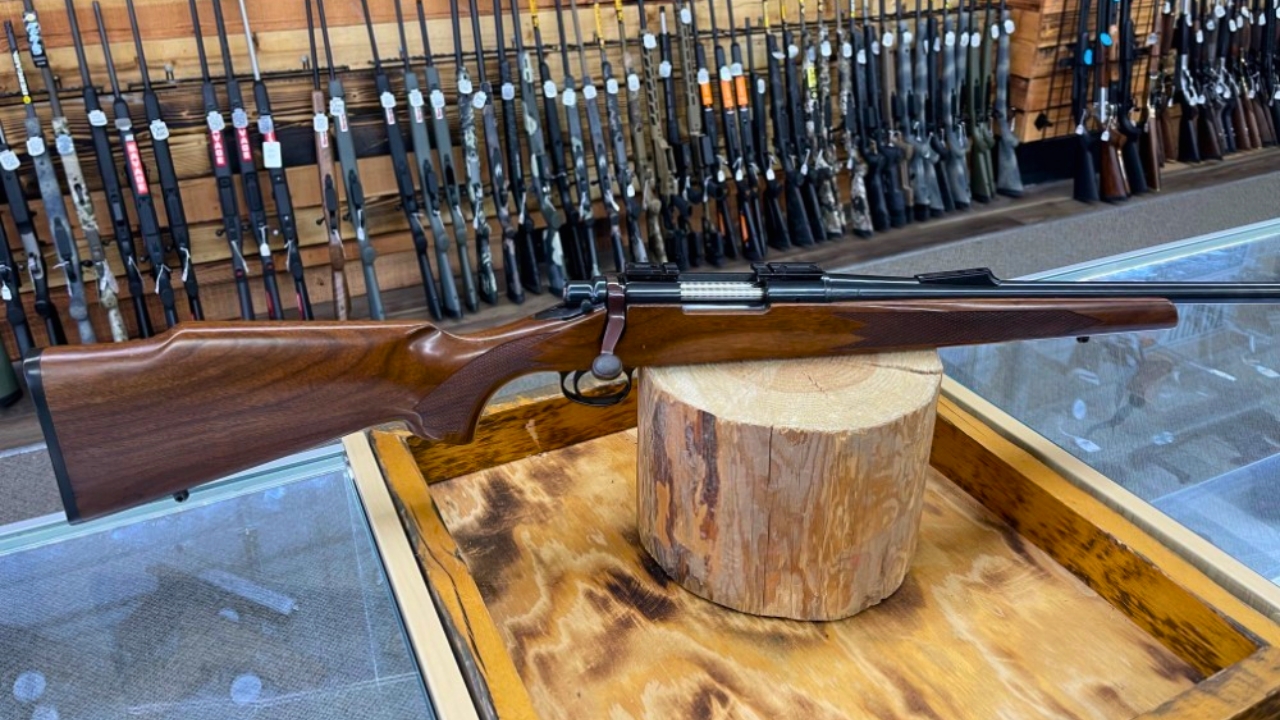
American Rifleman says Remington heavily advertised the Model 700’s “three rings of steel” surrounding and supporting the case head, and both Gun Digest and other summaries repeat that same design identity.
That phrase became inseparable from the rifle because it gave buyers an easy shorthand for strength and safety. The marketing-impact point is an inference grounded in the repeated emphasis those sources place on the slogan.
5. The “three rings” are the enclosed bolt face, barrel shank, and receiver ring

American Rifleman spells the system out directly: enclosed bolt face, barrel shank, and action forward ring.
That detail matters because it explains why the Model 700’s action became so respected. The rifle’s reputation was not built only on smooth lines and good stocks. It was tied to a specific action concept that shooters could understand. That second point is an inference grounded in the mechanical explanation those sources give.
6. It was immediately known for accuracy
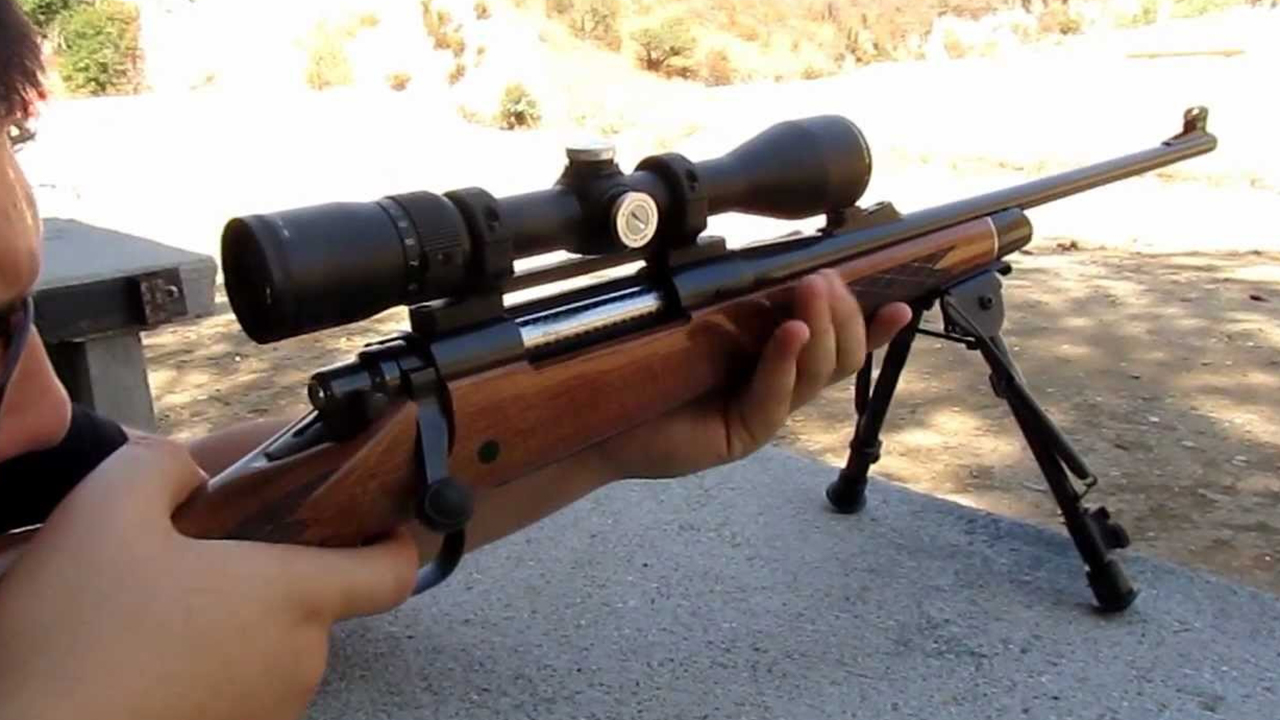
American Rifleman says the push-feed Model 700 was immediately known for accuracy and was well accepted, while American Hunter says it became a favorite not only for hunters but also for competitors and custom builders.
That is a huge part of the 700 story. Plenty of production bolt guns sell well; fewer become accuracy benchmarks that people keep building on for decades. That second sentence is an inference grounded in the rifle’s later use by competitors and custom gunsmiths.
7. The Winchester Model 70’s 1964 redesign helped the 700 even more
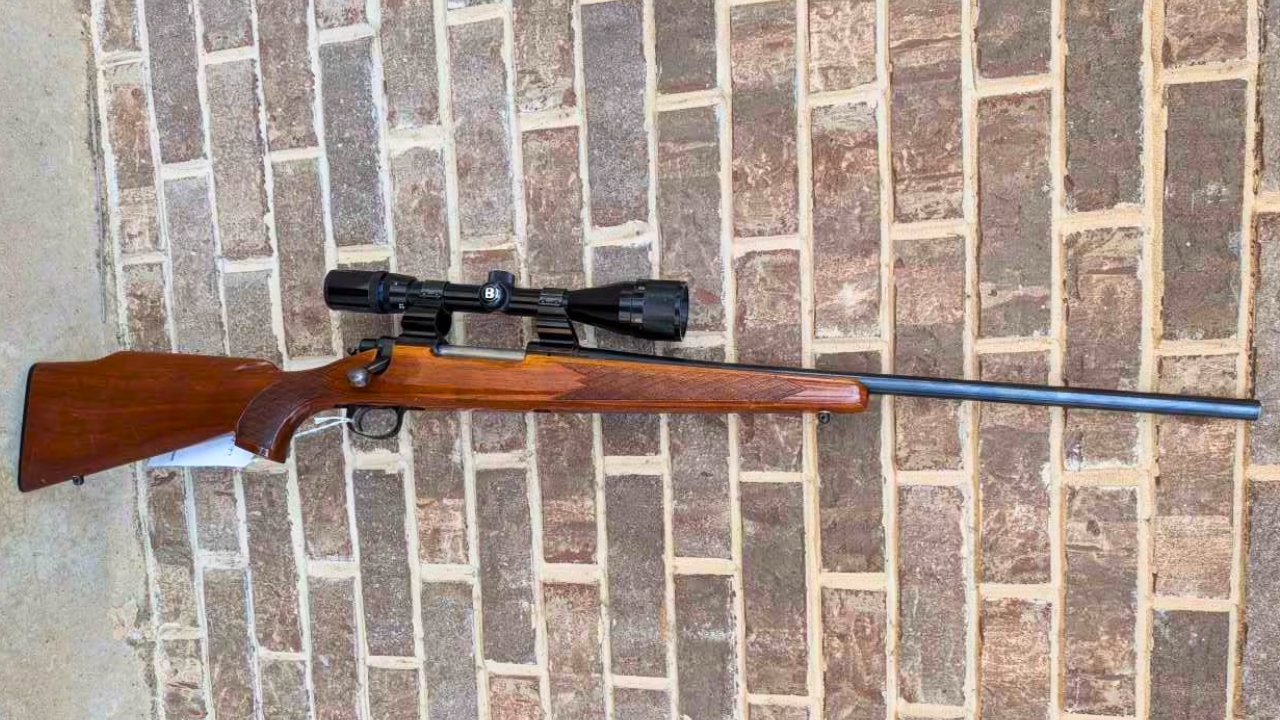
American Rifleman says there was also some luck involved: the Model 700 was still very new when Winchester changed the beloved pre-1964 Model 70 to the post-’64 push-feed version.
That matters because it gave the Remington 700 a major opening in the market at exactly the right time. The “market opening” point is an inference, but it is the obvious implication of American Rifleman’s comparison.
8. The BDL helped define the line’s early image
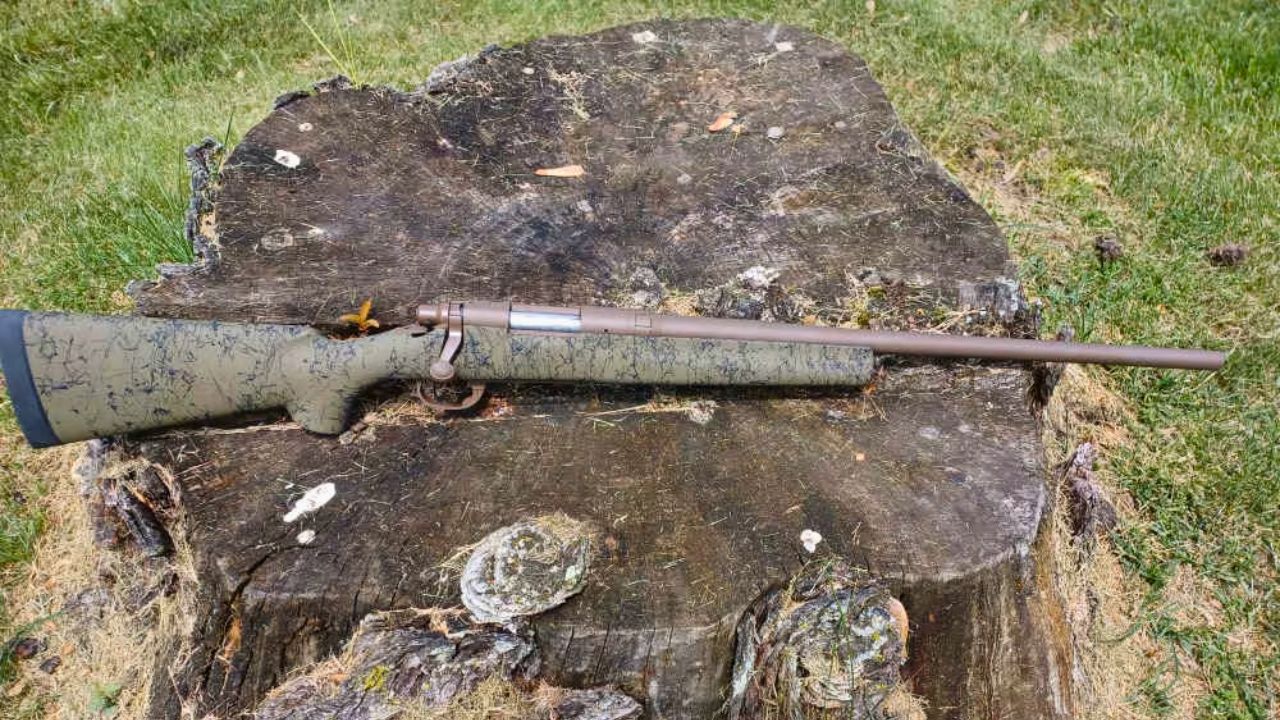
American Rifleman’s 2023 “I Have This Old Gun” piece specifically focused on the Remington 700 BDL and tied it to the rifle’s early history and cutaway “three rings of steel” illustration.
That is worth knowing because when many shooters picture the “classic” Model 700, they are really picturing the BDL: polished walnut-and-blue styling with the now-familiar 700 action. That visual-identity point is an inference grounded in the BDL’s prominence in historical coverage.
9. It became one of the most important custom-rifle footprints in America

American Hunter says the Model 700 is used by custom gunsmiths as the platform for all manner of creations.
That is a massive part of the rifle’s legacy. The 700 did not just succeed as a factory rifle. It became the action pattern that countless precision and hunting builds revolved around. That second sentence is an inference based on American Hunter’s direct statement about custom use.
10. It became deeply tied to military and police sniper rifles
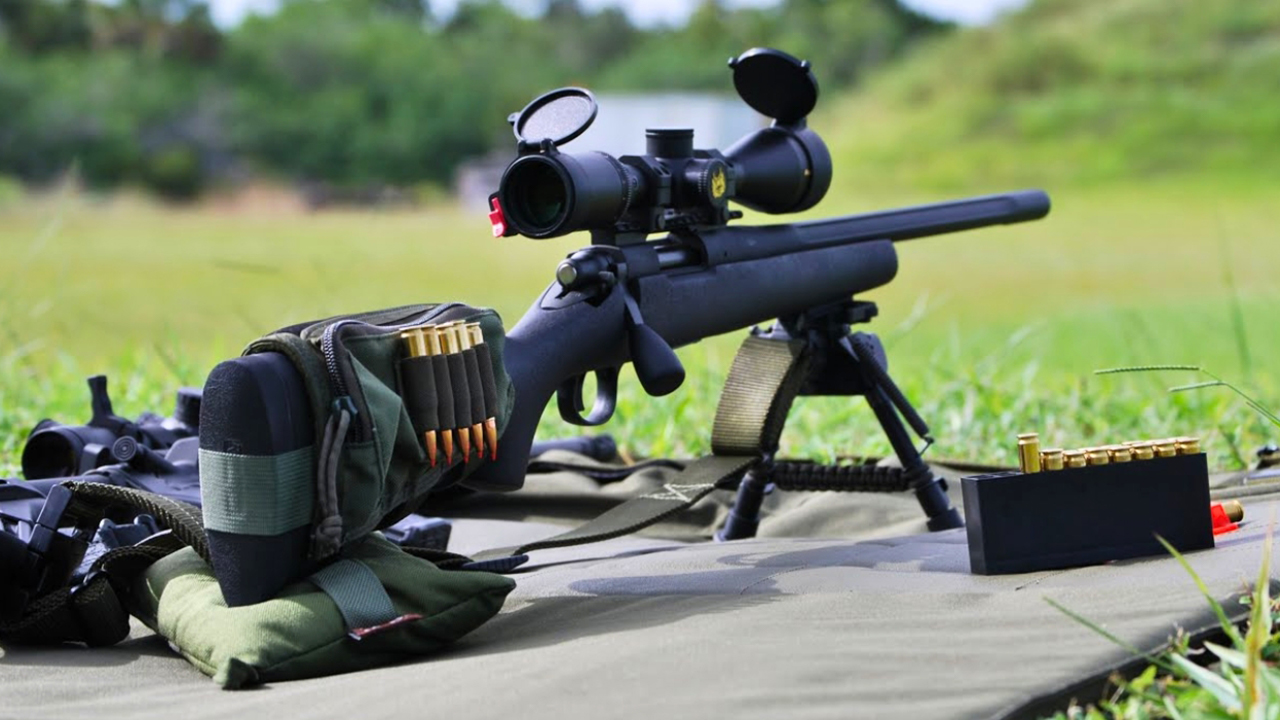
American Hunter says the 700 has been used by police and military personnel, not just hunters.
That matters because the 700’s image is not only “deer rifle.” It also became one of the foundational bolt actions behind serious precision-rifle programs. The broader sniper-rifle implication is an inference grounded in its documented police and military use.
11. The action was built to be production-friendly as well as accurate

American Rifleman says the rifle emerged as Remington sought to economize production and improve on the 721/722.
That is one of the smartest things about the 700 design. It was not a boutique action that happened to shoot well. It was built to be manufacturable at scale and still accurate enough to stand out. That second sentence is an inference grounded in the source’s direct pairing of cost-efficiency and design improvement.
12. The rifle’s popularity spans far beyond hunting

American Hunter says the Model 700 is used by hunters around the world, police and military personnel, competitors, and custom gunsmiths.
That breadth is what separates the 700 from a lot of other famous sporting rifles. It crossed over from the hunting rack into precision shooting, law-enforcement use, and custom-rifle culture in a way very few bolt guns ever do. That second sentence is an inference grounded in the user groups American Hunter lists.
13. The model’s reputation rests on both design and timing
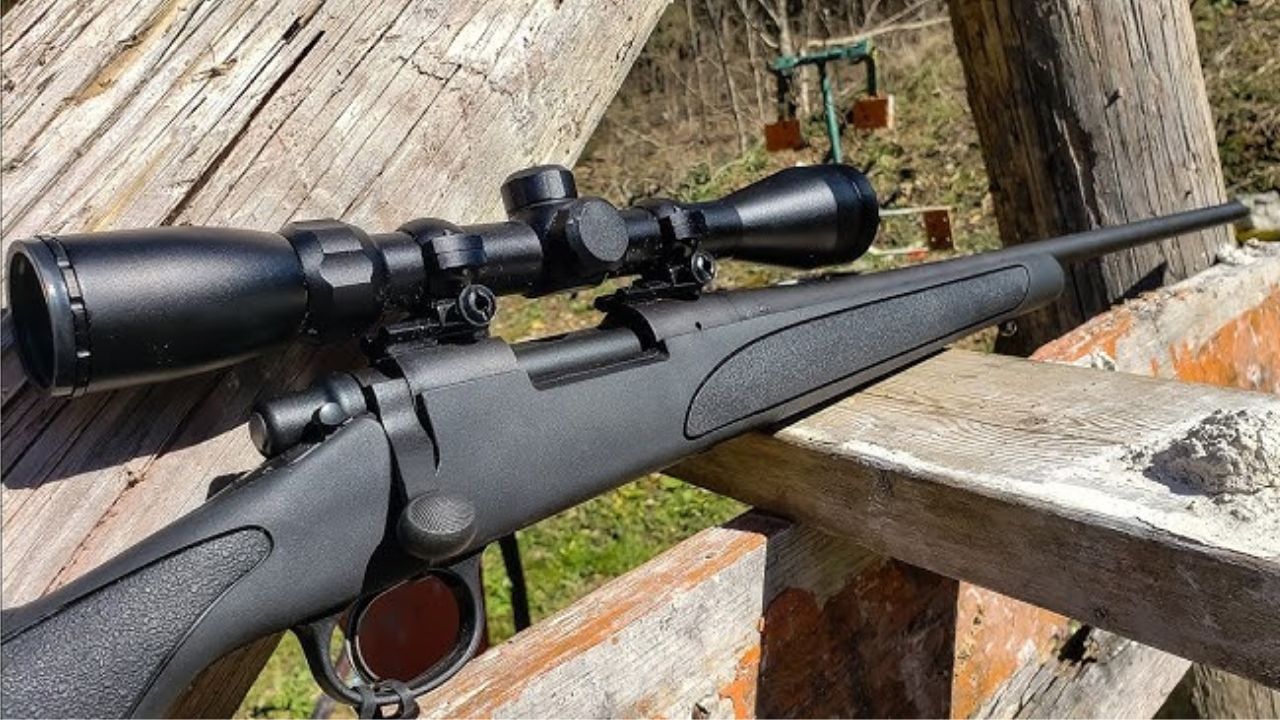
Looking across the sources, the success recipe is pretty clear: strong and simple action design, early accuracy reputation, scalable production, and a market opening when Winchester stumbled with the post-’64 Model 70.
That combination is a big reason the 700 became more than a successful rifle. It became the default answer for a whole lot of shooters looking for a serious bolt action. That last point is an inference, but it is well supported by the way these sources describe its rise.
14. It is one of the few rifles that stayed central to both factory buyers and tinkerers
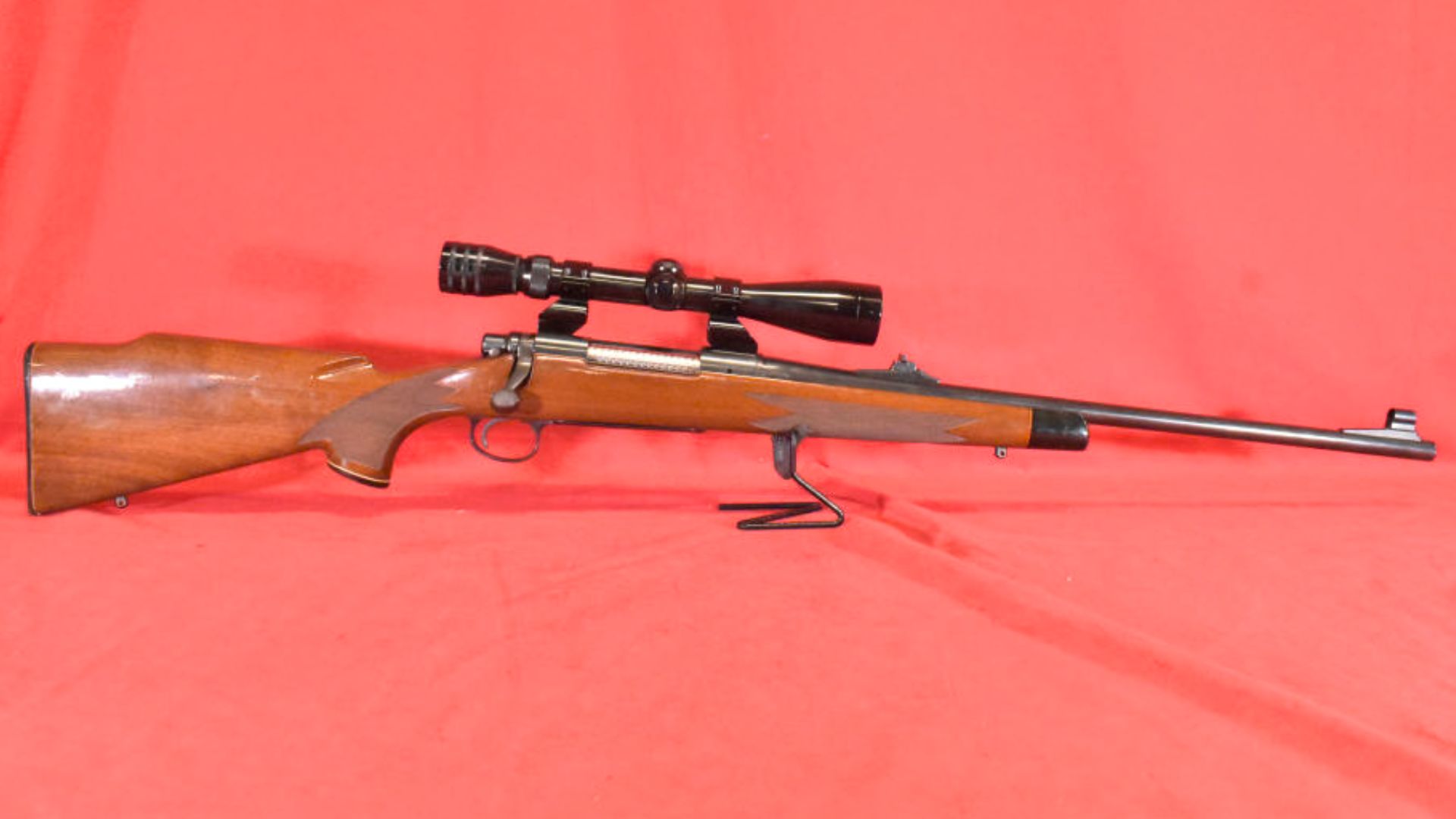
Plenty of rifles get bought in huge numbers. Plenty of others get loved by custom builders. The 700 did both, and American Hunter says exactly that by placing ordinary users and custom gunsmiths in the same story.
That dual identity is one of the strongest clues to why the Model 700 has lasted. A rifle that works for everyday hunters and for obsessive builders usually has something very right at its core. That conclusion is an inference grounded in the source’s direct description of the rifle’s user base.
15. Its biggest legacy is that it became the modern American bolt-action reference point
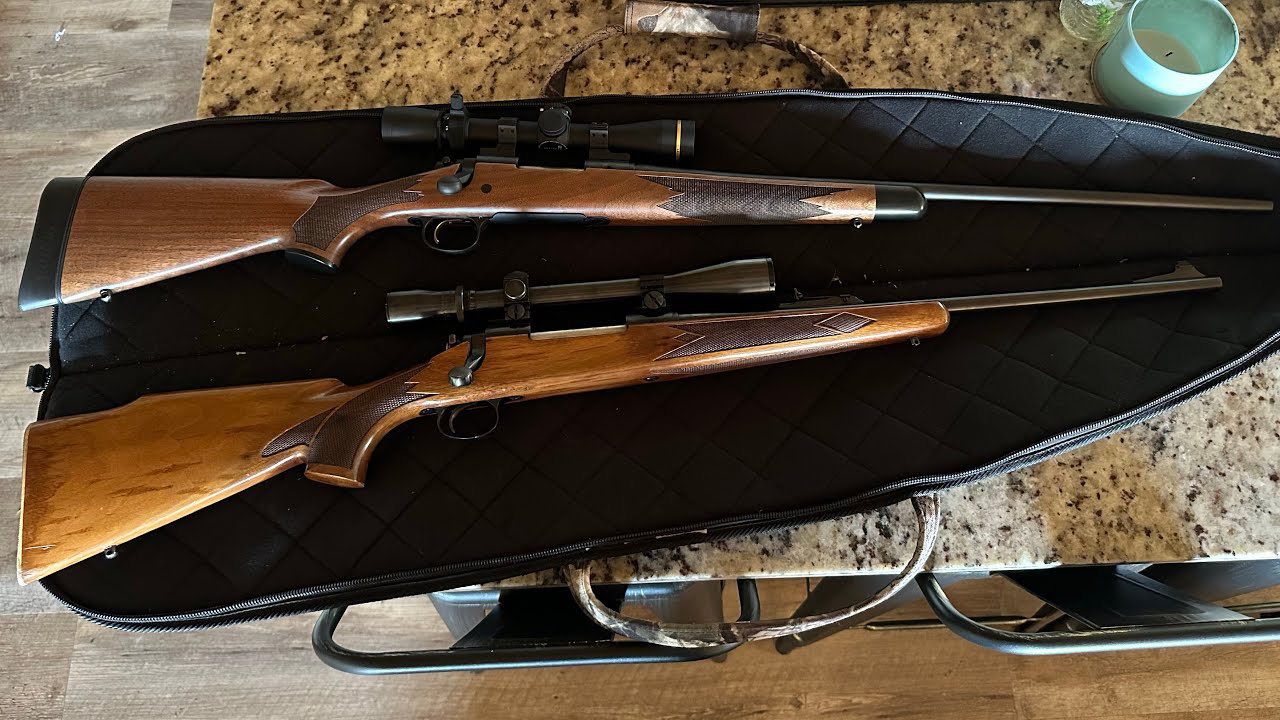
The most interesting thing about the Remington 700 is not any one feature by itself. It is that the rifle combined a strong action, a famous safety/strength marketing identity, real-world accuracy, huge hunting appeal, and deep custom-rifle adoption into one package that started in 1962 and never really left the conversation.
That is why the Remington 700 still matters so much. It did not just become a successful bolt-action rifle. It became the bolt-action rifle that a whole lot of later American precision, hunting, and custom-gun culture organized itself around. That last sentence is an inference, but it is the clearest reading of what these sources describe.
Like The Avid Outdoorsman’s content? Subscribe to our newsletter so you never miss an article.
Here’s more from us:


