Photo credit: gmsjs90/Pixabay.com
The gun owner had made it almost two years without anyone noticing.
That is the part that probably made the whole thing sting so much. From his side, he had been carrying quietly at work, not talking about it, not showing it off, not making it part of his personality. Just concealed carry, tucked away, with nobody any wiser.
Then one person saw it.
In a Reddit post, the gun owner said he was spotted carrying at work after roughly two years of doing it without an issue. And once the wrong person noticed, the whole situation moved fast.
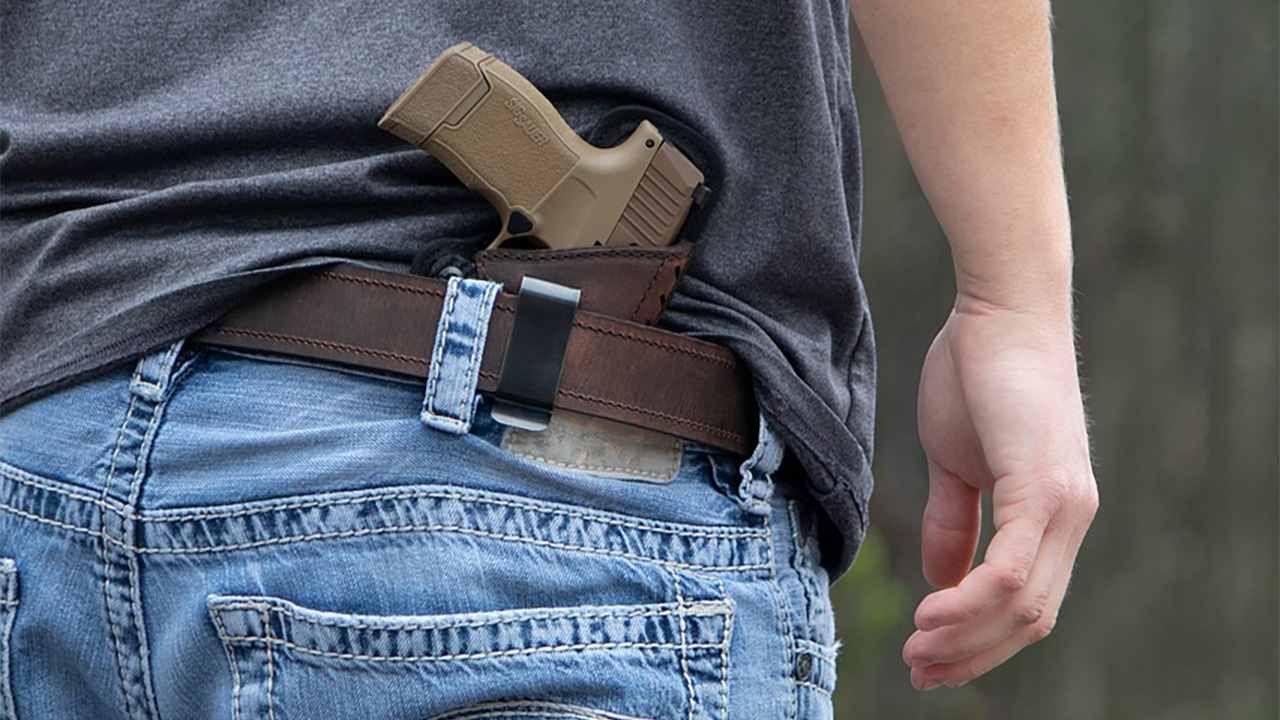
At first, it sounds like one of those small concealed-carry scares that might blow over. Maybe someone sees a clip. Maybe a shirt rides up. Maybe the outline of a holster catches the light. The carrier fixes it, feels embarrassed, and spends the rest of the day replaying the moment in his head.
But this one did not stay small.
According to the post, management got involved, and the gun owner ended up being escorted out. That is already a rough ending. Nobody wants to be walked out of work like they did something dangerous or criminal, especially after years of quietly doing the same job. But the fallout did not end there.
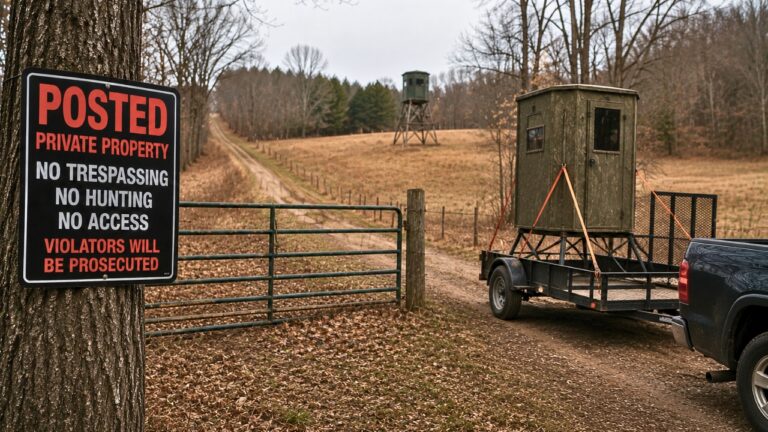
The next day, no-carry signs were posted.
That is the kind of consequence that makes a private mistake feel much bigger. The gun owner did not just get caught. His workplace apparently turned the incident into a formal rule change, or at least made the rule visible and unmistakable. One exposed carry setup became a posted policy for everybody walking through the door.
That is exactly the fear a lot of concealed carriers have about carrying at work. You may think everything is fine because nobody says anything. There may be no sign. There may be no daily reminder. A manager may never ask. Coworkers may never notice. But the entire setup can collapse the second someone spots the gun and reports it.
Workplaces do not handle guns the way gun forums do. They do not usually sit around debating carry comfort, holster angles, or whether accidental exposure should count as open carry. Management hears “employee has a gun,” and the conversation turns into liability, policy, insurance, customer perception, and whether anyone feels unsafe.
That may feel unfair to the person carrying, but it is predictable.
From the gun owner’s side, two years without a problem probably felt like proof that he was doing it responsibly. From management’s side, two years may not have mattered once the gun became visible. The whole thing became real the moment someone else knew about it.
That is the brutal part of concealed carry in a workplace. It is only quiet until it is not.
And once it is not, the carrier usually loses control of the story. He may know he was never a threat. He may know the gun stayed holstered. He may know he never mentioned it to anyone. But someone else may tell management they saw a firearm, felt uncomfortable, or believed company policy was being violated. Now the story is no longer just his.
It belongs to the workplace.
That also explains why the signs going up the next day hit so hard. It was not subtle. It told everyone the company wanted no confusion after that. Whatever gray area existed before was gone. Carry was no longer something people could quietly assume was allowed because no one had said otherwise.
For other employees who carried or had thought about it, the message was clear: don’t.
For the poster, the lesson was probably worse because he had gone so long without being noticed. Two years can make a person comfortable. Maybe too comfortable. A carry setup that works most days can still fail once. A shirt can move wrong once. A coworker can notice once. And that one time can erase years of staying hidden.
That does not mean the gun owner was trying to cause trouble. It means workplace carry has almost no room for error.
A store, restaurant, office, warehouse, or service job all have their own risks. You bend, reach, twist, lift, sit, lean, grab things from shelves, deal with customers, and move around coworkers. A setup that seems invisible at home might not stay invisible through a full shift.
And if the workplace is already uneasy about guns, all it takes is one person noticing.
The gun owner’s story is not dramatic in the way a defensive gun use is dramatic. Nobody attacked him. No one was saved. No one drew a weapon. But the consequence was still real: he got spotted, management reacted, he was escorted out, and the next day the workplace made sure nobody could claim confusion again.
One exposed carry setup turned a quiet habit into a posted no-carry zone.
Commenters mostly treated the story as a hard lesson in workplace carry.
Several people said that if someone carries at work against policy or in a gray area, they need to understand the risk before doing it. Legal carry and job-safe carry are not the same thing. A person may be allowed to carry under state law and still face discipline, termination, or removal if the employer bans firearms.
Others focused on the fact that he had made it almost two years before being noticed. Some saw that as proof he had been doing a decent job concealing. Others said it showed how one mistake can undo a long streak. Concealed carry is not graded on average. The day it shows is the day it becomes a problem.
A lot of commenters talked about gear and clothing. They said if a workplace carry setup is going to be attempted at all, it has to survive real work movements: bending, reaching, sitting, lifting, and being around people at close range. If it only hides well while standing still, it is not good enough.
Some commenters also said the company’s reaction was predictable. Once management knew, they were likely going to protect the business first. Posting signs the next day may have felt like an overreaction to the carrier, but from a management view, it removed ambiguity.
The strongest advice was simple: know the policy, understand the consequences, and don’t assume silence means permission. Because once someone at work sees the gun, the quiet part is over.