Photo credit: The Avid Outdoorsman
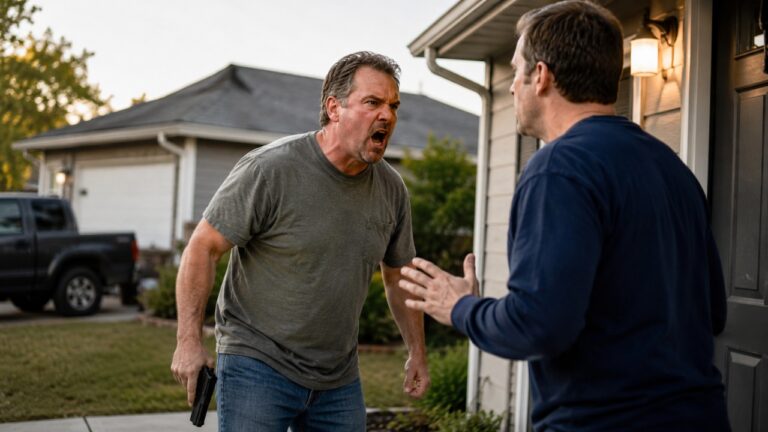
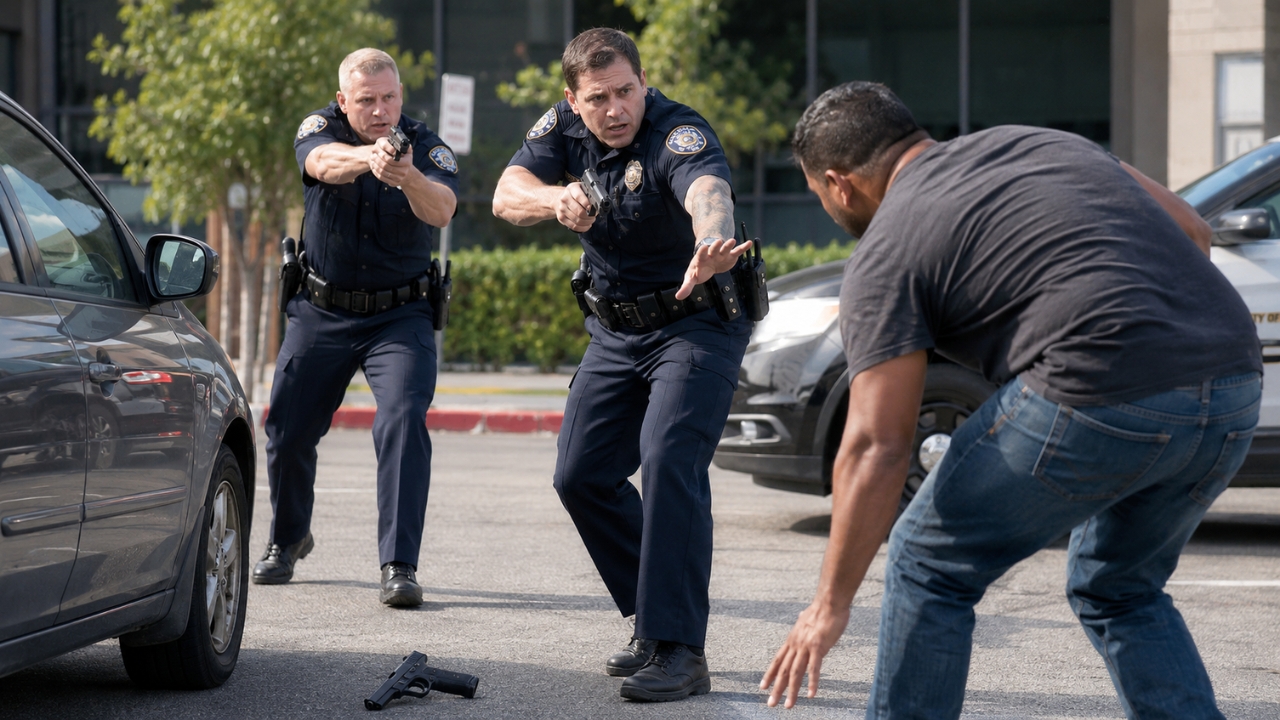
A Reddit thread in r/CCW picked up a story that hit carriers in a very specific way because it sounded like a chain of small failures ending in the worst place possible. According to the discussion, a man got involved in some kind of altercation while trying to de-escalate a situation involving one of his friends. During the incident, his gun fell out of the holster. Police were already arriving or nearby, and when the man bent down or moved to secure the weapon, officers saw a person with a gun and shot him. The original Reddit thread is here: https://www.reddit.com/r/CCW/comments/8uu48t/guy_got_shot_dead_by_the_cops_while_trying_to/. (reddit.com)
The way the story was discussed, the part that bothered people most was how mundane the beginning sounded compared with how catastrophic the ending was. This was not framed as a man drawing on police or charging them with a weapon. It was framed as someone whose gun came loose in the middle of a stressful public situation, followed by a split-second movement to recover it at the exact moment officers were arriving and processing a dangerous scene. Once you picture that sequence, the whole thing feels less like one isolated mistake and more like several systems failing at once. The holster failed. The situation was already chaotic. Police arrived in the middle of it. The man moved toward a gun on the ground. And then the whole thing ended before anyone had time to explain anything.
That is what gave the thread its shape. A lot of commenters were not only focused on police decision-making. They were focused just as hard on the holster. One of the strongest early replies said he would be very curious to know what kind of holster the man had, because he could not imagine anything short of being turned upside down and shaken that would make his own weapon fall out. That reaction set the tone for much of the discussion. Before people even got into legal or tactical analysis, they were staring at the carry failure at the root of the event. A gun that leaves the holster in the middle of a confrontation does not stay a carry problem for long. It becomes everyone’s problem immediately.
There is a harsh realism in that, and the commenters seemed to understand it. Once a pistol is on the ground in a chaotic scene, the carrier may know exactly what he is trying to do by reaching for it. To responding officers, though, that motion can look entirely different. They are not inside his intentions. They are arriving cold, trying to sort out a fast-moving situation, and suddenly there is a person moving toward a firearm. That gap between what the carrier thinks he is doing and what the police think they are seeing is where the whole story turns fatal. That is why the thread felt so ugly. There was no clean part of it left to retreat into. Every next step got worse because the original control over the gun was already gone.
The comments broke in a few different directions. Some people focused on the obvious tactical lesson and said that if a gun falls out in front of police, grabbing for it may be the last thing a person should do, no matter how natural the impulse feels. Others pushed back and noted how unrealistic that can sound in the moment. If your firearm is suddenly loose on the ground in public, every instinct in your body is going to scream at you to secure it before someone else does. That is exactly what makes the story so hard to read. The fatal decision is also the most human one. A carrier is conditioned to maintain control of the gun. The problem is that under police observation, the act of “regaining control” can look exactly like the beginning of something else.
There was also a broader conversation in the thread about holsters and retention, and that may have been the most useful part of it. A lot of carriers treat retention as a comfort issue until a story like this reminds them it can become a life-or-death issue very fast. A holster is not just a convenient place to park the gun under a shirt. In a bad moment, it is the thing standing between a concealed carrier and a public loose firearm. If it fails, the entire environment changes instantly. The gun is no longer under quiet control. It is now part of the visible problem, and every witness — including police — has to react to that new reality.
A few commenters took the discussion further and pointed out how many carry people under-test their setups. They walk around the house, sit in the car, maybe do a few casual bends or draws, and call it good. But stress, sudden movement, grappling, slipping, getting shoved, or entering and exiting awkward spaces all test a rig differently. A gun that feels solid during calm daily carry may prove much less secure once real body movement gets violent or unpredictable. The thread did not need to spell that out like a training manual. The story itself already did it. A holstered gun became an unholstered gun at the worst possible time.
The police side of the discussion, as you would expect, got heated too. Some readers treated the shooting as a terrible but understandable outcome in a situation where officers arrived and saw someone moving toward a gun. Others were angrier and thought the fatal decision came too quickly. But even where people disagreed about that, the thread kept bending back toward the same ugly center: the man likely never expected to be deciding whether to grab for a fallen firearm under police eyes in the first place. Once he was in that position, every available option looked bad. Leave the gun on the ground and risk someone else grabbing it. Reach for it and risk the police reading that movement as a threat. There is no clean answer in a moment like that. There is only the answer a person chooses under pressure and the way everyone else interprets it.
That is probably why the story lingered in the carry crowd. It was not just another warning about cheap gear or public exposure. It was a reminder that retention failure can escalate past embarrassment faster than most people want to admit. A dropped gun at a park is humiliating. A dropped gun in a restaurant is terrifying. A dropped gun in the middle of a confrontation, with police arriving, can become fatal before anyone gets to explain what they meant to do next. That is a different level of consequence, and the thread seemed to understand it from the first few replies onward.
There is also something deeply uncomfortable about how ordinary the initial goal was said to be. The discussion framed the man as someone trying to de-escalate, not start a gunfight. That makes the end of the story land harder. Nobody sets out expecting a “help calm this down” moment to turn into losing control of a gun on the ground while police roll up. But that is exactly what makes carry stories like this matter to people who take concealed carry seriously. The weapon is not only for the extreme moment. It is also something that has to remain controlled through the messy human moments leading up to it — arguments, confusion, physical movement, bad footing, crowd pressure, and police arriving before the scene has settled.
By the end of the thread, the emotional center of the story was still the same. A gun fell out. A man moved to secure it. Officers saw a person with a gun in a chaotic scene and fired. People in the comments argued over tactics, police decisions, and what anyone should have done. But underneath all of that was the harder reality a lot of them seemed to agree on: once the holster failed, the margin for everybody in that scene got much smaller. And once that margin disappeared, there was no good way left for the story to end.