Photo credit: ShotCity/YouTube
Kimber is one of the more argued-over brands in the gun world, which honestly makes it more interesting. Some shooters love Kimber 1911s and think they give you a custom-looking pistol without full custom-shop money. Others roll their eyes and bring up break-in periods, tight tolerances, MIM parts, old reliability complaints, and the idea that Kimber sells looks harder than function.
The truth is more complicated than either side usually admits. Kimber started as a rifle company in Oregon, became one of the biggest names in production 1911s, moved its corporate headquarters to Alabama, and now sells 1911 pistols, revolvers, rifles, and accessories. The company says it was founded with the goal of building fine sporting firearms, while its modern catalog leans heavily on 1911-style pistols, hunting rifles, concealed-carry pistols, and revolvers.
1. Kimber Started With Rifles, Not 1911s

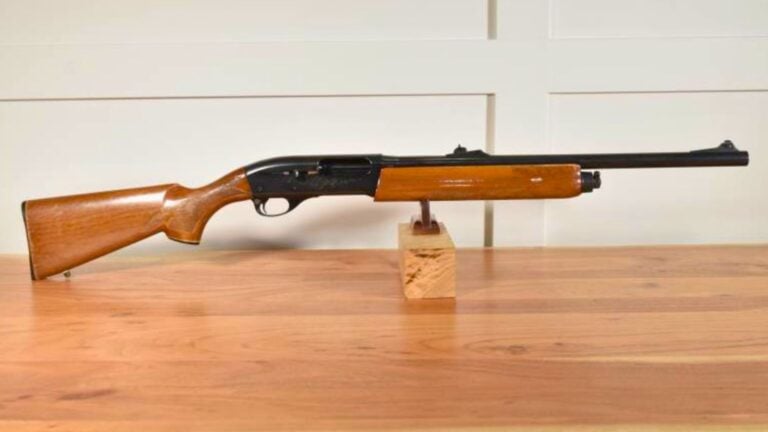
A lot of shooters think of Kimber as a 1911 company first, but the brand began with rifles. Kimber of Oregon was founded in 1979 by Jack Warne and his son Greg Warne in Clackamas, Oregon. The early company built a reputation around accurate rimfire rifles before the Kimber name became so heavily tied to handguns.
That surprises people because Kimber’s modern identity is almost glued to the 1911. Walk into a gun shop and Kimber usually means stainless slides, wood grips, carry 1911s, custom-looking finishes, and premium pistol cases. But the old Kimber story started with high-quality .22 rifles, not flashy pistols. That rifle DNA is still part of why Kimber hunting rifles draw interest today.
2. The Oregon Kimber and Modern Kimber Are Not the Same Simple Story
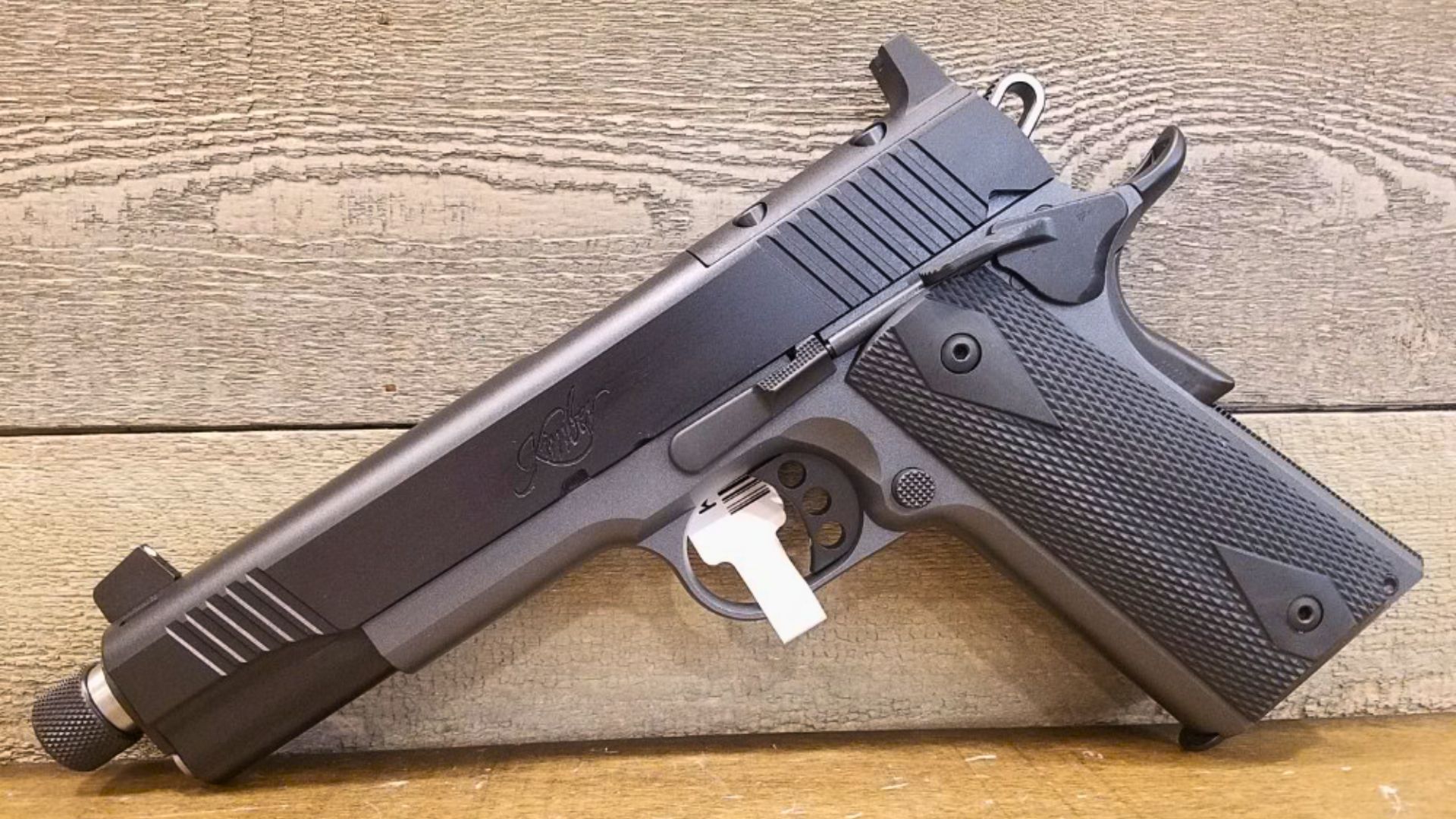
Kimber’s history gets messy because “Kimber of Oregon,” “Kimber of America,” and modern Kimber Manufacturing are connected, but the path was not straight. The original Kimber of Oregon struggled financially and ended up in bankruptcy-related trouble after expanding and developing new rifle projects. Later, Greg Warne tried to revive the name with outside backing, and production eventually shifted toward New York manufacturing tied to Les Edelman and Jerico Precision.
That matters because shooters sometimes talk about Kimber like it has been one uninterrupted company making the same kind of guns in the same place the whole time. It has not. The brand changed hands, changed locations, changed focus, and rebuilt itself around different products. That complicated history explains why older rifle fans and modern 1911 buyers sometimes talk about Kimber in completely different ways.
3. Kimber’s 1911 Reputation Came Later

Kimber became a major 1911 name in the 1990s and 2000s, after the company shifted heavily into production 1911-style pistols. American Rifleman’s history of Kimber rifles notes that by 1997, the Oregon facilities had been moved to Yonkers, New York, the company name had changed to Kimber Mfg., and the pivot toward handguns was about to define the company.
That timing matters because Kimber did not build the 1911 or invent the platform. What it did was help popularize the idea of a factory 1911 with features buyers previously associated with custom guns: beavertail grip safeties, upgraded sights, extended controls, checkering, nice finishes, and strong cosmetic appeal. That made Kimber hard to ignore.
4. Kimber Helped Change What Buyers Expected From Production 1911s

Before Kimber became such a big 1911 name, a lot of factory 1911s were fairly plain unless you paid for custom work. Kimber pushed production pistols with features that looked and felt more upscale right out of the box. That gave buyers a way to get the custom-style look without sending a base gun off to a pistolsmith.
That was a big deal. Kimber helped make the dressed-up production 1911 normal. Other companies had to respond because buyers started expecting better sights, nicer grips, cleaner finishes, beavertails, and carry-ready features on pistols that were not full custom builds. Love Kimber or not, the brand helped move that market.
5. Kimber Has Always Been Good at Making Guns Look Expensive
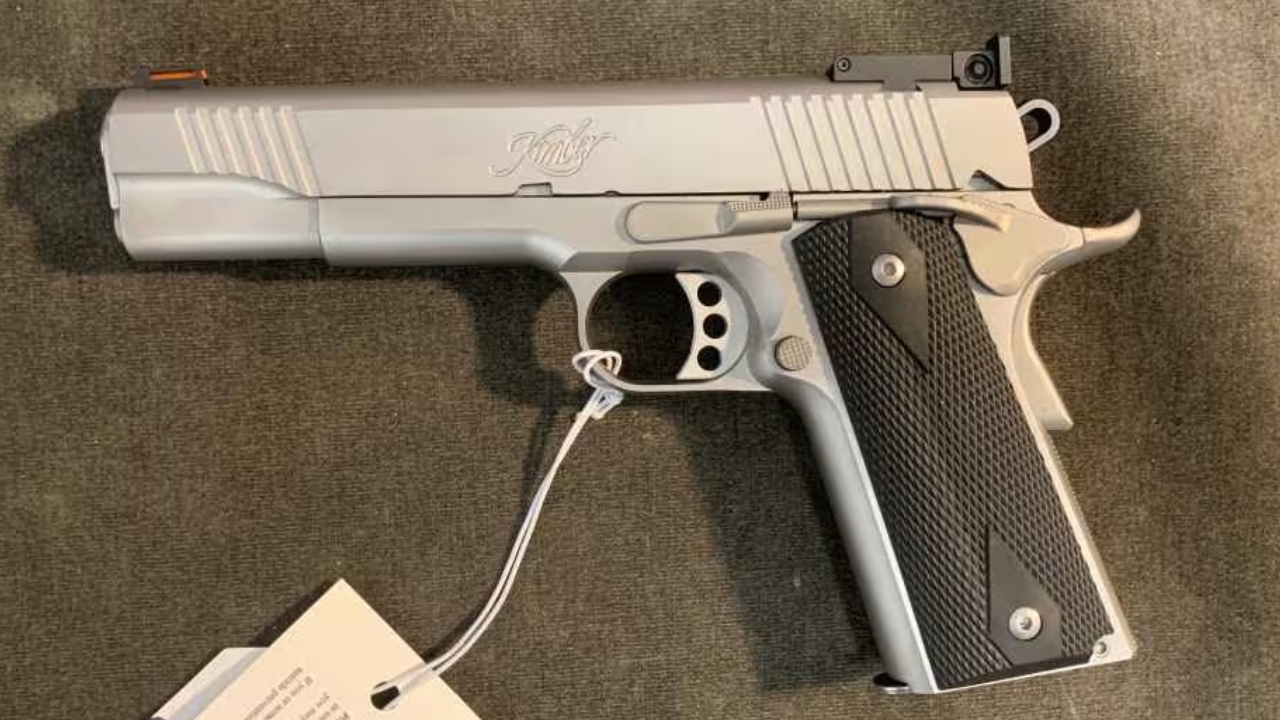
Kimber knows how to make a gun look good in the case. Stainless finishes, two-tone slides, rosewood grips, polished flats, night sights, melted carry edges, and special editions have all been part of the appeal. A Kimber often looks more expensive than a plain working pistol sitting beside it.
That is not a shallow point. Looks sell guns, especially 1911s. The 1911 market is emotional. People want function, but they also want a pistol that feels personal. Kimber understood that better than a lot of companies. Even shooters who criticize the brand usually admit Kimber knows how to make a pistol catch your eye.
6. The Break-In Conversation Follows Kimber Everywhere
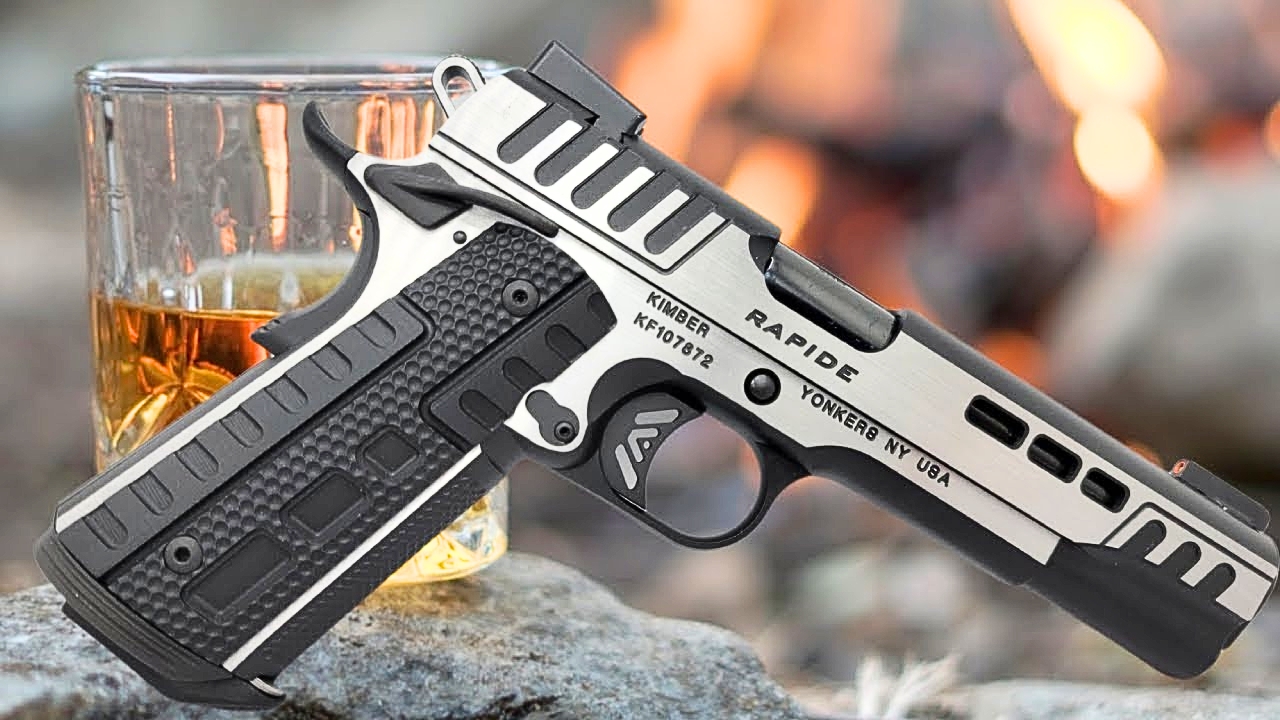
Kimber has long been associated with the idea of a break-in period on tight 1911s. Some owners say their pistols smooth out and run well after a few hundred rounds. Critics argue a defensive pistol should run right from the start without excuses. That argument has followed the brand for years.
This is one of those Kimber debates that will not die because both sides have real experiences. Some Kimber owners have pistols that run beautifully. Others had guns that were picky or frustrating early on. The smartest buyer treats any 1911 seriously: test it hard with the magazines and defensive loads you plan to use before trusting it.
7. Kimber’s Tight Fit Can Be a Strength and a Weakness
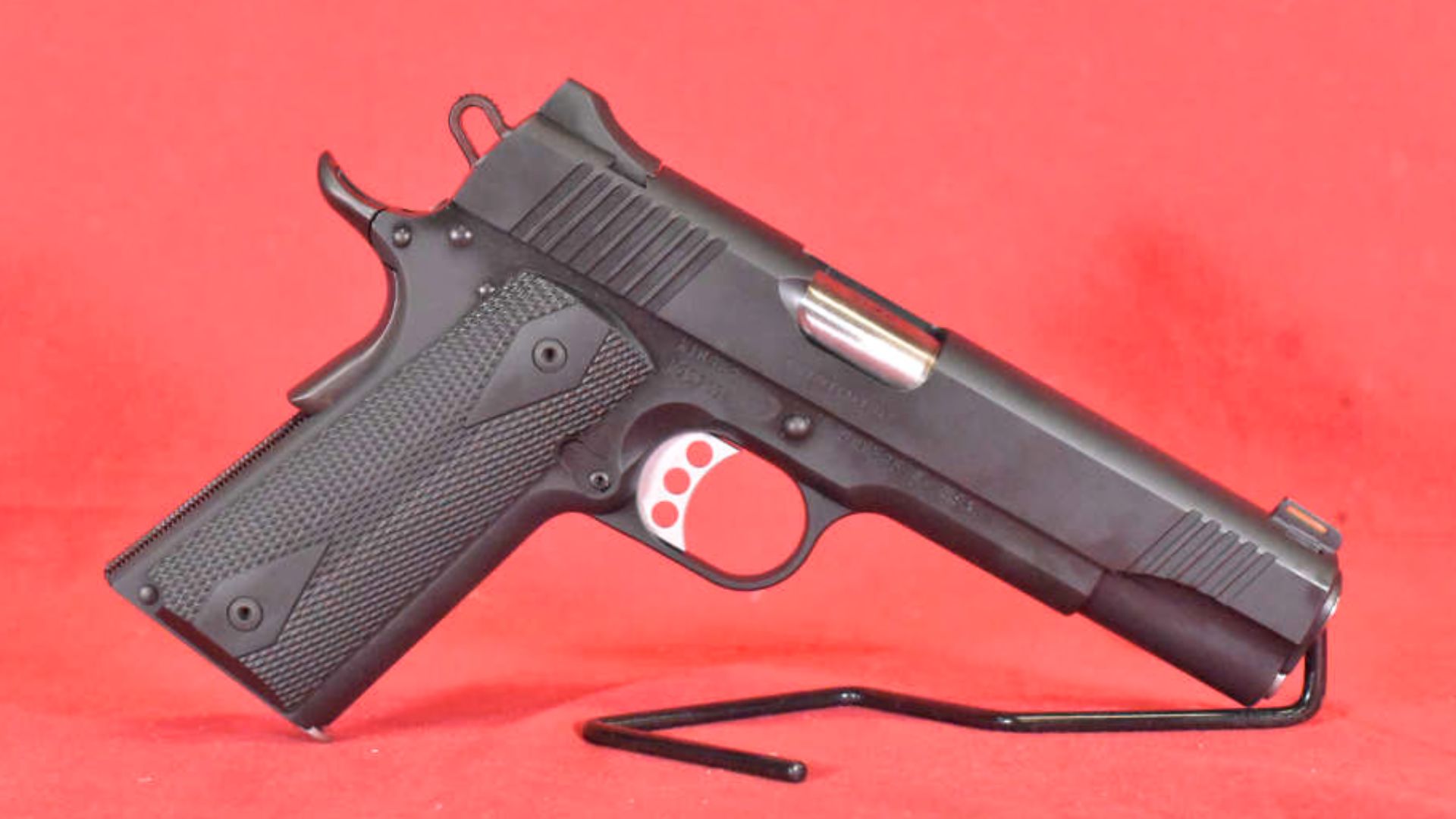
Kimber pistols often appeal to buyers because they feel tight. The slide-to-frame fit, barrel lockup, and overall finish can make the gun feel more refined than a loose, basic 1911. That tight feel is part of the brand’s appeal.
But tight guns can also be less forgiving if something is off. A 1911 that is fit closely may need proper lubrication, good magazines, quality ammo, and enough range time to prove itself. That does not make Kimber bad. It means buyers need to understand the platform. A 1911 is not a Glock, and a tight 1911 is not always the best choice for someone who wants zero-maintenance simplicity.
8. Kimber Uses Modern Manufacturing, Including MIM Parts
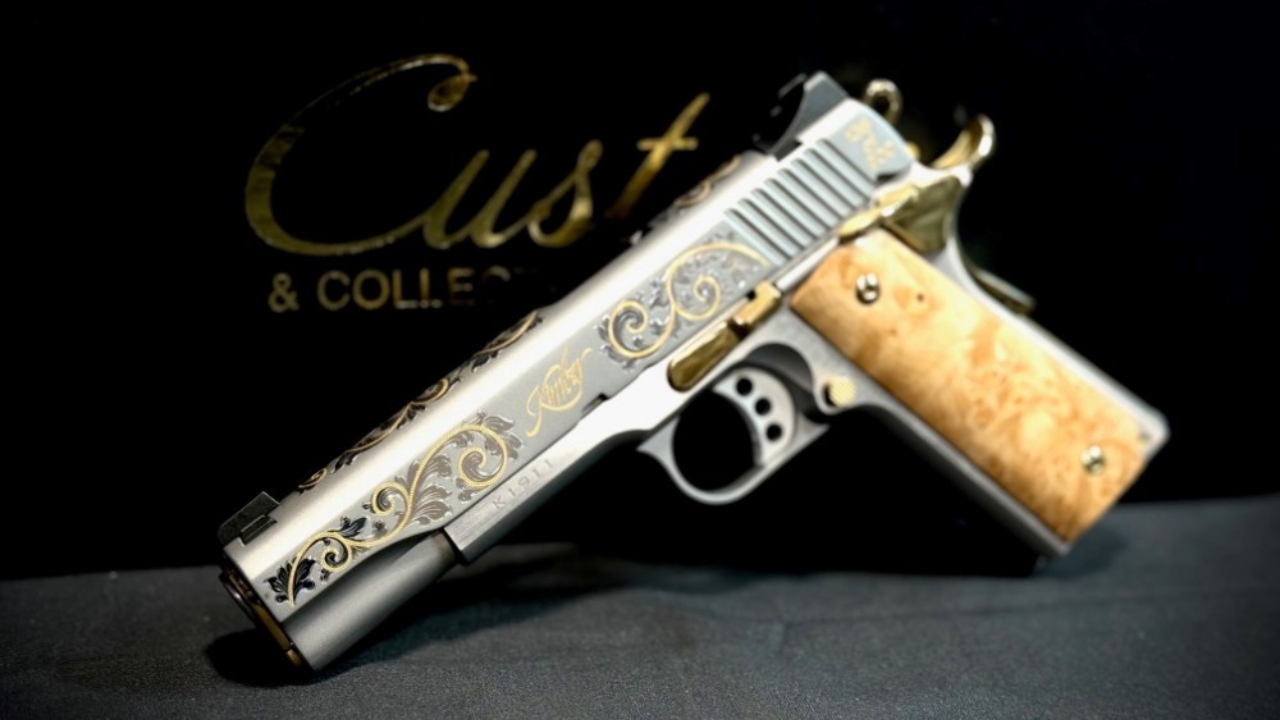
One common complaint about Kimber involves MIM, or metal injection molded, parts. Kimber has used MIM components in production 1911s, which helped keep costs lower while still offering pistols with premium-looking features. MIM itself is not automatically bad, but some 1911 purists strongly prefer forged or machined tool-steel small parts.
This debate gets heated because 1911 buyers can be picky. A well-made MIM part can work fine. A poorly made small part can fail no matter how it was manufactured. Kimber’s use of modern manufacturing is part of how it offered feature-rich 1911s at production prices, but it also gave critics a talking point that never fully went away.
9. Kimber Pistols Have Seen Serious Professional Use

Kimber is not only a gun-counter beauty brand. Kimber pistols have been used by serious law enforcement and military-related units. Public summaries of Kimber history note past use by LAPD SWAT and Marines assigned to Special Operations Command, along with other agency approvals.
That does not mean every Kimber model is automatically a duty gun, and it does not erase criticism. But it does show the brand has had real professional credibility at different points. Kimber’s 1911 reputation was not built only on looks. Some of its pistols were selected and used by people who took sidearms seriously.
10. The LAPD SWAT Connection Gave Kimber Serious Street Cred
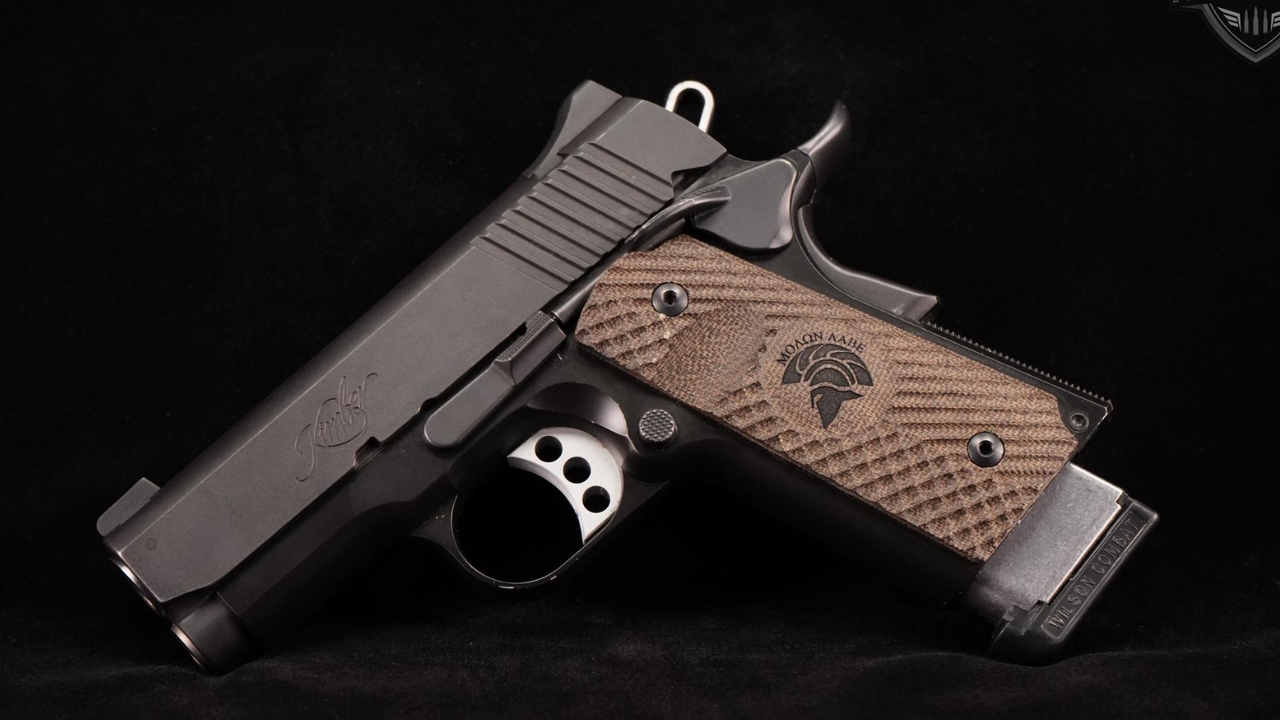
One of Kimber’s strongest professional-use stories is its LAPD SWAT connection. Kimber built pistols tied to LAPD SWAT specifications, and that helped give the brand credibility among shooters who cared about serious 1911 use.
That mattered because LAPD SWAT was not a random endorsement. A pistol tied to that kind of unit gave Kimber a stronger image than ordinary marketing could. Even today, Kimber fans often point to those professional-use connections when defending the brand. It is one of the reasons Kimber’s reputation is more complicated than “pretty guns with problems.”
11. Kimber Is Still a Rifle Company Too

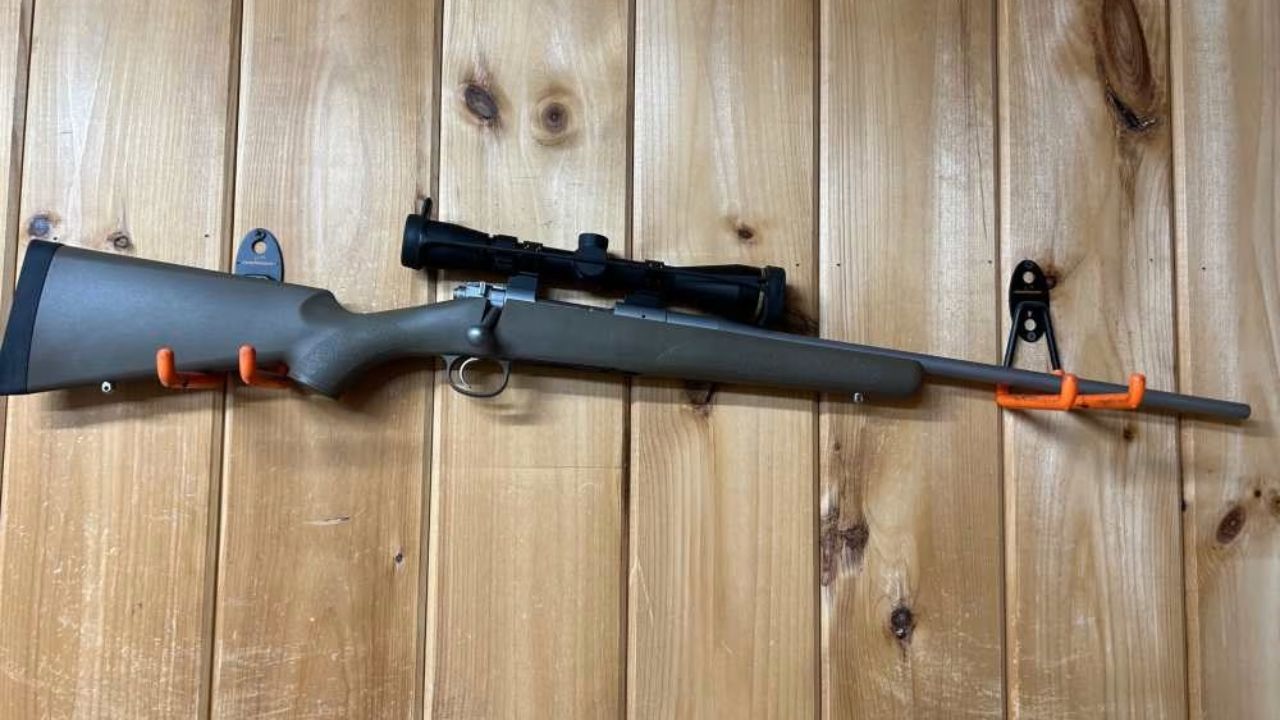
Kimber’s modern rifle line is easy to overlook because the 1911s get so much attention. But Kimber still sells rifles aimed at hunters and shooters who want lightweight, higher-end sporting rifles. The company’s rifle page still frames Kimber around fine sporting firearms and classic-quality manufacturing.
That rifle side matters because it connects modern Kimber back to the original Oregon roots. Kimber rifles are not usually budget rifles. They tend to appeal to hunters who want lightweight mountain rifles, nice stocks, controlled-round-feed-style appeal in some lines, and a more premium hunting-rifle feel. The rifle story never fully disappeared.
12. Kimber Moved Its Headquarters to Alabama
Kimber announced plans to build in Troy, Alabama, in 2018, and in 2020 the company moved its corporate headquarters there. American Rifleman reported that Kimber completed the headquarters move to Troy, Alabama, in October 2020, after previously announcing the Alabama facility to expand manufacturing capacity.
That move matters because Kimber had long been tied to New York manufacturing in many shooters’ minds. Moving headquarters to Alabama gave the brand a new chapter and fit a broader trend of gun companies shifting operations toward more firearm-friendly states. It also made Kimber’s current identity less tied to the Yonkers era than some older buyers remember.
13. Kimber’s K6s Revolver Was a Surprising Move

Kimber surprised a lot of shooters when it entered the revolver market with the K6s. A company known mostly for 1911s and rifles suddenly introduced a compact .357 Magnum revolver with a six-shot cylinder in a size class often dominated by five-shot snubs.
That was a bold move because revolver buyers are not easy to impress. They compare everything to Smith & Wesson, Ruger, and Colt. Kimber did not just slap its name on a generic wheelgun. It tried to build a premium compact revolver with smooth lines, good sights on some models, and serious carry appeal. That helped show Kimber was willing to reach beyond 1911s.
14. Kimber Divides Shooters Because Expectations Are High
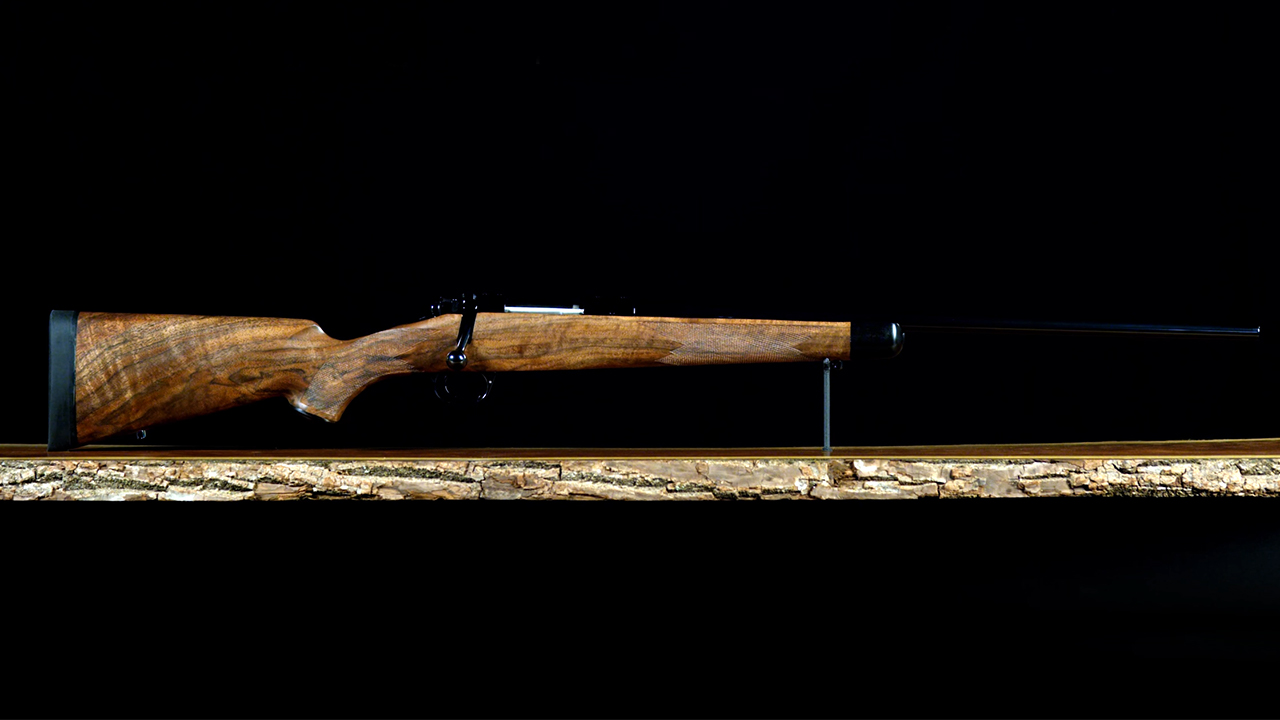
Kimber gets argued about because expectations are high. When a gun looks premium, costs more than entry-level options, and carries custom-style features, buyers expect it to run perfectly and feel special. If it does, they become loyal. If it does not, they get loud.
That is the Kimber problem and the Kimber advantage. The brand sells aspiration. Buyers are not only purchasing a tool. They are buying the idea of a refined 1911 or hunting rifle. That creates emotional attachment, but it also creates harsher criticism when the gun disappoints. Few brands live in that tension quite like Kimber.
15. Kimber’s Real Story Is More Than the Internet Arguments
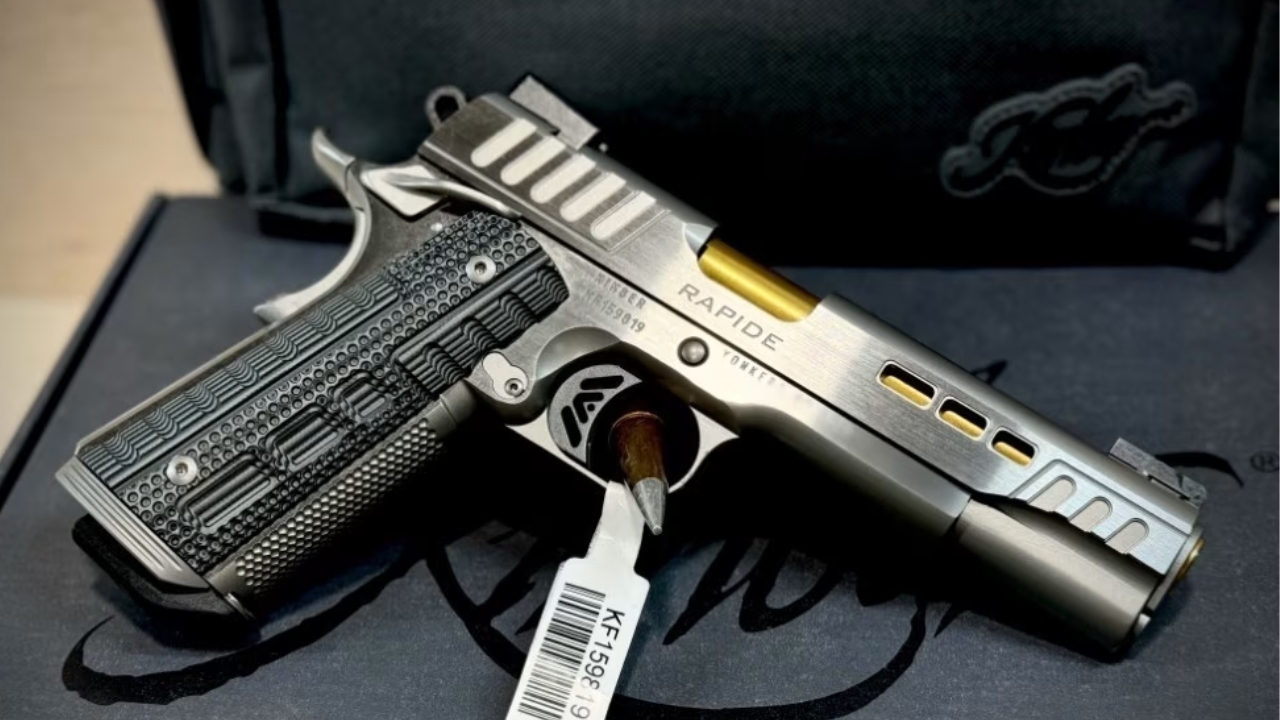
The biggest thing most shooters do not know about Kimber is that the brand is more than the online fight around 1911 reliability. Kimber started with rifles, rebuilt itself around 1911 pistols, gained real professional-use credibility, expanded into revolvers, moved its headquarters to Alabama, and kept selling guns that buyers clearly still want.
That does not mean every Kimber is perfect or that critics are imagining things. Kimber has had real reputation battles. But the brand also changed the production 1911 market and gave shooters a lot of attractive, feature-rich pistols at prices below true custom guns. Kimber is complicated, and that is exactly why people keep talking about it.
Like The Avid Outdoorsman’s content? Subscribe to our newsletter so you never miss an article.
Here’s more from us: