Photo credit: Karlo Curis/ShutterStock.com
Crankbaits can flat-out catch fish—but only if you know how to use them right. They’re more technical than they look, and it doesn’t take much to mess up your chances. A bad retrieve, the wrong line, or even a poorly chosen color can send bass packing. And if you’re not paying attention to what your bait’s doing in the water, you could be wasting time without realizing it.
If you’ve been missing strikes or coming up short, these common crankbait mistakes might be the reason.
Fishing Too Fast in Cold Water

Speed matters with crankbaits, and ripping them through cold water is a recipe for nothing but follows. Bass get sluggish in colder temps, and a high-speed retrieve doesn’t give them enough time to commit. They’ll track it for a bit, then back off.
Slow it down and let the wobble do the work. You still want a natural presentation, but one that gives fish time to study it without feeling rushed. That slower roll can be the difference between a chase and a strike.
Using the Wrong Line Type
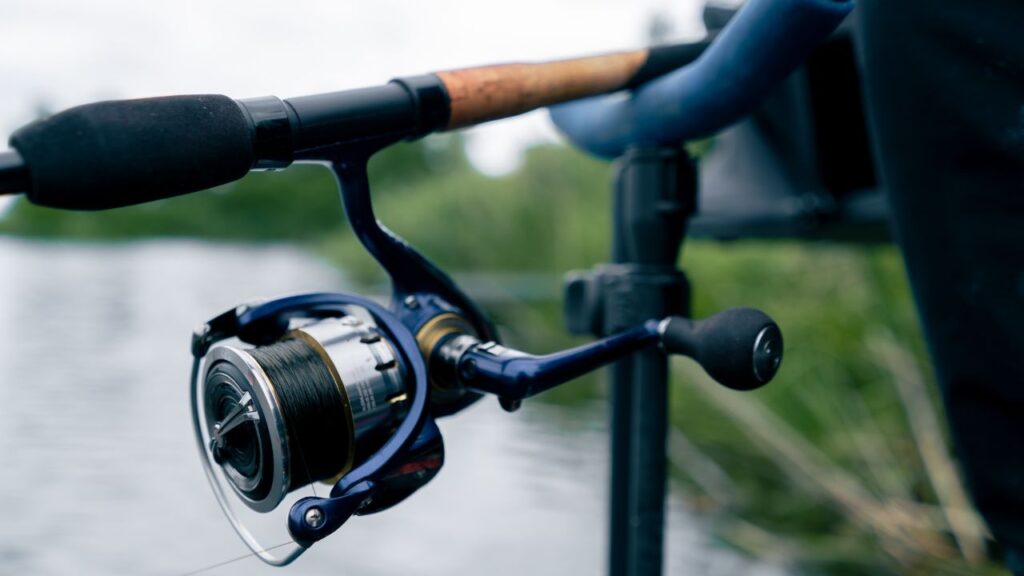
Your line changes the way your crankbait performs. If you’re using braid, your bait might ride higher and feel stiff on the retrieve. That can mess with its action and take away from the natural look you’re going for.
Fluorocarbon is usually your best bet. It sinks, has some stretch, and transmits strikes well without ruining the bait’s movement. Mono can work too in certain situations, but knowing the difference—and choosing the right one—makes a noticeable difference in hookup ratio.
Ignoring Depth Ranges
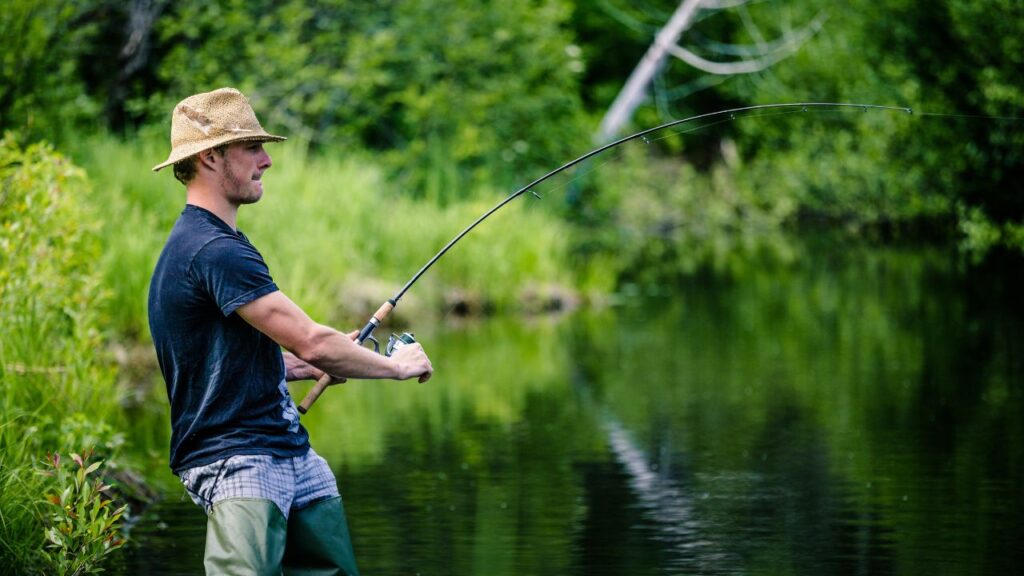
Crankbaits are built to run at specific depths. If your bait’s skimming a few feet above where the fish are holding, you’re not going to see much action. And if it’s digging bottom in the wrong spot, you’re probably just stirring up mud.
Match your crankbait to where the fish are, not where you think they should be. If they’re suspended at 10 feet, a 6-foot diver isn’t going to cut it. Knowing how deep your bait runs is key to staying in the strike zone.
Failing to Tune Your Bait
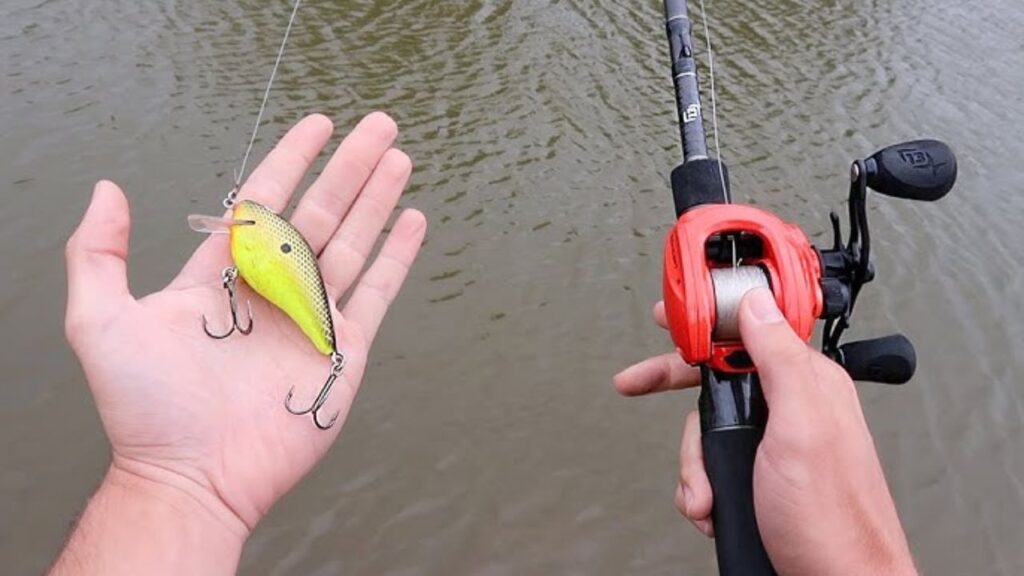
If your crankbait starts veering off to one side or spiraling out, you’ve got a tuning issue. That bait needs to run straight to stay believable. A bent eyelet or worn bill can throw off the whole action.
It doesn’t take much to fix. Use a pair of pliers and make micro-adjustments to the eye until the bait tracks true. A quick check before you cast can save you a lot of wasted effort and missed fish.
Throwing the Same Color Every Time
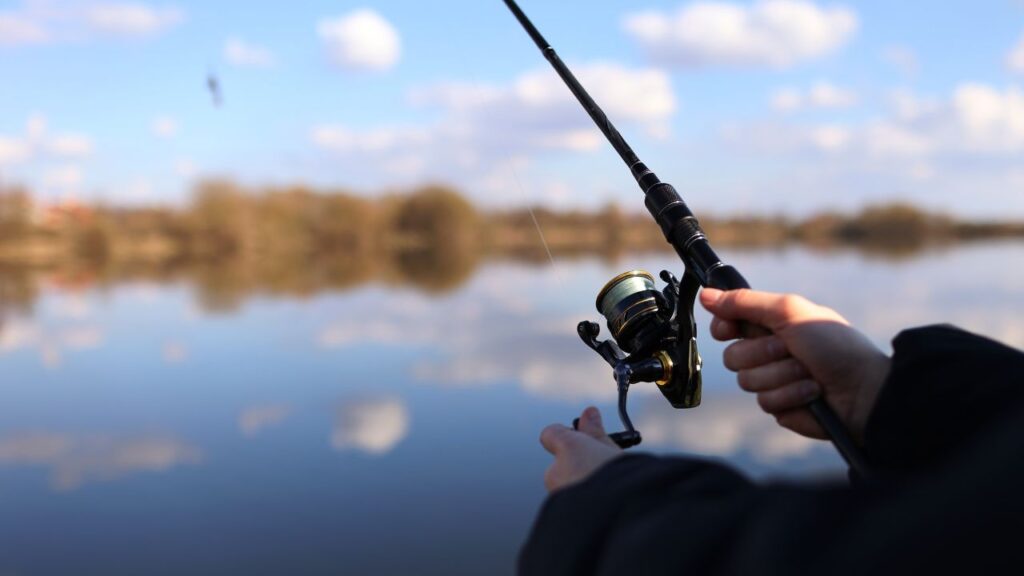
Water clarity and light conditions should guide your color choice. If you’re tossing the same crankbait every trip, you’re probably missing out. Bright, clear water calls for natural tones. Stained or muddy water needs something louder.
Shad patterns work well in a lot of situations, but don’t be afraid to go with chartreuse, craw, or firetiger when the water calls for it. You’re trying to trigger a reaction—visibility plays a bigger role than you think.
Using the Wrong Rod for Cranking
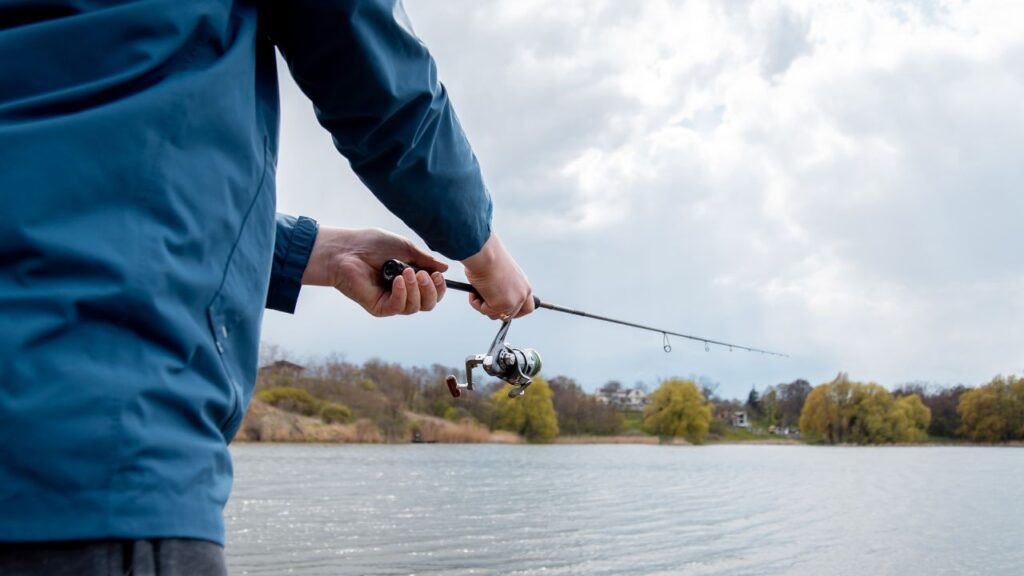
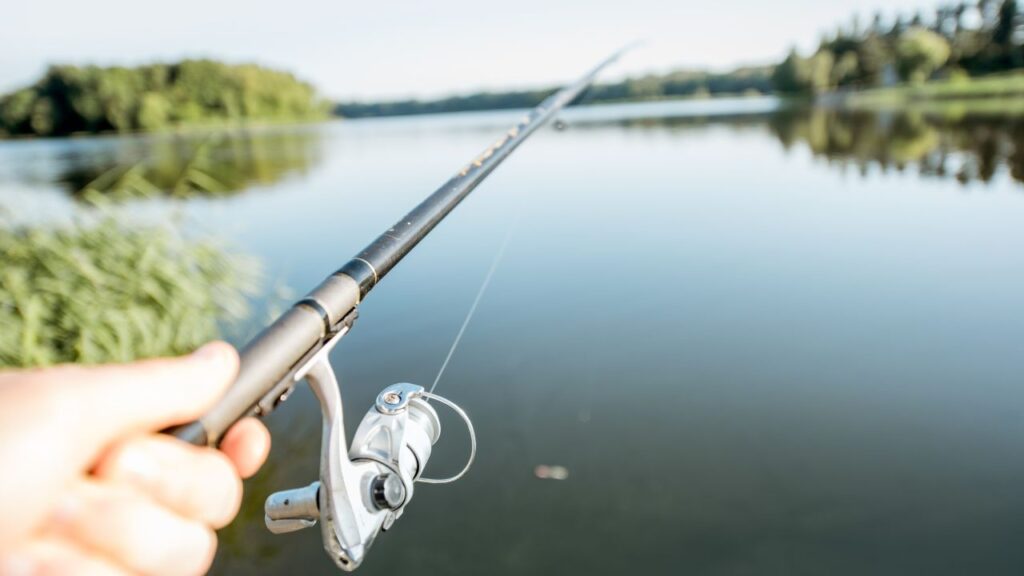
Cranking with a stiff, fast-action rod can cost you hookups. These baits need a rod with some give—a moderate or moderate-fast action helps keep the treble hooks pinned without ripping them out.
You want that parabolic bend to absorb the surge when a fish shakes its head. It also lets your bait move more naturally in the water. If you’re using your flipping stick for crankbaits, you’re probably losing fish that should’ve stayed on.
Skipping Structure That Holds Fish
Too many guys throw crankbaits in open water and hope for a miracle. That’s not where crankbaits shine. You need to be ticking rocks, bouncing off timber, or ripping through grass lines to get the reaction you want.
Fish relate to structure, and crankbaits are built to get right in there. Don’t be afraid to risk a snag—some of the best strikes come right after a deflection. If your bait’s not hitting anything, you’re fishing it wrong.
*This article was developed with AI-powered tools and has been carefully reviewed by our editors.