Image Credit: Kichigin/Shutterstock.com
Bank fishing for largemouth bass can be just as productive as fishing from a boat—if you know what you’re doing. Without the luxury of cruising around the lake, you need to be smart about where and how you fish. The right strategies can help you cover more water, reach deeper fish, and land more bass. Here are 10 bank fishing hacks that will give you an edge next time you hit the water.
Pack Light and Stay Mobile

One of the biggest mistakes bank anglers make is bringing too much gear. When you’re stuck in one spot, you’re limiting your chances. Instead, pack a small tackle bag with just the essentials so you can move quickly and cover more water.
Fish aren’t always hanging out in one place, so you need to stay mobile. If you’re not getting bites within 15–20 minutes, move to a new location. The more ground you cover, the better your chances of finding active fish.
Look for Structure Along the Shoreline

Just like bass gravitate to cover in deep water, they do the same along the bank. Keep an eye out for fallen trees, overhanging branches, weed lines, and docks. These areas provide shade, ambush points, and plenty of food.
Cast parallel to the shoreline instead of straight out. This keeps your bait in the strike zone longer, making it more likely a bass will commit. The more you target structure, the better your results will be.
Use a Longer Rod for Extra Casting Distance

When you’re fishing from the bank, reaching deeper water can be a challenge. A longer rod—something in the 7’ to 8’ range—helps you get more distance on your casts, letting you reach fish that are further out.
A longer rod also gives you better control over your lure, especially when fishing soft plastics or topwater baits. You’ll have more leverage when setting the hook, which can make a big difference when pulling bass through thick cover.
Fish During Low-Light Hours

Largemouth bass are most active during early morning and late evening when the light is low. This is when they move closer to shore to hunt for food, making it the perfect time for bank fishing.
Midday fishing can still work, but you’ll need to focus on shaded areas or deeper water. If you want to maximize your chances, hit the water at sunrise or sunset when bass are more aggressive.
Use a Stealthy Approach
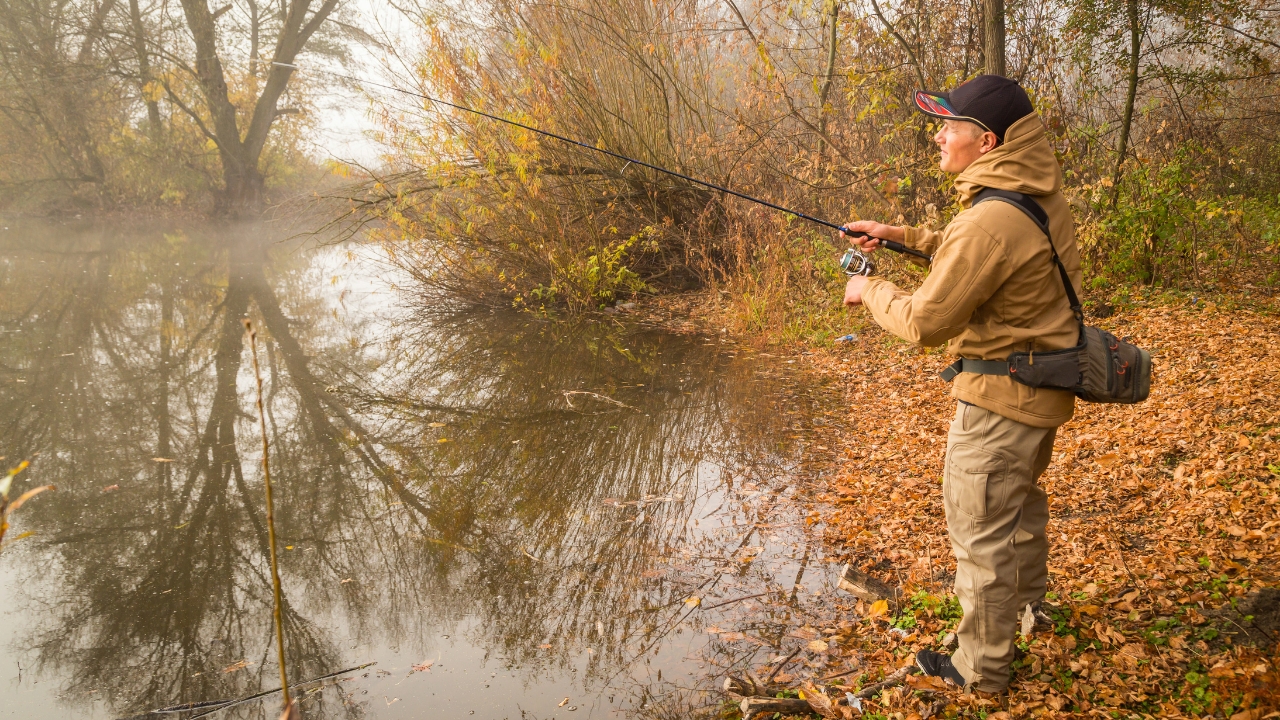
Bass are wary of sudden movements and noise, especially in shallow water. If you stomp around or cast a big shadow over the water, you’ll spook them before you even get a chance to fish.
Approach your spot quietly, keeping a low profile. Avoid making loud splashes when casting, and if possible, stay a few feet back from the water’s edge. A little stealth goes a long way in catching more bass.
Master the Texas Rig for Bank Fishing

The Texas rig is one of the most effective setups for bank fishing because it’s weedless and can be fished in almost any condition. Whether you’re casting into grass, wood, or rocky bottoms, it keeps your bait snag-free while presenting a natural look.
Pair it with a soft plastic like a worm, craw, or creature bait. Work it slow along the bottom, making short hops to trigger strikes. This setup is perfect for covering shallow and deeper water from the bank.
Bring Waders for Better Access

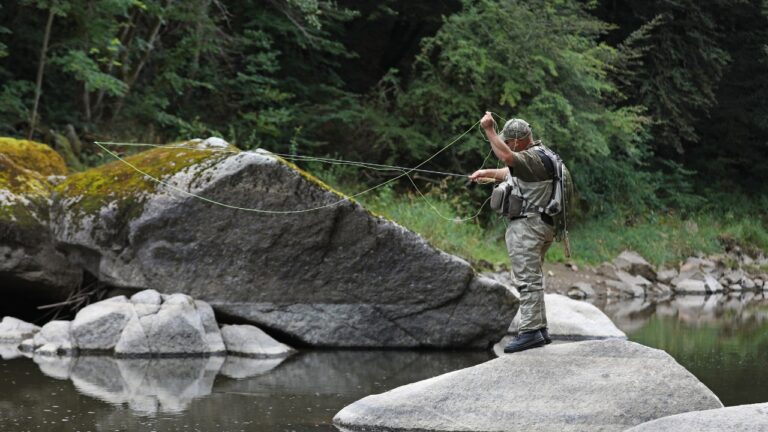
Sometimes, the best fishing spots aren’t right at your feet. If you have a pair of waders, you can step into the water to reach better angles and cast to areas that are normally out of reach.
Wading also helps when you need to retrieve a snagged lure or land a fish in tricky terrain. Just be mindful of the bottom structure—mud, rocks, and sudden drop-offs can make things tricky if you’re not paying attention.
Try a Weightless Soft Plastic for a Natural Presentation

Weightless soft plastics, like a weightless Senko, glide through the water naturally, making them deadly for pressured bass. They fall slowly, giving bass more time to react and strike.
These baits work best in calm water near structure. Cast them near weed edges, logs, or docks, and let them sink on a slack line. Give them subtle twitches to imitate a struggling baitfish or an easy meal.
Use the Wind to Your Advantage

Wind can be frustrating, but it actually helps you catch more fish if you use it right. Wind pushes baitfish toward the shore, and bass follow. If you see wind blowing into a bank, that’s a prime spot to fish.
Cast into the wind and retrieve with it to make your lure move more naturally. Topwater lures, spinnerbaits, and crankbaits work well in these conditions. Don’t fight the wind—use it to bring the fish to you.
Keep a Few Rods Rigged and Ready
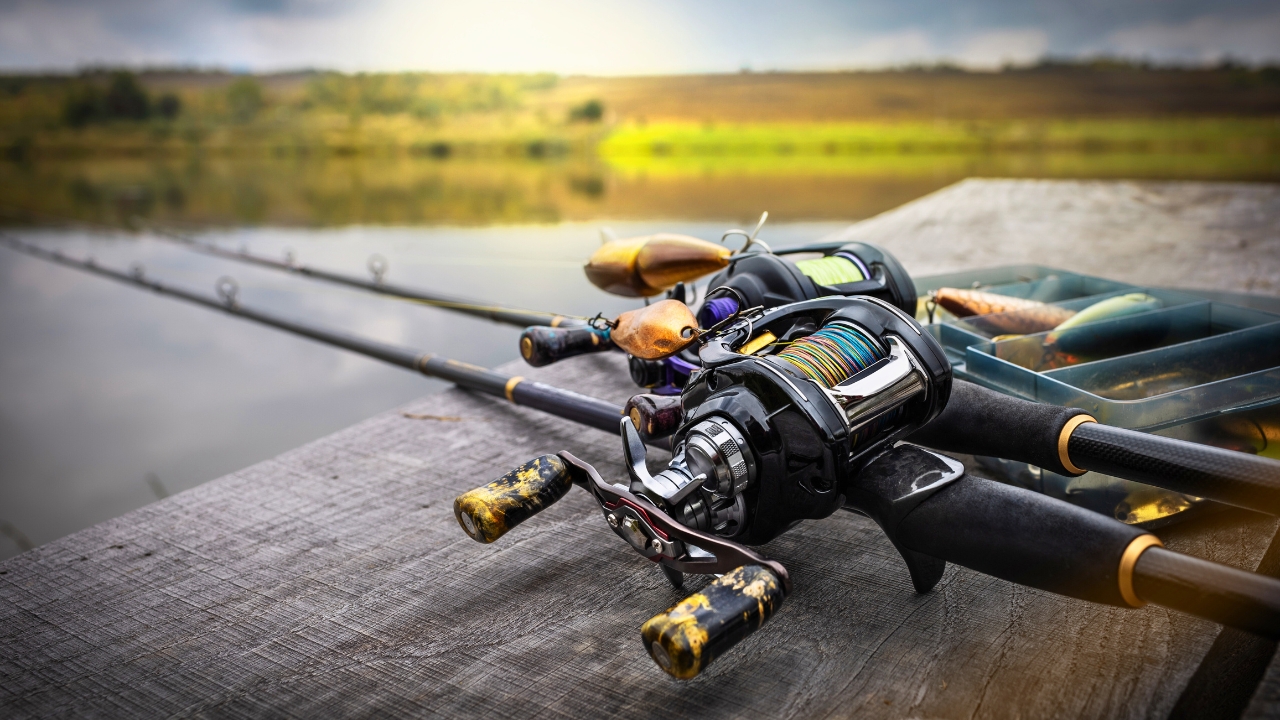
If you want to fish efficiently, don’t waste time constantly tying new lures. Bring a couple of rods rigged with different setups so you can quickly switch based on conditions.
For example, one rod can have a Texas rig for slow fishing, another with a spinnerbait for covering water, and a third with a topwater lure for early morning action. This way, you’re always ready to adapt without breaking your rhythm.
*This article was developed with AI-powered tools and has been carefully reviewed by our editors.