Photo credit: SixRounds Studio/YouTube
Discontinued guns don’t climb in value because someone posts a screenshot of an auction and declares it “collectible.” They climb when a real mix of things lines up: the supply is fixed, the gun has a reputation you can’t fake, parts and magazines are getting scarcer, and a new wave of shooters suddenly wants the exact model they grew up seeing in movies, in deer camps, or in a parent’s nightstand.
The funny part is how quiet it can be. A lot of these guns don’t look flashy. They look familiar. That’s the trap. You see one on a table and think it’s still a normal used-gun buy, until you start comparing condition, box papers, and the little details collectors care about. Then you realize the market moved while you weren’t looking.
HK P7

The HK P7 is the definition of a pistol that feels like a tool made by people who didn’t cut corners. It carries flat, points naturally, and has a reputation for accuracy that keeps showing up even in well-used examples. Once you shoot one, you understand why owners hang onto them.
The value climb is about scarcity and condition. Police trade-ins dried up, clean examples with correct parts are harder to find, and the squeeze-cocker system makes it feel different than anything modern. Add in magazines that aren’t cheap and you’ve got a gun that collectors chase while regular shooters still want it as a carry piece. That overlap pushes prices up faster than people expect.
Browning Hi-Power

The Browning Hi-Power sits in that sweet spot where history, shootability, and looks all matter. It’s one of the most proven 9mms ever made, and it still feels right in the hand. Even people who don’t care about collecting tend to appreciate what it is once they handle a good one.
Values rise because the original production era is over, and collectors care about details. Belgian guns, certain markings, clean bluing, matching numbers, and correct grips can change the price in a hurry. There are modern reissues and clones, but they don’t replace the demand for true Brownings and FN-made pistols. When you find one that hasn’t been “improved” with questionable mods, it gets attention fast.
Swiss SIG P210

A Swiss P210 is one of those pistols that makes you slow down the first time you rack it. The fit is tight, the machining is clean, and accuracy is the feature you feel immediately. It’s a target pistol that still carries real-world credibility, and that combination keeps demand strong.
The market jump is tied to how few clean examples exist compared to how many people want one. Collectors want Swiss-made originals with correct markings and condition. Shooters want them because they’re still legitimately good on the range. When a gun is both a collector piece and a shooter’s piece, it rarely stays cheap. If you see one with its box and papers, the asking price tends to climb fast.
Colt Diamondback
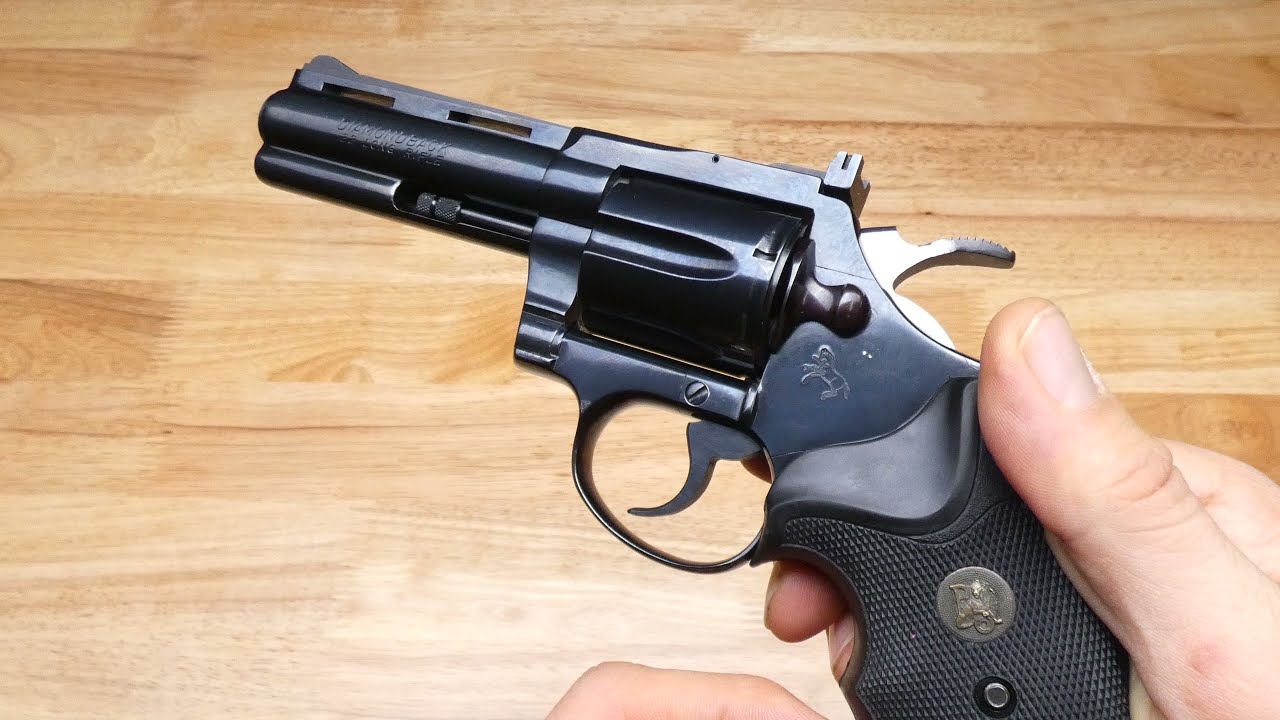
The Diamondback looks like a smaller Python, and that’s exactly why it keeps climbing. It has that classic Colt revolver profile, a slick action when it’s in good shape, and a vibe you can’t recreate with modern production. It also fits the era people are nostalgic for right now.
What drives value is condition and originality. A clean Diamondback with correct finish and no amateur gunsmith work is getting harder to find, because so many were carried, used, and refinished. Barrel length and caliber matter too, and collectors pay attention to those details. When you spot one that still looks sharp and hasn’t been beat up, it tends to price itself like a “serious” Colt, not like a random old wheelgun.
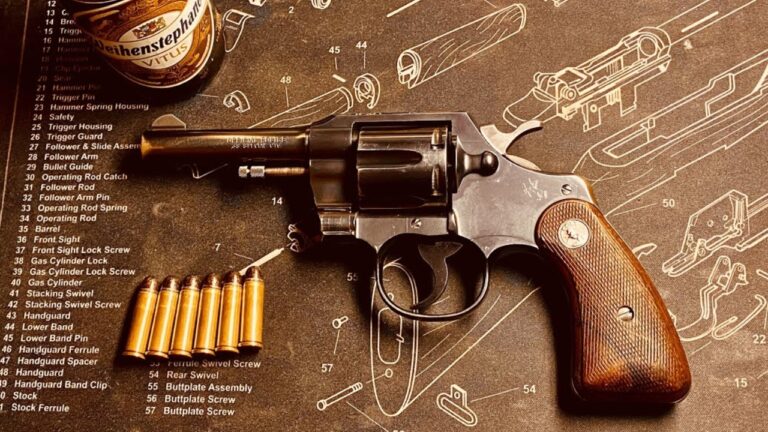
Colt Detective Special

The Detective Special is a carry revolver from a time when carry revolvers were built like they mattered. It has real shootability for its size, a classic profile, and a reputation for being a working gun that didn’t feel flimsy. That mix keeps it desirable for collectors and for people who still carry revolvers.
Prices move because the supply is done and the demand is steady. Snub-nose Colts also attract buyers who want something different than the usual small-frame options. Condition matters a lot, because many of these lived hard lives in pockets and holsters. Original finish, tight lockup, and a clean action change everything. When you find one that hasn’t been shot loose, you’re looking at a revolver that’s becoming harder to buy casually.
Colt Woodsman

The Colt Woodsman is one of those .22 pistols that feels better than it has any right to. The balance is excellent, the trigger can be outstanding, and it carries that old-school Colt quality people chase. It’s also a gun that a lot of hunters and outdoorsmen grew up seeing, which keeps the emotional demand strong.
The value climb is tied to condition and the fact that people actually used them. Many Woodsmen were carried, tossed in tackle boxes, and shot a lot. Clean examples with correct parts and a sharp finish are not common. Collectors want them, but plenty of shooters want one as a lifelong plinker that feels like a “real” pistol. That kind of demand does not fade, and it tends to push prices higher every year.
Ruger Security-Six

The Security-Six is quietly becoming the revolver people regret ignoring. It’s tough, reliable, and built for real use, with a frame that holds up well. It also hits a perfect nostalgia nerve: it feels like the revolver era you remember, not a modern display piece.
Values are climbing because Ruger stopped making them, and clean examples are getting thinner on the ground. A lot of Security-Sixes were duty guns or heavy-use range guns, so tight, clean ones stand out. The best part is they still make sense to own as shooters, not only as safe queens. When a discontinued gun remains practical, people buy it and keep it. That shrinks supply, and prices keep creeping up.
Smith & Wesson 5906
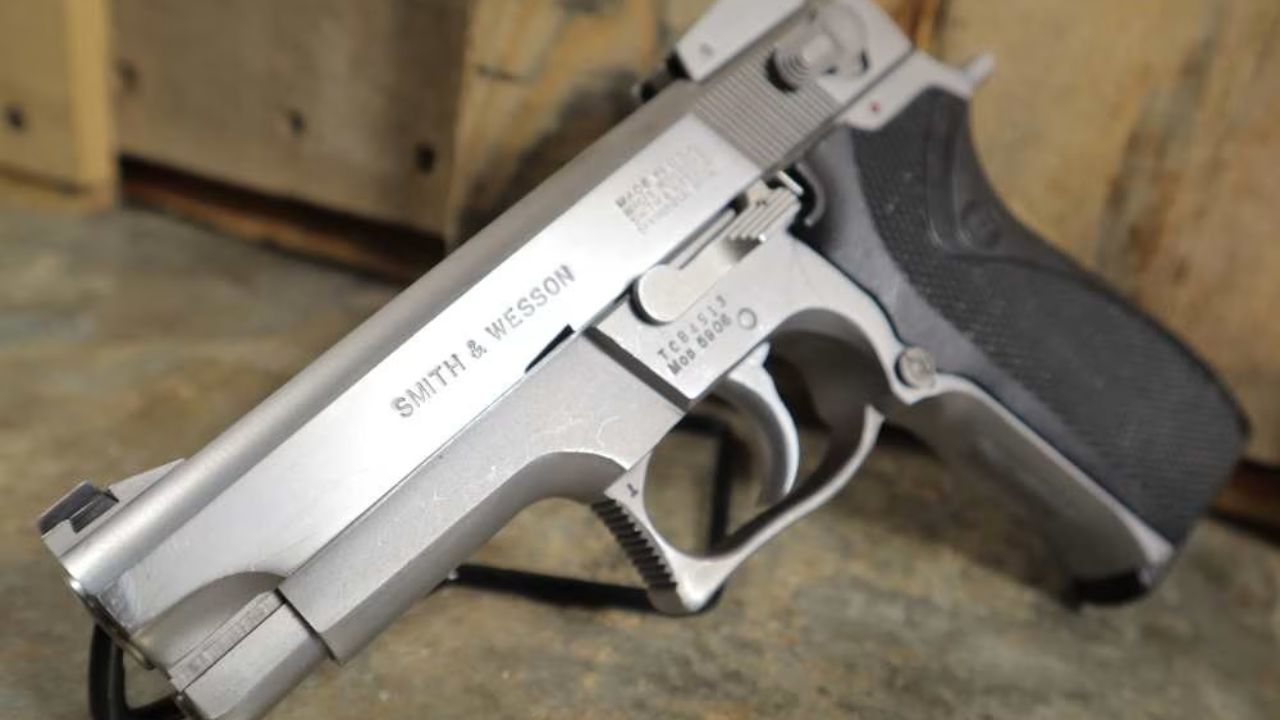
The 5906 is part of the third-generation S&W auto era, and that whole family is getting more love lately. It’s all steel, it runs hard, and it has that duty-pistol feel that modern polymer guns don’t replicate. A good 5906 still shoots flat and stays dependable.
The reason values rise is that production ended, agency trade-ins are not endless, and people are starting to appreciate how well these were made. Certain variants and configurations matter, and condition matters more than most sellers realize. When you find one with minimal wear, sharp markings, and good magazines, it’s no longer priced like a random used 9mm. The market has noticed, even if the average buyer has not.
Remington 7600

The Remington 7600 pump rifle is one of those “working man” guns that’s now getting collector attention because it’s gone. Hunters used them hard, especially in thick country where a fast follow-up shot mattered. They point quick, cycle fast, and they’ve put a lot of venison in freezers.
Values climb because Remington stopped making them, and the people who love them really love them. In certain regions, these rifles are part of the culture, and that demand doesn’t vanish when a model is discontinued. Condition is everything, because many were carried in trucks and hunted in bad weather. A clean 7600 with a good bore, solid wood, and a smooth action is turning into a “buy it when you see it” rifle.
Savage 99

The Savage 99 is a classic that keeps getting more expensive for one reason: there aren’t any new ones coming. It’s a smart design with a strong following, and it has real hunting history behind it. Even people who don’t collect can appreciate how well it carries and how naturally it handles.
The price jump is most obvious when you start looking at condition and chambering. Certain calibers and configurations bring serious money, and rifles with good blue and clean stocks stand out fast. The 99 also benefits from the lever-gun market in general getting hotter, which pulls attention toward quality older guns. If you find one that hasn’t been drilled up, chopped, or worn out, it’s not sitting on the rack for long.
Belgian Browning Auto-5
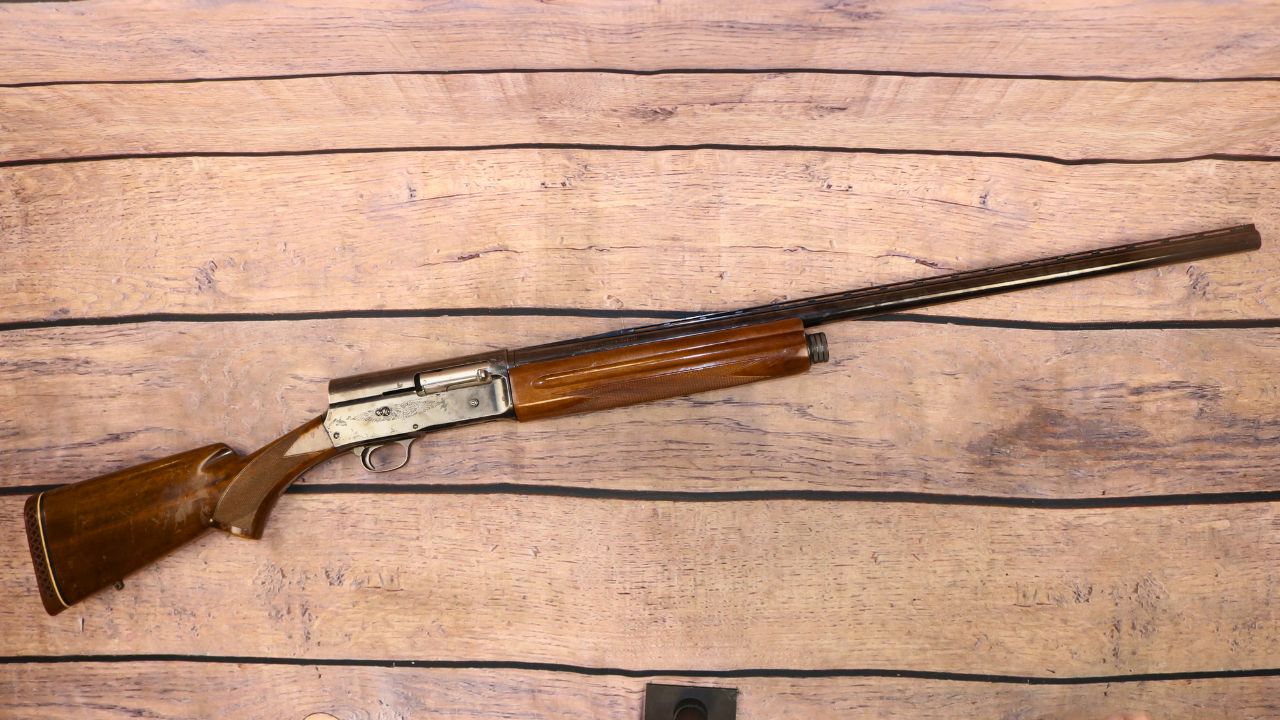
A Belgian-made Auto-5 has a feel that modern shotguns don’t duplicate. The humpback profile is iconic, and the guns themselves often show a level of finish that people miss today. They’re also tied to a lot of family hunting stories, which keeps demand strong across generations.
Values rise because “Belgian” on the gun means something to buyers, and clean examples are not getting easier to find. Many were hunted hard for decades, so the ones with sharp bluing, clean wood, and correct parts stand out. Barrel configuration and condition matter, and so do original markings and accessories. When a shotgun is both a real shooter and a nostalgia piece, it becomes a magnet for buyers who are willing to pay more than you’d expect.
Marlin 336 with JM marking

JM-marked Marlin 336 rifles have turned into their own category. People want the older build quality, the feel of the action, and the reputation those rifles earned in deer camps for decades. They’re still practical hunting rifles, not museum pieces, and that keeps demand wide.
The value climb is driven by two things: the supply is fixed and the “good ones” get kept. Condition matters more than ever because plenty of 336 rifles were used hard in rough weather. A clean rifle with sharp bluing, good wood, and a smooth action is getting harder to find at a casual price. Add in certain versions that people chase, and you start seeing asking prices that would have sounded ridiculous a few years ago.
Marlin 1895 with JM marking

JM-marked Marlin 1895 rifles are climbing for the same reason big-bore lever guns are hot: they’re useful and they’re fun. In .45-70, the 1895 has real hunting credibility, and it also scratches that classic American rifle itch. When you combine that with older production quality that people trust, prices move fast.
The collector side comes from condition and configuration. Rifles that haven’t been modified, that still have clean finishes, and that haven’t been shot loose bring more money. People also pay up for certain runs and versions, and they pay up again if the rifle comes with the box and papers. The common thread is that buyers don’t want a project. They want a clean, original lever gun that’s ready to hunt.
Pre-64 Winchester Model 70

Pre-64 Model 70 rifles have been valuable for a long time, but they keep climbing because collectors and shooters both want them. The controlled-round feed reputation is part of it, but the bigger part is the overall feel. A good pre-64 has a smoothness and balance that’s hard to explain until you run the bolt a few times.
The market jumps when you factor in originality. Rifles that haven’t been refinished, drilled wrong, cut down, or beat up are getting harder to find. Caliber and configuration matter, and buyers pay attention to small details that most casual sellers miss. A clean pre-64 is not only a collector rifle. It’s also a hunting rifle you can still carry with confidence. That mix keeps pushing prices upward.
Ruger Red Label

The Ruger Red Label is a discontinued over-under that keeps gaining attention because it’s one of the few American-made OUs that regular hunters actually used. It isn’t a delicate display gun. It’s a field shotgun, and it has a loyal following among people who want a rugged over-under without chasing high-end European pricing.
Values rise because they stopped making them and because clean examples don’t sit long. Many Red Labels were hunted hard, so condition matters a lot. A tight gun with clean bores, strong lockup, and good wood gets noticed quickly. You also see collectors paying more for certain gauges and configurations. When a discontinued shotgun is both practical and tied to a specific era of American production, the market tends to reward it.
Ruger Deerstalker carbine

The original Ruger .44 carbine, often called the Deerstalker, is a classic woods gun that keeps creeping up in price. It’s handy, it carries well, and it fits the kind of hunting where shots are quick and ranges are sane. A lot of people grew up around one, and that familiarity drives demand.
Prices climb because production ended long ago and many were used hard. Stocks got dinged, metal got worn, and plenty lived behind truck seats. Clean ones stand out, and they don’t stay available at “old gun” prices for long. The Deerstalker also sits in a niche that modern rifles don’t fill the same way. If you want a compact semi-auto .44 that feels like a classic hunting tool, the supply is limited, and buyers know it.
Like The Avid Outdoorsman’s content? Be sure to follow us.
Here’s more from us: