Photo credit: Green Mountain Guns/GunBroker
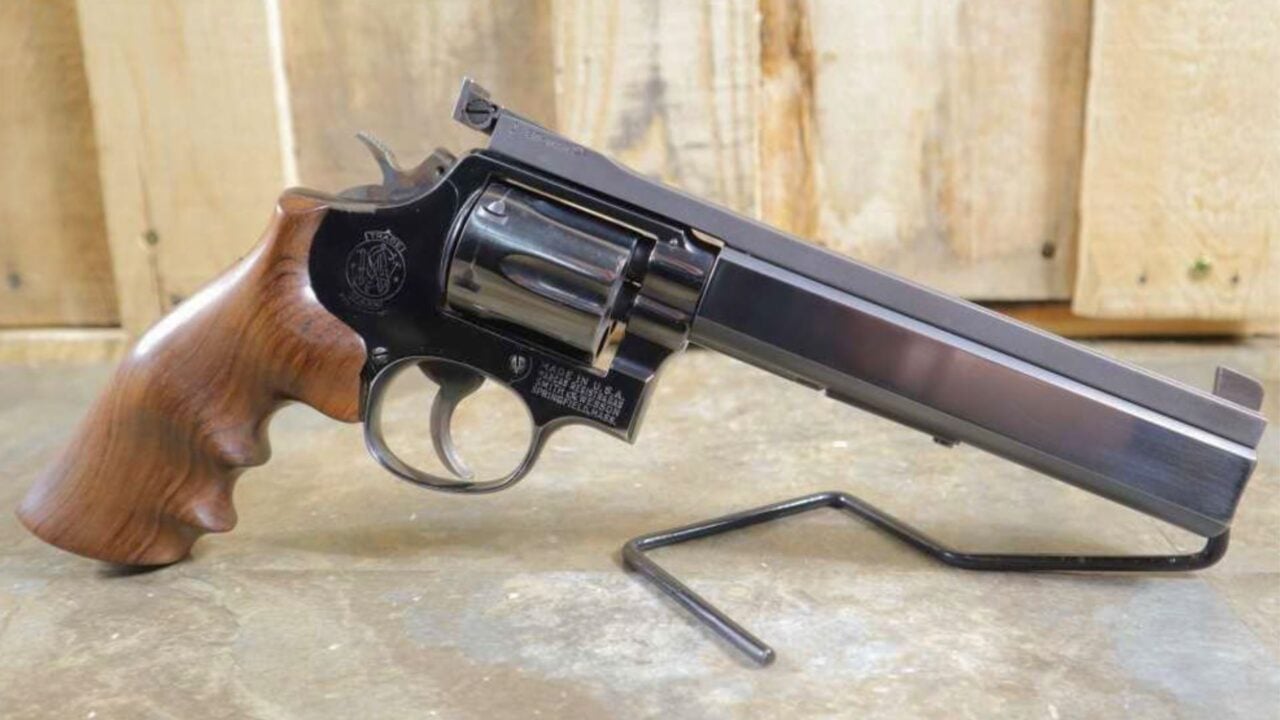
The Smith & Wesson Model 10 is one of those revolvers almost everybody recognizes, even if they do not realize how much history is tied to it. A lot of shooters know it as an old police wheelgun chambered in .38 Special, but that barely scratches the surface. This revolver has been around since the 19th century, helped define what a duty sidearm looked like for generations, and built a reputation for simplicity that newer guns still get compared against today. It is not flashy, and that is part of the reason it lasted so long.
What makes the Model 10 interesting is not just how common it became, but how many stories are tucked inside that long run. It changed names, saw wartime service, rode in police holsters all over America, and kept earning trust because it was easy to carry, easy to shoot, and hard to mess up. For a revolver that looks pretty plain at first glance, there is a lot going on once you start digging into it.
1. It was not originally called the Model 10

A lot of shooters assume Smith & Wesson launched it as the Model 10 from day one, but that is not how it started. The gun first appeared in 1899 as the .38 Hand Ejector Military & Police. That older name tells you a lot about what Smith & Wesson was trying to do with it. This was a working gun meant for serious use, not some range toy or commercial novelty. The “Military & Police” label also stuck around for a long time before the company shifted to its numbered model system.
That name change did not happen until 1957, which means the revolver had already built a massive reputation before “Model 10” was even stamped on it. So when somebody talks about an old Military & Police revolver, they are often talking about the same basic handgun that later generations would know as the Model 10. It is one of those guns whose history stretches across multiple eras under different names, which is easy to miss if you only know the modern label.
2. It helped introduce the .38 Special to the world

The Model 10’s story is tied directly to the rise of the .38 Special. Smith & Wesson began offering the revolver in that chambering in 1899, and that round would go on to become one of the most influential revolver cartridges ever made. Today that sounds normal, but at the time it was a big step. The .38 Special offered more performance than the .38 Long Colt and eventually became a law-enforcement standard for decades.
That matters because the Model 10 did not just happen to use a successful cartridge. It was one of the guns that helped make that cartridge famous in the first place. A lot of later revolvers owe their existence to the groundwork laid here. When shooters talk about classic American wheelgun rounds, the .38 Special is always near the top of the list, and the Model 10 was right there at the beginning helping establish that reputation.
3. More than six million of them were made
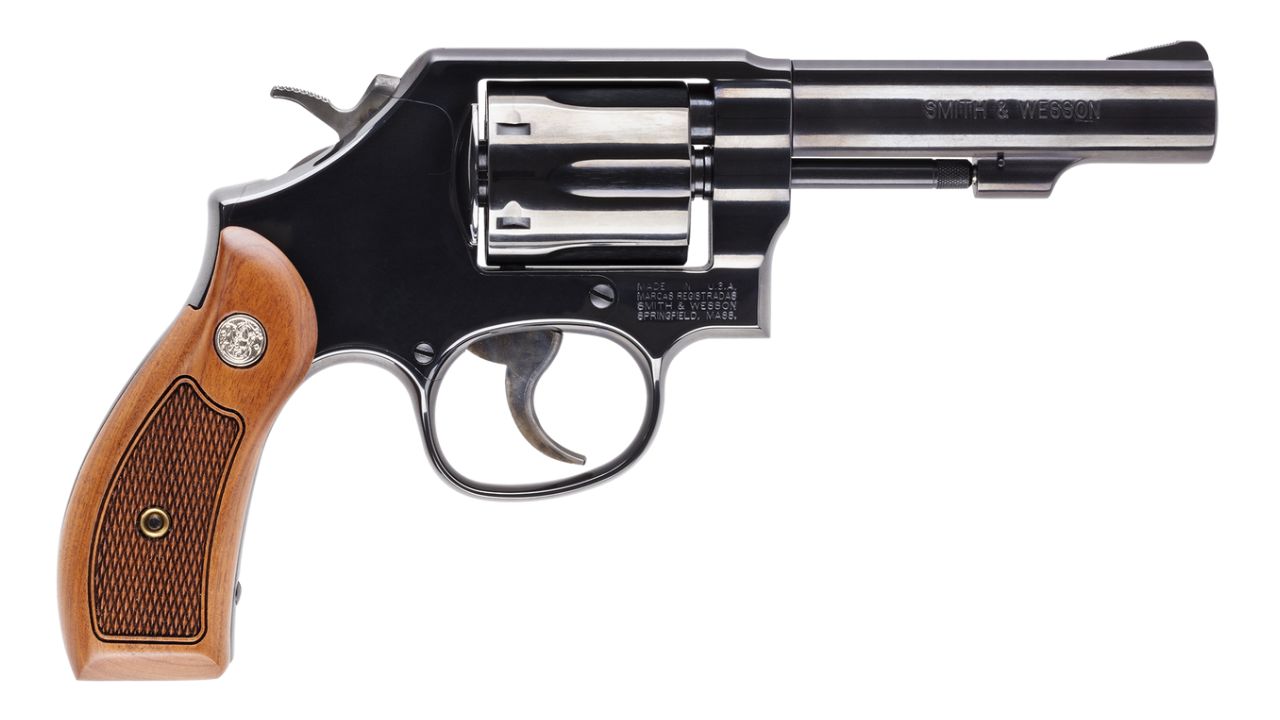
Plenty of old revolvers get called classics, but the Model 10 earned that title the hard way. Smith & Wesson says more than six million were produced, which is a staggering number for a revolver. That kind of production does not happen unless a handgun keeps proving itself useful across multiple generations. It was not a niche collector gun. It was a workhorse that showed up in duty holsters, drawers, armories, and security belts all over the place.
That production total also explains why the Model 10 still pops up so often in conversations, estate sales, police trade-in stories, and old family gun collections. It is not rare, but that is part of the charm. So many were made because so many people trusted them. The Model 10 was the kind of revolver departments bought in volume and regular people held onto for years. Numbers like that tell you this gun was not just successful. It was everywhere.
4. It is often called the most-produced handgun of the 20th century

The six-million-plus production figure is impressive on its own, but what really stands out is what that number represents. The Model 10 is widely described as the most-produced handgun of the 20th century. That is a huge claim when you think about how many major service pistols and revolvers came through that century, from military sidearms to police guns to cheap commercial handguns built in enormous numbers.
The reason the Model 10 could pull that off is pretty simple. It stayed relevant. It was around before the age of polymer pistols, before magnum fever, and before high-capacity semi-autos took over law enforcement. It managed to serve through all those changes because it did what people needed a duty gun to do. It pointed naturally, it shot a proven round, and it was dependable without needing much drama around it. That kind of staying power is rare.
5. Early versions looked different internally than later guns
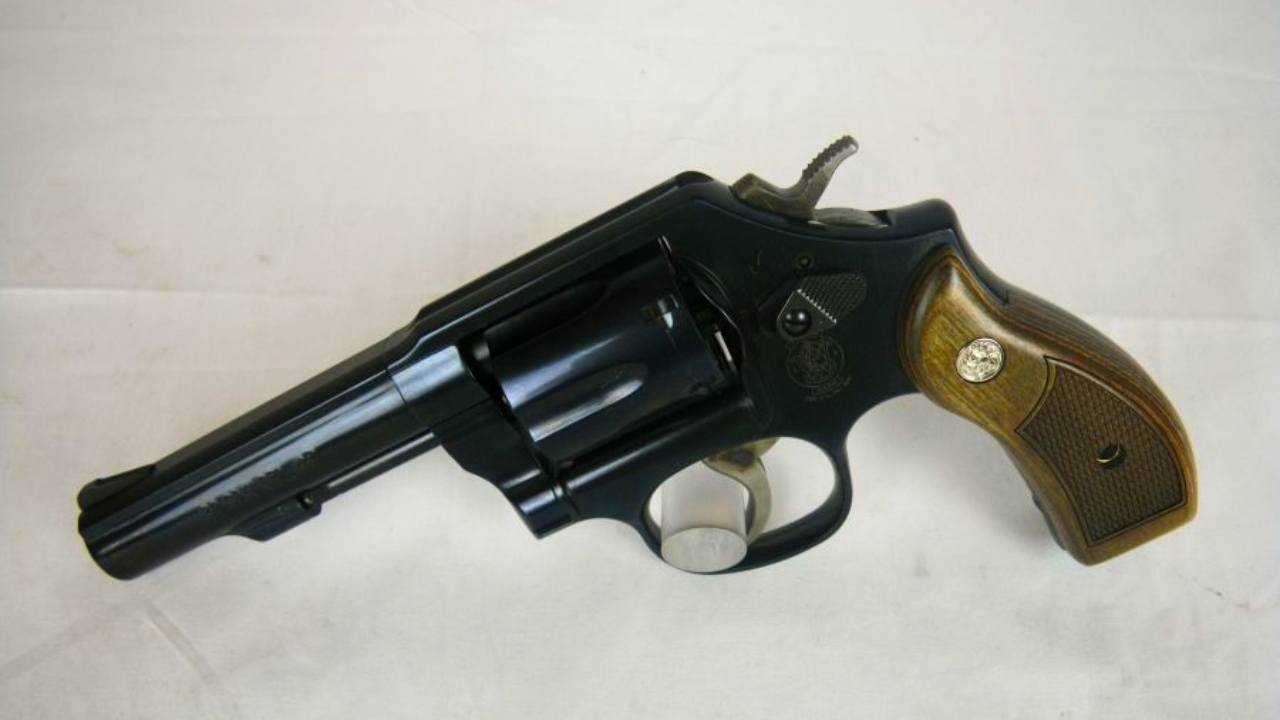
Most people lump all Model 10s together as if they were mechanically identical from the start, but the early guns had some meaningful differences. According to the historical overview of the design, the original 1899 lockwork was substantially different from later versions. One notable detail is that the first model used a flat leaf trigger return spring rather than the coil spring-powered slide system found in later changes dating from 1905 onward.
That may sound like small collector trivia, but it matters if you are trying to understand how the gun evolved. Smith & Wesson was still refining the platform in those early years, and the Military & Police line was not frozen in time. It was getting updated as the company learned what worked best. So when somebody talks about a really early example, it is not just “an old Model 10.” It may be a revolver from a stage in the design before the system settled into the form most shooters know today.
6. The ejector rod setup changed pretty early on
One of the more interesting early changes involved the ejector rod. The first 1899 Hand Ejector had a free-standing ejector rod, which is something a lot of shooters have never noticed because later revolvers changed that setup. By the time the second model showed up in 1902, Smith & Wesson had added a locking underlug on the barrel to engage the ejector rod. That was one of several changes aimed at improving the design.
This is the kind of detail collectors love because it helps date the revolver and separate one early variation from another. It also shows that even famous guns usually get there through revision, not magic. The Model 10’s reputation for being plain and proven came after some early refinement. So if you ever see one of those very early examples, you are looking at a revolver from before the platform settled into the configuration that later became so widely copied and trusted.
7. It came in more barrel lengths than most people realize

A lot of shooters picture the Model 10 as a standard 4-inch duty revolver, and sure, that is probably the version most people think of first. But over the years the gun showed up in a wider spread of barrel lengths than many people realize. Historical references list 2, 3, 4, 5, and 6-inch barrels, with even 2.5-inch examples showing up for special contracts. Early M&P variants were also offered in longer lengths.
That range helped the gun stay useful in different roles. A shorter barrel made more sense for plainclothes use or easier carry, while longer barrels fit service, target, or general-duty needs better. That flexibility helped the Model 10 stick around because departments and individual buyers could get something that fit the job without moving to a different platform. It was not just one revolver in one form. It was a whole family of practical configurations built around the same proven idea.
8. The “Victory Model” is basically part of the same family
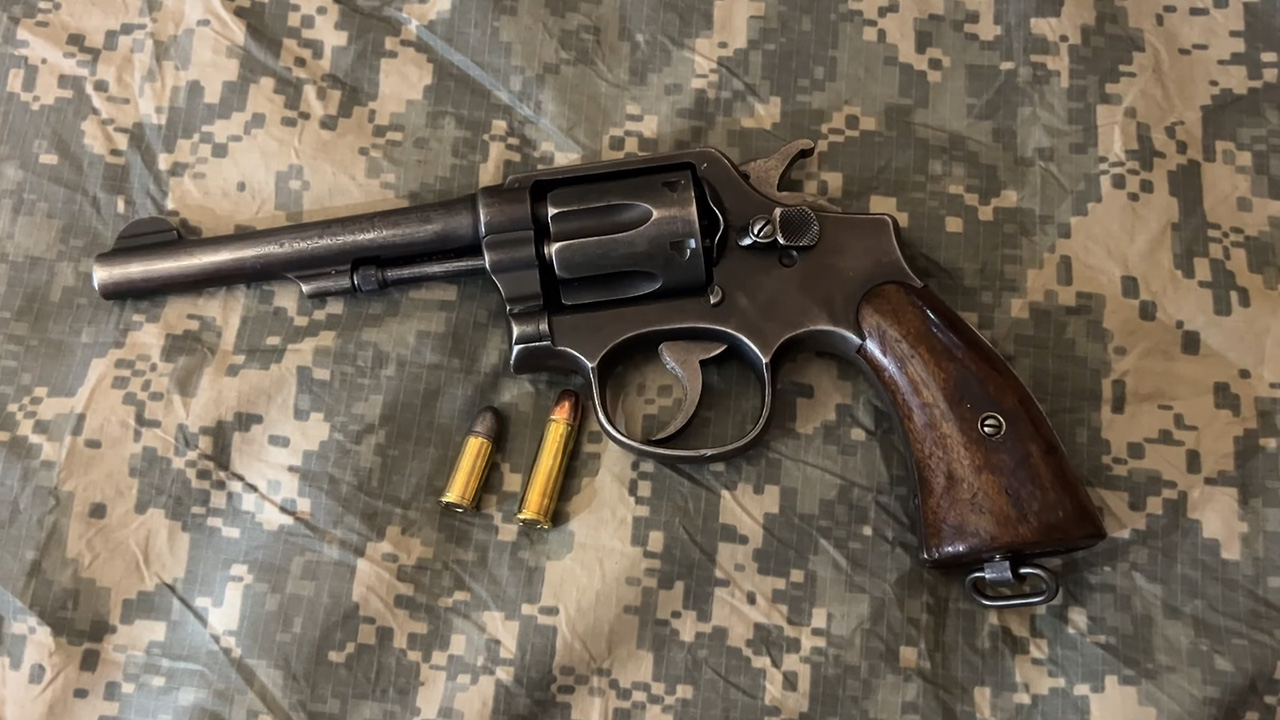
A lot of shooters hear “Victory Model” and treat it like some separate gun, but it is really a wartime branch of the same basic Military & Police lineage. During World War II, Smith & Wesson produced large numbers of Victory Models for military use. These revolvers are tied directly to the same design family that later sat under the Model 10 name. They are one of the clearest reminders that this platform was never just a police gun.
The wartime versions usually had a more utilitarian finish than the nicer commercial guns, and many had features like a lanyard loop. Some were issued to Navy and Marine aircrews, while others went to guards and defense personnel. So when collectors talk about Victory Models with interest, they are not talking about some random offshoot. They are looking at a military chapter in the history of one of America’s most important service revolvers.
9. It served in both police holsters and war zones
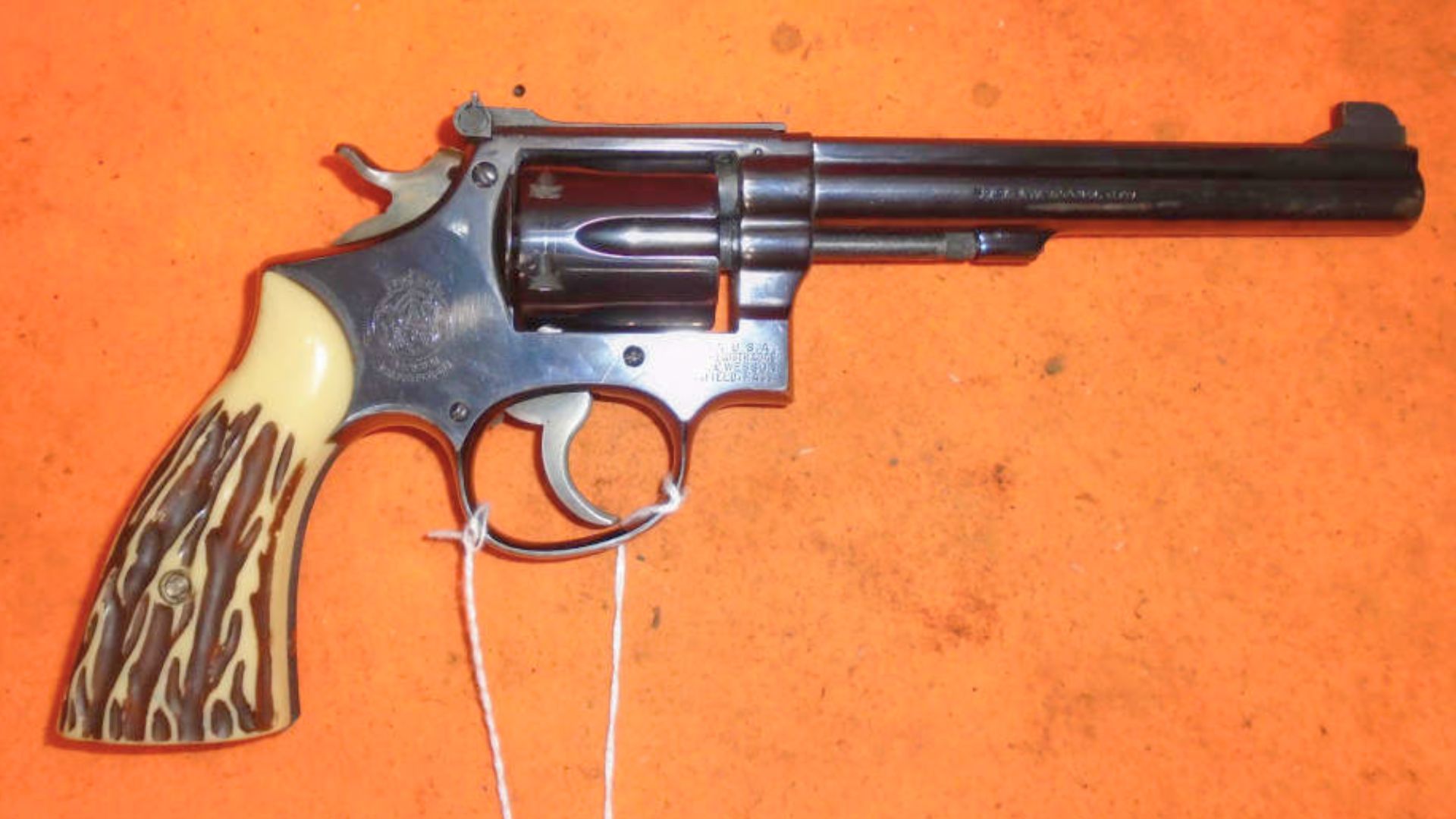
The Model 10 gets remembered mostly as a law-enforcement sidearm, and that is fair, but that reputation can make people forget how broad its service history really was. Variants of this revolver saw use in major conflicts and military roles, not just domestic policing. That matters because it shows the gun earned trust in more than one environment. It was not just a revolver for patrol officers walking a beat in American cities.
That wide use also helps explain why the design spread so far and lasted so long. A handgun that can satisfy police departments, security forces, military users, and civilian buyers is doing something right. The Model 10 was accurate enough, rugged enough, and easy enough to train with that it kept finding a place wherever reliable sidearms were needed. It is easy to overlook that part of the story when people reduce it to “just an old .38.”
10. A wartime safety change came after a deadly drop incident

One of the more serious and lesser-known pieces of the Model 10 story involves the hammer block. During World War II production, design changes were made after a sailor was reportedly killed when a loaded revolver discharged after being dropped on a steel deck. Historical accounts note that the gun was modified in 1945 to include an improved hammer block. That kind of event reminds you how a lot of firearm safety improvements come from hard lessons.
This is not just old history for collectors to argue about. It is part of why later Smith & Wesson revolvers earned such a strong reputation for safe carry with a full cylinder. Design evolution usually follows real-world use, and this is a clear example of that. The Model 10 family was trusted because it kept getting refined when problems were identified. Even a revolver with a great reputation did not reach that point by staying unchanged forever.
11. It was built on the K-frame, which became a huge deal for Smith & Wesson

One reason the Model 10 feels so natural in the hand is that it sits on Smith & Wesson’s K-frame. That medium-sized frame ended up becoming one of the company’s most important revolver platforms. The Model 10 helped establish what a practical service revolver should feel like: enough size to control recoil and shoot well, but not so bulky that it became miserable to carry all day.
That balance is a big reason so many later Smith & Wesson revolvers ended up drawing from the same frame family. The K-frame hit a sweet spot. For a duty revolver in .38 Special, it gave users a comfortable grip, solid shootability, and a size that made sense for real working people. Plenty of later guns would chase power or specialization, but the Model 10 helped prove that a medium-frame revolver was the everyday standard by which a lot of others would be judged.
12. Fixed sights were part of the appeal, not a weakness

The Model 10 is a fixed-sight revolver, and some modern shooters treat that like a limitation. Back in its prime, though, that was part of the appeal. Fixed sights meant fewer things to snag, fewer things to get knocked out of place, and a simpler overall package for a duty gun. This revolver was built for people who needed a reliable sidearm on their belt every day, not necessarily a target revolver with extra adjustments.
That simple setup fit the Model 10’s whole identity. It was supposed to be straightforward and usable under real conditions. For police work and defensive use, that made a lot of sense. You drew it, pointed it, and trusted it. That is part of why so many departments stuck with guns like this for so long. Shooters today sometimes underestimate how much confidence fixed-sight revolvers earned simply because they kept doing exactly what they were supposed to do.
13. The Model 10 had close relatives that confuse a lot of buyers
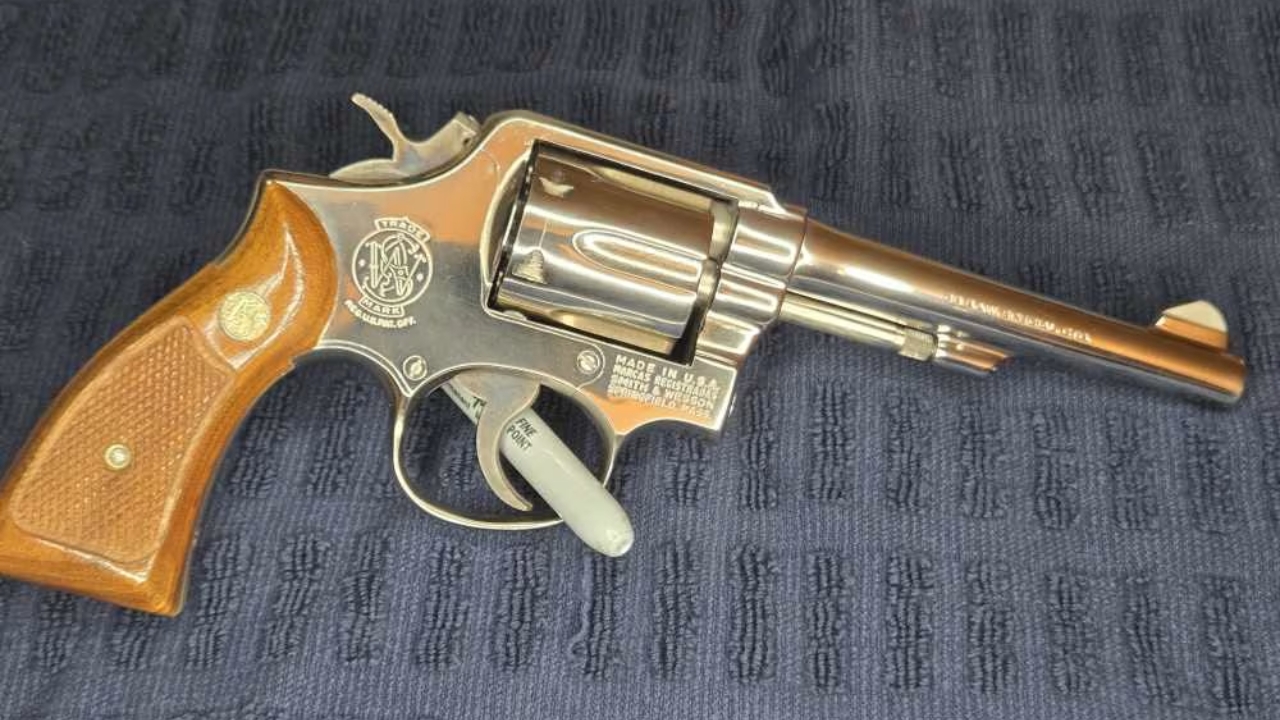
One reason old Smith & Wesson revolvers confuse newer buyers is that the Model 10 has a bunch of close relatives and overlapping names in its family tree. Historical references note, for example, that Smith & Wesson later made the Model 11, which was essentially a variation chambered in .38 S&W for British Commonwealth users. Then you have Victory Models, pre-model-number Military & Police guns, and later stainless relatives that can look pretty similar at a glance.
That means a lot of people think they are looking at “just a Model 10” when they are actually handling something with a different chambering, different contract history, or a more specific place in the line. This is one reason old service revolvers are fun to study. They look simple, but once you get into markings, dates, and variations, you realize there is a lot more going on than the average gun-counter label would suggest.
14. Smith & Wesson still leans on its Model 10 legacy today
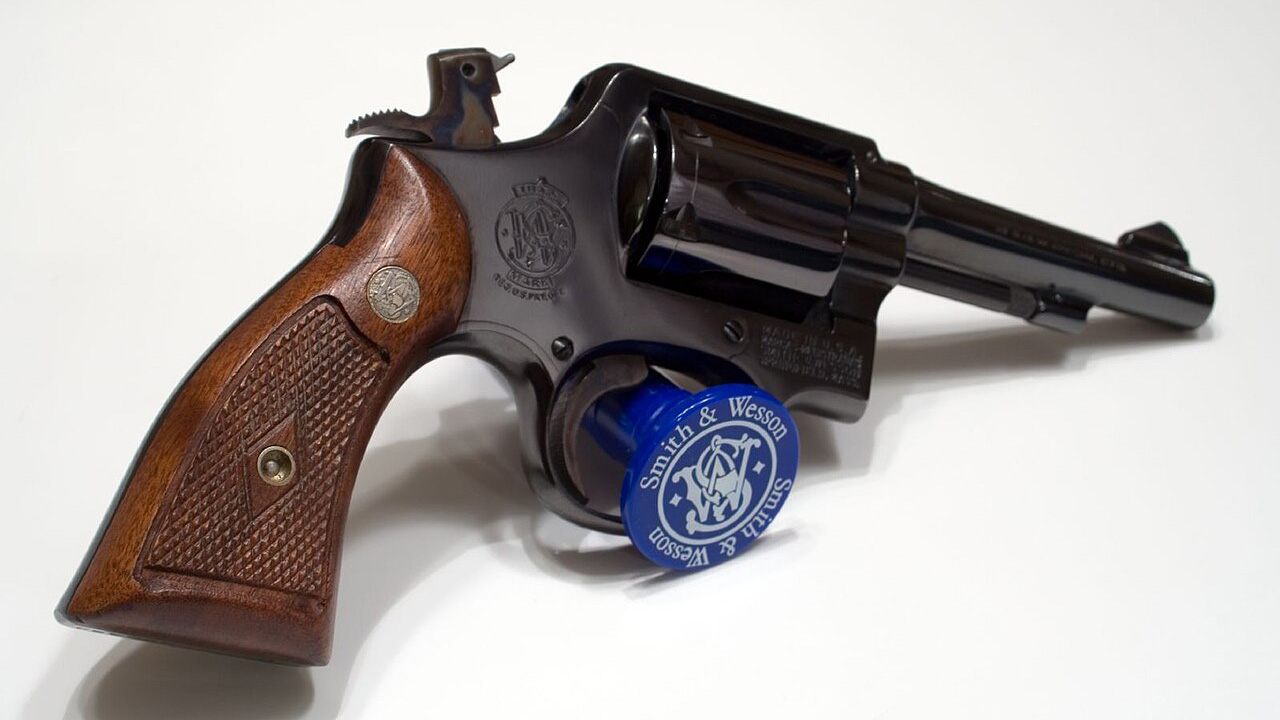
This is not some revolver Smith & Wesson forgot about and left buried in the archives. The company still highlights the Model 10’s place in its history, and recent offerings have leaned into that legacy with classic-style versions that pay homage to the old gun. That says a lot. Companies do not bring back or celebrate platforms like this unless they know shooters still care about them and still see them as meaningful pieces of handgun history.
That continuing respect also tells you the Model 10 never lost its reputation as a serious revolver. It may not dominate modern duty use, but it still carries weight with collectors, revolver fans, and people who appreciate old-school defensive handguns that were built around practical use. Plenty of guns fade into obscurity once their service life is over. The Model 10 stuck around in the conversation because its influence never really went away.
15. Its biggest strength was that it never tried to be fancy
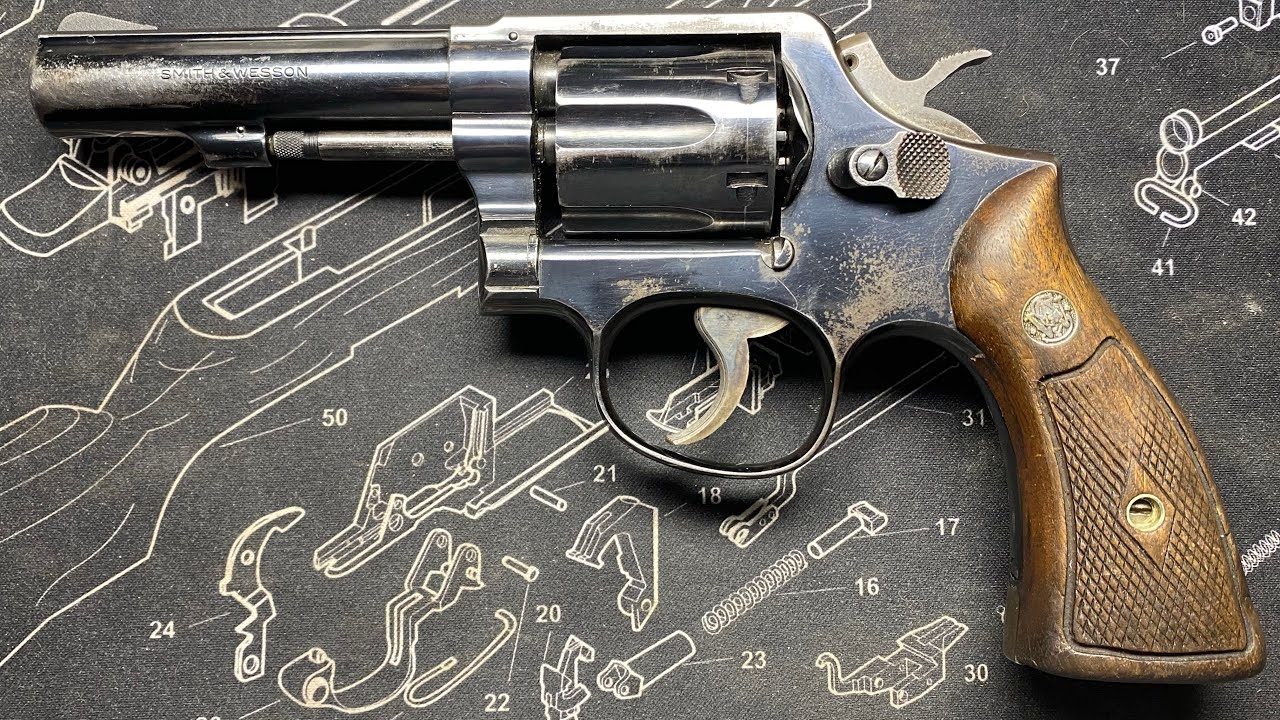
This might be the most important fact of all. The Model 10 became legendary partly because it never tried too hard. It was not marketed around high capacity, magnum recoil, exotic features, or range-show bragging rights. It was a six-shot, double-action .38 that fit the hand well, shot cleanly, and held up under regular service. Sometimes shooters forget how valuable that kind of plain competence really is.
There is a reason this revolver stayed relevant for so long and why so many old-timers still speak about it with real respect. The Model 10 earned trust by being the kind of handgun regular people could live with. It was controllable, practical, and easy to understand. That sounds simple, but simple is hard to beat when it works. Plenty of more advanced guns came later, but the Model 10 still stands as one of the clearest examples of getting the basics exactly right.
Like The Avid Outdoorsman’s content? Subscribe to our newsletter so you never miss an article.
Here’s more from us: