Photo credit: WHO_TEE_WHO/YouTube
Brush shooting is often misunderstood, but there’s no denying some calibers behave more predictably when you’re dealing with saplings, limbs, and thick cover. No bullet will “plow through” brush without being affected, but heavier, slower projectiles tend to deflect less than light, fast ones. When you’re hunting in tight timber—places where deer slip between openings the width of your fist—your caliber choice plays a huge role in how confidently you can take a shot.
These rounds don’t make bad shot selection acceptable, but they give you a little more forgiveness when a twig sneaks into the equation. If you hunt tight Appalachia hollows, southern thickets, or cedar tangles up north, these are the calibers that consistently behave better when brush tries to interfere.
.35 Remington

The .35 Remington has long been trusted in heavy cover because its slow, heavy bullets resist deflection better than fast, lightweight projectiles. Its typical 200-grain load moves at moderate speeds, which helps it stay on course when it encounters small twigs or brush. Hunters in thick timber appreciate how predictably it performs inside 150 yards, where most of these shots take place.
You’ll feel how the recoil is steady but manageable, and the terminal performance on whitetails is excellent. The .35 Remington has a long record of anchoring deer in places where visibility closes to almost nothing. If you hunt dense habitat and want a round that keeps its momentum even after minor obstacles, this caliber has earned that reputation.
.30-30 Winchester
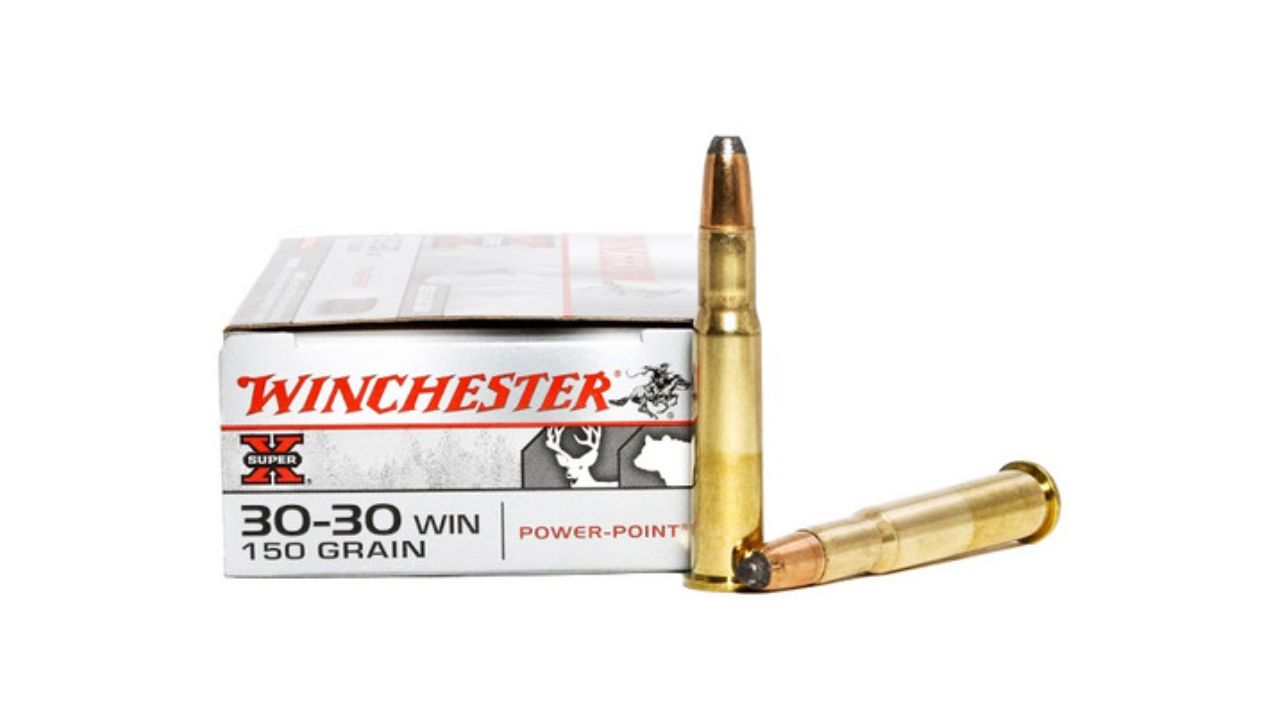
The .30-30 Winchester is one of the classic brush cartridges because it sends heavier, round-nose or flat-nose bullets at moderate velocities. Those characteristics reduce how much a bullet deflects when contacting brush compared to lightweight, high-speed projectiles. The .30-30 has anchored deer in thickets for over a century, and its performance in tight cover is still respected today.
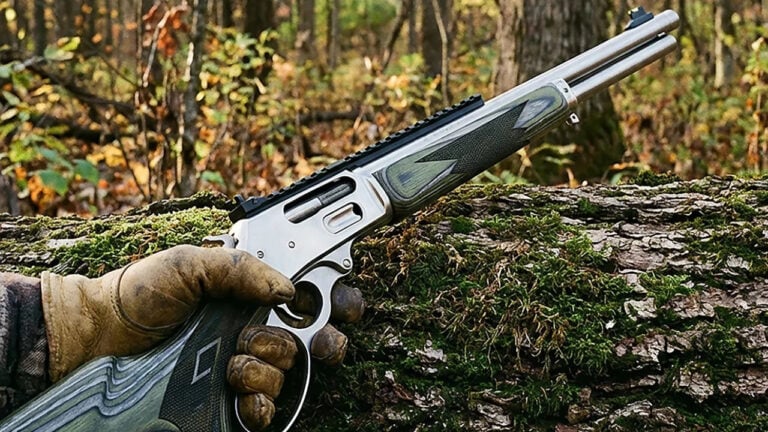
In a lever-action rifle, it points fast and handles naturally in cramped quarters. Inside 150 yards, it’s incredibly reliable on deer-sized game, and its penetration is better than many hunters give it credit for. If you’re pushing through heavy cover and want something proven, the .30-30 stays one of the safest bets you can carry.
.45-70 Government

The .45-70 Government is a powerhouse that carries enough bullet weight to resist deflection better than most common hunting rounds. Heavy bullets—often 300 to 405 grains—maintain momentum even when encountering brush. While no bullet ignores obstacles, the .45-70 tends to deflect less than faster, lighter calibers at close woods distances.
It’s a favorite among hunters who move through cedar swamps, alder thickets, and hardwood tangles where shots happen quickly. The caliber also provides massive energy, making it extremely effective on deer and larger game. If you want brush performance combined with strong terminal results, the .45-70 is hard to argue against.
.358 Winchester
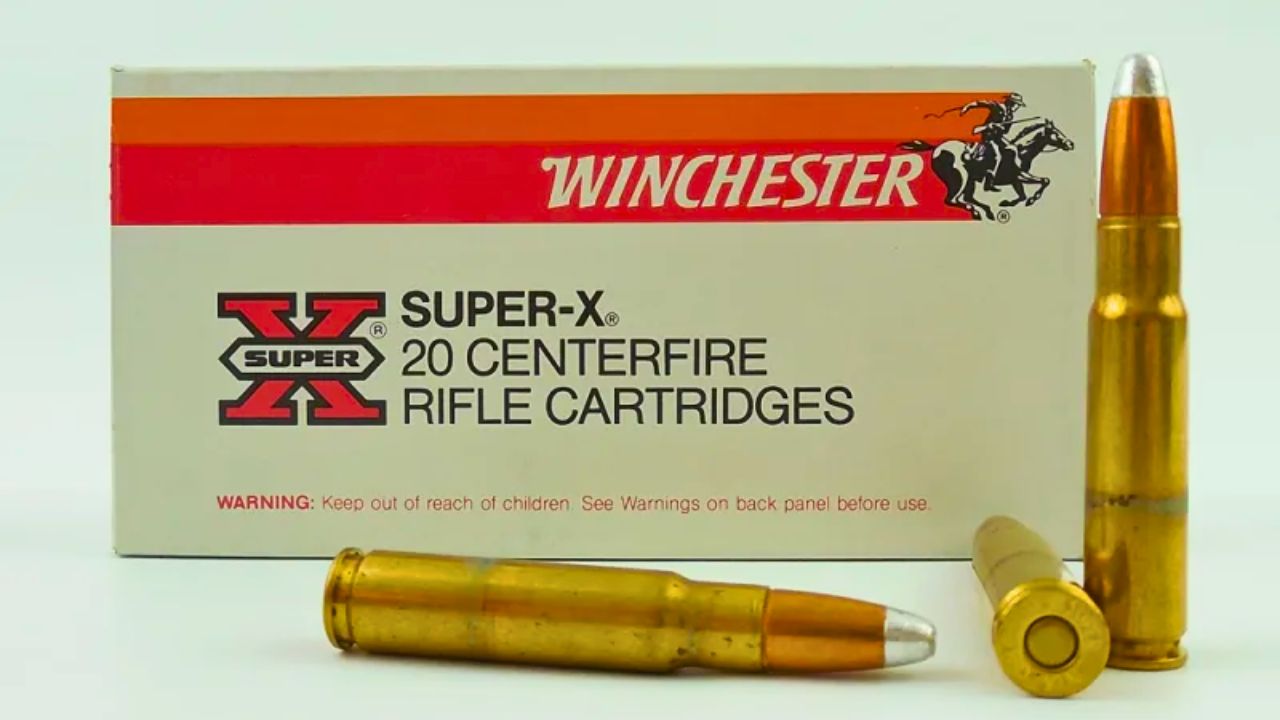
The .358 Winchester pushes heavy .35-caliber bullets at moderate speeds, giving it impressive performance in brush. It resists deflection better than typical high-velocity rounds, and its frontal diameter helps maintain course through light vegetation. Shooters appreciate its balance of power and shootability in close-range hunting scenarios.
In dense woods where visibility is tight and deer move quickly through small gaps, the .358 Win gives you confidence that your bullet won’t get steered wildly off course by a twig. Paired with strong penetration and reliable performance on deer and black bear, it’s one of the most underrated brush cartridges on the market.
.444 Marlin

The .444 Marlin fires large-diameter bullets with considerable weight, giving it strong resistance to deflection in brushy terrain. Its performance sits between the .30-30 and .45-70, offering more speed and power than the former and less recoil than the latter. In lever actions, the cartridge cycles quickly and handles well in tight quarters.
Hunters who work thick cover appreciate how confidently it pushes heavy bullets through minor obstacles without straying too far off course. Terminal performance is excellent on deer, even at odd angles. If you want a heavy-hitting round that marries power with reasonable recoil, the .444 Marlin is a great choice for brush country.
.450 Marlin
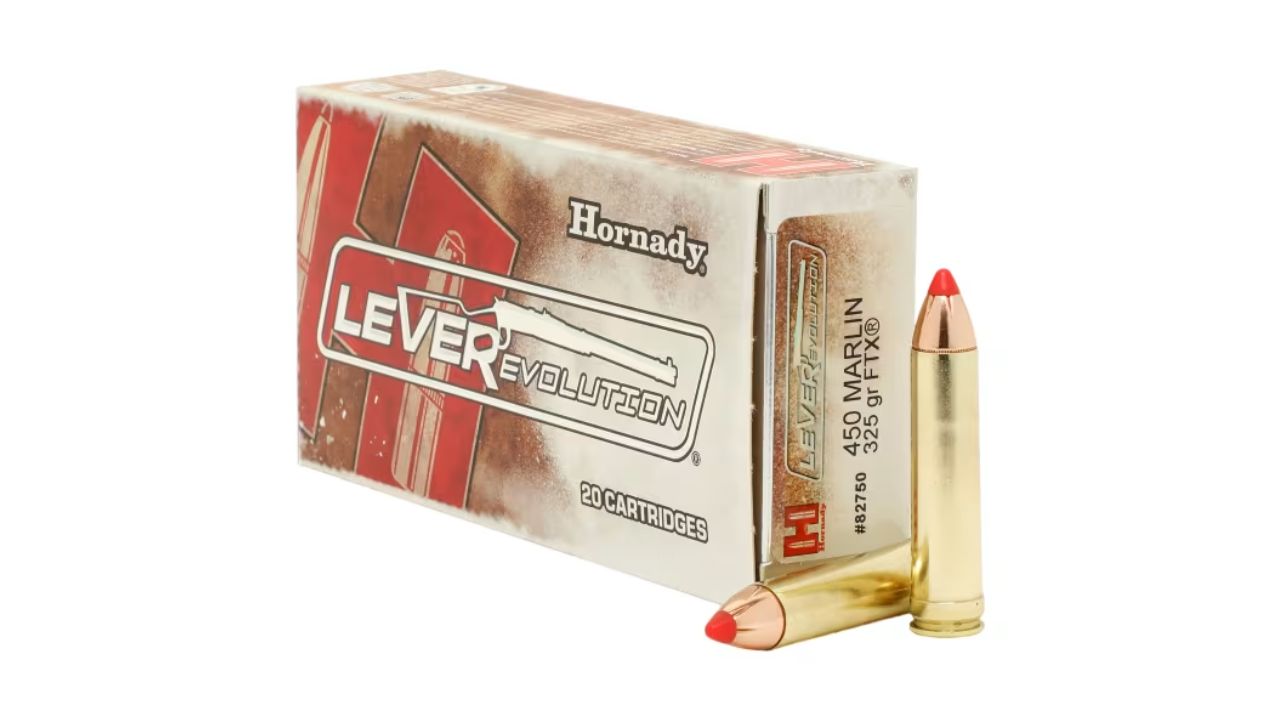
The .450 Marlin offers .45-70-level performance but at higher pressures and with modern brass. Heavy bullets moving at moderate speeds give it solid stability when passing near brush or through small amounts of debris. It’s a reliable option for hunters who want powerful, consistent performance in thick woods.
In a lever gun, you get fast follow-up capability paired with serious authority on target. While it’s not a long-range round, it dominates inside typical brush-shooting distances. If your hunts take you into the kind of terrain where visibility closes in and deer move fast, the .450 Marlin provides the punch and steadiness you need.
.44 Magnum (Carbine)

The .44 Magnum from a carbine-length barrel behaves surprisingly well in brush thanks to its heavy, slow-moving bullets. At typical woods distances, it delivers plenty of energy while resisting the kind of violent deflection that can happen with lighter calibers. Semi-wadcutters and soft points both handle brush well.
One advantage of the .44 Mag carbine is how compact and maneuverable the rifles tend to be. You’re often slipping between saplings or weaving through thick cover, and a short, light carbine makes life easier. If you want minimal recoil with strong brush performance, the .44 Mag remains a smart option.
.375 Winchester

The .375 Winchester is a short-range powerhouse designed for heavy cover and tight timber. Its heavy bullets carry the momentum needed to push through light brush with less deviation than high-velocity rounds. It’s a favorite among hunters who want reliable penetration without excessive recoil.
In lever guns like the Winchester 94 Big Bore, the .375 Win points fast and hits with authority. It performs exceptionally well inside 100 yards, where most brush-country shots happen. If you hunt thick hardwoods or dense river bottoms, this caliber provides confidence when the shot window is small.
.348 Winchester
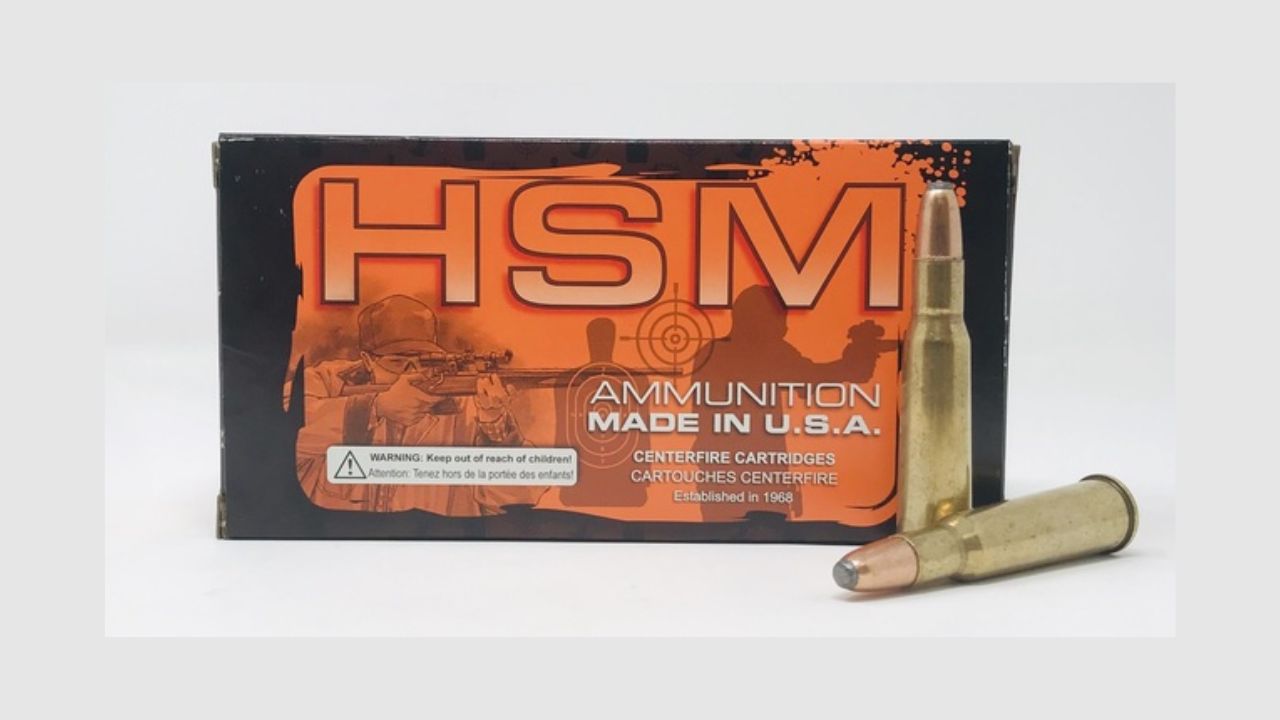
The .348 Winchester remains one of the strongest brush cartridges ever chambered in a lever-action rifle. With heavy bullets in the 200–250 grain range and moderate speeds, it holds its direction better through brush than many modern calibers. It also delivers excellent penetration and knockdown power.
Hunters who know this round often swear by its performance in alder tangles, mountain timber, and tight northern cover. While rifles chambered for .348 Win are less common today, its real-world behavior in brushy terrain is still respected. If you come across one in good condition, it’s worth considering.
.32 Winchester Special
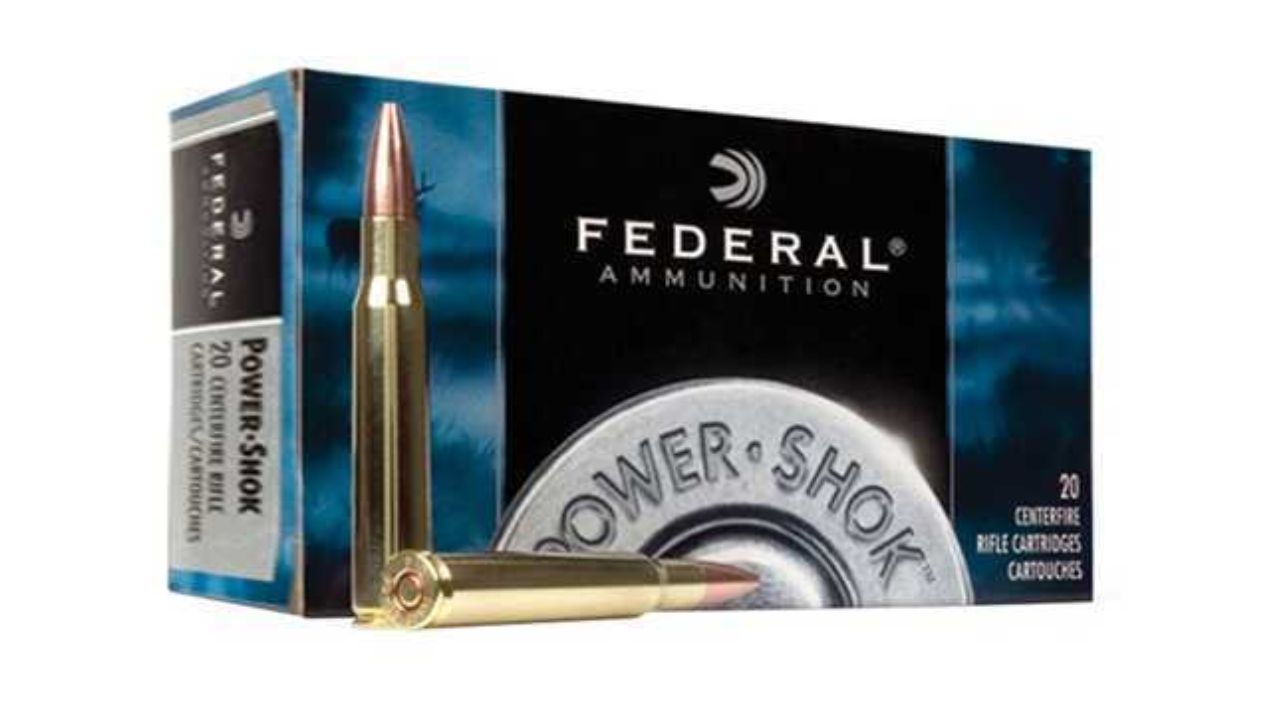
The .32 Winchester Special offers slightly heavier bullets and lower velocities than the .30-30, which gives it a small edge in brush. It’s accurate, manageable, and soft-shooting, making it ideal for hunters who want predictable performance in thick habitat.
Though it doesn’t get the same attention as other traditional cartridges, the .32 Special performs well where visibility is tight and reaction time is short. With good bullets, it maintains momentum and stays on course better than you might expect. For lever-gun hunters wanting something different, it’s a capable brush performer.
.41 Magnum (Carbine)

The .41 Magnum carbine sits between the .357 and .44 Magnum, offering heavier projectiles with moderate recoil. Its 210–220 grain bullets travel at speeds that resist excessive deflection when skimming past twigs or leaves. In compact carbines, it points fast and handles smoothly in cramped terrain.
Hunters appreciate how well it performs inside 100 yards, especially on deer-sized game. If you like pistol-caliber carbines for brush hunting, the .41 Mag offers a strong blend of penetration and control that stays reliable when the timber gets thick.
.357 Magnum (Carbine)

While lighter than the .44 and .41, the .357 Magnum still performs well from a carbine thanks to significantly increased velocity and energy compared to revolvers. Its heavier bullets resist some deflection, and inside 75–100 yards, it’s fully capable of taking deer cleanly.
The real advantage is the quick handling of a .357 carbine in tight cover. You can move quietly, shoulder the gun quickly, and fire with very manageable recoil. It’s a useful option for hunters who prioritize control and maneuverability but still want respectable brush performance.
.450 Bushmaster

The .450 Bushmaster fires heavy .45-caliber bullets at moderate speeds, making it one of the better straight-wall options for brushy terrain. The large frontal diameter and weight give it stability when encountering minor obstacles. Many Midwestern hunters rely on it specifically for thick cover shots.
The cartridge hits hard, penetrates deeply, and performs well inside 200 yards. In bolt guns or AR-platform rifles, it offers quick follow-up capability with strong terminal performance. If you hunt in states that require straight-wall rounds, the .450 Bushmaster stands out for brush shooting.
.350 Legend

The .350 Legend is mild in recoil but still sends heavy-enough projectiles to handle thick timber reasonably well. While not as stable as the bigger bores, its moderate velocity helps reduce extreme deflection compared to faster rounds. Hunters appreciate how easy it is to shoot and how well it performs on deer inside 200 yards.
In close-range brush scenarios, the .350 Legend gives you predictable accuracy without punishing your shoulder. It works especially well in compact rifles built for maneuverability. If you want a lightweight bush-country firearm that’s legal in straight-wall states, it’s one of the best options.
7.62x39mm
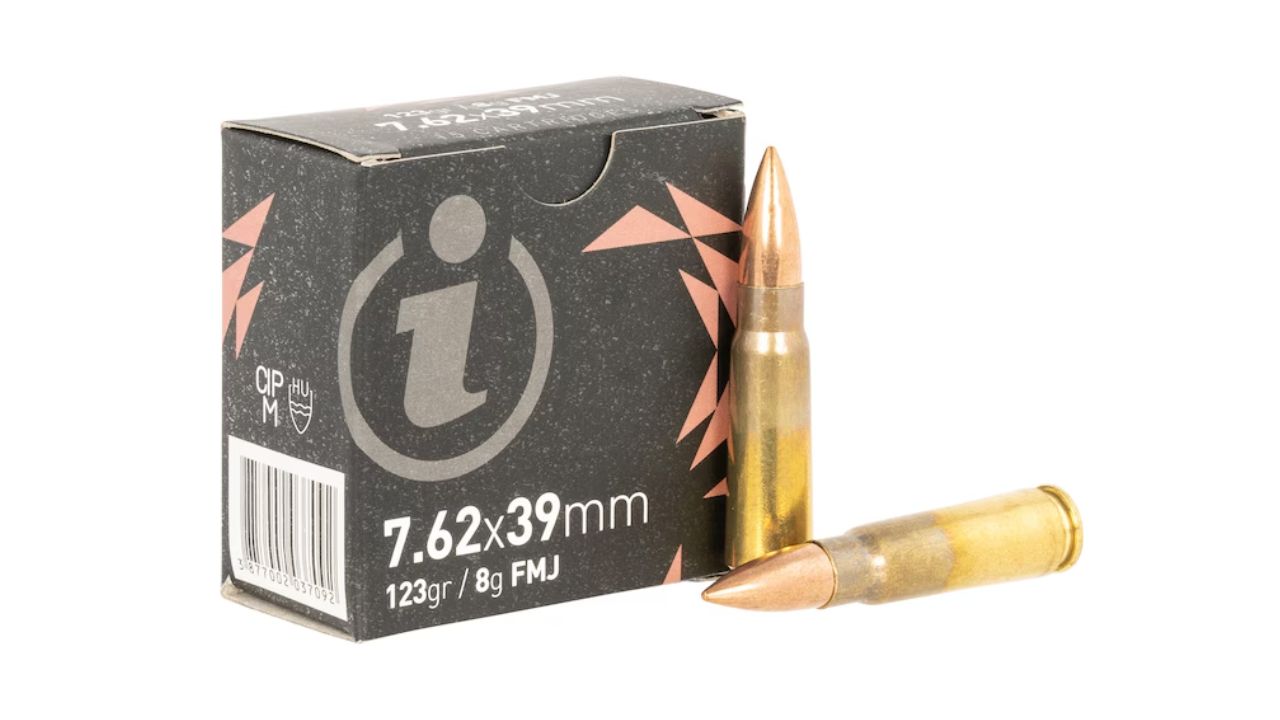
The 7.62x39mm pushes 123-grain bullets at moderate speeds, giving it decent brush performance compared to high-speed .22-caliber rounds. While not a powerhouse, its bullet weight and velocity combination help it resist extreme deflection when skimming across light vegetation.
Inside 150 yards, it remains effective on deer, especially with modern soft-point ammunition. Hunters appreciate its low recoil and quick-handling rifles, which matter when moving through dense thickets. If you want something economical that still behaves reasonably well in brush, the 7.62x39mm works better than most give it credit for.
Like The Avid Outdoorsman’s content? Be sure to follow us.
Here’s more from us:
The worst deer rifles money can buy
Sidearms That Belong in the Safe — Not Your Belt
*This article was developed with AI-powered tools and has been carefully reviewed by our editors.