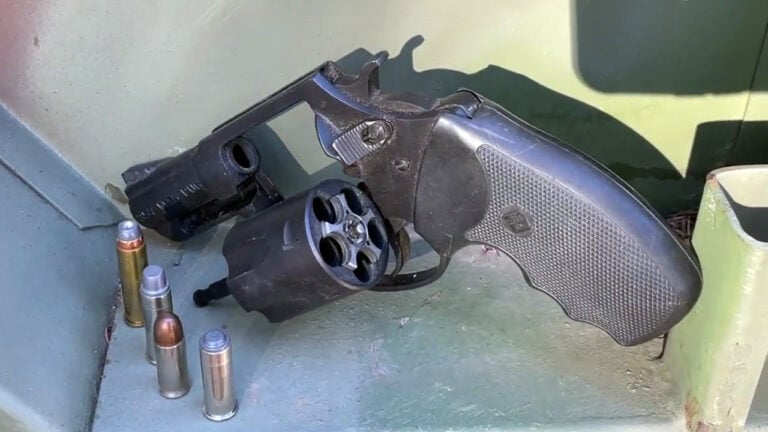
Photo credit: teton2261/GunBroker
The Ruger GP100 is one of those revolvers that keeps earning respect no matter how many new handguns come along. Most shooters know it as a heavy-duty .357 Magnum wheelgun with a reputation for soaking up recoil and lasting a long time, but there is a lot more to it than that. The GP100 was built to be a serious working revolver, and Ruger designed it with durability, easy maintenance, and real-world shooting in mind from the start. Its triple-locking cylinder, transfer bar system, and modular design are a big part of why it still has such a loyal following.
What makes the GP100 especially interesting is that it never really stayed in one lane. A lot of people think of it as just a six-shot .357 for the woods or the range, but the platform has stretched way beyond that over the years. Ruger’s own production history shows the GP100 line has included calibers like .22 LR, .38 Special, .357 Magnum, 10mm Auto, and .44 Special, which says a lot about how flexible the design turned out to be.
1. The GP100 was built to replace an older Ruger revolver line

A lot of shooters treat the GP100 like it has always been the standard Ruger double-action revolver, but it actually came after the older Security-Six family. The GP100 line began production in 1986 according to Ruger’s serial history, and American Rifleman notes that the first GP100 revolvers hit the market in 1985. That puts it right in the middle of Ruger’s move toward a stronger, more modern .357 platform built for hard use.
That timing matters because the GP100 was not just another catalog addition. It was Ruger’s answer to shooters who wanted a full-size double-action revolver that could stand up to a heavy diet of magnum ammo without feeling delicate. The company leaned hard into strength and practical maintenance, and that is a huge reason the GP100 built the reputation it has today. It was designed to be a serious upgrade in the durability department, not just a cosmetic refresh.
2. Its triple-locking cylinder is one of its biggest calling cards

One of the most talked-about GP100 features is the triple-locking cylinder. Ruger says the cylinder locks into the frame at the front, rear, and bottom for more positive alignment and dependable operation shot after shot. That is not just brochure filler. It is a big part of why so many revolver shooters think of the GP100 as being massively overbuilt in a good way.
That lockup system helps explain why the GP100 feels so solid when you handle one. It was meant to hold together under repeated use with full-power loads and still keep running smoothly. Plenty of revolvers can handle .357 Magnum, but the GP100 became known for taking that punishment without acting like it was being pushed to the edge. That reputation did not come out of nowhere. It is tied directly to how Ruger built the gun from the ground up.
3. Ruger made the grip system unusually flexible

A lot of revolvers lock you into a more traditional grip frame shape, but Ruger took a different route with the GP100. The company says the grip frame design easily accommodates a wide variety of custom grips. That is a bigger deal than it sounds, because grip fit matters a ton on a magnum revolver. A gun can be strong and accurate, but if it beats up your hand or does not point naturally, people will not enjoy shooting it.
The GP100’s grip setup helped it appeal to more shooters because it could be configured around comfort instead of forcing everybody into the same shape. That is part of why you see GP100 owners swapping grips so often depending on whether the gun is meant for range work, carry in the woods, or home defense. The frame was designed in a way that made customization easy, and that gave the revolver a practical advantage over some competitors.
4. It was designed to come apart without special tools

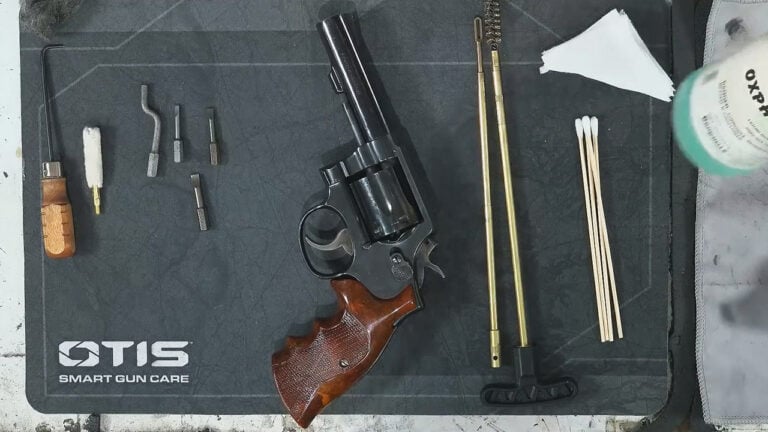
A surprising number of shooters still do not realize how maintenance-friendly the GP100 is. Ruger says the revolver’s integrated subassemblies can be disassembled without special tools, which makes maintenance and reassembly easier. For a revolver, that is a pretty nice feature. Older wheelguns sometimes get treated like mysterious machines that should never be opened up beyond basic cleaning, but the GP100 was built with a more practical mindset.
That matters even more for people who actually use their guns hard. A revolver that sees a lot of range time, outdoor carry, dust, sweat, and weather is going to need attention at some point. Ruger built the GP100 like a working handgun, not something meant to sit untouched in velvet. Being able to break it down more easily helped reinforce its reputation as a revolver for regular use, not just admiration.
5. The transfer bar system is a huge part of its safety reputation

Ruger states that the GP100 uses a transfer bar mechanism that provides an unparalleled measure of security against accidental discharge. That is one of the core design features behind the revolver’s reputation as a safe gun to carry fully loaded. On older revolvers from other eras, drop safety was a much bigger concern. The GP100 came from a period when shooters expected more built-in protection.
That safety system is easy to overlook because it is not flashy. Nobody at the range is usually showing off a transfer bar. But for a revolver that may ride in a holster, a truck, a nightstand, or a field bag, that feature matters. It is one of those design choices that quietly makes the gun more practical for real ownership. The GP100 earned trust partly because Ruger made safety part of the package instead of leaving it to nostalgia and luck.
6. It is not just a six-shot .357 anymore

A lot of people still think of the GP100 as one specific gun: a six-shot .357 Magnum with a medium-to-heavy frame. That was the classic version, sure, but Ruger’s serial history shows the platform has expanded far beyond that. The GP100 family has included .22 LR, .38 Special, .357 Magnum, 10mm Auto, and .44 Special. That is a much broader spread than a lot of shooters expect from a revolver line with such a traditional reputation.
That caliber spread tells you something important about the design. Ruger clearly saw the GP100 as more than a one-role gun. It could serve as a trail revolver, a practice revolver, a defensive revolver, or even something a little more niche depending on the version. The line’s growth is one reason the GP100 never faded into being just an old-school .357. Ruger kept finding ways to make the platform relevant to different kinds of shooters.
7. Some GP100s hold seven rounds, not six
This one catches a lot of shooters off guard. The GP100 is famous as a six-shot revolver, but some versions expanded that capacity. The Ruger GP100 family includes seven-shot models in .357 Magnum, which gave the revolver a little extra appeal for people who wanted more firepower without leaving the platform. That is not revolutionary by today’s semi-auto standards, but in the revolver world it is still a nice bump.
That extra round also shows how Ruger kept pushing the platform instead of freezing it in the form it debuted with. The company understood that some shooters wanted the strength and feel of a traditional revolver while still getting a bit more capacity. For fans of wheelguns, that matters. The GP100 line did not stay stuck as a nostalgia piece. It adapted enough to keep people interested while still holding onto the traits that made it famous in the first place.
8. There is even a 10mm GP100
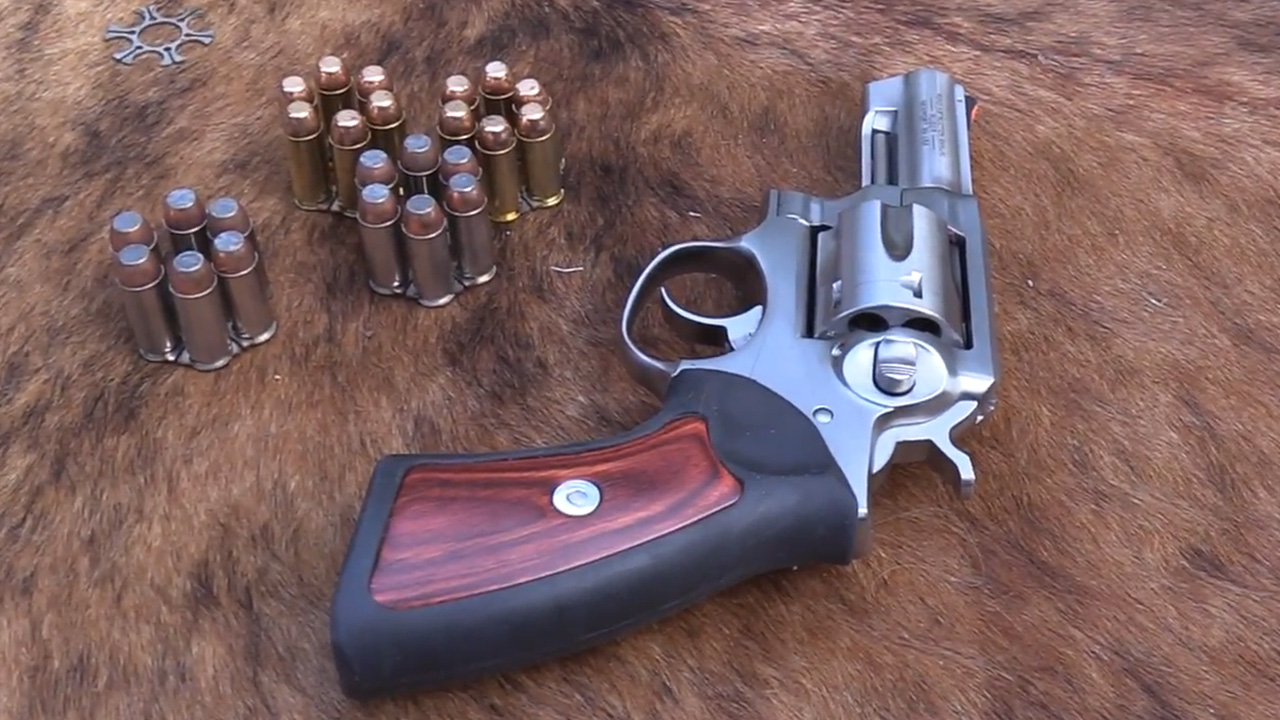
If you only know the GP100 as a .357 gun, the 10mm Auto version sounds a little strange at first. But Ruger’s own product history includes 10mm Auto in the GP100 family, and that alone makes it one of the more interesting modern twists on the platform. Mixing a revolver with a cartridge better known for semi-autos is exactly the kind of move that keeps a classic design from feeling stale.
The 10mm GP100 also says a lot about how comfortable Ruger is experimenting inside a proven platform. Instead of treating the GP100 like sacred ground that could never be touched, they kept pushing it into different roles. That willingness to branch out is part of why the line still gets attention. The GP100 is traditional, but it is not trapped in the past. Ruger has been willing to let it evolve in ways a lot of shooters probably never expected.
9. The .22 LR version makes it more versatile than people think
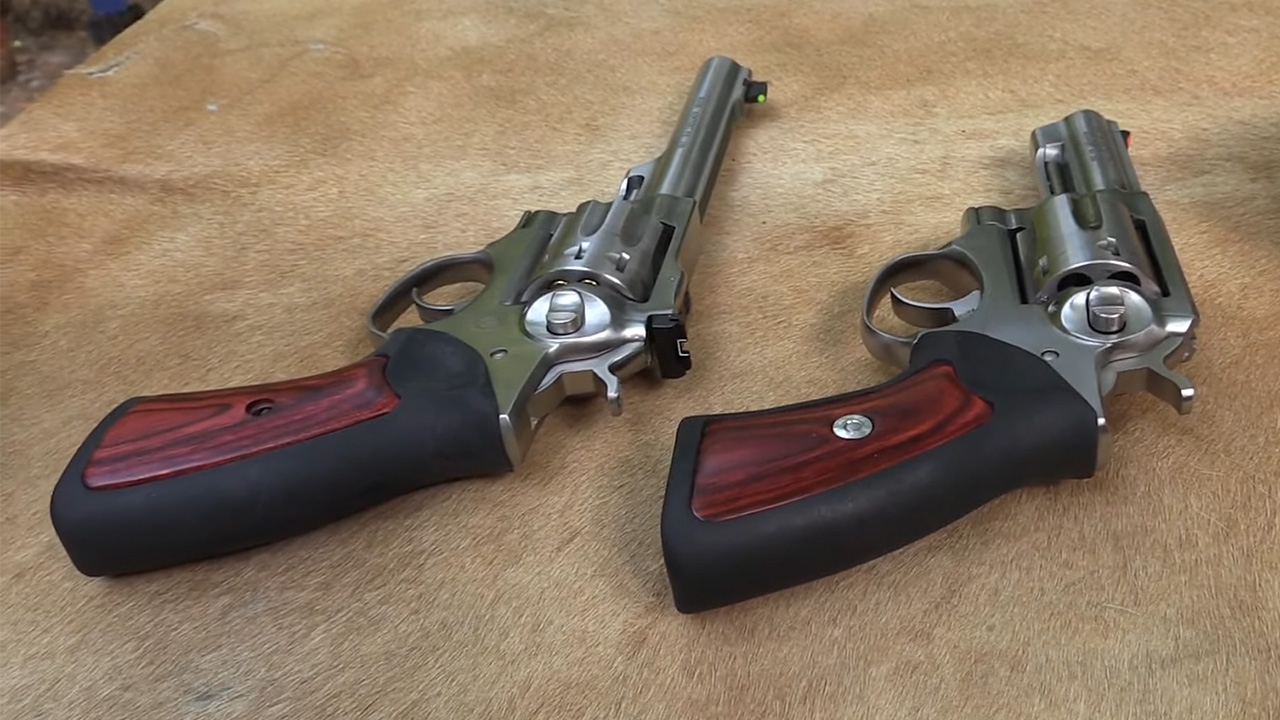
A lot of revolver lines get boxed into “serious use only,” but the GP100 family includes .22 LR models too. Ruger lists .22 LR in its product history for the line, and that makes a ton of sense once you think about it. A .22 version lets shooters train with a similar platform while spending less on ammo and dealing with less recoil. It also opens the door for people who just want a fun, durable range revolver with the GP100 feel.
That matters because it broadens the GP100’s appeal way beyond hard-recoiling magnum use. A shooter can like the ergonomics, the balance, and the tank-like build of the GP100 without wanting every range trip to involve full-power .357. The .22 variant shows this line was never just about punishment and blast. It was also about giving shooters a strong, familiar revolver platform that could fit different kinds of use without losing its identity.
10. It has been in production for decades

The GP100 is not one of those revolvers that had a short run and survived mostly on nostalgia. Ruger’s serial number history starts the line in 1986 and continues year by year through decades of production. That kind of lifespan says a lot in itself. Handguns do not stay around that long unless enough shooters keep buying them and enough owners keep trusting them.
Long production also tells you the GP100 did not become a relic after the polymer pistol takeover. It kept a place in the market while a lot of revolvers got pushed aside or remembered mostly by collectors. That staying power comes from real usefulness. The GP100 still appeals to people who want a woods gun, a home-defense revolver, a range gun, or just a well-built wheelgun that does not feel delicate. That is a rare kind of staying power.
11. The GP100 built a reputation for handling recoil better than many shooters expect
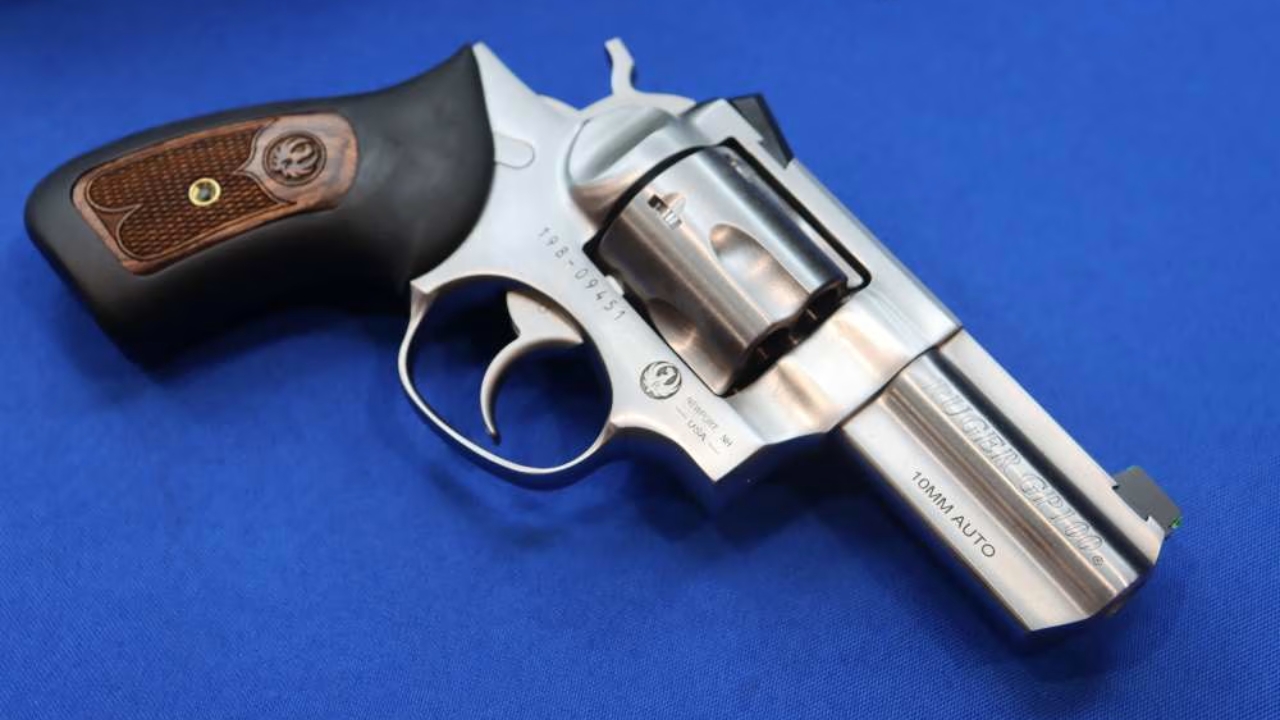
American Rifleman noted that the first GP100 revolvers drew attention because their solid construction allowed even recoil-timid shooters to handle .357 Magnum loads more comfortably. That is a pretty important part of the revolver’s identity. The GP100 is not small, and it is not trying to be. Part of the reason people like it is that the weight and design help tame a cartridge that can feel pretty sharp in lighter guns.
That makes the GP100 easier to live with for the average shooter. Plenty of people love the idea of .357 Magnum until they fire it from something light and unpleasant. The GP100 helped make the cartridge feel more manageable without giving up the revolver format people wanted. That balance between strength and shootability is one reason the gun earned such a loyal fan base. It was not just powerful. It was practical enough that people actually wanted to keep shooting it.
12. Ruger kept expanding the family instead of leaving it alone
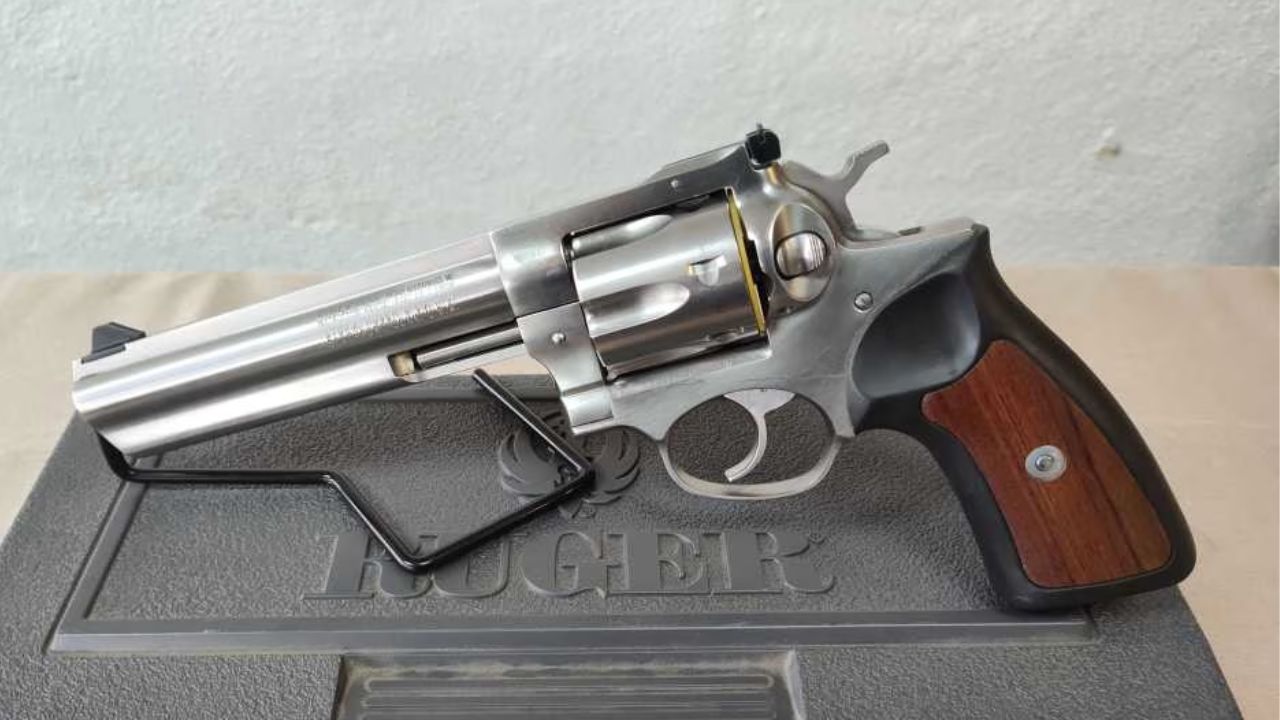
A lot of classic revolvers stay mostly frozen in one or two familiar versions. The GP100 did not really go that route. Ruger’s current product lineup and history show a family that kept branching into different barrel lengths, finishes, capacities, and chamberings over time. That helped the GP100 stay relevant to both traditionalists and newer shooters who wanted something a little different from the usual blue-steel six-shooter formula.
That flexibility is a big reason the GP100 never got trapped as “your granddad’s revolver.” Ruger kept refreshing it enough that the platform stayed visible in the modern market. Some people came to it for field use, some for range use, some for defense, and some just because they wanted a revolver that felt overbuilt in the best possible way. The family kept growing because the underlying design gave Ruger enough room to keep experimenting without losing what made it work.
13. Its strength is a huge part of why handloaders and magnum fans love it

The GP100 has long been associated with shooters who appreciate a revolver that feels like it was built with extra margin. Ruger does not phrase it quite that way, but its emphasis on the triple-locking cylinder and dependable alignment makes it clear what the design priority was. This was a revolver built around durability and repeatable performance, not just looks.
That is why the GP100 gets so much love from magnum shooters. People want a revolver that feels like it can digest serious use without shaking loose or making them baby it. The GP100 filled that role for a lot of owners. Even shooters who prefer other brands will usually admit Ruger built this thing with toughness front and center. It is one of the reasons the GP100 earned such a strong reputation with people who actually shoot their revolvers a lot.
14. It stayed relevant even after semi-autos took over

By the time the GP100 settled into the market, the handgun world was already moving hard toward semi-autos. That could have easily turned it into a niche piece, but it did not. The GP100 kept selling because it offered something different: simplicity, power, reliability, and shootability in a platform a lot of people still trusted. Its continued production and expansion make that pretty clear.
That says a lot about the revolver’s staying power. It did not need to beat semi-autos at their own game. It just needed to keep being really good at what it was built for. For woods carry, range shooting, home use, and pure revolver enjoyment, the GP100 kept making sense. That is why it still has a place. It was never about trendiness. It was about being solid enough that people kept coming back to it even after the market changed around it.
15. The GP100’s biggest surprise is how modern its thinking really was

At a glance, the GP100 looks like a traditional revolver. Big frame, exposed hammer, swing-out cylinder, fixed or adjustable sights depending on the version. But once you look closer, the design thinking is actually pretty modern. Ruger emphasized safety, easy maintenance, modularity, strength, and adaptability. Those are not old-fashioned priorities. Those are exactly the reasons a lot of shooters still buy certain guns today.
That is probably the most surprising thing about the GP100. It feels classic, but it was built with a very practical, forward-looking mindset. That is why it lasted. The revolver was never just coasting on looks or nostalgia. It earned its reputation by giving shooters something that felt dependable, serviceable, and strong enough to trust for the long haul. Plenty of revolvers are well liked. The GP100 stuck because it gave people good reasons to keep using it.
Like The Avid Outdoorsman’s content? Subscribe to our newsletter so you never miss an article.
Here’s more from us: