Photo credit: smspsy/Shutterstock.com
Every hunter has owned a knife that looked great in the package but turned useless halfway through a deer. The truth is, not every knife that claims to be “made for hunters” can actually handle the work. A real field dressing knife needs to keep an edge, cut cleanly through hide and bone, and feel safe in your hand when things get messy. Too many blades fail after the first use — dulling fast, bending under pressure, or rusting in your pack. Here’s a look at the knives that might look good on your belt but rarely hold up once you’re elbow-deep in a deer.
Gerber Moment Fixed Blade
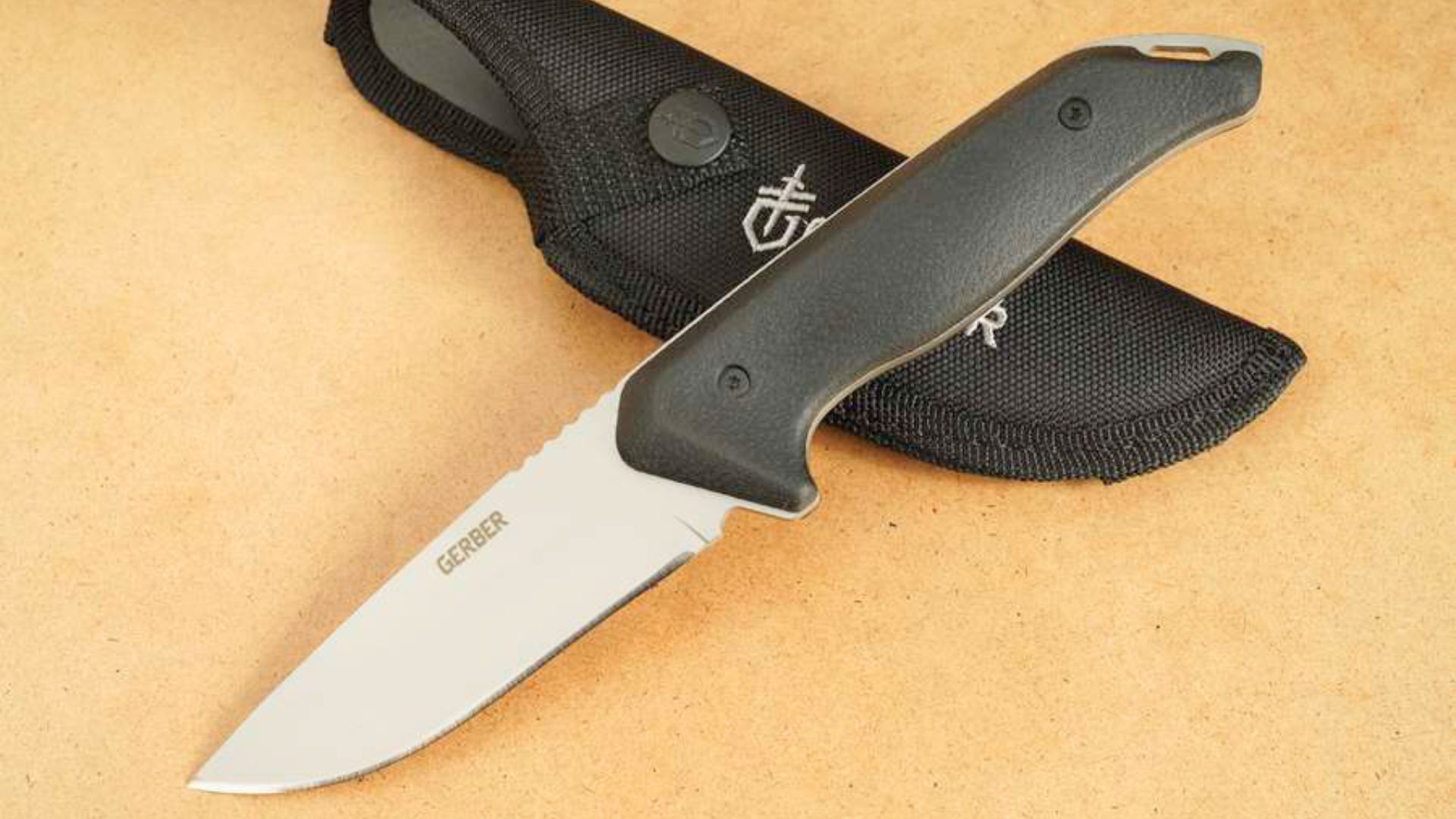
The Gerber Moment Fixed Blade promises reliability for hunters, but it falls short in real use. Its stainless steel blade dulls quickly, especially when cutting through thicker hide or joint tissue. Sharpening it brings only temporary relief before the edge fades again. The grip feels fine in dry hands but becomes slick once things get messy. The sheath also lacks security, allowing the knife to rattle or slip. It’s a knife that looks the part but doesn’t stay sharp or sturdy long enough to earn a permanent spot in your deer pack.
Mossy Oak Fixed Blade Set
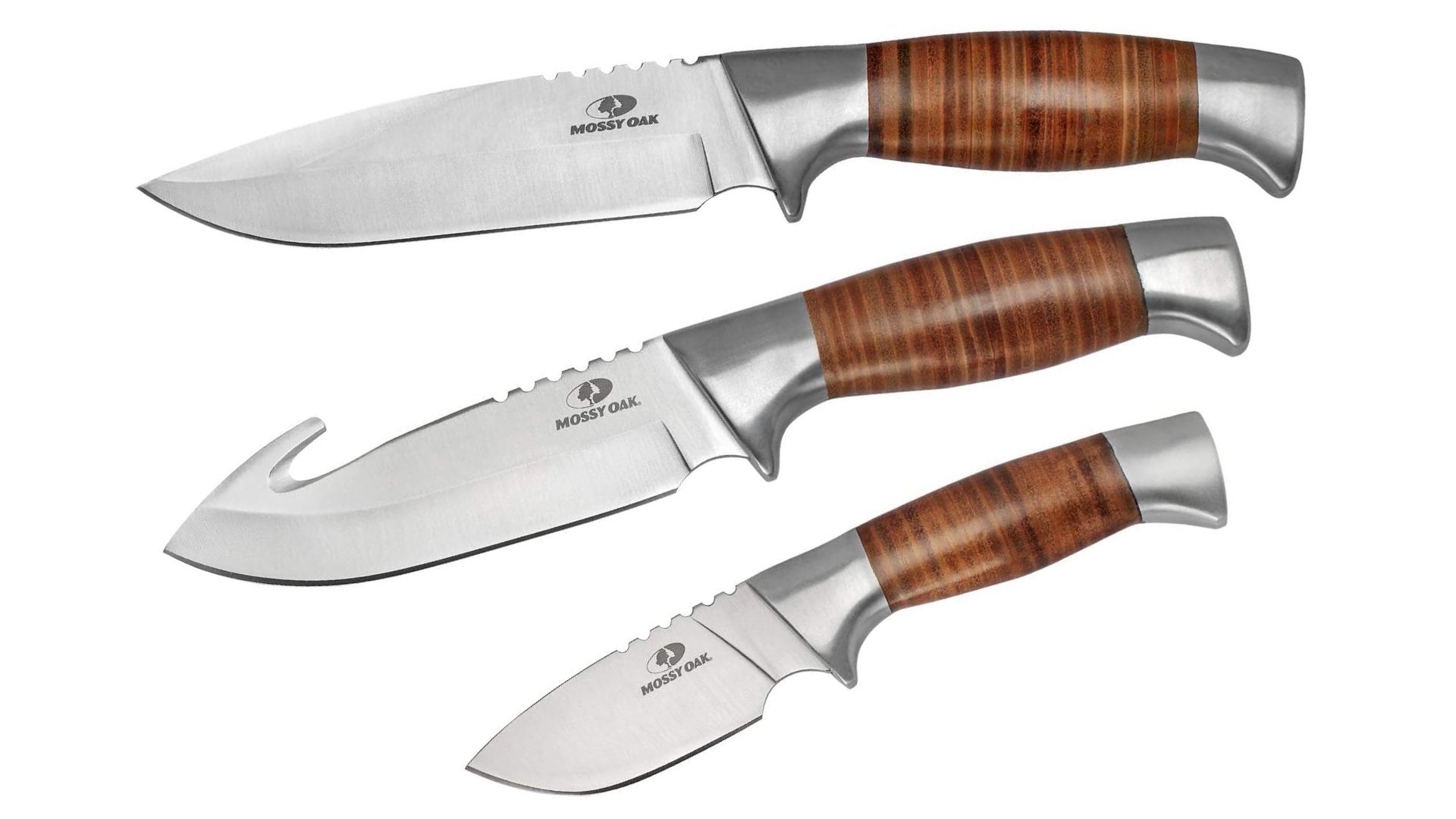
Mossy Oak’s budget field dressing kits are tempting — they give you several knives for the price of one. Unfortunately, every piece in the set feels disposable. The steel quality is poor, and the blades lose their edge halfway through one animal. The handles are often slick plastic that turn dangerous when wet, and the sheaths are loose-fitting at best. They work for cleaning small game in a pinch, but when it comes to a full-size deer, these knives fold under pressure. You’ll spend more time sharpening than cutting.
Winchester Fixed Blade Knife
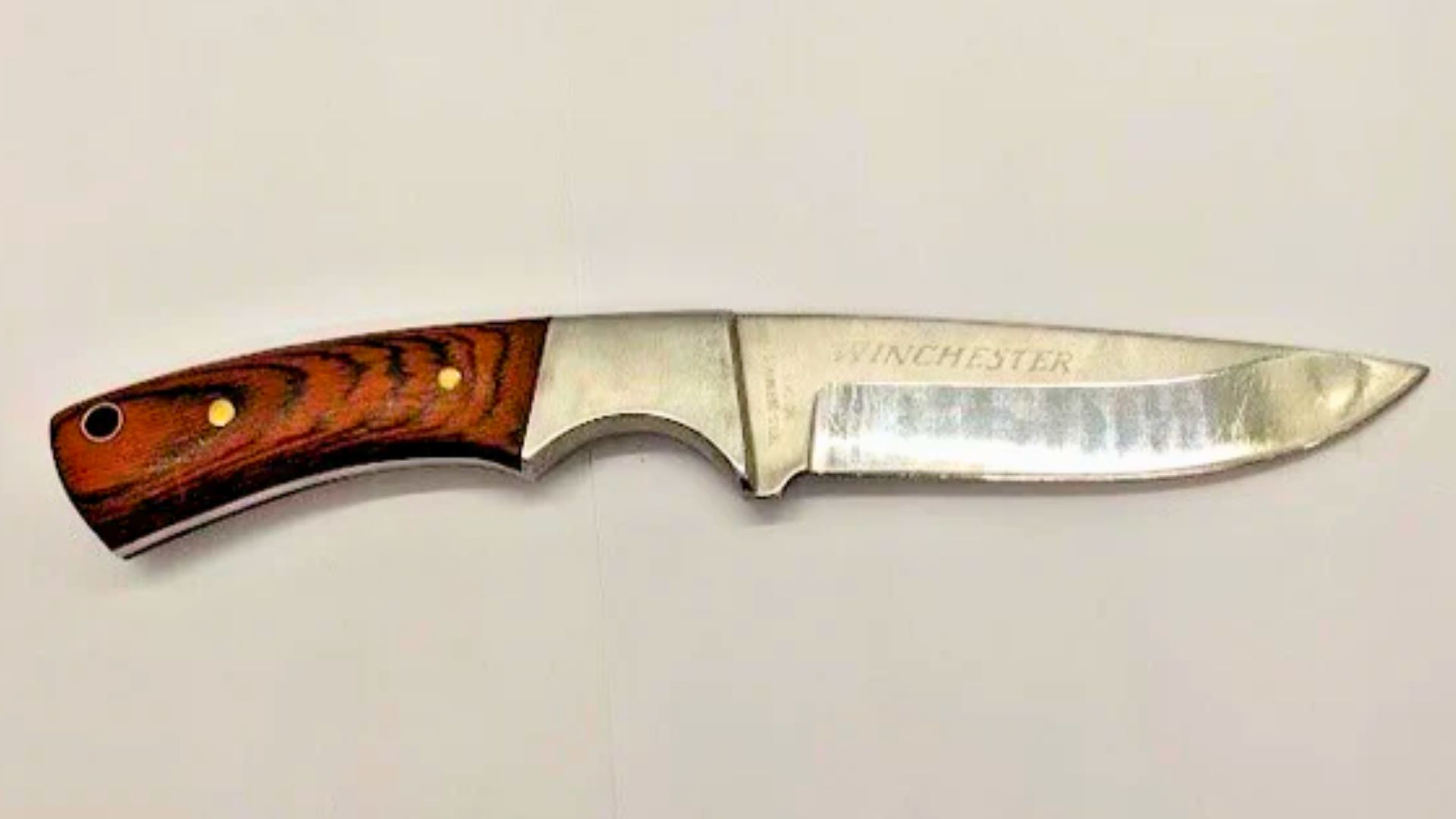
Winchester-branded hunting knives tend to trade on the company’s firearm reputation, but most of them don’t live up to the name. The blades are often made from soft stainless that dulls quickly, and the fit and finish feel rushed. On longer field dressing jobs, the edge rounds off fast, leaving you sawing instead of slicing. While it looks sharp on a store shelf, it’s not a tool that performs where it counts. If you’re serious about reliable field work, skip this one and look for something built from better steel.
Old Timer Sharpfinger (Modern Versions)
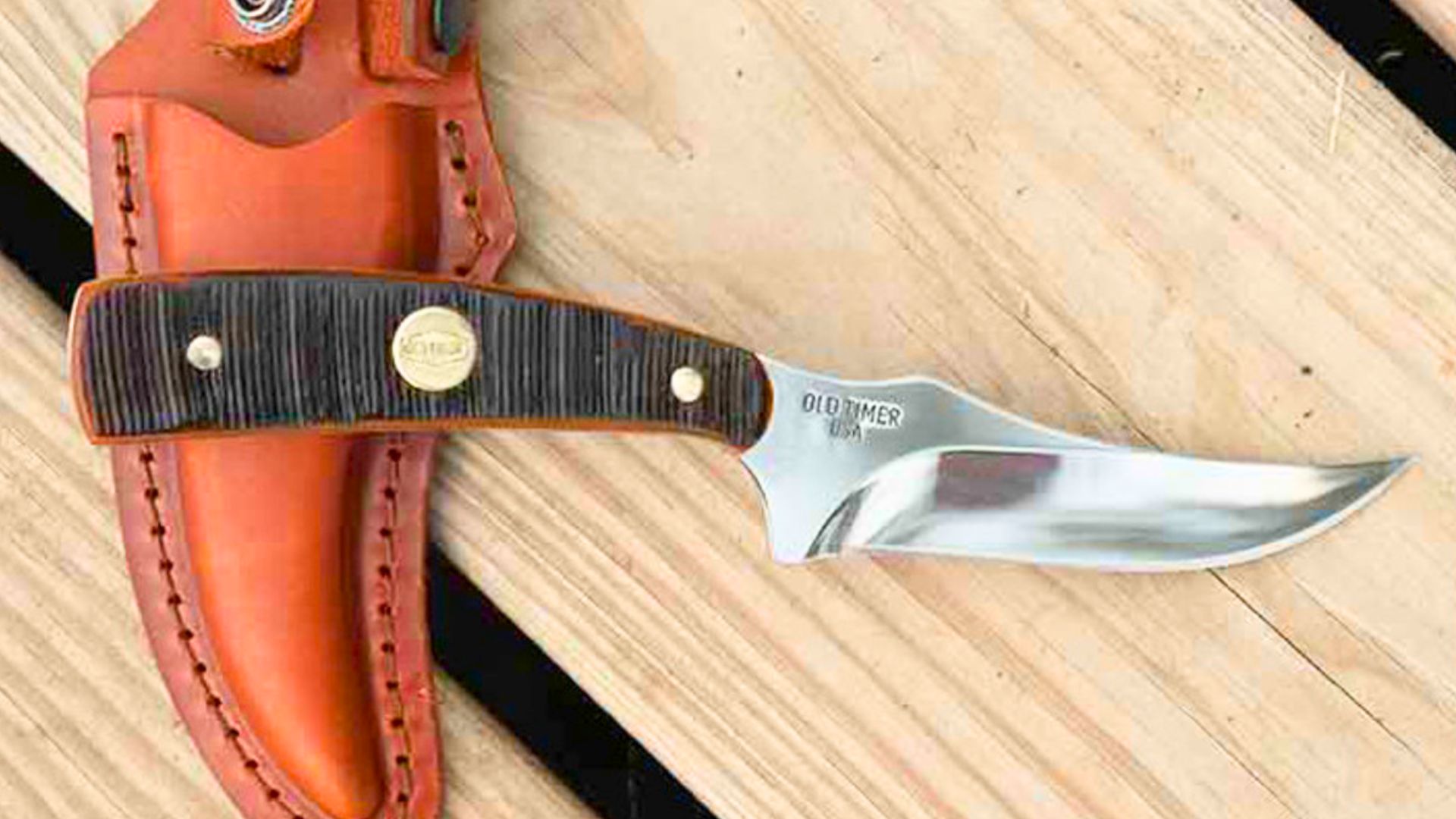
The classic Sharpfinger was a legend decades ago, but newer versions don’t carry the same quality. Once the knives started being mass-produced overseas, the edge retention and steel consistency took a hit. Many hunters report edges chipping after a single use, and the synthetic handles lack the secure grip the originals were known for. It’s a shame because the design is still excellent — the build quality simply isn’t. You can find older U.S.-made models that still shine, but the newer ones aren’t up to deer camp standards.
Elk Ridge Hunting Knife
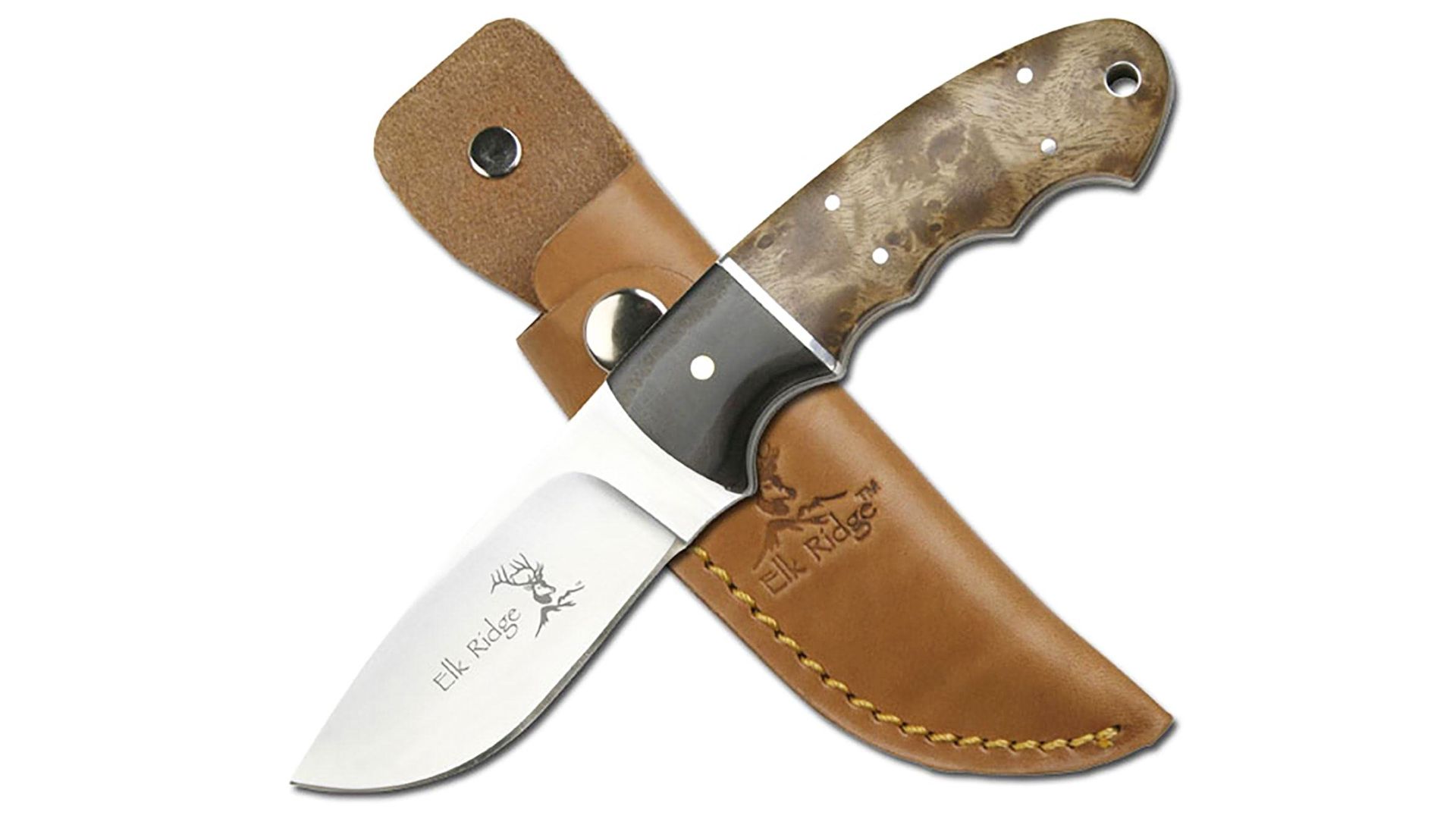
Elk Ridge knives often draw attention for their good looks — polished handles, fancy etching, and solid weight in hand. But performance matters more than appearance, and these knives disappoint quickly. The blades tend to be brittle or overly soft depending on the batch, and sharpening doesn’t improve their longevity. The steel often stains easily, and the edge rolls over fast when you hit anything tougher than hide. For light camp chores, it’s fine, but in a deer’s ribcage, it’s more frustration than function.
Cabela’s Game-Processing Knife Set
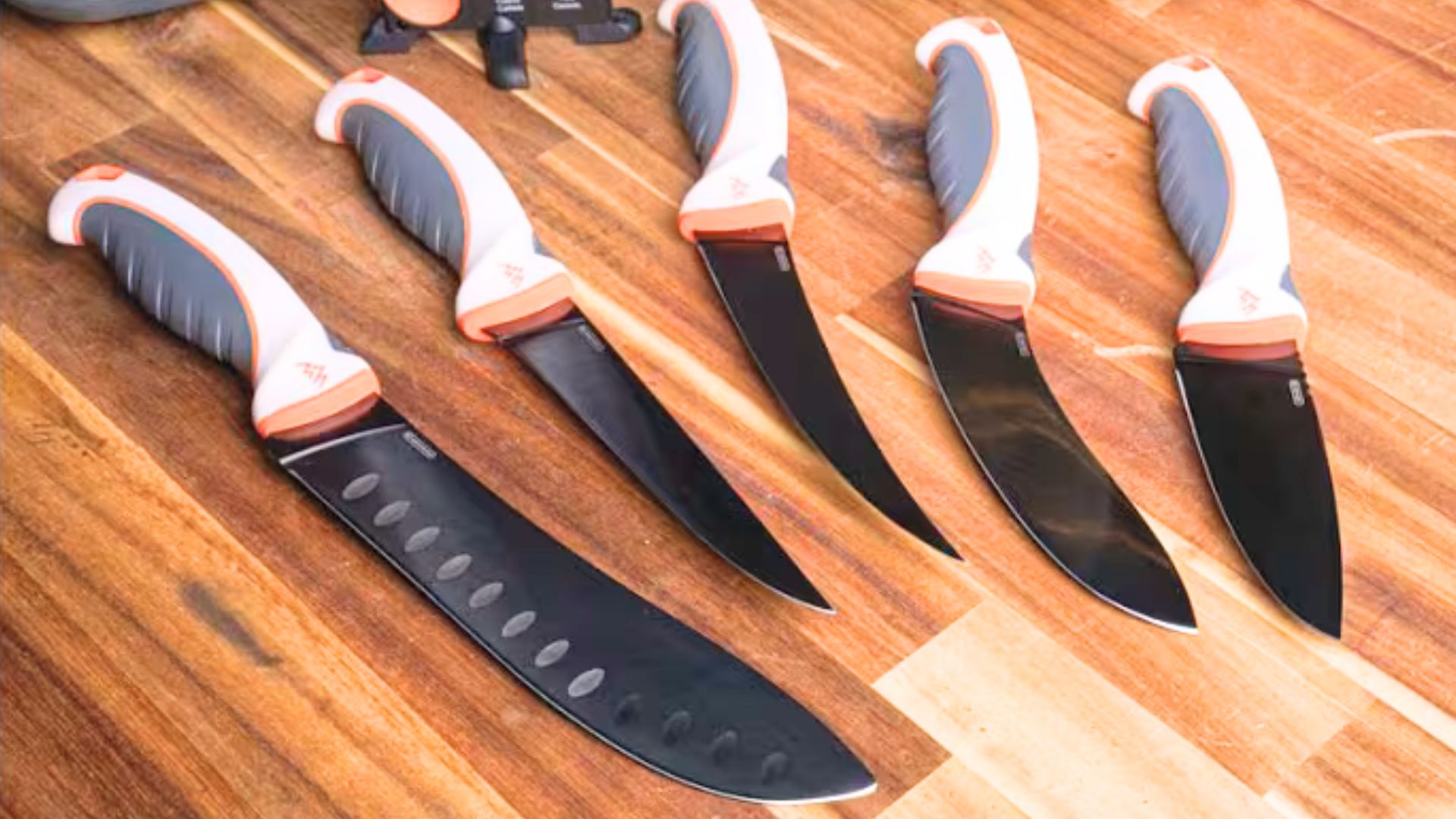
Big box store branded knife kits sound like a good deal — multiple knives, a saw, and a carrying case. The Cabela’s Game-Processing Set, however, falls short where it matters most: edge retention. The knives are made from mid-grade stainless steel that struggles with extended cutting. After one field dressing, they feel dull and cheap. The handles, while ergonomic, aren’t secure when wet. For someone who processes one small deer a year, they might hold up, but if you hunt often, they’ll end up collecting dust in your garage.
Schrade Frontier Fixed Blade
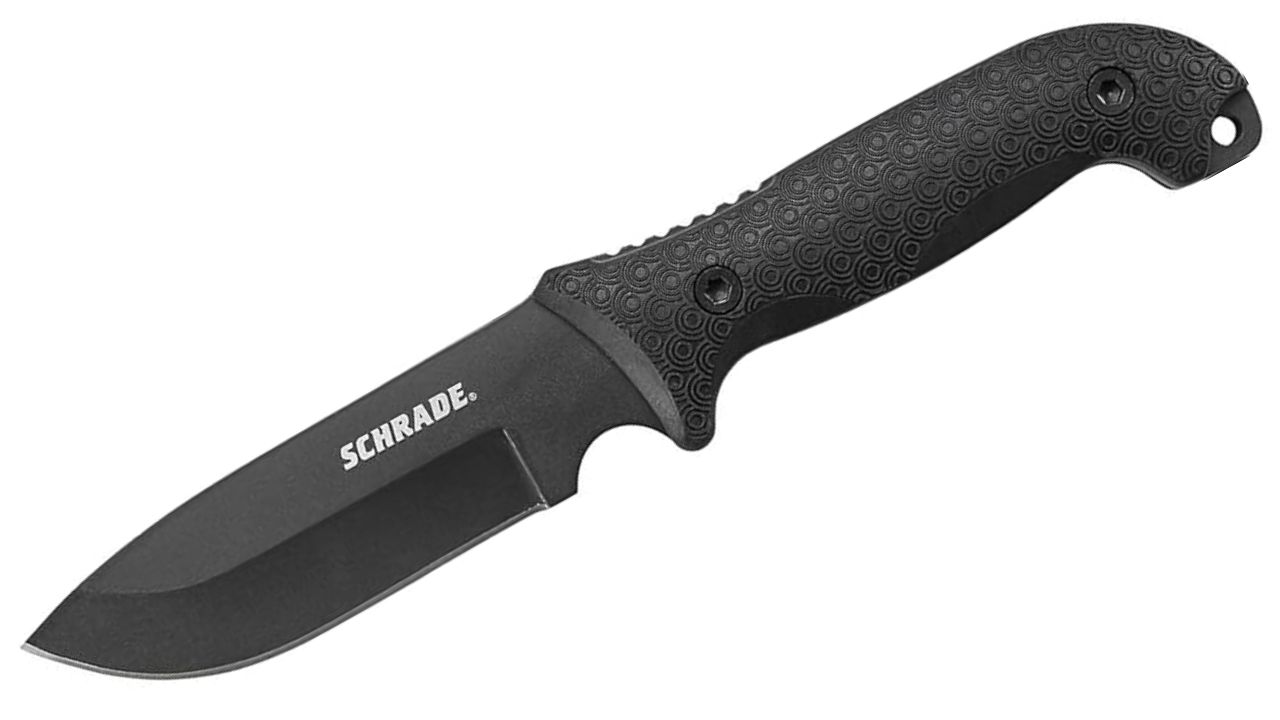
Schrade’s Frontier Fixed Blade looks rugged but doesn’t perform like it. The thick blade feels strong but doesn’t cut cleanly — it wedges into hide instead of slicing through it. The steel dulls fast, and it’s not easy to bring the edge back without a proper stone. The handle design also creates hotspots during longer jobs, making it uncomfortable to use. It’s a decent camp knife, but for field dressing, it lacks finesse and sharpness. Hunters who’ve tried it once rarely carry it again.
Camillus Carnivore
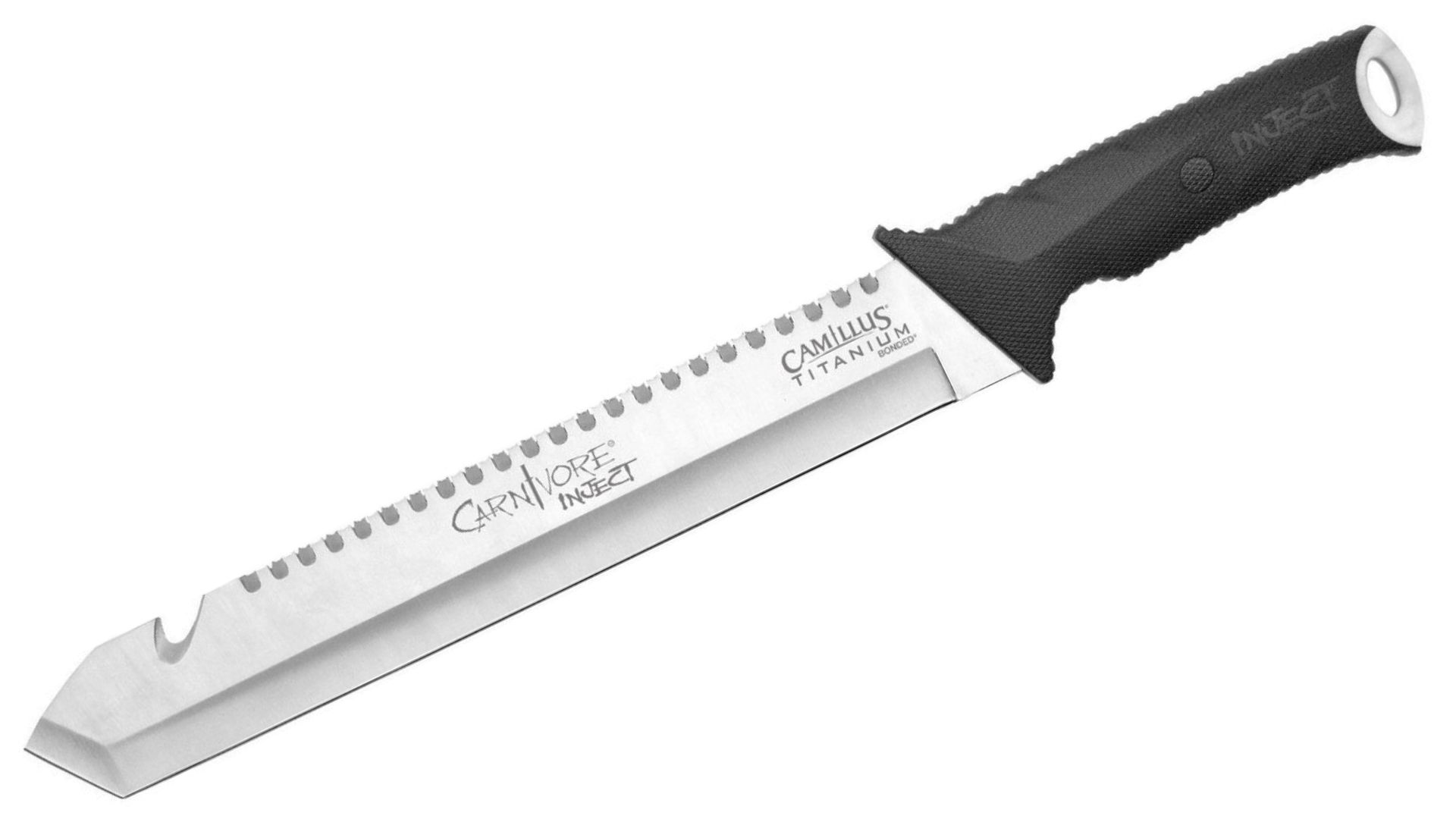
The Camillus Carnivore markets itself as a do-it-all knife, but it’s far from ideal for deer. It’s heavy, awkwardly balanced, and the sawback feature is more gimmick than tool. The blade steel chips easily and doesn’t take a lasting edge. It feels more like a backyard brush knife than a serious hunting tool. Many hunters who buy it for its “tactical” look quickly learn that bigger isn’t better when it comes to field dressing. It’s clumsy, dulls fast, and makes clean work almost impossible.
Browning Drop Point Hunter
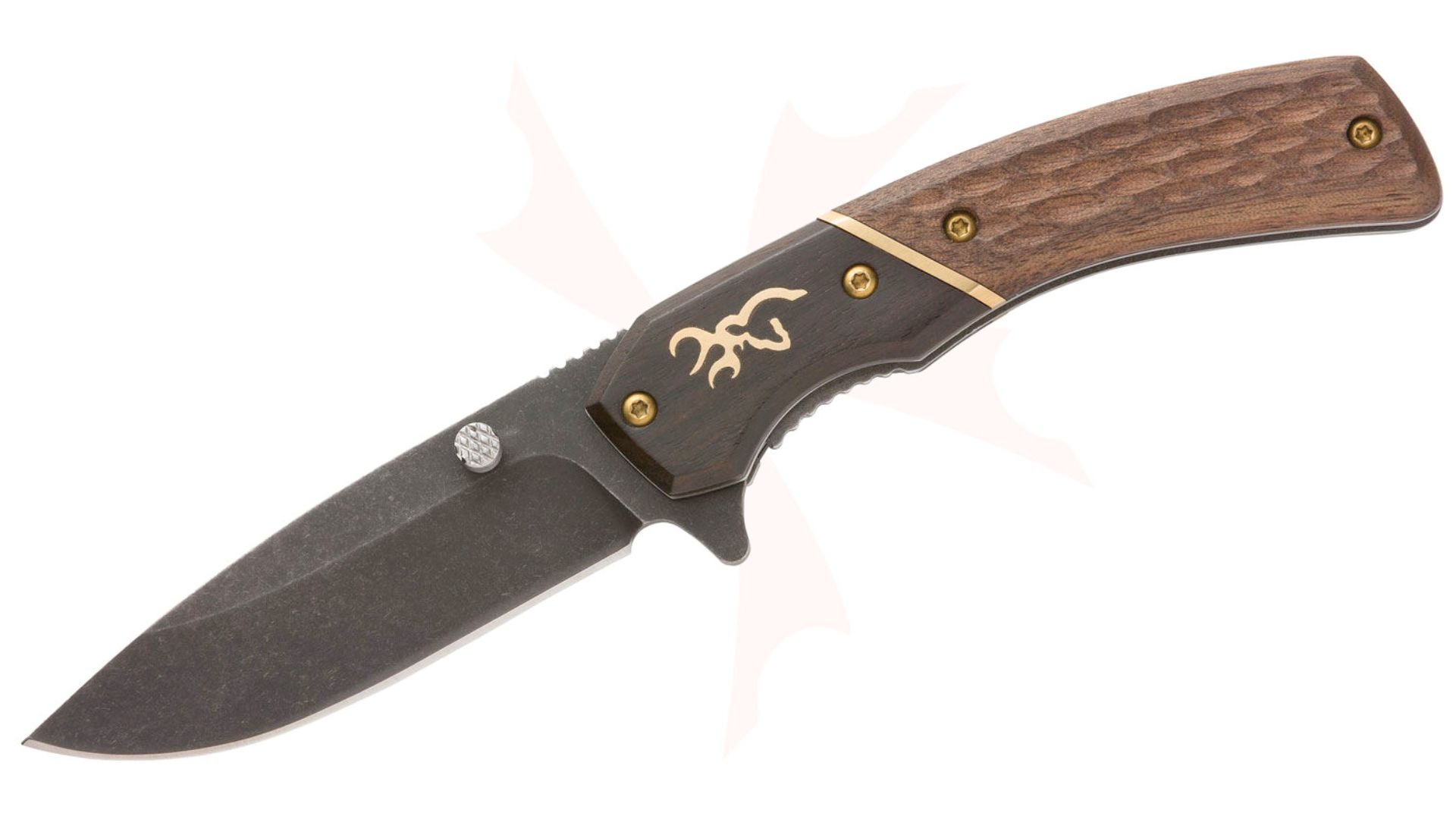
While Browning makes some solid gear, their entry-level knives can be hit or miss. The Drop Point Hunter, for example, suffers from a steel blend that dulls quickly and doesn’t hold up to repeated sharpening. The grip feels good initially, but after a few seasons, it starts to loosen or crack. It’s not a bad knife for someone who only hunts occasionally, but it won’t stand up to regular field use. For serious deer hunters, it’s an easy pass.
BuckLite Max II
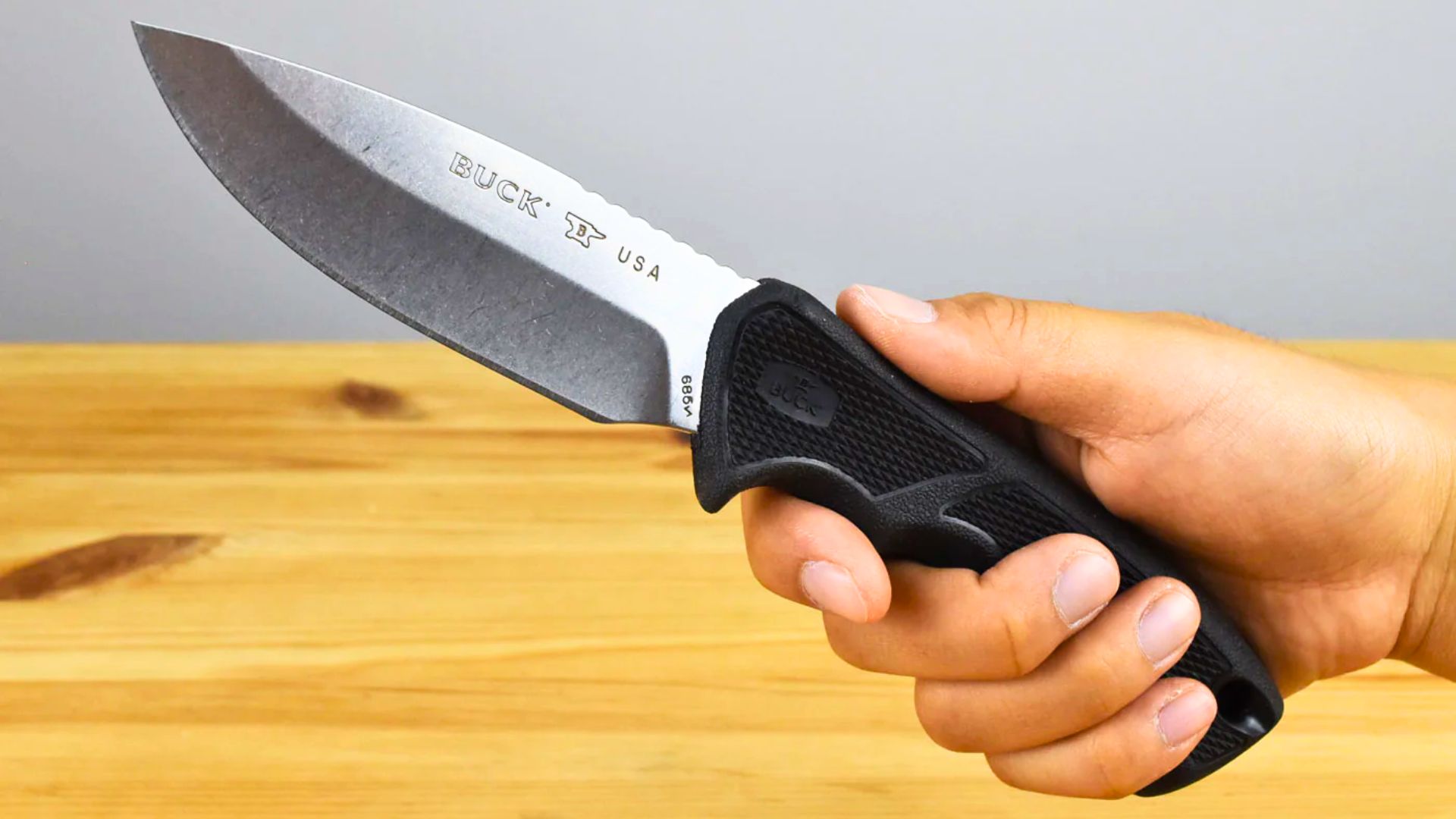
Buck makes excellent knives, but not every model is a winner. The BuckLite Max II tries to offer a lightweight, affordable option, but it sacrifices too much in the steel department. The blade is thin and loses its edge quickly, especially when cutting through joints or hide. The rubberized grip feels decent, but the knife flexes under pressure, giving it an unstable feel. For small game or camp chores, it’s fine, but when dressing a deer, it doesn’t inspire confidence.
SOG Field Knife
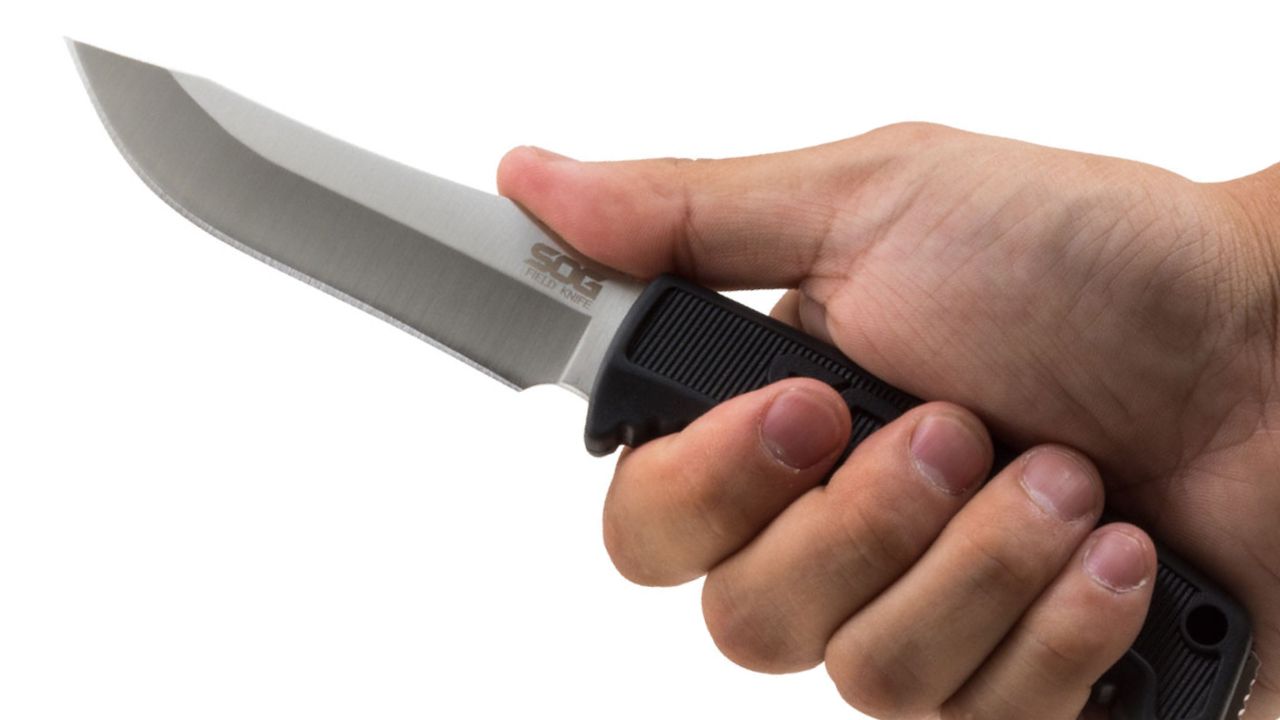
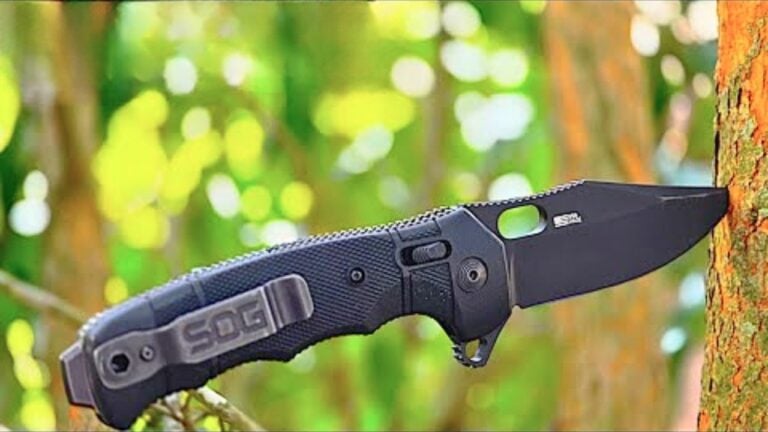
SOG’s fixed blades often look tactical and tough, but their hunting-focused models tend to struggle in real use. The blades are often made of softer stainless that dulls quickly and requires constant maintenance. Some models have hollow handles that rattle or trap moisture. On paper, they seem like a solid option, but in the field, they lack the durability and sharpness that deer hunters demand. If you’re carrying one, make sure there’s a backup in your pack.
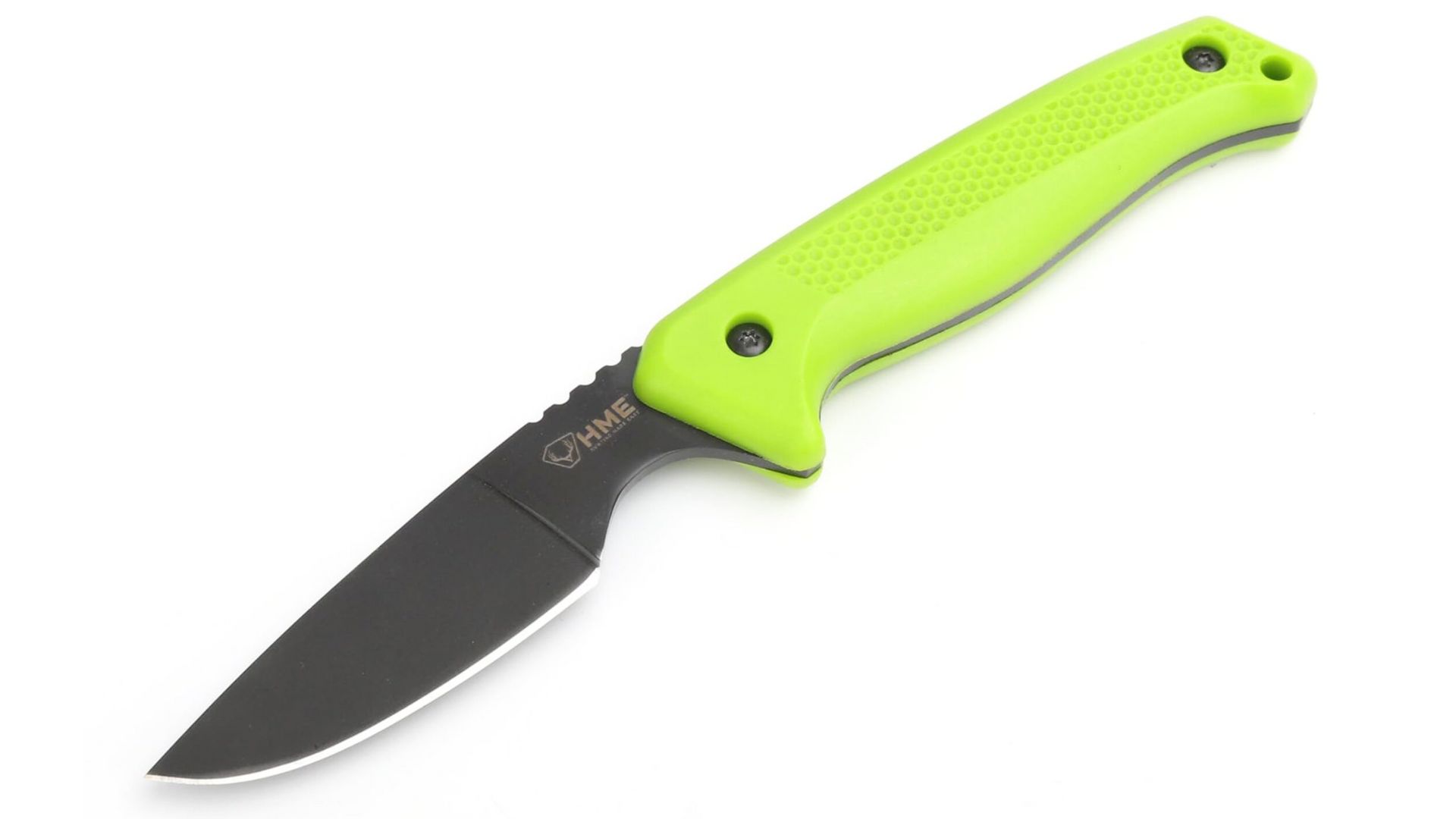
HME Fixed Blade Knife
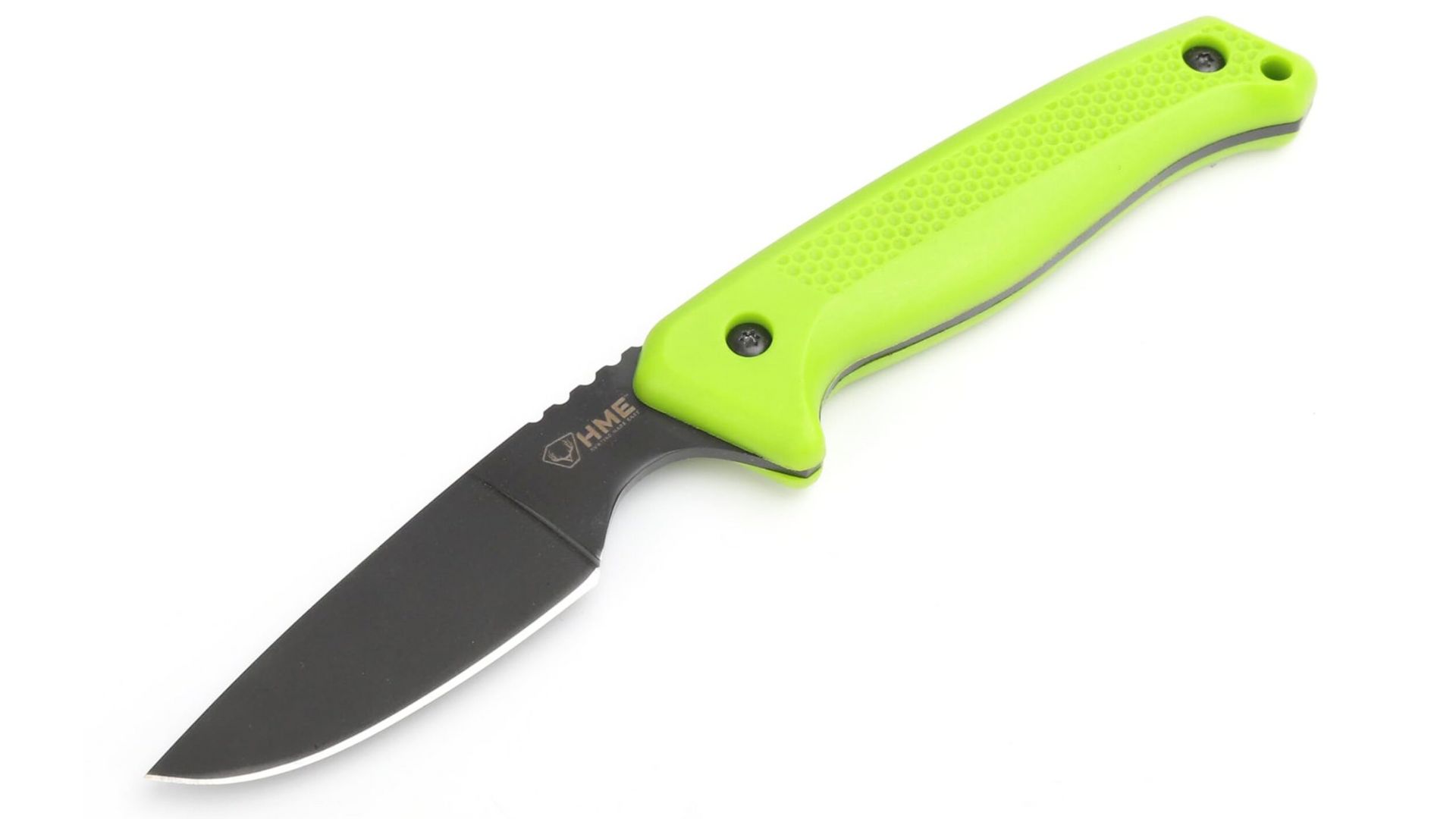
The HME hunting knife line is affordable, but it shows in performance. The steel is soft, meaning it dulls fast and struggles with hide or cartilage. The handles are slick and poorly shaped for long use, leading to hand fatigue. It might handle one deer if you’re lucky, but it won’t last through multiple hunts. Many hunters buy it as a budget backup, only to realize they’d have been better off spending a bit more for something that actually cuts well.
Columbia River Knife & Tool (CRKT) Hunt’N Fisch
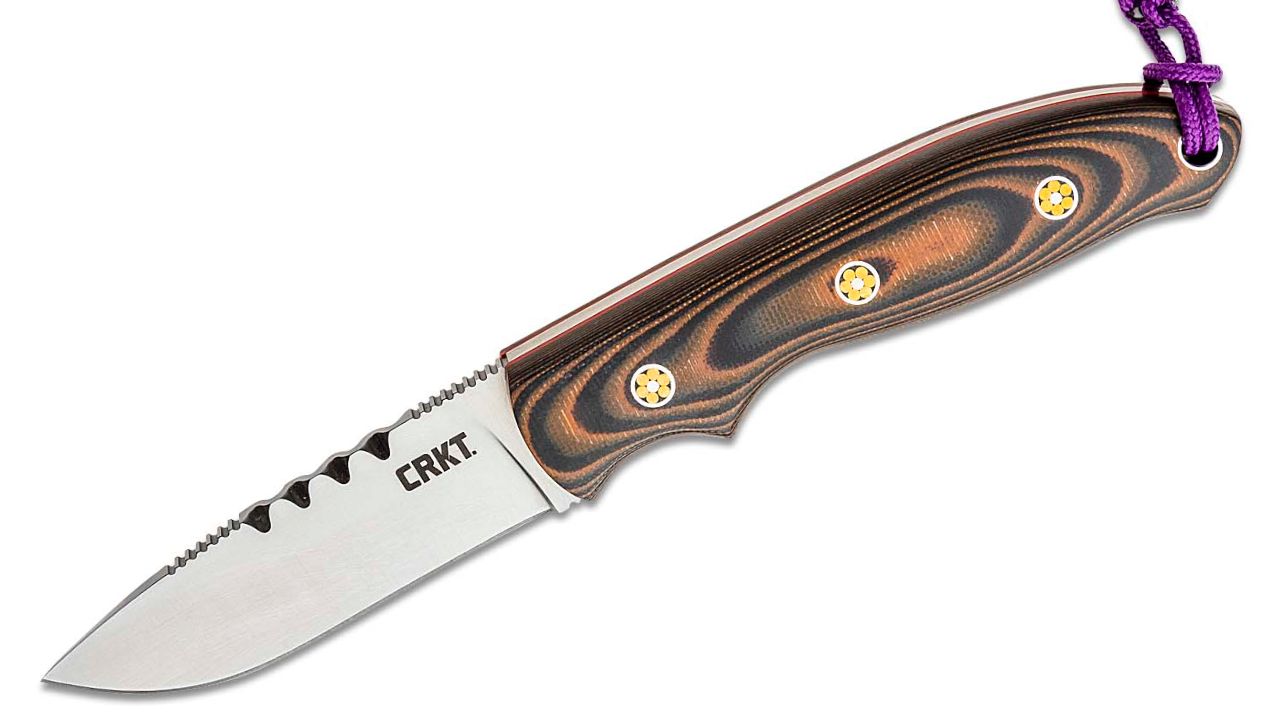
CRKT makes some great knives, but the Hunt’N Fisch isn’t one of them. The small blade size limits its usefulness for dressing larger animals, and the steel, while corrosion-resistant, loses its edge quickly. The handle’s shape causes hotspots during long cuts, and the knife can feel slippery in cold or wet conditions. It’s well-made in appearance but underwhelming in function — more of a collector’s knife than a workhorse in the field.
Ozark Trail Field Knife
You’ll find Ozark Trail knives hanging on plenty of store racks for under ten bucks, but that’s exactly where they belong. The steel is low-grade, dulls quickly, and sometimes even rusts in storage. The handle materials are uncomfortable and unsafe once bloody or wet. While it might get you through a small job, it’s not reliable for field dressing a deer. You’ll spend more time cleaning up the knife’s failures than the animal itself.
Gerber Myth Fixed Blade
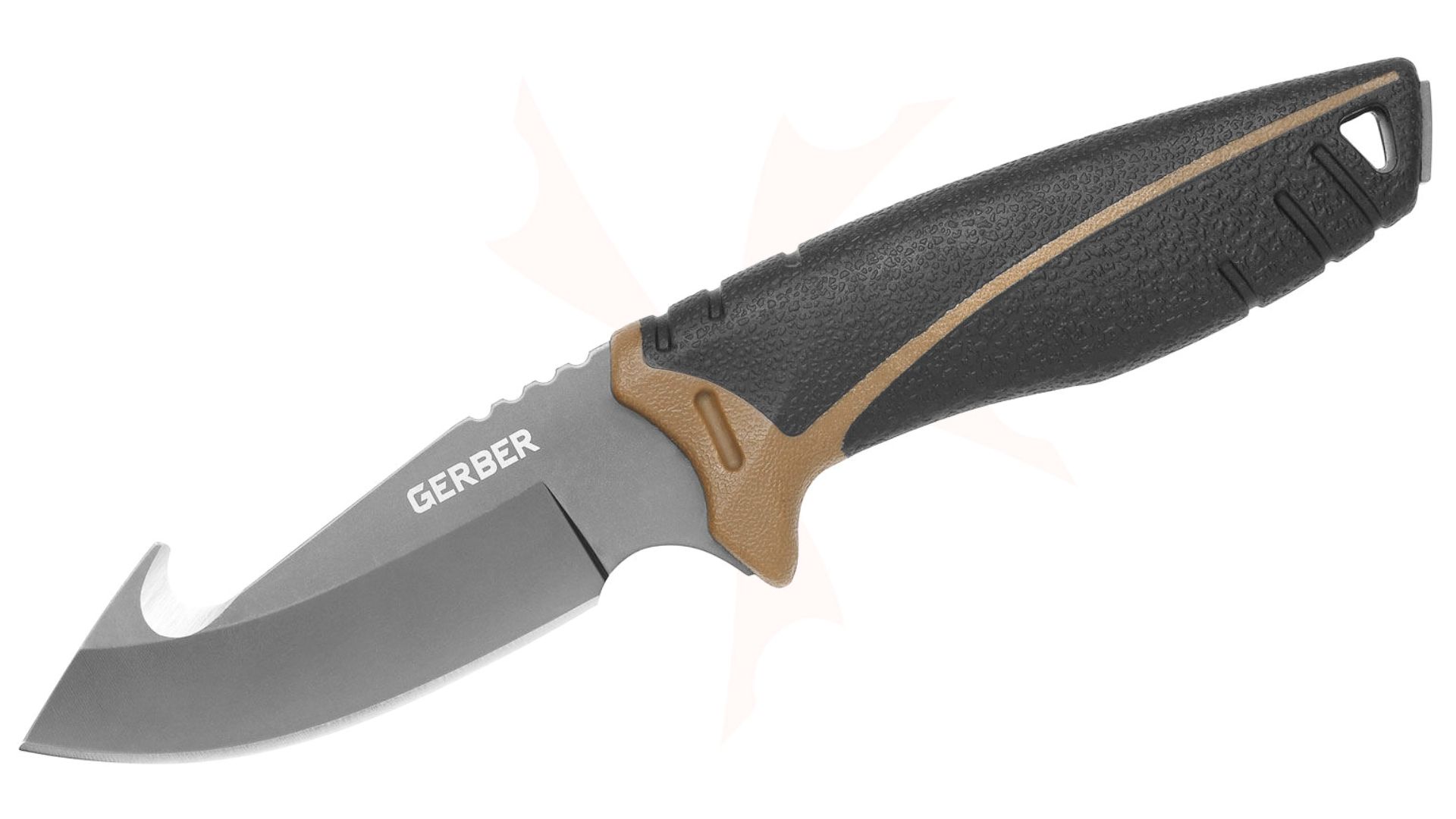
The Gerber Myth series looks like a purpose-built hunting line, but performance doesn’t back it up. The blades dull quickly and are difficult to sharpen evenly. The handles are slick once wet, and the sheath retention is unreliable. Many hunters report rusting after only a season of light use. It’s lightweight and comfortable to carry, but when it’s time to work, it simply doesn’t last. For serious hunters, there are better knives for the same money that won’t quit mid-cut.
Like The Avid Outdoorsman’s content? Be sure to follow us.
Here’s more from us:
The worst deer rifles money can buy
Sidearms That Belong in the Safe — Not Your Belt
*This article was developed with AI-powered tools and has been carefully reviewed by our editors.