Photo credit: HillbillyNitro USA/YouTube
Every hunter knows a guy who swears his old favorite caliber can still do it all—but time and real-world experience have a way of separating what works from what once sounded good around a campfire. Some of these rounds had their day, and a few can still get the job done, but nobody’s bragging about them anymore. They’re either underpowered, outdated, or replaced by cartridges that shoot flatter, hit harder, and kick less. You might still find a box or two gathering dust in the corner of the gun shop, but when it comes to serious hunters comparing notes, these calibers have quietly faded from the conversation.
.243 Winchester

The .243 Winchester used to be a rite of passage for young hunters, but these days, it’s more nostalgia than pride. Light recoil made it easy to love, but it’s also the reason many hunters outgrew it. On paper it looks fine, but in the field, too many deer have run off hit poorly by light bullets that failed to penetrate.
Modern options like the 6.5 Creedmoor or .25-06 handle wind better and hit harder. The .243 still works if you know its limits, but few serious hunters brag about “barely enough” anymore. It’s turned into a training caliber, not a bragging one—and that’s fine, as long as you treat it that way.
.30-30 Winchester
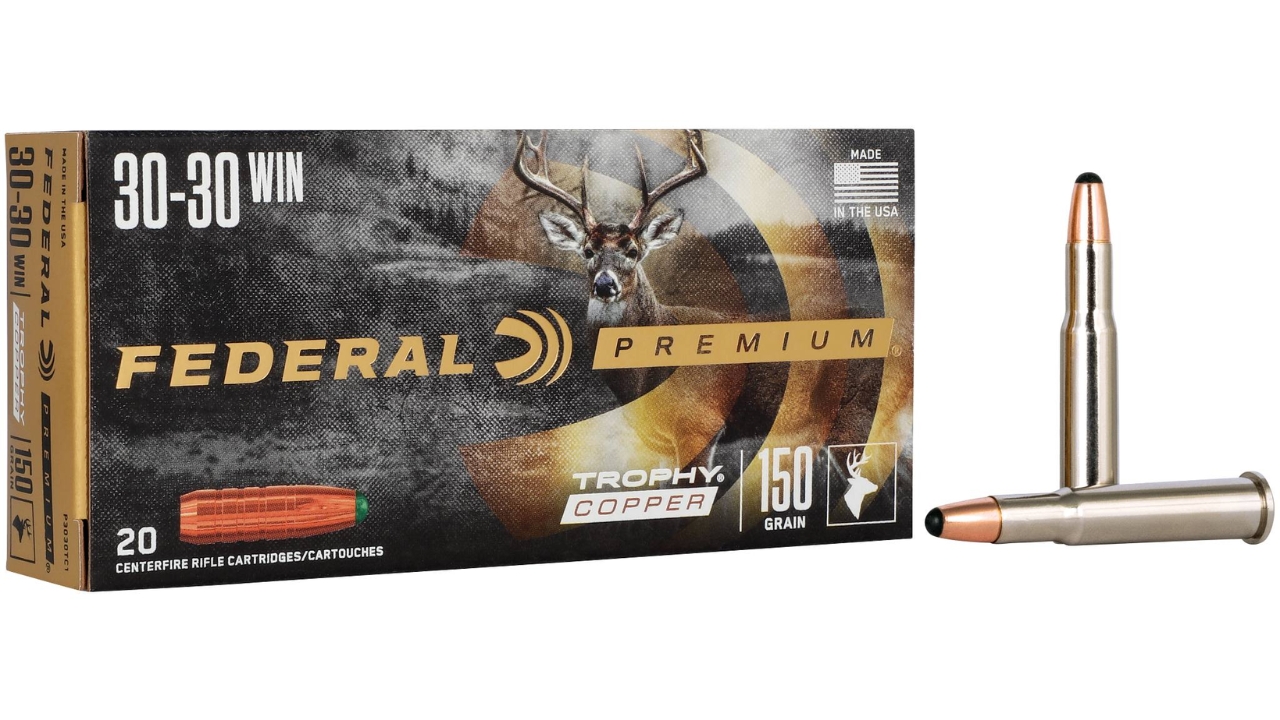
The .30-30 Winchester has filled more freezers than most calibers combined, but it’s not what anyone calls impressive anymore. Inside a hundred yards, it’s reliable. Beyond that, it’s fading fast. Lever guns chambered for it are classics, but when hunters today compare groups or ballistic charts, the old .30-30 looks like it’s standing still.
It drops fast past 150 yards, and its flat-nose bullets struggle with aerodynamics. Sure, it’s still enough for woods whitetails, but when precision and range matter, it’s been left behind. You won’t hear serious elk or mule deer hunters talking up their .30-30 anymore—they’ve moved on to rounds that keep their energy when the terrain opens up.
.270 Winchester Short Magnum
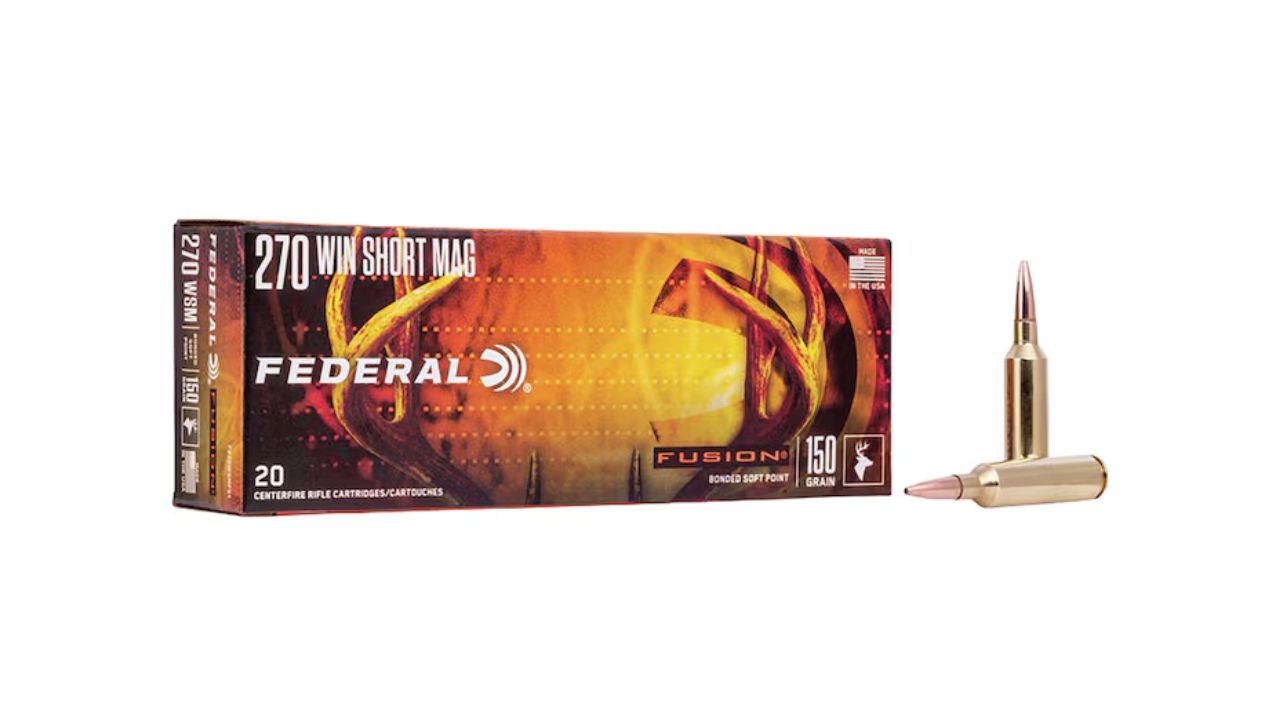
When the .270 WSM came out, it promised all the speed of a magnum in a short action. The problem is, it never lived up to that hype in the field. Recoil is stiff, barrel life is short, and the performance gap between it and the regular .270 Winchester isn’t big enough to justify the tradeoffs.
Ammo cost and availability sealed its fate. Hunters realized they could shoot more accurately and affordably with cartridges that offered nearly the same ballistics. It’s not a bad caliber—it’s just unnecessary now. The few who still shoot it do so quietly, because these days, the only thing it really outperforms is itself.
.35 Remington

The .35 Remington was once a woodsman’s dream—big, slow, and deadly up close. But as bullet technology evolved, it became clear you didn’t need that much drop to knock down deer or black bear. It’s an effective round, but limited range and fading ammo support pushed it into obscurity.
Serious hunters prefer flatter-shooting mid-bores like the .308 or .30-06 that stretch the distance and keep energy longer. The .35 Remington still hangs on with lever-action loyalists, but even they know it’s a relic. You won’t see it in the hands of anyone chasing open-country game, and you definitely won’t hear it mentioned with pride around a modern deer camp.
.300 Winchester Short Magnum
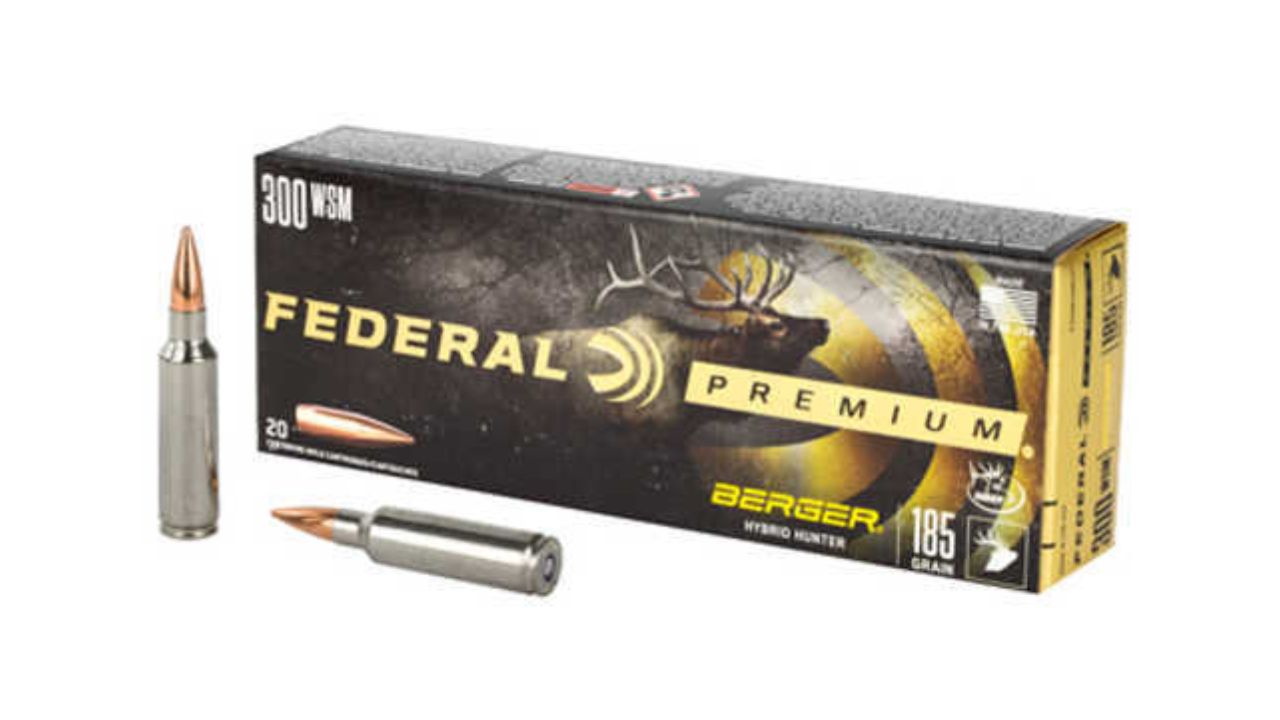
The .300 WSM was supposed to replace the .300 Win Mag by offering magnum power in a shorter case, but reality didn’t play along. It’s finicky to load, burns barrels fast, and doesn’t feed smoothly in many rifles.
It performs well enough, but shooters realized the standard .300 Win Mag already did everything it could—more consistently and with easier ammo to find. Hunters who tried to love the WSM usually went back to the original. Today, you’ll find more of these rifles on consignment racks than in hunting blinds. It’s a fine round that never found a purpose strong enough to brag about.
.22-250 Remington
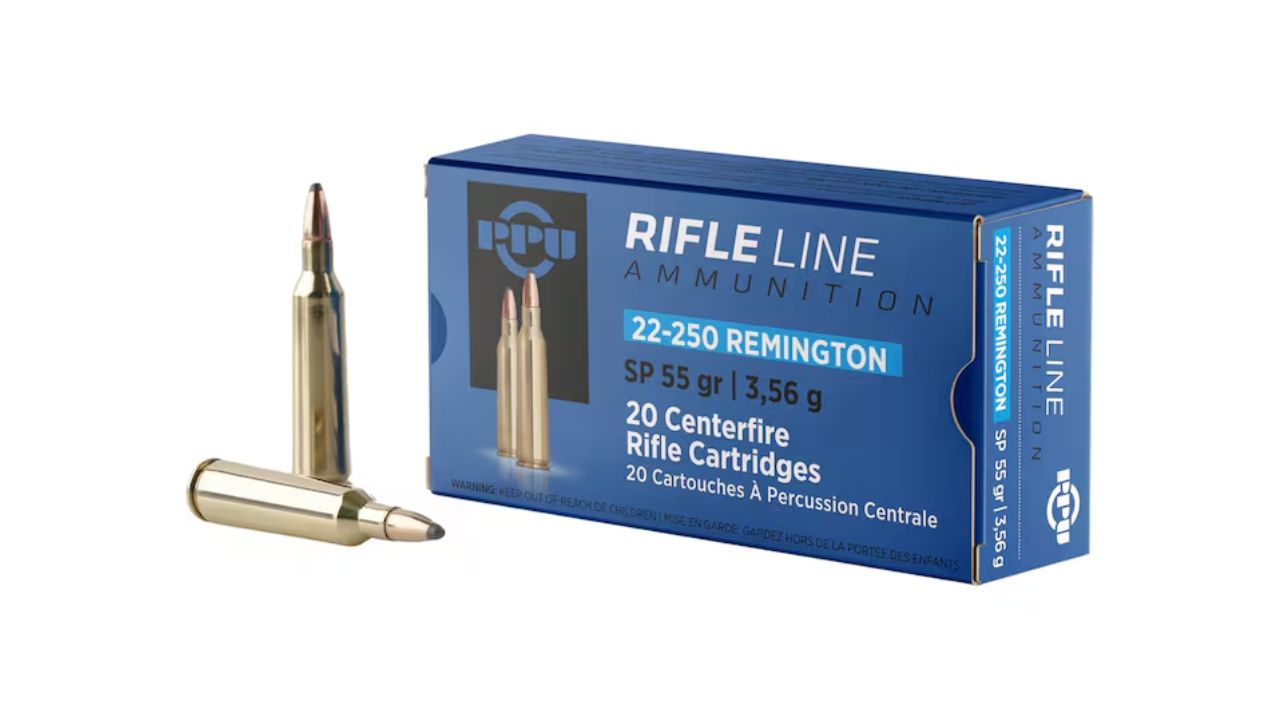
The .22-250 was the king of varmint calibers for decades. Flat-shooting, fast, and loud enough to turn heads at the range—it was a predator hunter’s dream. But with the rise of the 6mm and 6.5mm crowd, it’s become more of a curiosity.
The .22-250 is brutal on barrels, hard on brass, and marginal for anything larger than coyotes. It’s not legal for big game in many states, and for the effort it takes to handload it right, most hunters just move to the 6.5 Grendel or .223 with heavy bullets. The .22-250 still shines in nostalgic circles, but no one brags about 4,000 fps anymore when accuracy and consistency win the day.
.25-06 Remington

The .25-06 Remington had its glory days as the “ultimate deer caliber,” but newer options have quietly replaced it. It shoots flat and hits clean, but it also burns barrels faster than most hunters like to admit. The recoil is sharper than you’d expect for its bullet weight, and ammo choices have dwindled.
When the 6.5 Creedmoor arrived, it offered the same trajectory with better bullet selection and less punishment. The .25-06 still works great in the right hands, but few hunters bother to tune loads or brag about it anymore. It’s become the “my dad’s rifle” caliber—effective, reliable, and largely forgotten by a new generation.
7mm-08 Remington
For years, the 7mm-08 was the quiet hero of the deer woods—flat-shooting, efficient, and accurate. But as newer cartridges came along, it got crowded out. The 6.5 Creedmoor matches its trajectory with less recoil, and modern 7mm rounds outperform it in range and punch.
Hunters still using it don’t have complaints—it does its job—but no one calls it impressive anymore. It’s steady, predictable, and unremarkable in a field full of sharper contenders. The 7mm-08 is like an old hunting jacket that still fits but never gets noticed—it works fine, it’s just not brag-worthy anymore.
.300 Savage
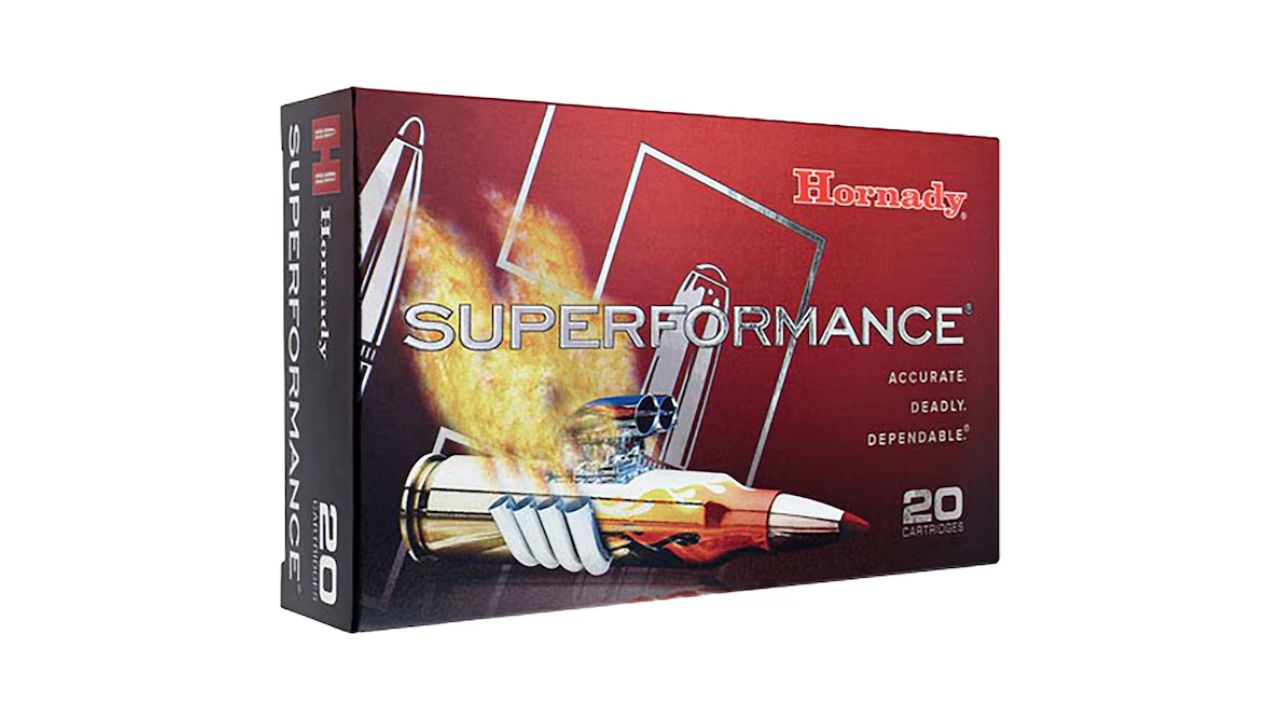
Once considered a powerhouse, the .300 Savage was revolutionary in the 1920s. It packed .30-06-level energy into a shorter case and helped inspire the .308. But now, it’s a footnote in ballistic history.
Ammo is rare, rifles chambered for it are aging, and performance that was once cutting-edge now looks mild. It’ll still drop a deer cleanly, but so will half a dozen cheaper, more available options. Hunters respect the .300 Savage for what it was, not what it is. Today, bragging about it is like bragging about your rotary phone—it once changed the game, but the game moved on.
.264 Winchester Magnum

The .264 Win Mag promised blistering speed and flat shooting, but it came with a price—throat erosion. Barrel life was short, and for all that speed, its terminal performance didn’t outshine the .270 or 7mm Rem Mag.
Hunters who tried to love it often found accuracy fading long before they expected. It never fully recovered from that reputation. Even though newer bullets could make it shine again, most shooters never went back. When a caliber’s best story is how fast it burns out barrels, no one brags about it at deer camp anymore.
.358 Winchester
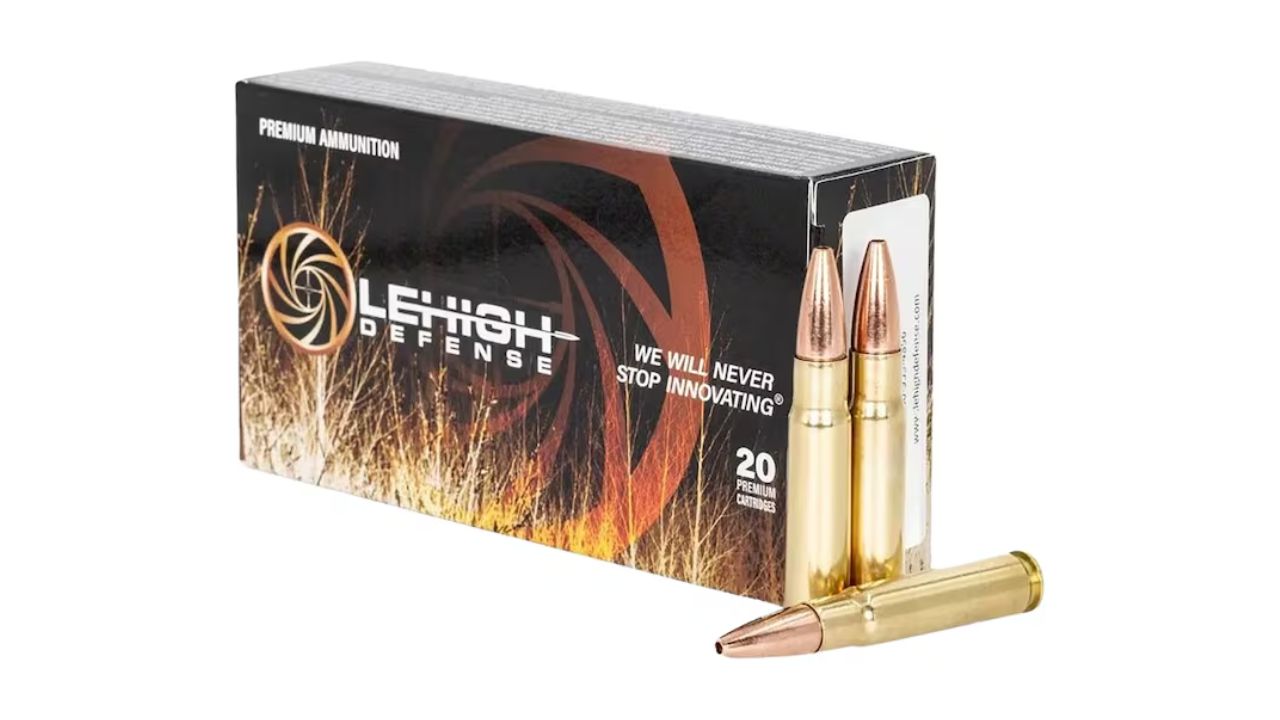
The .358 Winchester has power, no doubt—but power isn’t everything. Its heavy recoil and rainbow trajectory made it a tough sell for most hunters. Sure, it’ll drop anything inside 150 yards, but past that, it loses its charm fast.
For woods work, it’s fine, but serious hunters prefer cartridges that give more reach and flexibility. The .358 never caught on widely, and with modern options like the .308 and 6.5 PRC taking center stage, it’s been all but forgotten. It’s strong, yes—but bragging about it today feels like showing up with a flip phone.
.222 Remington
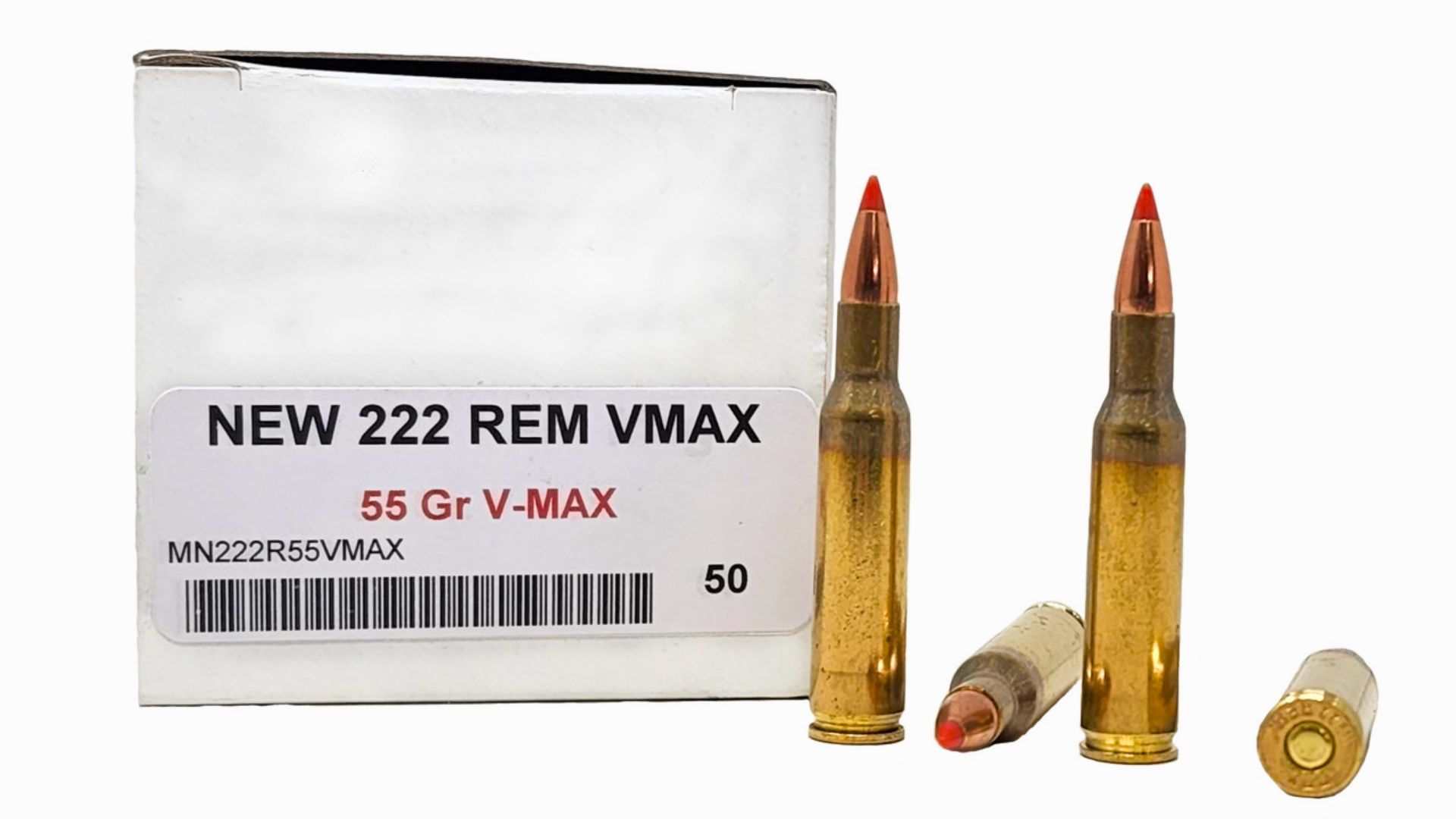
The .222 Remington once ruled the varmint scene before the .223 stole the spotlight. It’s quiet, accurate, and easy to reload, but it’s also outdated. Ballistics that once seemed revolutionary are now surpassed by everything from the .204 Ruger to the .224 Valkyrie.
Ammo is harder to find, and modern rifles rarely chamber it. If you’ve got one, it’s more a piece of nostalgia than a go-to tool. The .222 is still fun on paper targets or prairie dogs, but no serious hunter brags about it anymore—they’ve moved on to rounds that stretch farther, faster, and flatter.
.32 Winchester Special
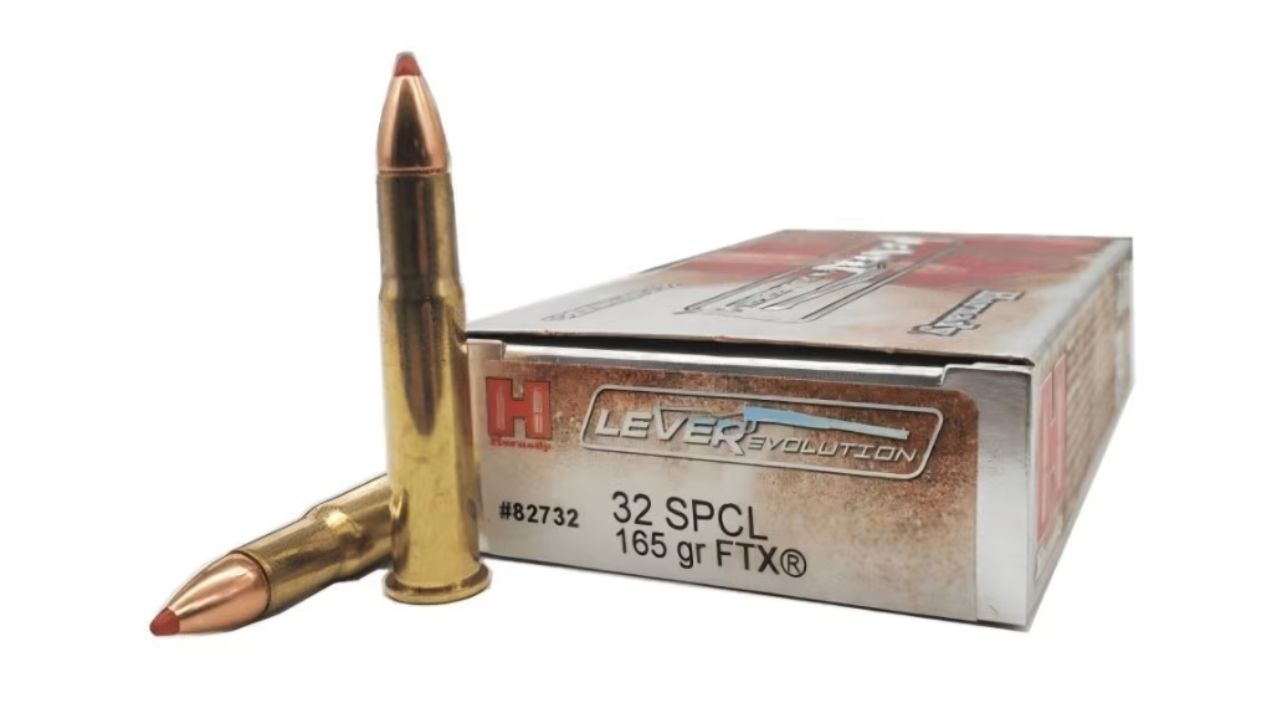
The .32 Winchester Special once tried to improve on the .30-30, but it never truly did. Ballistically, it’s nearly identical, but with fussier reloads and ammo that’s nearly impossible to find. It offered nothing that the .30-30 didn’t already do—except confuse new shooters.
A few lever-gun collectors keep them alive, but nobody brags about running a .32 WS in the woods anymore. It’s one of those calibers that slipped into obscurity without ever earning a reason to stay. It’s nostalgic, sure—but if you want results, you’re reaching for something modern.
.280 Remington

The .280 Remington was supposed to thread the needle between the .270 and .30-06—but it ended up lost in the middle. It performs well, but it’s been overshadowed by rounds that do the same job with more support and better press.
Hunters who shoot it love it quietly, but they don’t brag about it. The ammo shelves rarely have it, and new rifles chambered for it are few. It’s accurate, reliable, and perfectly fine—but “perfectly fine” doesn’t earn bragging rights anymore. The .280 is a great round that never became a great story.
.45-70 Government (in modern hunting)
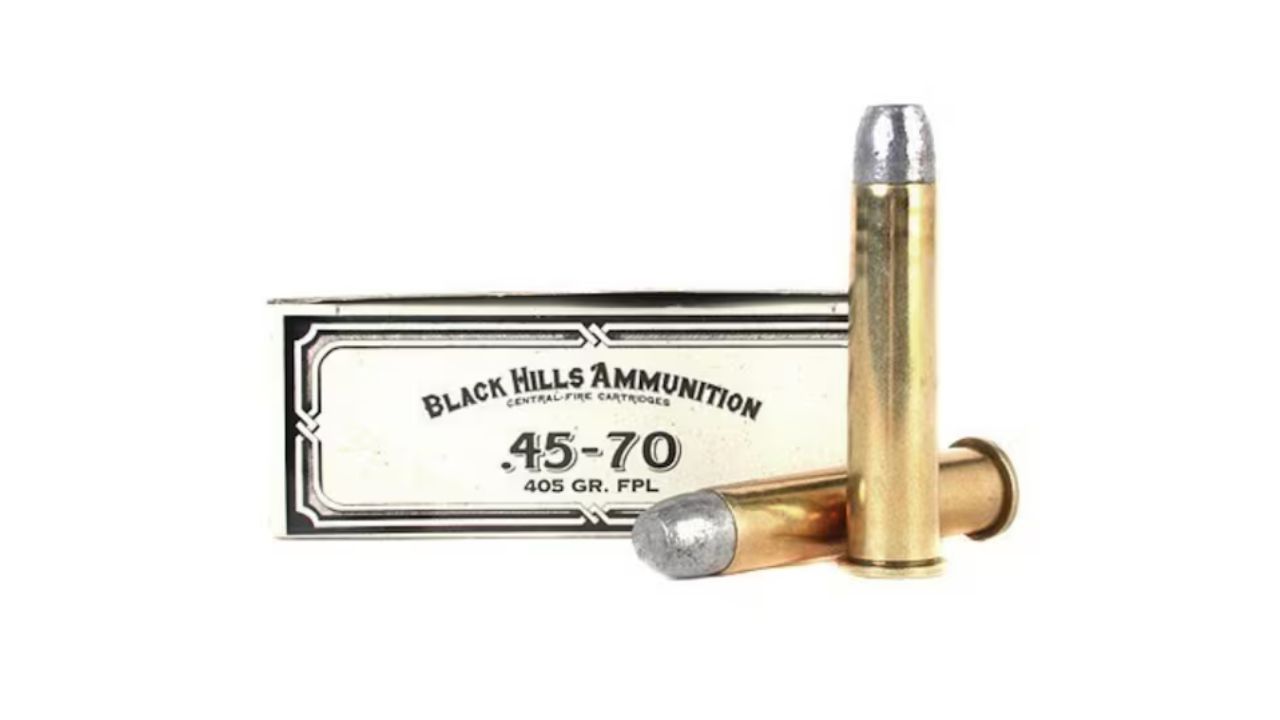
Yes, the .45-70 still has fans, but among serious modern hunters, it’s not a flex anymore. With rainbow-like drop and limited range, it’s a specialist’s tool—fun in lever guns, brutal on recoil, and not ideal for long-range precision.
Its nostalgia keeps it alive, but performance-wise, it’s been surpassed in every meaningful way. In dense timber, it still works fine, but beyond a hundred yards, you’re lobbing bullets more than shooting them. For all its history and charm, no serious modern hunter brags about bringing a 150-year-old cartridge into a long-range era. It’s earned respect—but not awe.
Like The Avid Outdoorsman’s content? Be sure to follow us.
Here’s more from us:
The worst deer rifles money can buy
Sidearms That Belong in the Safe — Not Your Belt
*This article was developed with AI-powered tools and has been carefully reviewed by our editors.