Photo credit: Hinson Outdoor Channel/YouTube
Some firearms make a strong first impression and then slowly wear thin. Others do the exact opposite. They seem ordinary, overly familiar, or just a little too plain to stand out at first, but the longer people own them, shoot them, carry them, or try replacing them, the more they start to make sense. That kind of appreciation is harder to earn, and usually more honest.
These are the firearms people appreciate more with time. Not because hype finally caught up to them, but because real use, changing tastes, and a little perspective exposed what was there all along.
HK P7 PSP

The HK P7 PSP is one of those pistols people often admire early for being unusual, but appreciate later for being far smarter than unusual guns usually are. The squeeze-cocker system gets the attention first, along with the all-steel build and the very German sense that every part has a reason for being there. At first, that can make it feel like more of a fascinating curiosity than a practical sidearm.
Then you spend real time with one. The pistol sits low, shoots flat, carries better than many people expect, and feels more serious with every range session. What looked like an eccentric choice starts feeling like one of the more thoughtfully built carry pistols ever made. That shift happens a lot with the P7. The novelty fades, and the respect gets deeper.
Remington 11-48
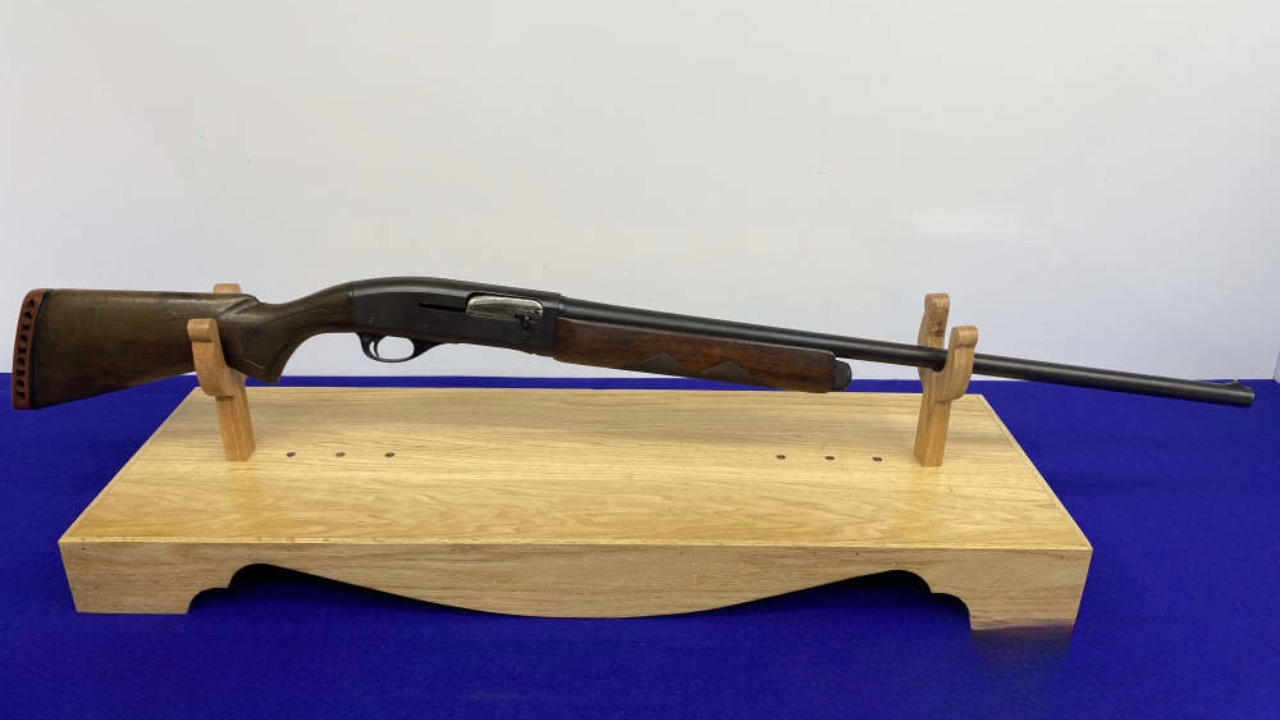
The Remington 11-48 rarely gets the immediate enthusiasm of some better-known old autoloaders, which is part of why it ages so well in people’s minds. It can seem like the in-between shotgun at first. Not quite as iconic as the Auto-5, not quite as culturally loud as the 1100, and easy to pass over if you are shopping with your eyes more than your hands.
Then you actually carry one in the field. The lines make more sense, the weight feels right, and the whole shotgun starts showing you what a practical old hunting auto is supposed to feel like. Over time, the 11-48 tends to go from “interesting old Remington” to “I should have taken this gun more seriously sooner.”
Walther P5
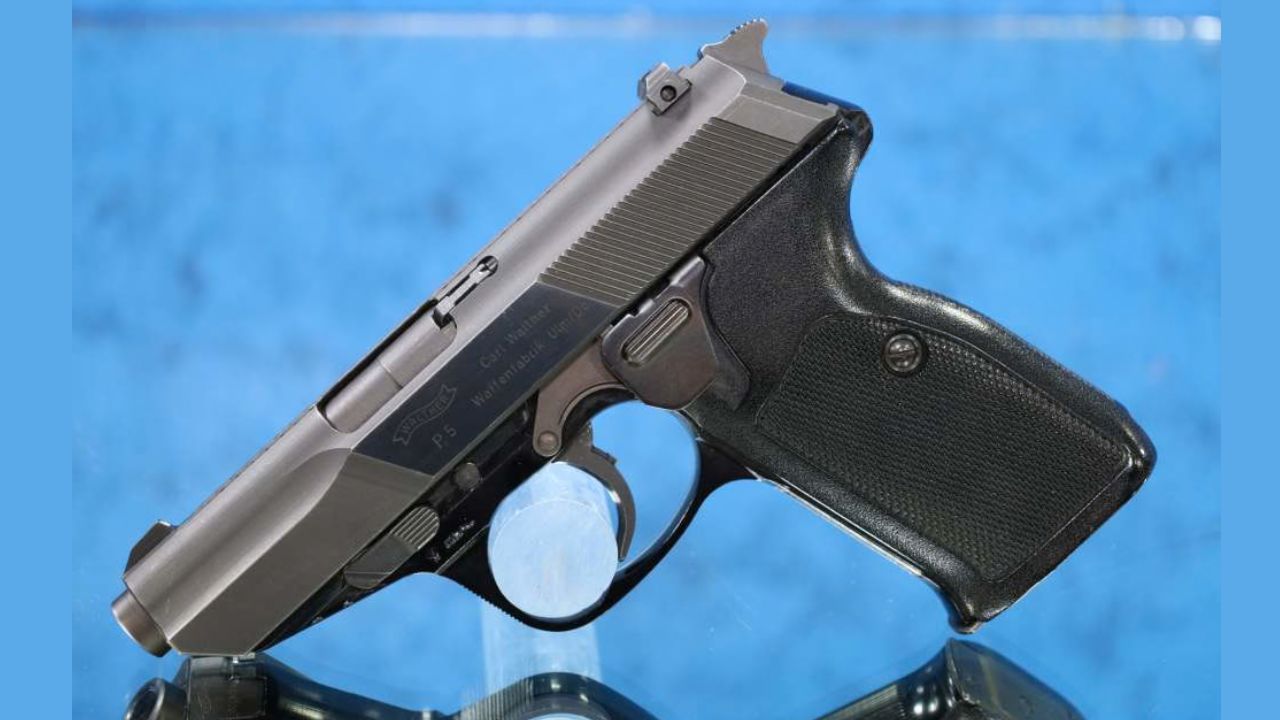
The Walther P5 is one of those handguns that almost always grows on people after the first impression. At first it can feel like a pistol from an odd branch of handgun history, neither as widely recognized as some older service pistols nor as immediately intuitive as more modern designs. That can make it easy to admire without fully connecting to what makes it special.
Given enough time, that changes. The contours, the handling, and the whole sense of purpose begin to land much harder. It starts feeling less like an obscure alternative and more like a sidearm built by people who were thinking very carefully about carry, shooting comfort, and real-world function. A lot of pistols get flatter with familiarity. The P5 usually gets richer.
Browning A-5 Light Twelve
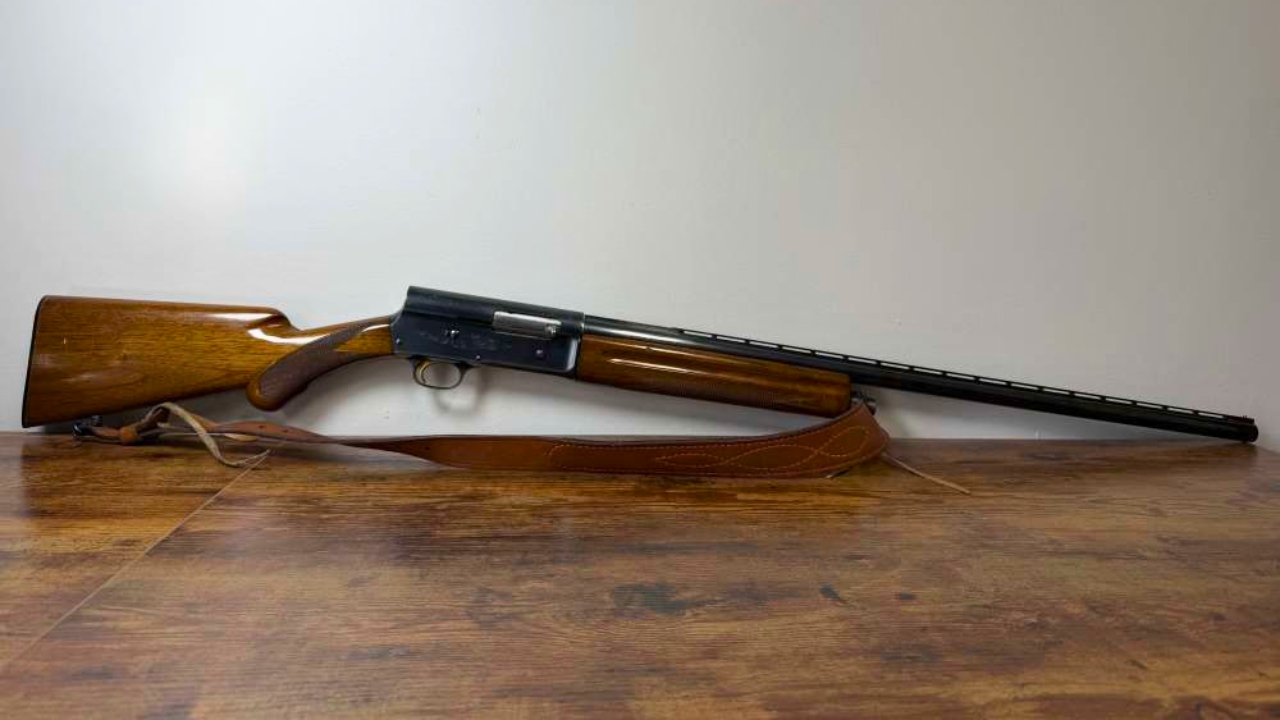
The Browning A-5 Light Twelve is easy to appreciate on day one for the name and the profile alone, but what deepens with time is how much sense the shotgun still makes in the field. At first, buyers may think they are mostly buying into history, nostalgia, and that unmistakable humpback silhouette. All of that is real, but it is not the whole story.
The longer people own one, the more the handling starts to matter. The balance, the swing, and the simple field confidence of the gun begin to overshadow the history lesson. What first looked like an old classic gradually turns into a shotgun that still feels alive and useful, which is exactly why appreciation for it tends to get stronger rather than weaker.
Dan Wesson Model 15

The Dan Wesson Model 15 tends to be appreciated more with time because it usually starts out as the revolver people respect without fully prioritizing. It never had the mainstream pull of some rival wheelguns, and that made it easy to categorize as the interesting alternative rather than the one people were supposed to want first. That early underestimation works in its favor later.
Once shooters spend real time with one, the appeal gets harder to miss. The accuracy, the strength, and the overall mechanical seriousness of the revolver start standing out more and more. It begins to feel less like a side path and more like one of the smarter revolver designs of its era. That is usually how lasting appreciation works. It replaces assumption with experience.
Ruger 44 Carbine
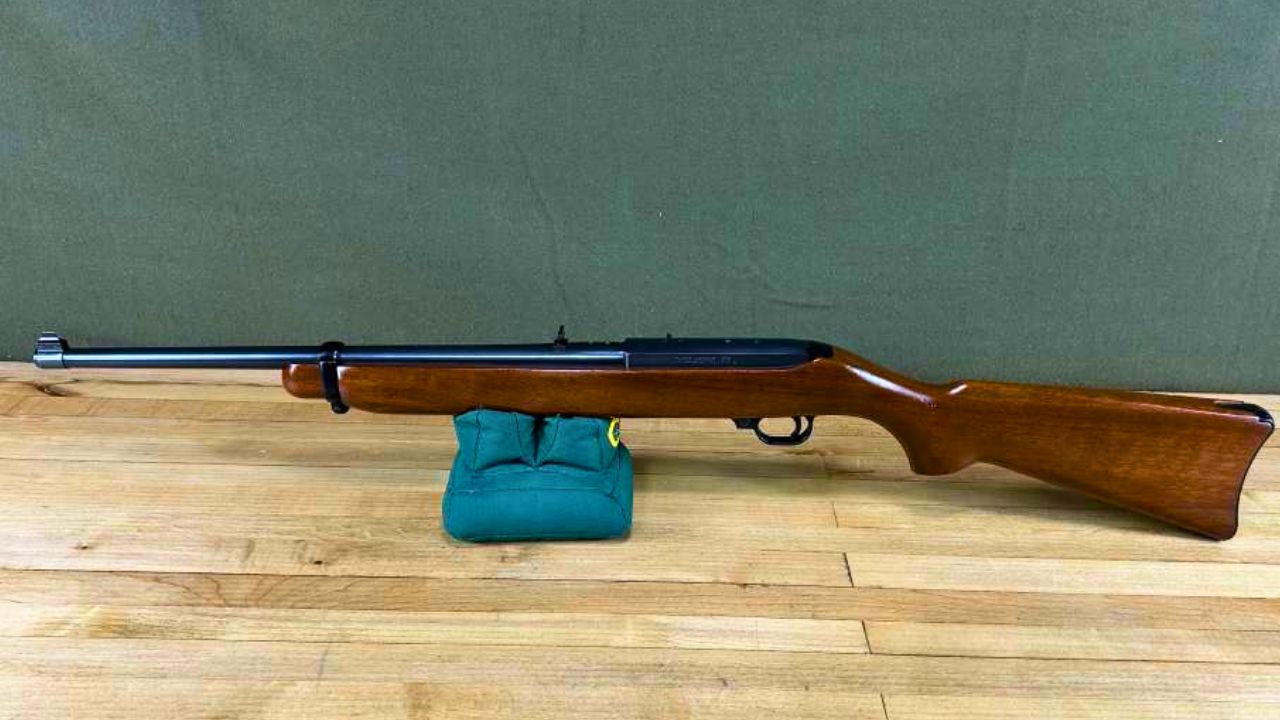
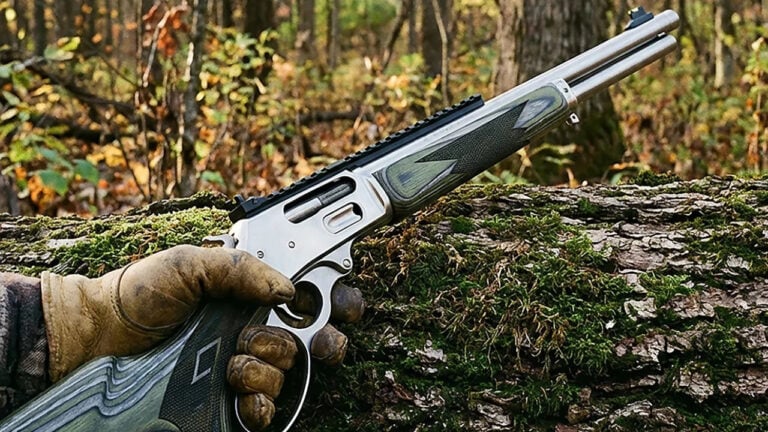
The Ruger 44 Carbine is one of those rifles that can seem almost too specific at first. It looks like a neat little deer gun with some vintage charm, but not always like the rifle that deserves immediate obsession. That keeps some buyers from really seeing it early. It feels practical, sure, but maybe a little narrow in purpose.
Time changes that. The handiness starts to stand out, the carbine feel gets more appealing, and the fact that it was solving a very real woods-hunting problem becomes clearer the more modern rifles start feeling bulkier and less natural. A lot of owners wind up appreciating the 44 Carbine more every year because it never stops making field sense.
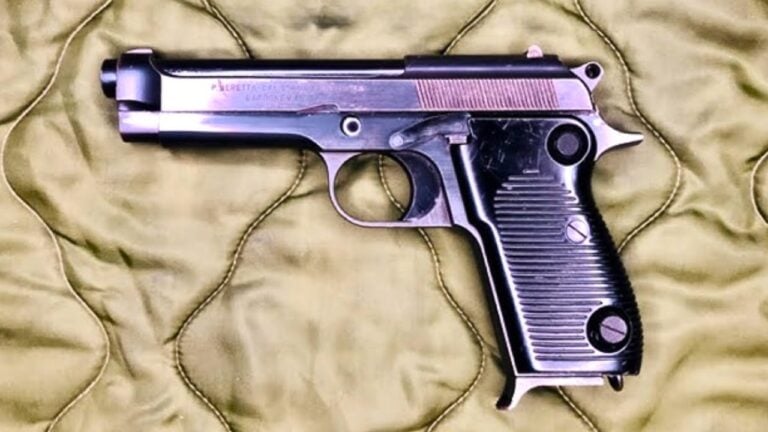
Smith & Wesson 1076
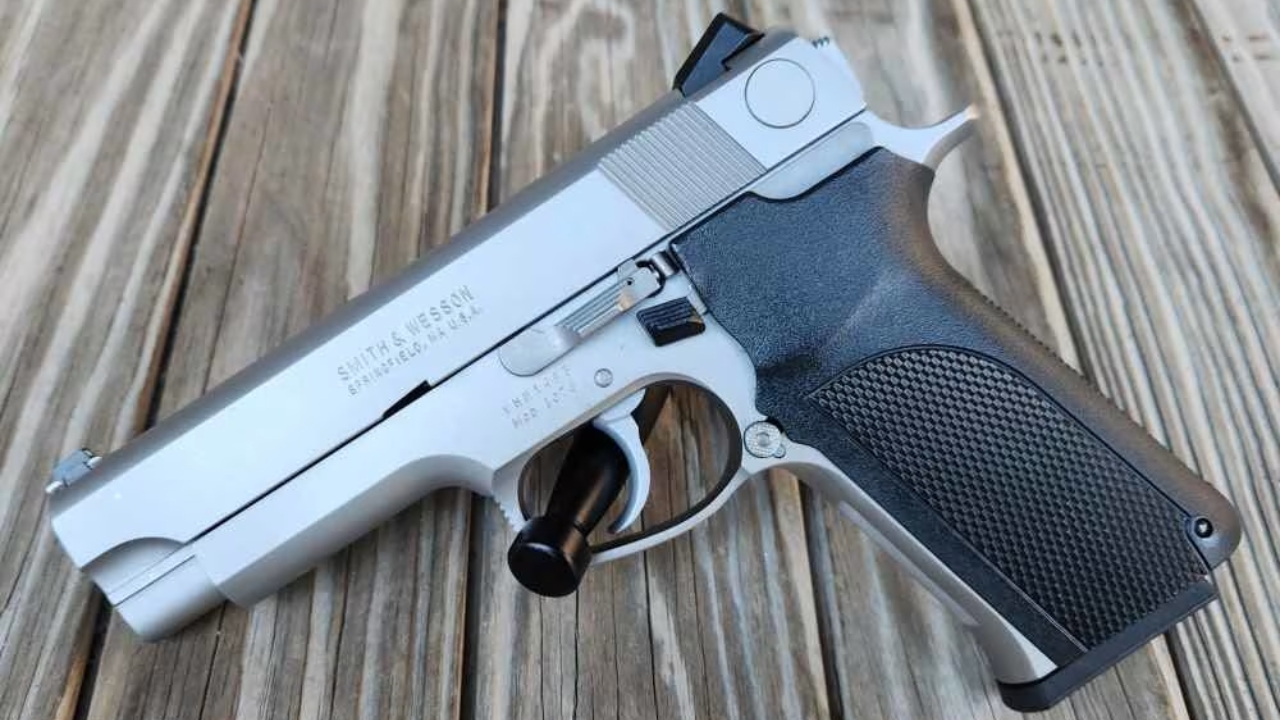
The 1076 is one of those pistols that buyers often understand much better in hindsight than they did standing at the counter. At first glance, it can look like a big, heavy, old-duty-gun answer to a question the market has already moved past. That is exactly the kind of first impression that causes people to undervalue a handgun that was built with real seriousness.
Then enough time passes, and enough people get tired of lightweight pistols that feel disposable or incomplete. Suddenly the old 10mm Smith starts looking very different. The weight feels reassuring instead of excessive. The all-steel construction feels deliberate instead of dated. The 1076 tends to improve in the mind because the market around it has gotten less substantial, not more.
Ruger Red Label

The Ruger Red Label often gets appreciated more over time because over-under shotguns are easy to judge too quickly. At first, buyers may compare it against cleaner European names or prettier doubles and come away thinking the Ruger is simply the practical American option. That description is not wrong, but it misses what the gun gradually proves.
Once it gets hunted and carried, the practicality starts looking like the point instead of the compromise. The Red Label has a kind of straightforward usefulness that keeps aging well, especially for owners who value a field gun more than a safe queen. A shotgun like that tends to become more satisfying with years, not less, because the owner keeps seeing where it fits.
Star PD
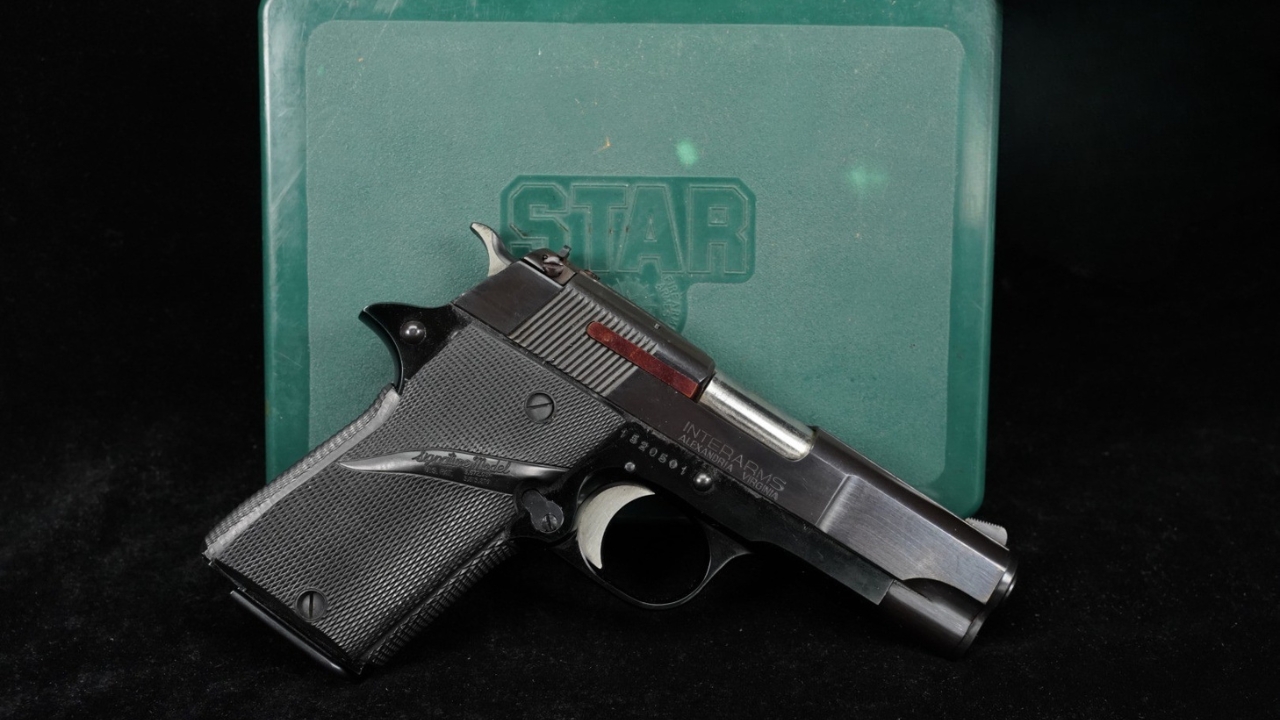
The Star PD is one of those pistols people often appreciate more once they understand how early it was to a lot of ideas later makers would chase much harder. At first it may seem like an oddball compact .45 from a brand people did not fully absorb at the time. That makes it easy to respect without fully valuing.
Later on, the whole pistol starts to feel more impressive. The size, the purpose, and the boldness of the concept begin to stand out in a better way. It stops feeling like a weird old carry gun and starts feeling like an important step in a category buyers now take for granted. That sort of firearm almost always improves with time because context catches up to it.
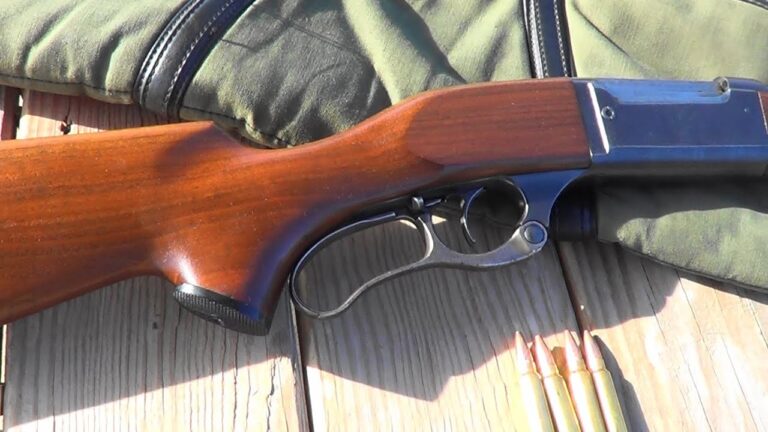
Winchester 1895

The Winchester 1895 is a rifle many people like immediately, but truly appreciate only after spending years around more ordinary repeating rifles. At first, it can feel like a historical curiosity with obvious appeal and slightly less obvious everyday relevance. Buyers admire the design, the connection to another era, and the mechanical personality without always fully grasping why it matters so much.
That changes over time. The rifle starts feeling more daring, more useful, and more mechanically alive the longer it sits beside safer, flatter modern designs. Appreciation grows because the 1895 does not become less distinctive with familiarity. It becomes more so. That is a rare trait, and it is usually a sign that a rifle is better than people first gave it credit for.
Colt New Agent
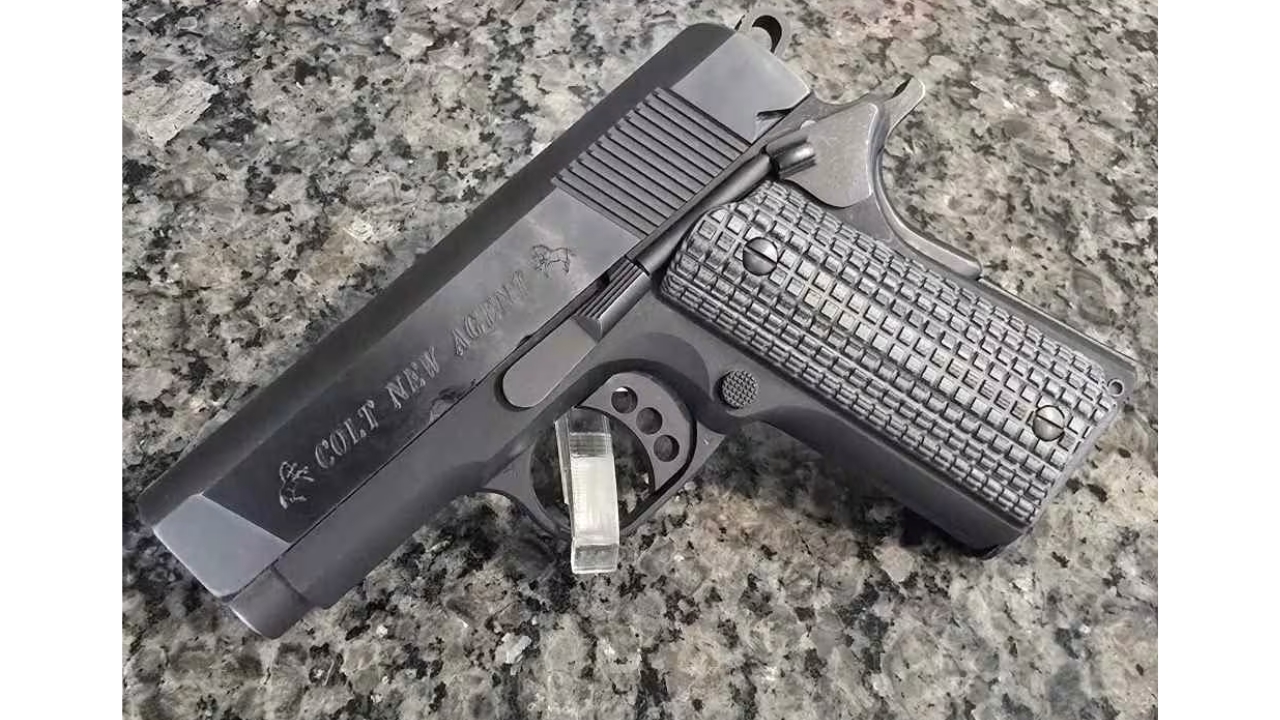
The Colt New Agent is one of those pistols that many buyers initially treated as a niche variation rather than a serious long-term keeper. It looked a little too specialized, a little too tied to a specific moment in concealed-carry taste, and a little too easy to dismiss as one more compact 1911. That kind of first impression tends to flatten a gun’s reputation early.
With time, the appeal sharpens. The compactness, the carry logic, and the fact that it came from Colt in a very particular era all start feeling more meaningful. It begins to stand apart from the sea of small handguns people once lumped it in with. That is often what happens with guns that were more thoughtful than the market mood surrounding them.
Marlin 1895M in .450 Marlin
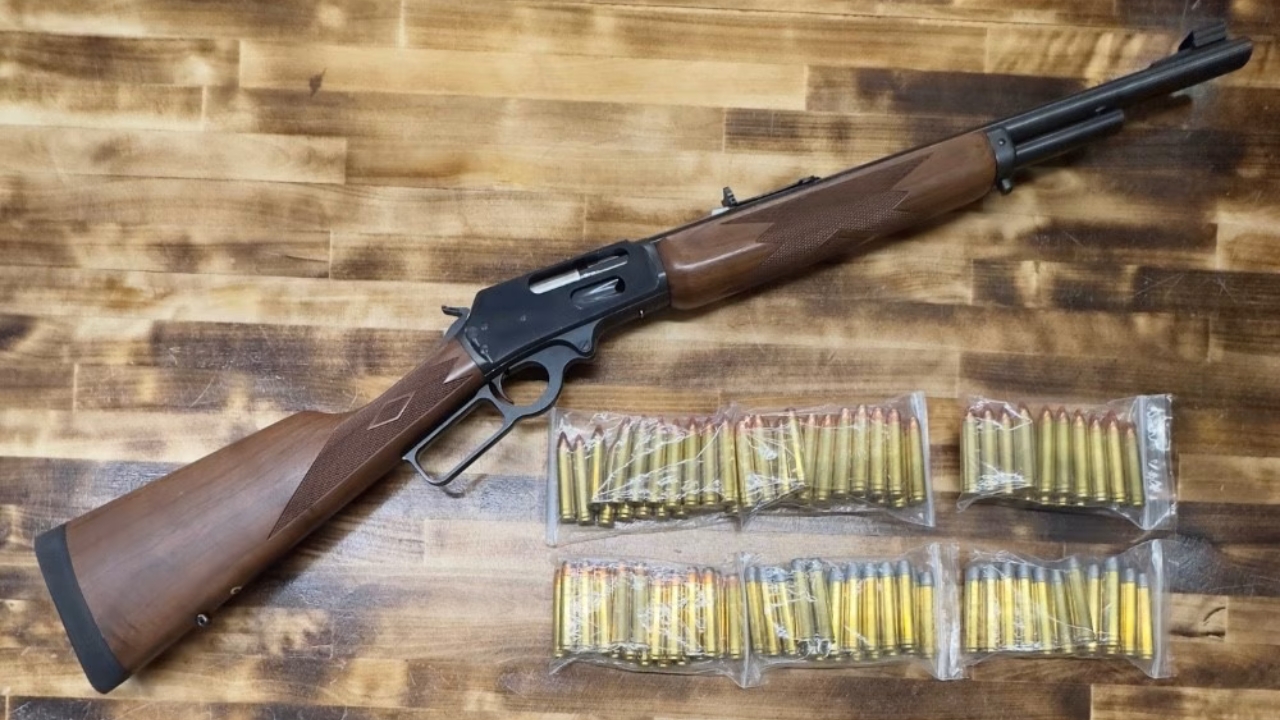
The Marlin 1895M in .450 Marlin usually becomes more appreciated with time because it was easy to view too narrowly when it was current. Buyers often saw it as a specialized lever gun tied to a cartridge that felt a little too outside the mainstream to commit to. That made it interesting but not always urgent. It seemed like something for someone else’s exact needs.
Then years go by, and that uniqueness starts looking much stronger. The cartridge identity, the rifle’s role, and the fact that it filled a very specific kind of hunting lane all begin to feel more compelling. Instead of looking too specialized, it starts looking focused. That is one of the biggest reasons firearms gain value in the mind over time. Their oddness stops looking like weakness and starts looking like intent.
SIG Sauer P210 Legend
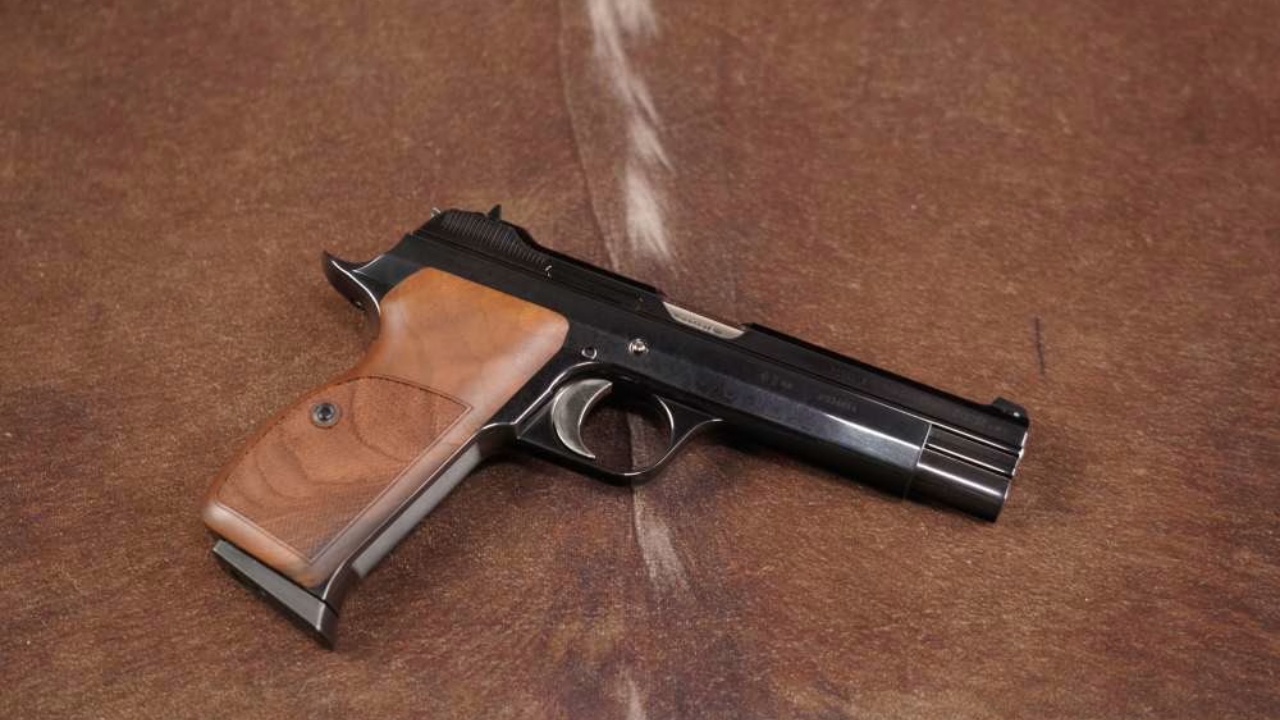
The P210 Legend is the kind of pistol people may respect immediately, but fully appreciate only after enough time with more ordinary handguns. At first, it can seem like a premium indulgence, a pistol you admire for its build quality and precision but do not fully absorb emotionally because it feels just a little too nice, too exact, or too outside everyday buying habits.
That changes the longer one lives with it. The quality stops feeling abstract and starts feeling deeply practical. The trigger, the control, and the sheer mechanical confidence of the pistol become more meaningful the more a shooter learns what average handguns leave on the table. That is why appreciation for the P210 usually grows. It is not just expensive. It is clarifying.
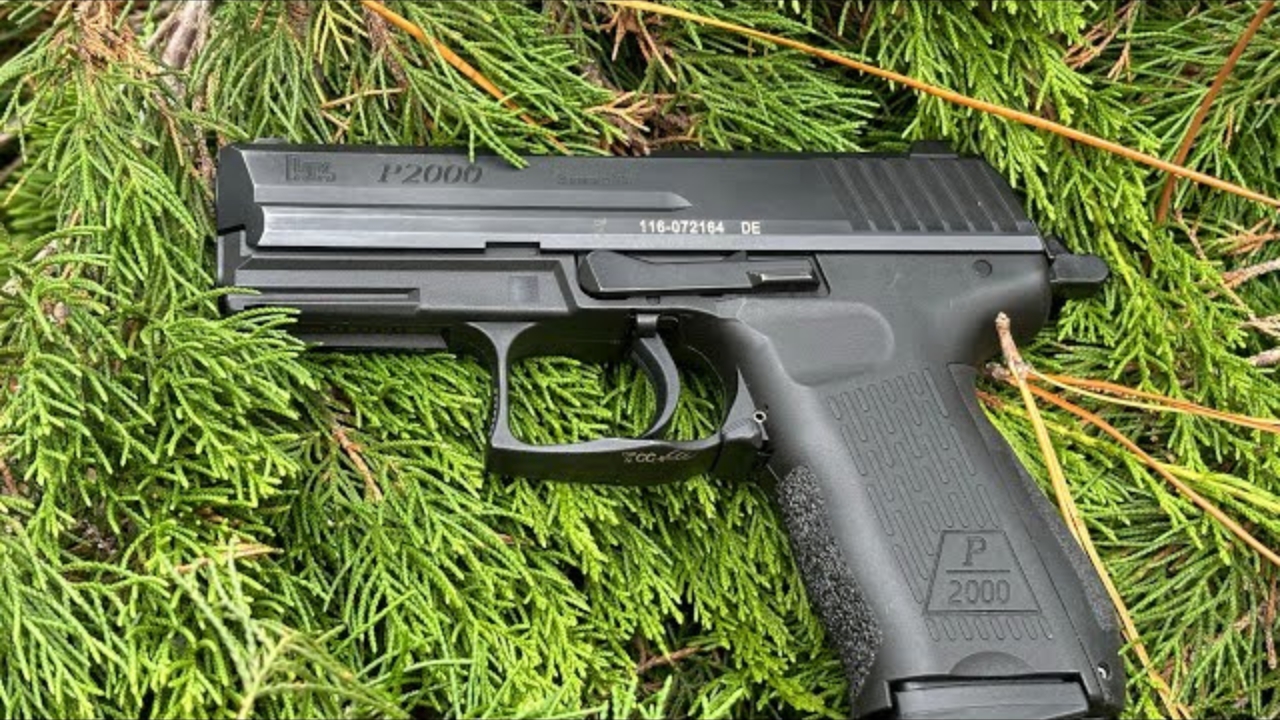
HK P2000
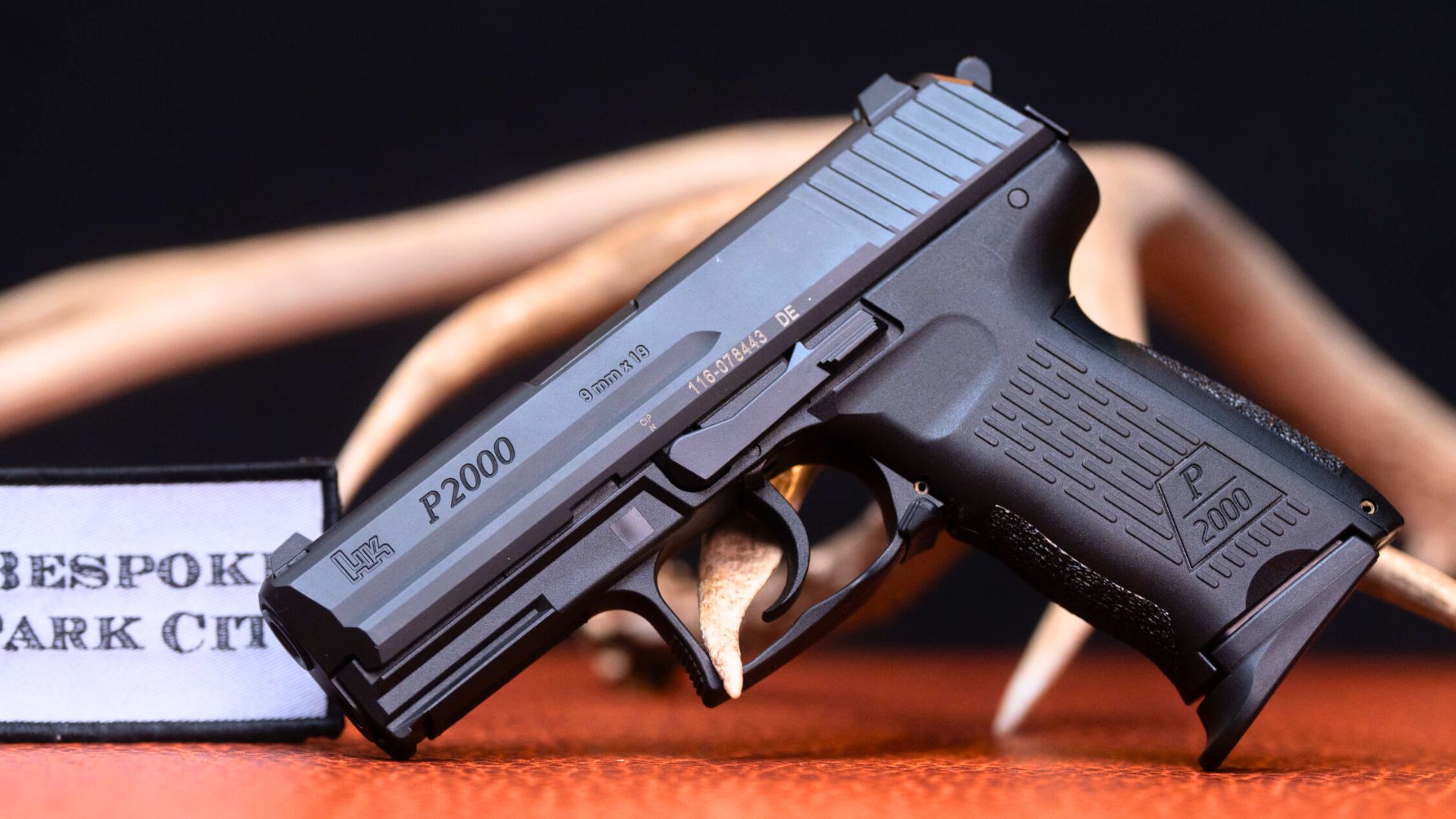
The HK P2000 is one of those pistols that aged upward because it never demanded attention loudly enough when it first arrived. It was practical, very competent, and maybe a little too understated for a market that often rewards bigger personalities. That kept some buyers from falling in love with it right away. It felt more like a sensible option than a charismatic one.
The longer people own one, the better it tends to look. The ergonomics, the carry practicality, and the sheer lack of drama start to matter a lot more than whatever more exciting pistol they were comparing it against years earlier. Some guns get appreciated less once the hype wears off. The P2000 usually benefits from the exact opposite process.
Remington 742 Woodsmaster
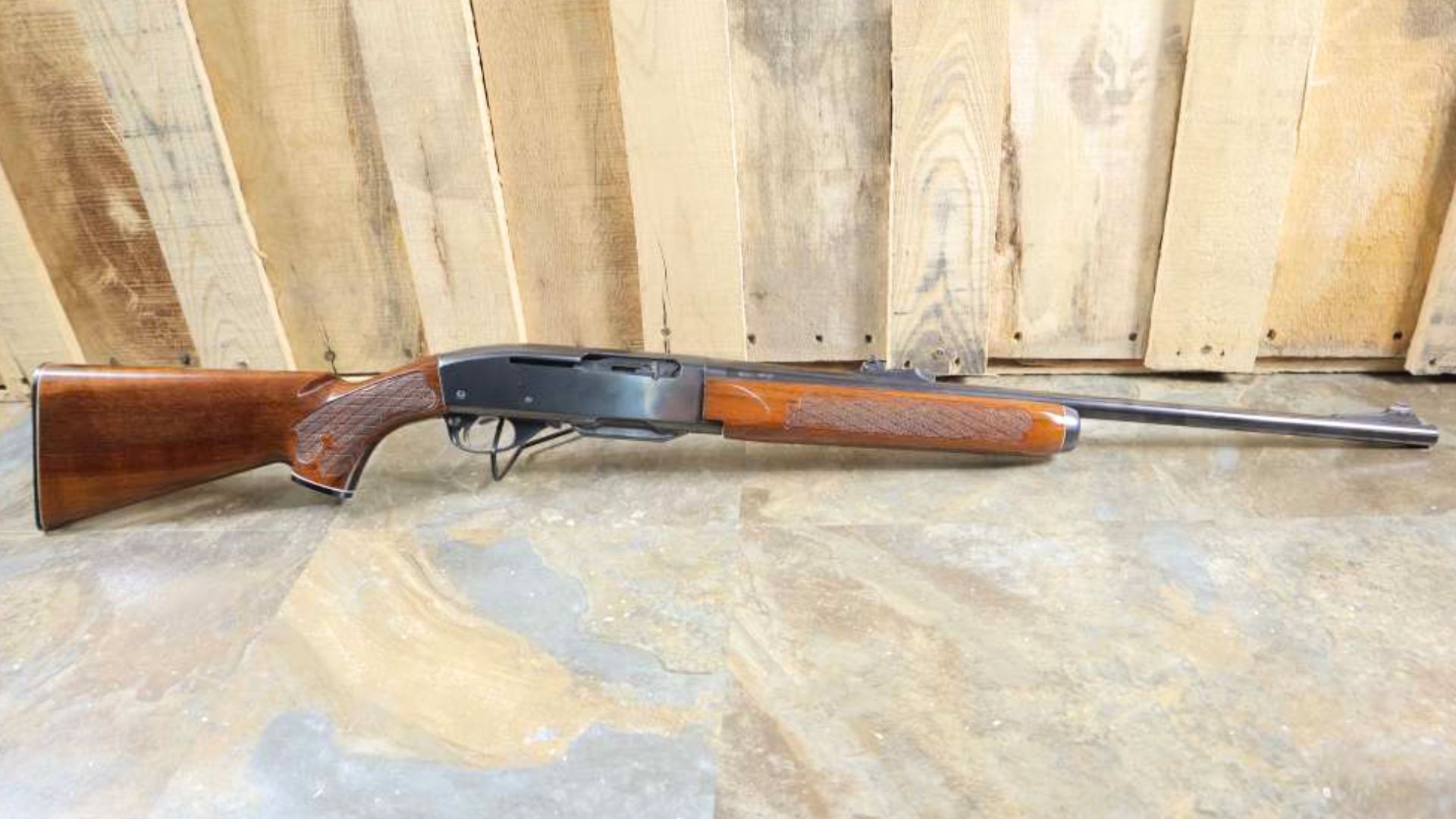
The Remington 742 Woodsmaster is an interesting case because appreciation for it often grows not from fantasy, but from memory. It was never the rifle serious riflemen bragged about most loudly, and that helped keep expectations narrow. It was a hunting autoloader, a deer gun, a practical rifle for a certain kind of use. That modest identity made it easy to overlook in broader rifle conversations.
Over time, people start remembering what it actually did well. It fit a very real hunting role, carried with purpose, and gave owners a type of field experience many newer rifles do not really duplicate. That kind of appreciation can deepen once the rifle is no longer being judged against theory and is instead remembered for what it really was in the woods.
Like The Avid Outdoorsman’s content? Subscribe to our newsletter so you never miss an article.
Here’s more from us: