Photo credit: SixRounds Studio/YouTube
Some guns sat right in front of people for years without creating much urgency. They were not the flashy collector piece, not the internet favorite, and not the kind of gun buyers felt compelled to grab on the spot. That made them easy to postpone. People figured they would always be around later, or that they were too plain, too odd, or too unfashionable to ever become something worth chasing.
Then the market changed, experience changed, or simple hindsight kicked in. Suddenly the same gun that looked easy to ignore started looking like a very smart buy people should have moved on sooner. These are the guns people came around on too late.
Browning BDM
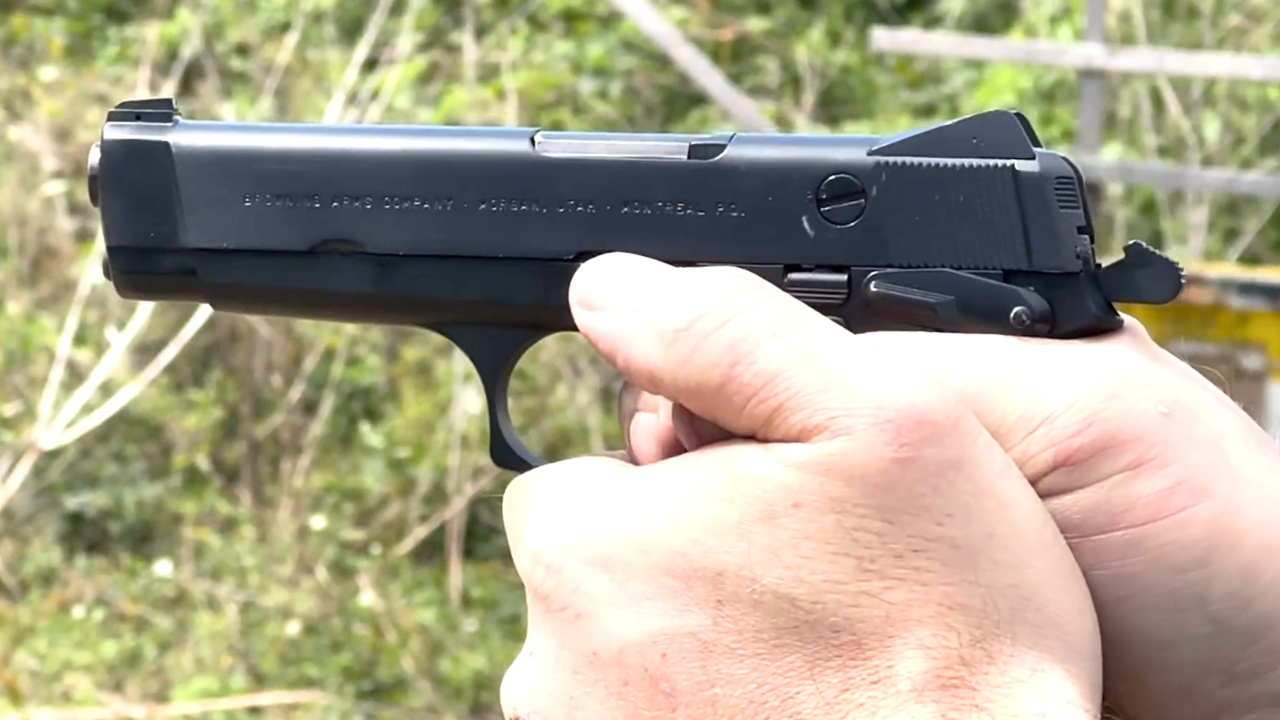
The Browning BDM spent years sitting in that awkward space between respected and desired. Buyers liked the way it looked, liked the Browning name, and still kept treating it like a pistol they could always revisit later. It never had the cult pull of some other 9mms, which made it easy to admire without feeling much urgency to actually buy one.
That calm attitude aged badly. The BDM now looks much smarter than it once did because it offers real quality, a distinct feel, and a style of metal-frame pistol that the market does not produce much anymore. Plenty of people finally understood the appeal only after the easy supply had already started thinning out.
Ruger P90

The Ruger P90 was too plain to feel urgent for a long time. Buyers respected its reliability and toughness, but many still saw it as the chunky .45 you settled for while waiting on something sleeker, fancier, or more status-heavy. That kept it in the lane of “good enough for later,” which is exactly where regret likes to start.
Now more buyers appreciate what it actually was: a sturdy, shootable, no-nonsense .45 that did not need excuses. Once people started getting more honest about what matters in a working handgun, the old P90 began looking a lot less like a compromise and a lot more like a smart buy they should have grabbed when it was easy.
Smith & Wesson 457
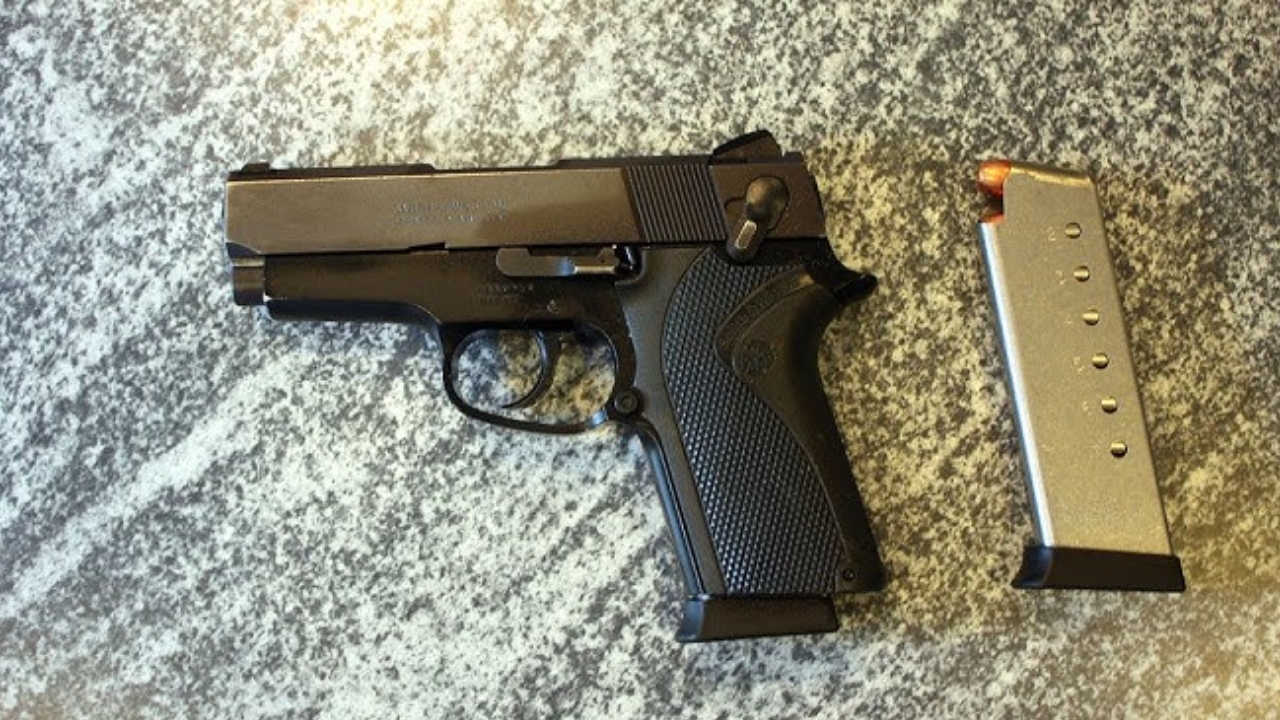
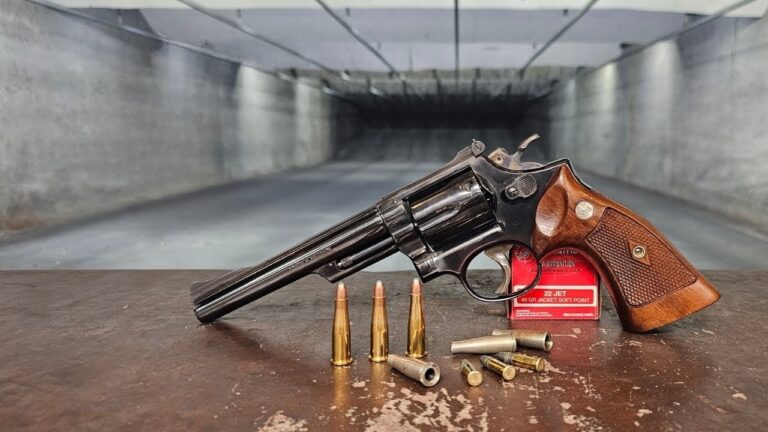
The Smith & Wesson 457 always looked a little too ordinary to inspire quick decisions. It was a practical compact .45, not a glamorous one, and that made it easy to keep walking past. Buyers figured practical .45s like that would always be around, especially since the pistol did not exactly scream for attention from a used case.
That turned out to be lazy thinking. The 457 now feels much more specific and much harder to replace than people assumed. Once buyers started valuing straightforward, older carry pistols that still felt substantial and usable, the little Smith stopped feeling like a filler gun and started feeling like the kind of compact .45 they should have bought when they had the shot.
Beretta 8040 Cougar

The Beretta 8040 Cougar spent a long time being treated like one of those transitional pistols buyers respected without prioritizing. It was not the hottest Beretta, not the newest concept, and not the easiest thing to brag about. That made it simple to postpone while buyers chased pistols that seemed more modern or more obviously important at the time.
With hindsight, the Cougar looks a lot stronger. It offers real Beretta quality, a distinctive rotating-barrel system, and a solid all-metal feel that many later pistols did not match. A lot of people finally came around once they realized these were not just forgotten side roads in Beretta history. By then, the best easy opportunities were already gone.
Remington Model 600

The Remington Model 600 was too odd-looking for a lot of buyers to trust their first instincts. It looked short, quirky, and a little too different from the usual bolt-gun template, which made it easier to treat as a curiosity than as a serious buy. People admired them, but often in a very relaxed way, as if another one would always be there later.
That turned into regret for plenty of hunters. The 600 now looks much more intelligent than it once did because truly handy rifles have become easier to appreciate and harder to find. Once buyers realized how useful, compact, and distinctive these rifles really were, they also realized they had taken for granted something the market was not going to leave lying around forever.
Winchester 1907
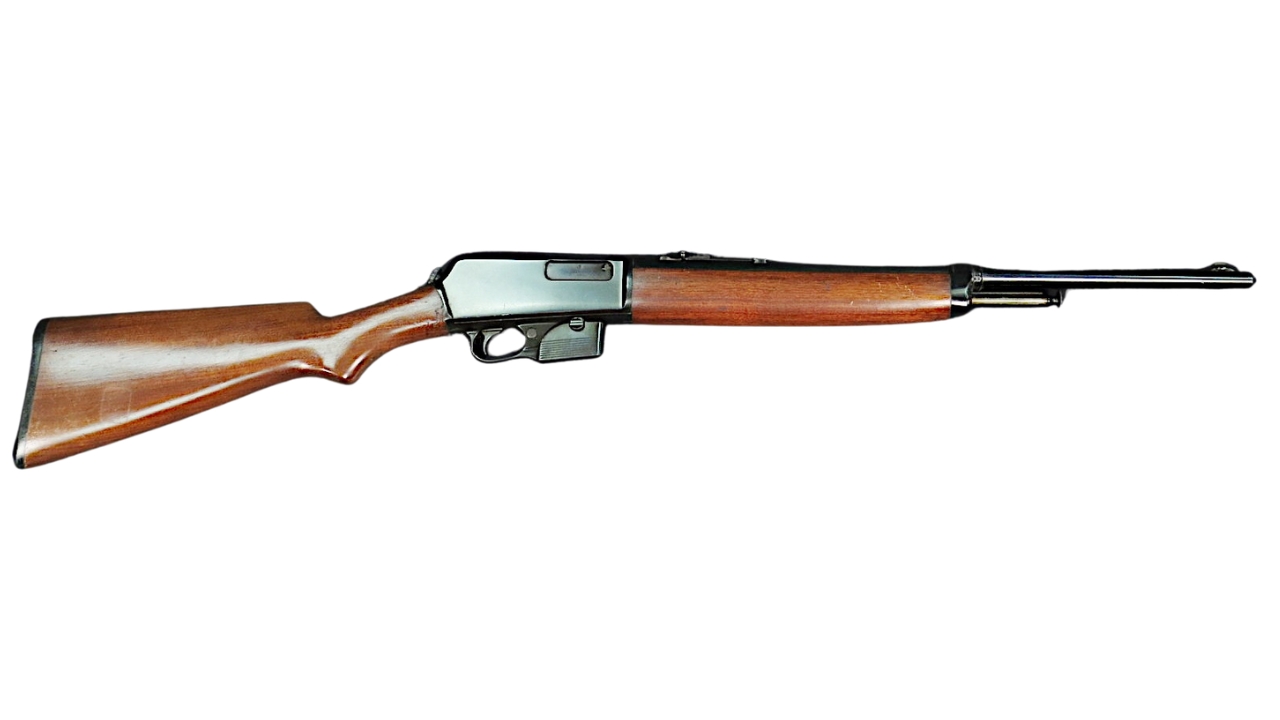
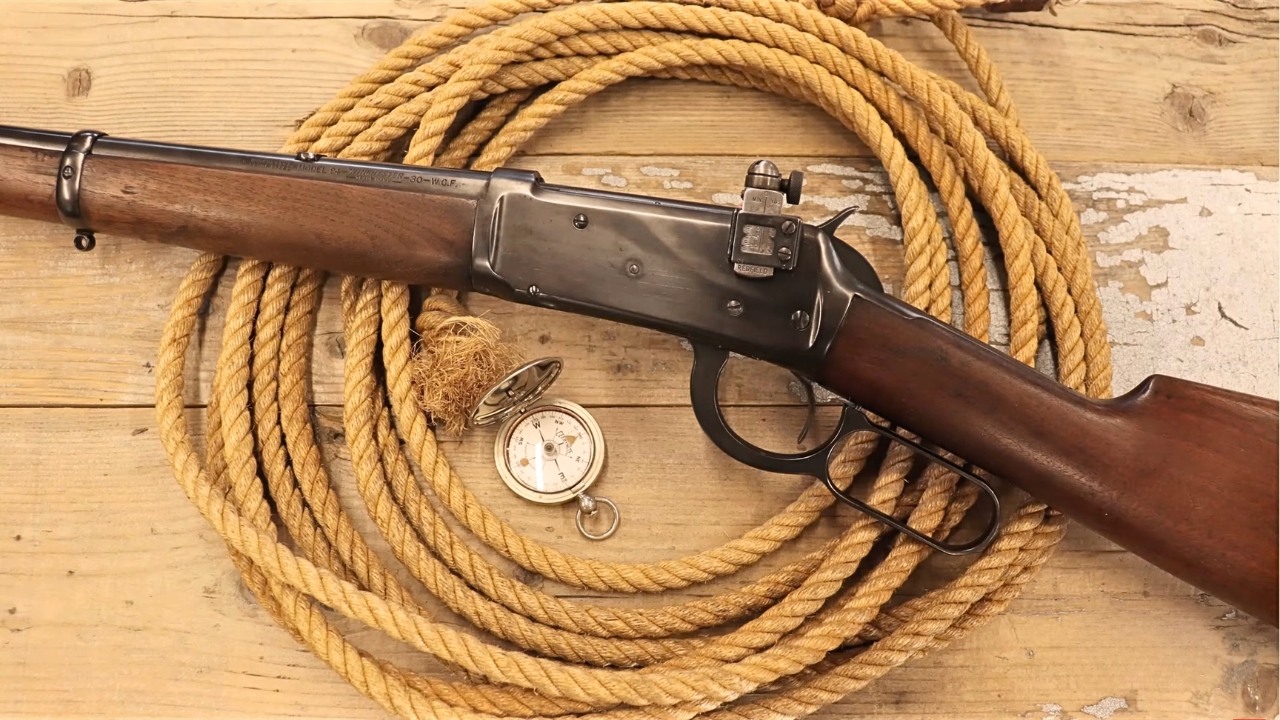
The Winchester 1907 used to get treated like a historical side note instead of a rifle worth moving on when one showed up. Buyers liked the old semiauto idea, but many still filed it under “interesting old Winchester” instead of “I should probably buy that now.” That kind of respectful hesitation is exactly how people miss good guns.
Today, the 1907 feels far more compelling. It is mechanically interesting, historically significant, and unlike much of anything else on a rack. The people who came around late usually did so after realizing that old sporting semiautos with this much identity do not stay easy to find. By then, the market had already started making the point for them.
Colt Double Eagle

The Colt Double Eagle was easy to dismiss because it lived in the shadow of the pistols buyers expected Colt to make. It was not the classic 1911 people romanticized, so a lot of shooters treated it like an odd branch they could safely ignore until later. That “later” mindset kept many buyers from realizing the gun had real appeal of its own.
Time helped the Double Eagle a lot. Once people stopped judging it by what it was not and started seeing it for what it actually offered, the pistol looked a lot more interesting. It went from weird Colt detour to distinct and desirable old Colt semiauto, and a lot of buyers figured that out only after examples got harder to find and harder to justify cheaply.
Ruger 77/44
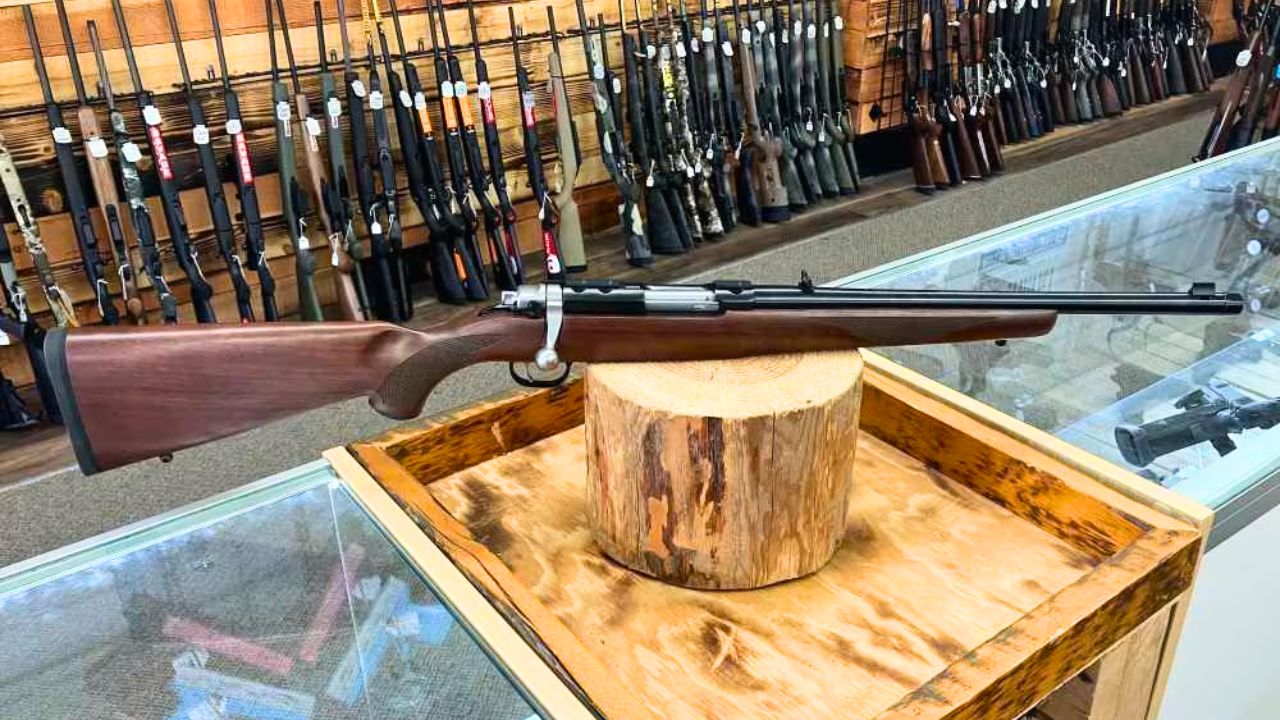
The Ruger 77/44 always seemed too niche to become urgent. Buyers saw a short .44 Magnum bolt gun and treated it like a specialty piece for somebody else’s exact needs. That made it easy to postpone while money went toward broader, more obvious rifle choices. It felt practical, but never especially pressing.
Then the market shifted and people started appreciating compact woods rifles again. The 77/44 suddenly looked like one of the more useful rifles buyers had been ignoring. It is handy, easy to carry, and very much at home where short-range deer hunting and field practicality matter more than long-range swagger. A lot of buyers came around after the chance to do so casually had already passed.
Smith & Wesson 4046
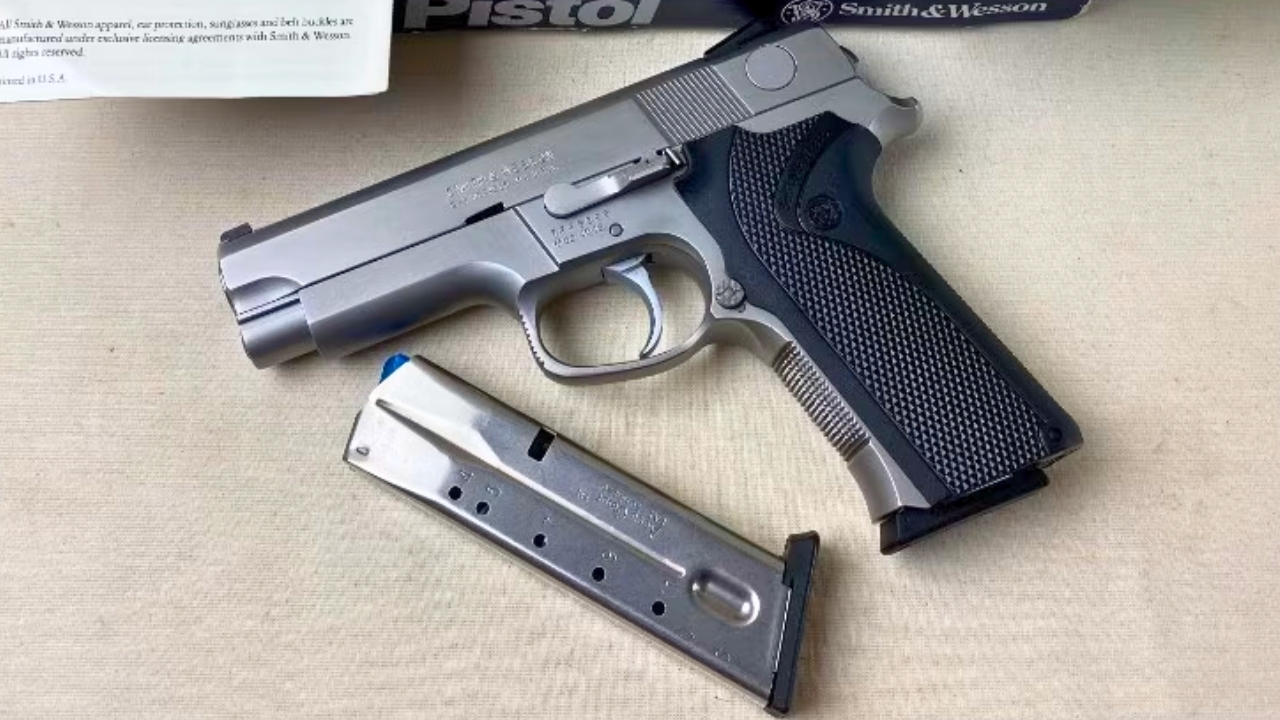
The Smith & Wesson 4046 lived in the category of “big old cop gun nobody needs to hurry toward” for a long time. It was too plain, too heavy, and too tied to an era of service pistols many buyers thought they had already moved beyond. That made it easy to overlook while chasing newer, lighter, and more fashionable handguns.
That view changed once older all-metal duty pistols started making more sense again. The 4046 has size and weight, but it also has real seriousness and shootability that many newer pistols never matched. Buyers came around once they realized these were not just outdated .40s. They were durable, honest service guns that the market had undervalued until it suddenly did not.
Marlin 1895M in .450 Marlin
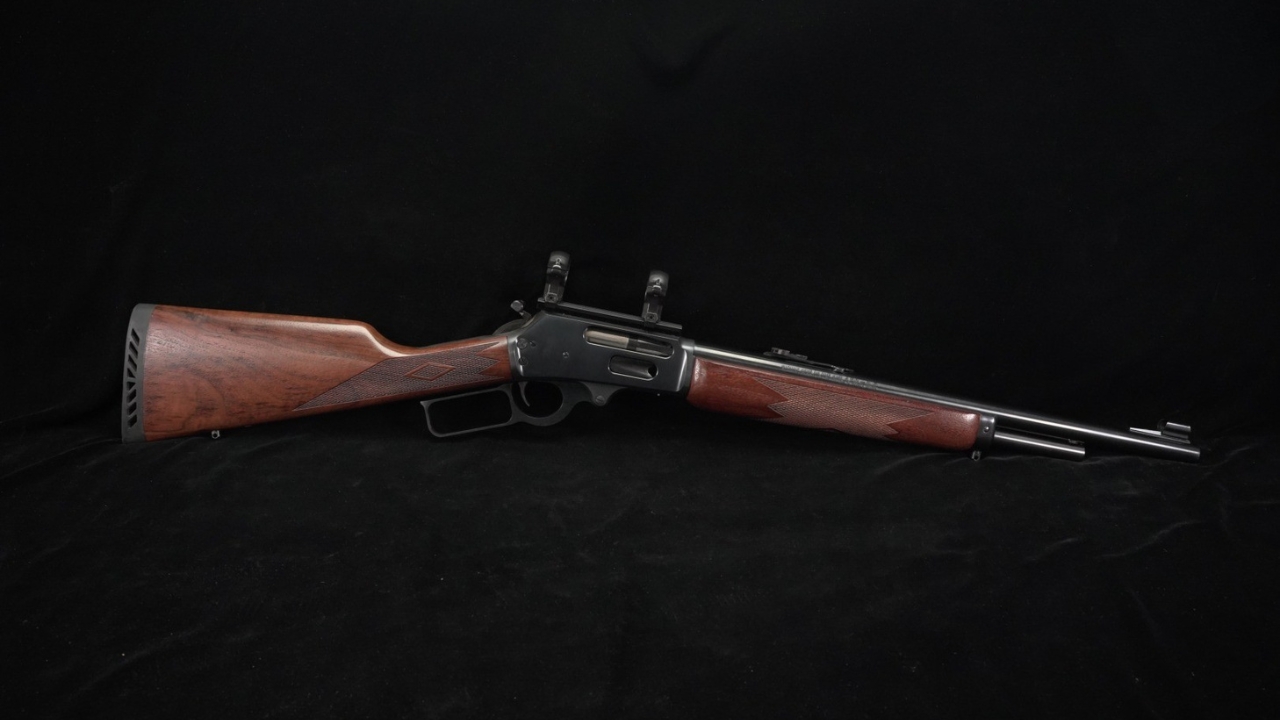
The Marlin 1895M was easy to pass on because the cartridge looked too specific and the rifle felt too tied to that specificity. Buyers figured they would think about it later if they ever decided they wanted a lever gun outside the more familiar chamberings. That logic felt sensible right up until the rifle stopped being easy to stumble across.
Now it looks much smarter. The 1895M is a focused rifle with real personality and real use in the kind of hunting it was built for. Buyers who finally came around to it usually did so after realizing how few rifles offered that exact combination of big-bore authority, compact handling, and Marlin field practicality. By then, shelves were not nearly as forgiving.
Walther P5

The Walther P5 was often treated like the sort of old police pistol you could admire without needing to act on. It had quality, history, and distinctive design, but it never felt quite mainstream enough to force urgency. Buyers assumed they could always circle back once they were in the mood to buy something less ordinary.
That turned into later regret. The P5 is harder to brush off once you spend real time looking at older service pistols with actual character. It has its own feel, its own logic, and a much stronger presence than many shooters gave it credit for when it still looked like a quirky side option. People came around once supply had already tightened.
Savage 340

The Savage 340 was the kind of rifle buyers ignored because it looked too plain to ever become important. It was a working man’s bolt gun, not a showpiece, and that kept people relaxed around them. If someone wanted one later, surely there would always be another inexpensive Savage sitting around at a show or in a small-town shop.
That relaxed attitude aged poorly. The 340 now gets more respect from buyers who understand what an honest, practical field rifle looks like. It never became glamorous, but it became harder to replace in the sort of clean, original condition that makes old utility rifles satisfying to own. People finally came around after the market had already stopped making it easy.
Beretta 81 Cheetah
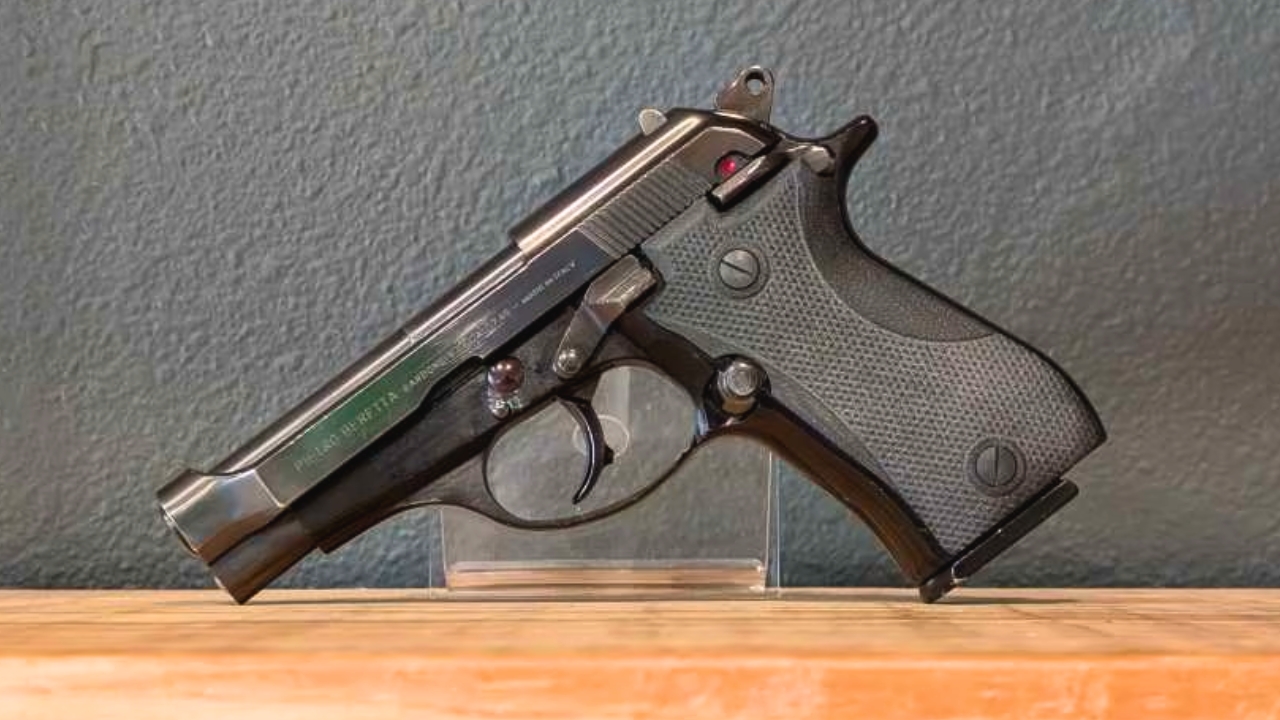
The Beretta 81 Cheetah long lived in the category of “nice little Beretta, maybe someday.” It was elegant, compact, and easy to like, but being a .32 ACP kept plenty of buyers from treating it like something they should move on right away. It seemed too niche and too polite to become a real regret gun.
Then buyers got smarter about older compact Berettas. The 81 offers quality, shootability, and a kind of refinement that a lot of newer small pistols never even try to match. By the time more people came around to that fact, the easy days of finding them cheaply and casually were already fading out. That is usually how these things go.
Winchester 55
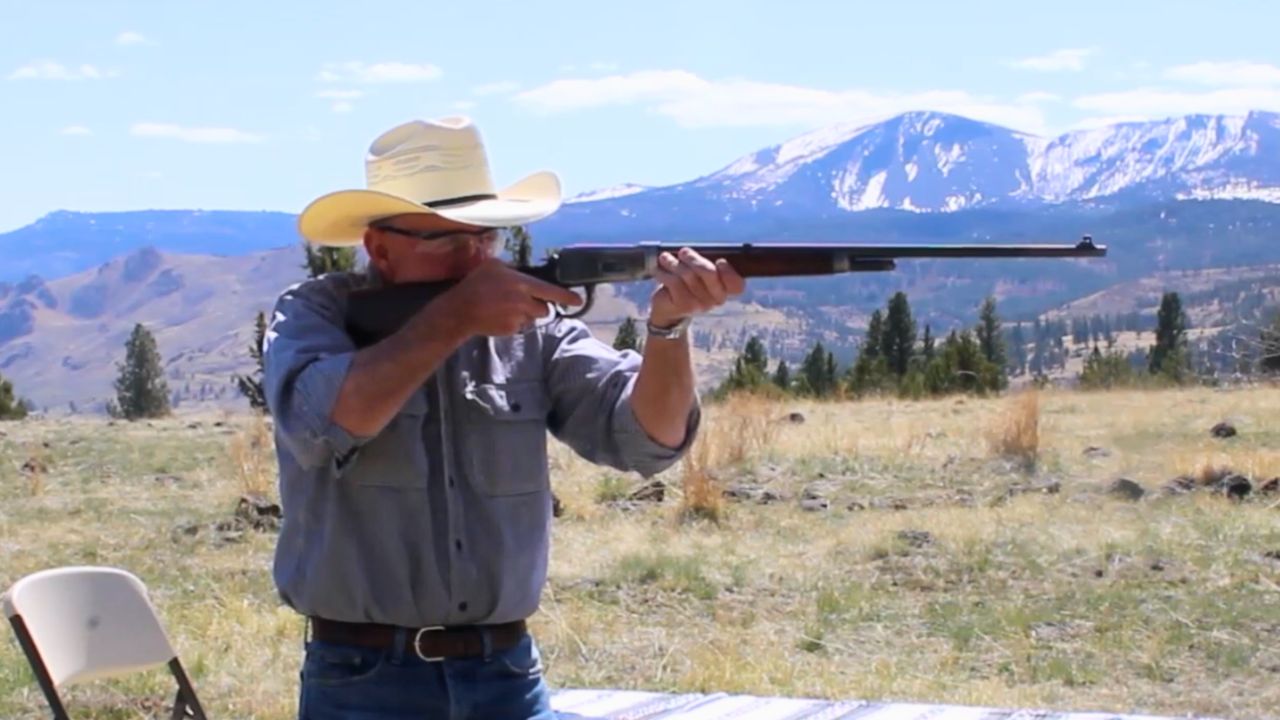
The Winchester 55 was easy to treat as another old lever gun you could always come back for later. It had Winchester appeal, yes, but it still sat in that broad family of old rifles buyers assumed would never really dry up. That sense of comfort kept a lot of people from acting when the chance was right in front of them.
Now the 55 looks like one of those rifles buyers should have prioritized sooner. It has real Winchester field appeal, enough scarcity to matter, and the kind of honest usefulness old lever guns carry when they have not been overworked or overhyped. Buyers came around, but too many of them did so once the simple chances had already gotten expensive.
Remington 11-48
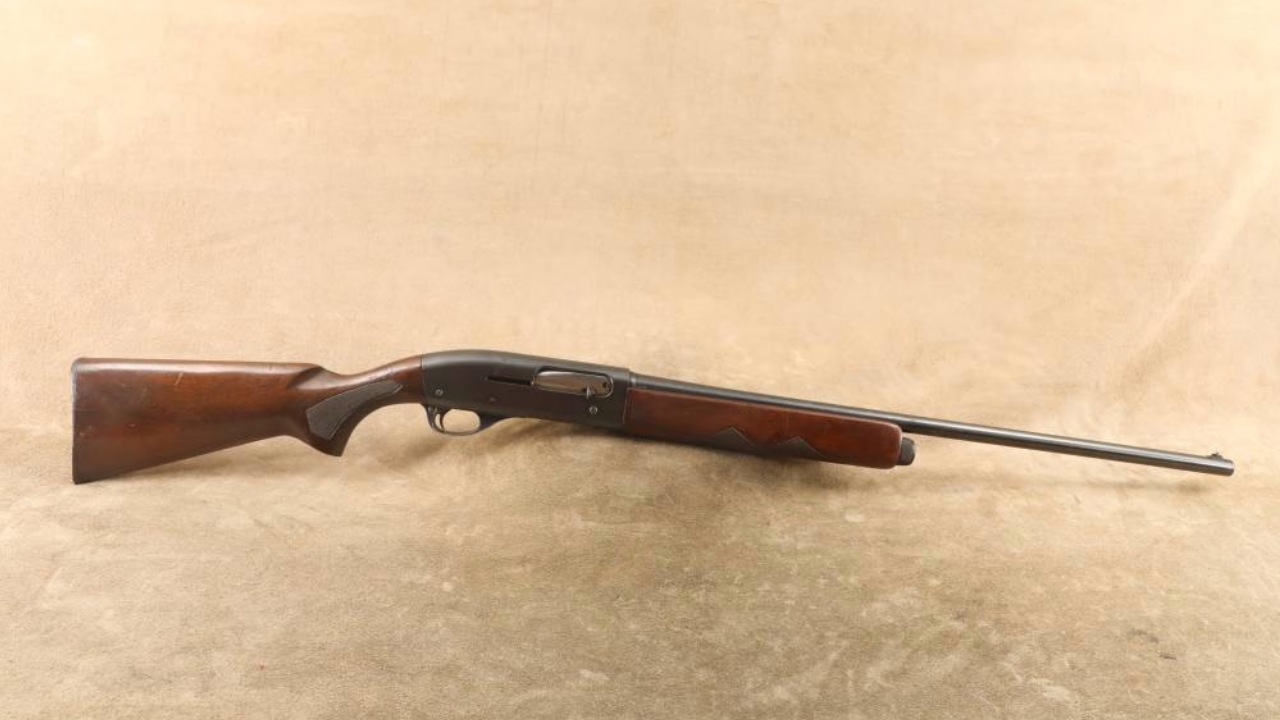
The Remington 11-48 spent years as the old autoloader buyers respected quietly while focusing their money elsewhere. It never had the loudest reputation, and that made it easy to treat like something you could always buy later after getting the more famous shotgun out of your system first. That is exactly the sort of thinking that leads to avoidable regret.
Over time, shooters and hunters finally remembered how practical and graceful the 11-48 really is. It carries well, feels right in the field, and has more charm than its old second-tier reputation suggested. Once people came around to that, cleaner examples stopped hanging around long enough for leisurely decisions.
Like The Avid Outdoorsman’s content? Be sure to follow us.
Here’s more from us: