Photo credit: ne4ious/YouTube
Every deer camp has a rifle or two that people love to grumble about—guns that struggled in their early years, wore the wrong optics, or got dragged through a few rough seasons without proper care. But not every “problem rifle” is actually a bad one. Sometimes the issue is an early production flaw, a factory trigger that needed adjusting, a stock that didn’t fit the shooter, or simply a case of unrealistic expectations.
Plenty of rifles earned a reputation they didn’t fully deserve, and over the years many of them have proven they’re far better than the stories suggest. If you take the time to set them up correctly, feed them ammo they actually prefer, and understand what they were built to do, you’ll find that some of these deer rifles still have a lot of life left in them.
These are the rifles worth pulling back out of the safe and giving another real chance in the woods.
Remington 742 Woodsmaster
The Remington 742 caught plenty of criticism over the years, mostly from rifles that were never cleaned properly or shot far beyond what their design preferred. When these rifles are maintained and fed decent ammunition, they still handle well in the woods and offer fast follow-up shots. For whitetail ranges, the accuracy is better than many hunters remember, especially with a good cleaning and a refreshed scope mount.
If you have one that hasn’t been abused, the 742 still carries nicely and mounts quickly in thick timber. Its semi-auto action feels smooth when kept clean, and the .30-06 or .308 chamberings are more than capable of taking deer cleanly. Many rifles were written off prematurely, but with a little attention, these old Woodmasters still have plenty of seasons left in them.
Winchester Model 70 Push-Feed
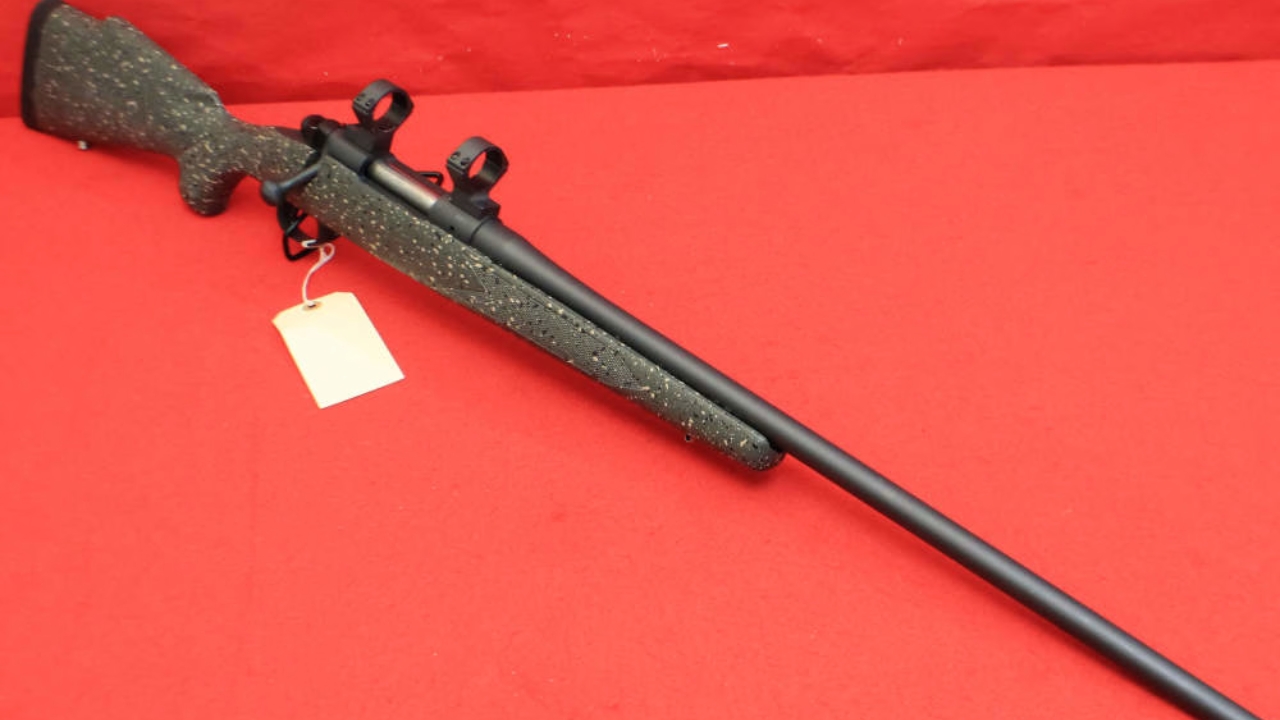
Some hunters dismissed the early push-feed Model 70s when they replaced the beloved pre-’64 designs. But if you look past the nostalgia, you’ll find rifles that shoot extremely well and handle deer hunting situations with ease. The actions are smooth, the triggers can be improved, and the rifles balance well for both still-hunting and stand work.
A well-kept push-feed Model 70 often outshoots rifles made decades later. Many hunters who gave up on them early never tried them with modern loads or improved optics. If you’ve got one sitting unused because it wasn’t a pre-’64, it deserves another look. These rifles deliver accuracy, reliability, and a feel that many newer rifles still try to replicate.
Ruger M77 Tang Safety
The early Ruger M77s with tang safeties earned mixed reviews because of their heavy triggers and occasional bedding issues. But once those small problems are addressed, the rifles become rock-solid tools in the woods. The actions are durable, the stocks handle weather well, and the rifle’s balance makes for steady offhand shooting—something every deer hunter appreciates.
The tang safety design is intuitive, especially when wearing gloves in cold weather. Many hunters who’ve revisited these rifles discover they’re better than they remembered. With a trigger job and proper bedding, an M77 can quickly become a favorite for timber and field edges alike.
Savage 99

The Savage 99 was ahead of its time, yet many rifles became victims of worn-out sights, poor storage, or bad ammo choices. When these rifles are cleaned, tuned, and paired with loads they actually like, they’re still incredibly accurate deer rifles. The rotary magazine allows spitzer bullets, giving you better ballistic performance than older lever-actions.
The rifle carries comfortably and mounts with a natural, fast feel. Plenty of old 99s were unfairly written off because they needed small repairs or better optics. Fix those issues and the rifle still shines in the deer woods, especially in .300 Savage or .308.
Remington 788
The Remington 788 never had flashy looks, but it was one of the most accurate budget rifles ever made. Many hunters overlooked it because it wasn’t pretty or carried a stiff bolt lift. But if you judge it on performance alone, the 788 hits well above its class. Most of them will still stack tight groups with basic factory loads.
The short bolt throw and strong lockup make it reliable in awkward, rushed hunting positions. If you’ve ignored yours because it looks plain or wears an old scope, give it a fresh optic and decent ammo. You might be surprised how well it performs compared to rifles costing three times as much.
Marlin XL7

The Marlin XL7 never grabbed headlines, but hunters who owned one often talk about how accurate and dependable they were. These rifles had clean triggers, smooth actions, and stocks that handled recoil comfortably. Many were pushed aside when newer budget rifles hit the market, yet the XL7 still competes with anything in its category.
If yours has been sitting for a while, mount a modern scope and try a few different loads. You’ll likely find that it shoots tight groups and handles recoil better than you remembered. It was underrated then, and it’s still underrated today.
Browning A-Bolt
The Browning A-Bolt earned a reputation for being “too light” or “too fancy,” but much of that criticism came from hunters expecting heavy-barreled accuracy from a lightweight field rifle. When used the way it was intended—quick handling, moderate distances—the A-Bolt shines. The 60-degree bolt throw cycles smoothly, and the triggers on many models are excellent.
These rifles carry effortlessly during long days in the deer woods. If you’ve shelved yours because of early frustrations or mismatched ammo, it’s worth revisiting. A-Bolts are well-made rifles that still deliver dependable accuracy.
Mossberg 800
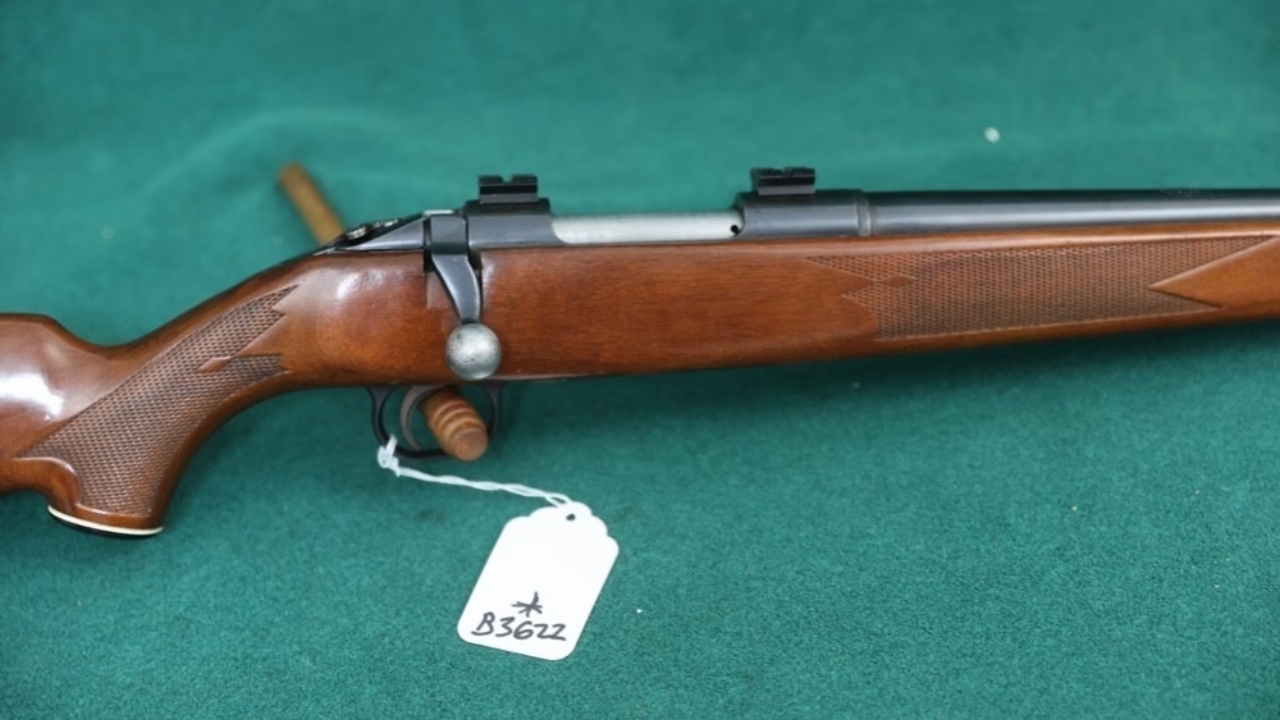
The Mossberg 800 was overshadowed by better-known competitors, but it was a solid deer rifle with good accuracy and dependable performance. Many of these rifles were handed down or used hard, which led to their reputation for stiffness or inconsistency. But when cleaned, re-bedded, and paired with the right ammo, they shoot surprisingly well.
The rifle handles nicely in the woods, with a comfortable stock and practical weight. If you inherited one or have one tucked away, don’t dismiss it. Put some time into tuning it and you’ll find it’s more capable than most hunters ever gave it credit for.
Weatherby Vanguard Series 1
The first-generation Weatherby Vanguards didn’t get the attention they deserved, mostly because the Series 2 overshadowed them. But these older rifles were accurate, well-built, and offered excellent reliability. Many shooters simply didn’t experiment with the right loads or adjust the triggers, leading to unfair complaints.
A properly set-up Vanguard Series 1 can shoot impressively tight groups, especially in classic deer calibers like .270 and .308. If you’ve got one gathering dust, it’s worth mounting good glass and giving it a fair shake. You might find that it performs just as well as the later generations.
Winchester 670

The Winchester 670 was a budget version of the Model 70, and many hunters dismissed it for being “cheap.” But under the plain exterior sits a rifle that’s more than capable of clean, accurate deer kills. The action is strong, the barrels were good, and the rifles tend to handle recoil well.
Most of the negative opinions came from rifles wearing poor-quality scopes or riding in warped stocks. Fix those issues and the 670 becomes a reliable, accurate tool. It may not turn heads at camp, but it gets the job done, and many deserve a second chance in the woods.
Like The Avid Outdoorsman’s content? Be sure to follow us.
Here’s more from us:
The worst deer rifles money can buy
Sidearms That Belong in the Safe — Not Your Belt
*This article was developed with AI-powered tools and has been carefully reviewed by our editors.