Photo credit: Slatan/Shutterstock.com
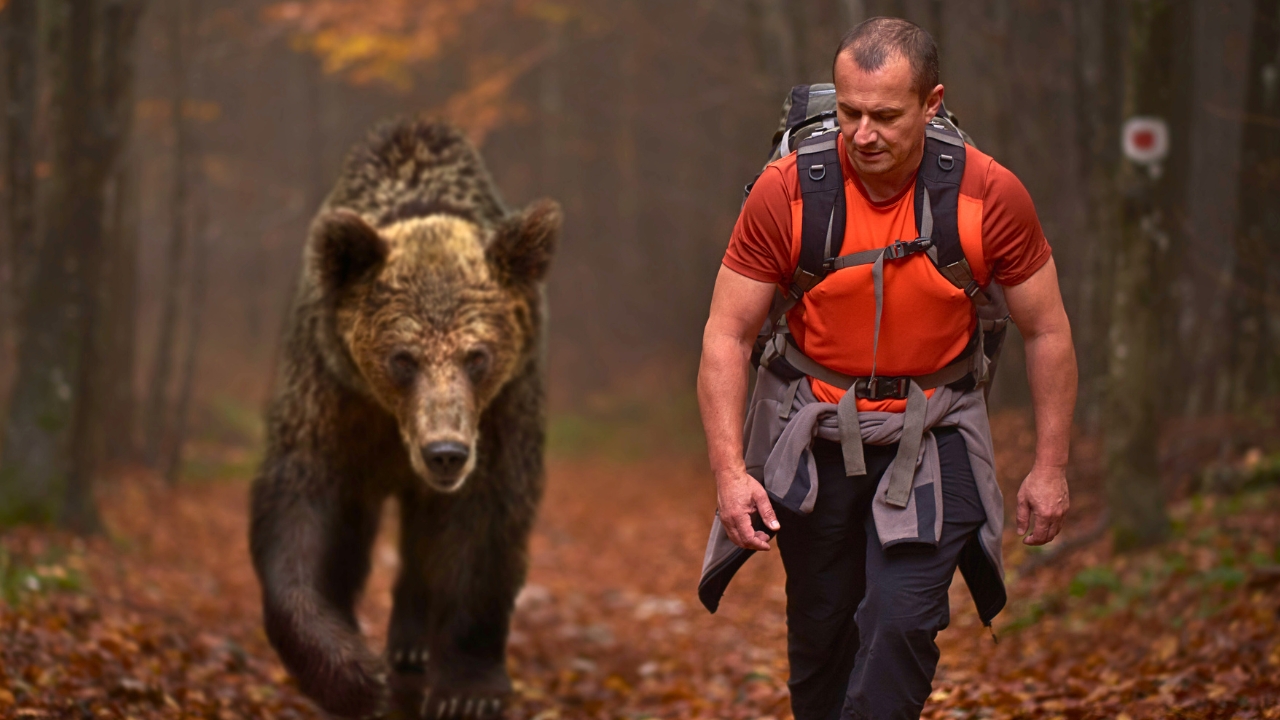
When it comes to bear country, your sidearm isn’t for comfort—it’s for survival. The margin for error is razor-thin when a bear decides to charge, and the handgun you carry has to stop that threat now. Light recoil and concealability don’t mean anything when you’re staring down 800 pounds of fur and fury. The truth is, most handguns people carry for everyday defense simply aren’t built for that level of danger. A bear’s size, muscle density, and aggression demand heavy-hitting calibers, deep penetration, and absolute reliability.
Plenty of handguns are great for range days or self-defense in town—but they have no business in grizzly country. If your pistol can’t handle heavy loads, doesn’t feed reliably under stress, or fires a round meant for paper targets, it’s not a survival tool—it’s a liability. These are the sidearms you might trust against a mugger, but they don’t belong anywhere near bear country.
Glock 43

The Glock 43 is one of the best-concealed carry pistols ever made, but it’s a poor choice for bear country. Chambered in 9mm, it simply doesn’t have the power or penetration needed to stop a large animal. Even with hard-cast bullets, it lacks the energy to reach vital organs through the thick bone and muscle of a charging bear.
The pistol’s small size also makes it harder to control in a high-stress situation. Its short barrel sacrifices velocity, and follow-up shots won’t make much difference if the first round can’t do serious damage. It’s reliable and compact, but reliability doesn’t compensate for lack of stopping power. The Glock 43 might save you downtown, but in the mountains, it’s the wrong tool for the job.
Smith & Wesson Shield Plus

The Shield Plus is a great personal defense pistol but completely out of its element in bear country. Even with +P 9mm loads, it won’t deliver the penetration or energy needed to stop a charging grizzly or even a large black bear. At best, it might slow one down—at worst, it’ll make it angry.
Its small frame and limited capacity make it easy to carry but harder to shoot under stress. In cold weather or with gloves on, the short grip and slim controls are difficult to manage. It’s fine for the range or concealed carry, but when things get wild, it’s more peace of mind than real protection. Bears require magnum-level power—something the Shield Plus simply can’t deliver.
Ruger LCP II

The Ruger LCP II is a fantastic pocket pistol for deep concealment, but it’s one of the worst possible choices for bear defense. Chambered in .380 ACP, it’s underpowered for human threats, let alone something that weighs 600 pounds. Even with the hottest loads available, it can’t produce the penetration needed to reach anything vital on a large predator.
The pistol’s tiny frame and short barrel also limit accuracy and velocity. It’s meant for point-blank defense, not dangerous game. Even emptying the magazine won’t make a difference in a bear encounter. The LCP II is perfect for daily carry, but it has no place in the backcountry where every shot has to count and every ounce of power matters.
Sig Sauer P365

The Sig P365 is one of the best all-around EDC pistols available, but its 9mm chambering makes it a weak choice for bear country. It offers great ergonomics, capacity, and concealability—but none of those matter when the round itself is too light for the job. Even with +P loads or solid copper bullets, it lacks the energy to penetrate a bear’s thick skull or shoulder.
The gun performs beautifully at the range, but the backcountry demands something with significantly more authority. You’d have to be dangerously lucky to stop a bear with a P365. In the woods, you need a sidearm that brings raw power—not one designed for urban carry.
Glock 19

The Glock 19 might be the most popular handgun in America, but that doesn’t make it suitable for bear defense. The 9mm cartridge, even with specialized ammo, isn’t built for large, dangerous animals. Its penetration and energy fall short when facing the thick hide and muscle of a bear.
It’s accurate, reliable, and easy to use—but none of that changes the physics of the cartridge it fires. You might get multiple shots off, but if those rounds don’t reach vital organs or break bone, they won’t stop the threat in time. For two-legged predators, it’s perfect. For four-legged ones, it’s a mistake that could cost you your life.
Walther PDP

The Walther PDP is an excellent full-size 9mm pistol with great ergonomics and crisp performance—but it’s not a bear gun. It’s made for defense against people, not massive predators. Even with the best solid-core ammunition, the 9mm’s energy and penetration are insufficient to reach deep into a bear’s vital area.
Its polymer frame and smooth trigger make it a dream at the range, but the second a grizzly charges, those features won’t matter. The PDP can handle recoil well, but it doesn’t deliver enough recoil to matter. You need stopping power measured in magnum pressures, not comfort and control.
Springfield Hellcat

The Hellcat is another micro-compact that thrives in urban carry but collapses under backcountry demands. Its 9mm chambering and short barrel rob the round of velocity, making it nearly useless against thick-skinned game. In a close encounter, accuracy and power are both compromised.
The pistol’s small size is a blessing in town but a curse in bear country. The grip is short, the sight radius is minimal, and the muzzle blast from +P ammo doesn’t make up for the lack of energy. The Hellcat might be easy to carry, but it’s the kind of comfort that won’t mean much when you’re facing an angry sow at twenty yards.
Smith & Wesson M&P 9 Compact

The M&P 9 Compact has the same issue as most 9mm handguns—it’s not enough gun for bear defense. It’s accurate, reliable, and ergonomic, but none of that compensates for the round’s limitations. When you need deep penetration and bone-breaking power, the 9mm simply can’t deliver.
Hunters who carry it as a “backup” in bear country are taking a huge risk. It might fend off a small black bear in the perfect scenario, but it won’t reliably stop one mid-charge. The M&P 9 Compact is an excellent pistol for daily carry, but it’s outmatched in serious wilderness conditions.
Kimber Micro 9

The Kimber Micro 9 is a sleek, compact 1911-style pistol—but its looks don’t help in a bear attack. It fires the same underpowered 9mm cartridge as other small autos, and its short barrel drains what little energy that round produces. The Micro 9 also has a reputation for being picky with ammo and sensitive to dirt—two traits that don’t mix well with the backcountry.
It’s a great firearm for personal defense, but it’s fragile compared to the abuse-heavy environment of bear country. A little moisture or grit can cause reliability issues, and those seconds spent clearing a jam could be fatal. It’s a classy pistol for town, not a survival tool for the wilderness.
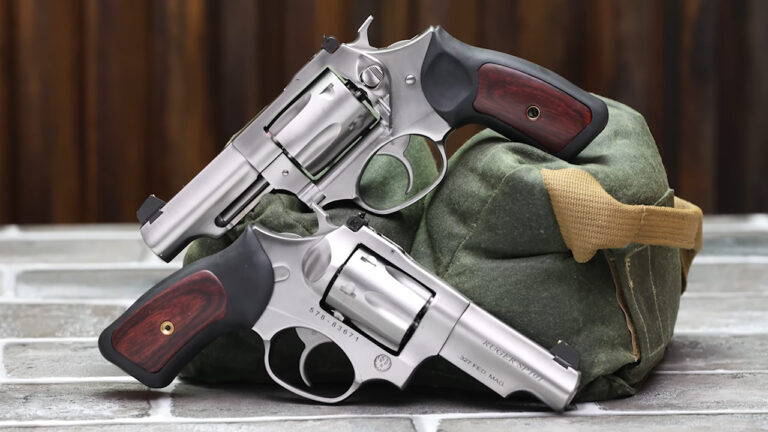
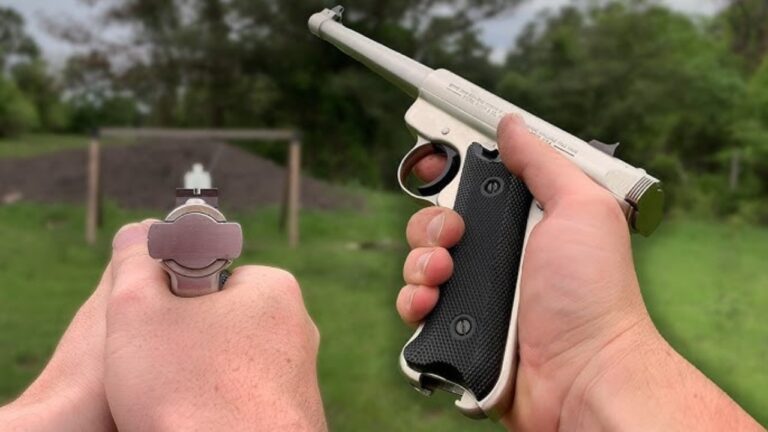
Ruger SR22
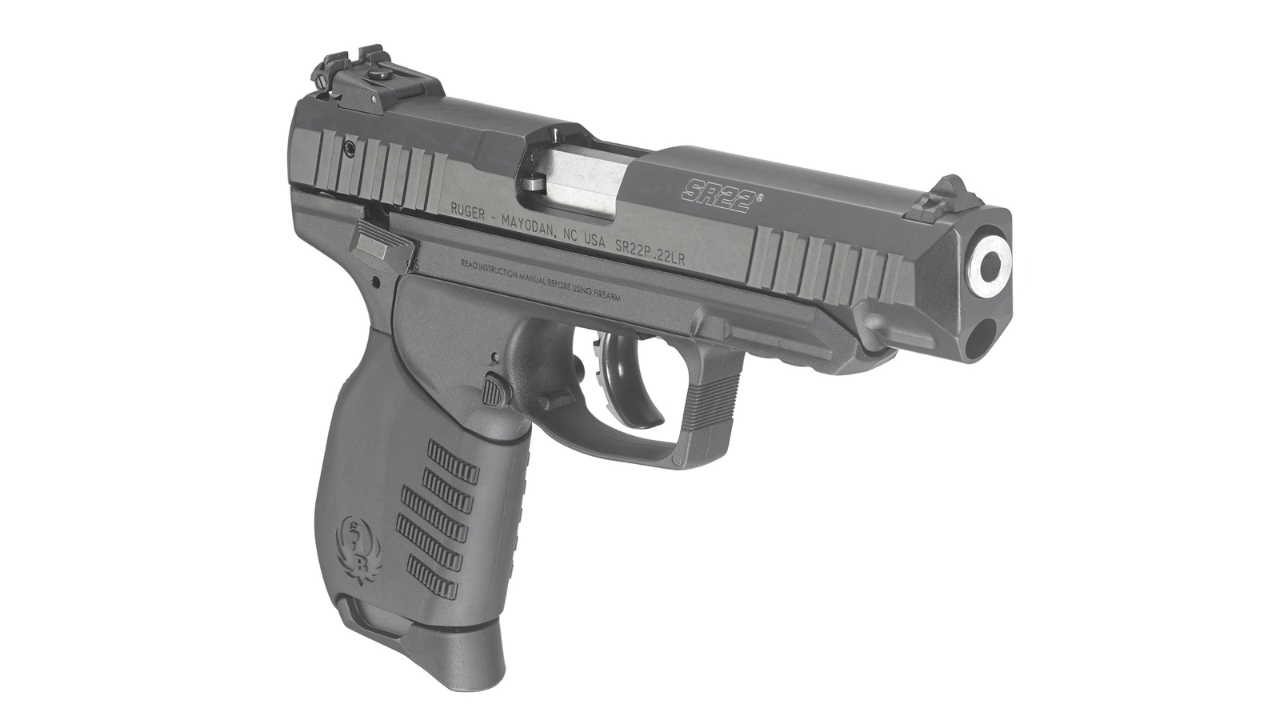
The Ruger SR22 is fun, lightweight, and perfect for teaching new shooters—but it’s one of the worst choices imaginable for bear defense. Chambered in .22 LR, it’s barely lethal on small game. It won’t penetrate a bear’s hide, let alone reach anything vital. Even a full magazine dump would do little more than irritate the animal.
In a survival situation, it’s better than nothing—but barely. The SR22 isn’t designed for reliability under stress or in rough weather. Its light aluminum frame and minimal power make it a poor match for dangerous-game country. You’d be far better off with bear spray or a shotgun than relying on a rimfire pistol.
Beretta 84 Cheetah

The Beretta 84 Cheetah, chambered in .380 ACP, is a classic pistol that offers style and smooth shooting—but it’s out of its depth in the wilderness. The .380 ACP round doesn’t have the velocity or penetration to stop a large animal. Against a bear, it’s about as effective as throwing rocks.
Its small frame and light construction make it pleasant to shoot, but also fragile under rough conditions. Mud, moisture, and impact can all affect reliability. In the controlled environment of a range, it’s a pleasure. In bear country, it’s a liability. You need something that can drive heavy bullets deep—not a pistol that’s barely strong enough for small-game dispatching.
Taurus G2C

The Taurus G2C is a budget-friendly pistol that performs well enough for casual shooting, but its 9mm chambering and inconsistent build quality make it unreliable for backcountry defense. Some shoot fine, while others have feeding or ejection issues. That kind of unpredictability is unacceptable when facing a life-or-death encounter.
Even in perfect working order, the G2C doesn’t deliver enough power to stop a charging bear. It’s a handgun designed for concealed carry, not life in the mountains. Many hunters carry them as truck guns or range pistols, but when the stakes are high, this is one sidearm that should stay home.
CZ 75 Compact

The CZ 75 Compact is a beautifully made pistol, but it’s another 9mm that doesn’t belong in bear country. Its all-steel construction makes it durable, but the cartridge itself limits its capability. Even with +P+ ammo, it lacks the energy to punch through dense bone and reach vitals.
It’s reliable and accurate but far too refined for the rough, wet, unpredictable conditions of serious wilderness hunts. The single-action trigger and exposed hammer can snag on gear, and its weight offers no advantage when the caliber can’t deliver the performance you need. For dangerous-game environments, this gun belongs back in the safe.
Colt 1911 in .45 ACP

The Colt 1911 is one of America’s most respected handguns, but even it falls short against bears. While the .45 ACP hits harder than a 9mm, it still lacks the velocity and sectional density needed for deep penetration. Against a bear’s thick skull or shoulder, it’s simply not enough.
Even with modern +P loads, the .45 can’t match the power or penetration of magnum revolver rounds. The 1911’s weight and low capacity also make it less practical to carry as a last resort in the backcountry. It’s a proud piece of history and a fine defensive gun—but when it comes to bear country, it’s not the right tool for the fight.
*This article was developed with AI-powered tools and has been carefully reviewed by our editors.