Photo credit: MDpolo Gun Channel/YouTube
Some guns spend years sitting in plain sight while buyers chase louder names, newer releases, or whatever the internet is screaming about that month. They are not secret guns. They are usually right there on used racks, in shop cases, and on gun-show tables, quietly waiting while people convince themselves they are too plain, too dated, or too niche to matter much. Then something shifts. Supply tightens, tastes change, and suddenly the same firearm people ignored for years becomes exactly the kind of thing everybody thinks they need right now.
That is when the market gets stupid in a hurry. The gun itself did not change overnight. What changed was how people saw it. These are the firearms people suddenly wanted all at once after years of walking past them.
Browning BDA .45 ACP

The Browning BDA in .45 ACP used to live in that strange zone where people respected it without ever making it a priority. It had quality behind it, a strong name on the slide, and clear practical value, but it never seemed to stir the same urgency as some of the more famous service pistols around it. That made it easy to pass by. Buyers would see one, think it was interesting, and keep walking because something louder always felt more exciting.
Then older metal-frame pistols started hitting differently. Buyers began noticing the fit, the feel, and the fact that these guns represented a kind of solid, grown-up handgun that was getting harder to find without paying serious money. The BDA did not suddenly become better. People just stopped overlooking what had been sitting there the whole time.
Ruger P90

For years, the Ruger P90 was one of those pistols people described with faint praise. It was rugged, reliable, and built like a tank, but that was often followed by some version of “yeah, but…” It was too chunky, too plain, too unglamorous, or too old-school for buyers chasing sleeker names. So it sat. Plenty of people respected what it was while still treating it like something they could always grab later if they ever felt the urge.
That attitude changed once buyers started getting more honest about what they actually valued. The P90 was never trying to be stylish. It was just trying to work. Once used prices on older service pistols started climbing and buyers realized dependable .45s were not all going to stay cheap forever, the P90 suddenly looked a lot smarter than it had when people were casually walking past stacks of them.
Smith & Wesson 5906

The Smith & Wesson 5906 spent a long time being treated like the kind of police-trade-in pistol that would always be around somewhere. It was respected, sure, but usually in a sleepy kind of way. Buyers saw a heavy stainless 9mm and often kept moving toward something lighter, newer, or more exciting. That kept the 5906 from feeling urgent for a long stretch, even though it had all the ingredients of a gun people would later wish they had bought sooner.
Then the market started leaning back toward metal-frame autos with real service history and real durability. Suddenly the 5906 was no longer just an old duty pistol. It became one of those guns buyers started seeing as proof that serious handguns used to feel different. Once enough people had that same realization at once, the quiet old Smith stopped being easy to snag.
Beretta Cheetah 84 series

The Beretta Cheetah 84 series spent years sitting in the shadow of bigger Berettas and more fashionable carry guns. Buyers liked them, but often in a casual way. They were attractive, smooth, and full of charm, yet many people still treated them like range toys or nice little extras rather than something worth buying immediately. That made them easy to admire and easy to delay, especially when compact polymer guns were pulling most of the attention.
Then tastes shifted. Buyers started realizing these pistols offered exactly the kind of feel, polish, and personality that had been thinning out of the market for years. Suddenly the Cheetah was not just a neat old .380. It was a stylish, quality handgun people wished they had picked up when they were still being shrugged off as optional curiosities.
Winchester 1300 Defender

The Winchester 1300 Defender had a long run as a shotgun people generally liked without panicking over. It was fast, handy, and well suited to real use, but for years it lived in the background behind louder names in the pump-shotgun world. That made it easy to keep putting off. Buyers assumed there would always be another 1300 sitting around, especially if they ever decided they wanted something a little different from the usual Mossberg or Remington crowd.
Then buyers started looking back at older defensive shotguns with fresh eyes. The 1300 Defender suddenly made more sense as a lightweight, quick-handling pump with real personality. Once people noticed that all at once, the old Winchester that used to feel common started feeling like something they should have grabbed when it was still sitting there without much drama.
Ruger Blackhawk in .41 Magnum

The Ruger Blackhawk in .41 Magnum was exactly the kind of revolver many buyers appreciated in theory more than in practice. It had power, history, and a loyal following, but it also felt a little too niche for people who were already juggling .357s, .44 Magnums, and everything else competing for their money. That made it easy to pass on. A lot of buyers told themselves they liked the idea of one without ever being in enough of a hurry to actually buy.
That changed once older single-actions and off-center chamberings started attracting more serious attention. Buyers began to realize the .41 Magnum Blackhawk was not just some oddball side path. It was one of those revolvers with real character and a shrinking pool of easy-to-find examples. Once the broader market picked up on that, the years of walking past them started looking like a mistake.
Colt Mustang Pocketlite

The Colt Mustang Pocketlite was one of those pistols buyers liked before they really understood what they had. For a while it was simply a neat little Colt that sat in a corner of the market many people did not treat with much urgency. Pocket autos were everywhere, and a lot of buyers figured they could always revisit the Mustang later if they ever got nostalgic for a small metal-frame .380 with some pedigree behind it.
Later arrived with a price jump and a whole lot more competition for the same guns. People suddenly remembered that the Mustang had Colt appeal, real carry history, and the kind of feel newer pocket pistols often do not bother trying to match. Once that hit a wider group of buyers, the old little Mustang stopped being something people casually noticed and became something they actively hunted.
Ithaca Model 37 Defense and riot variants
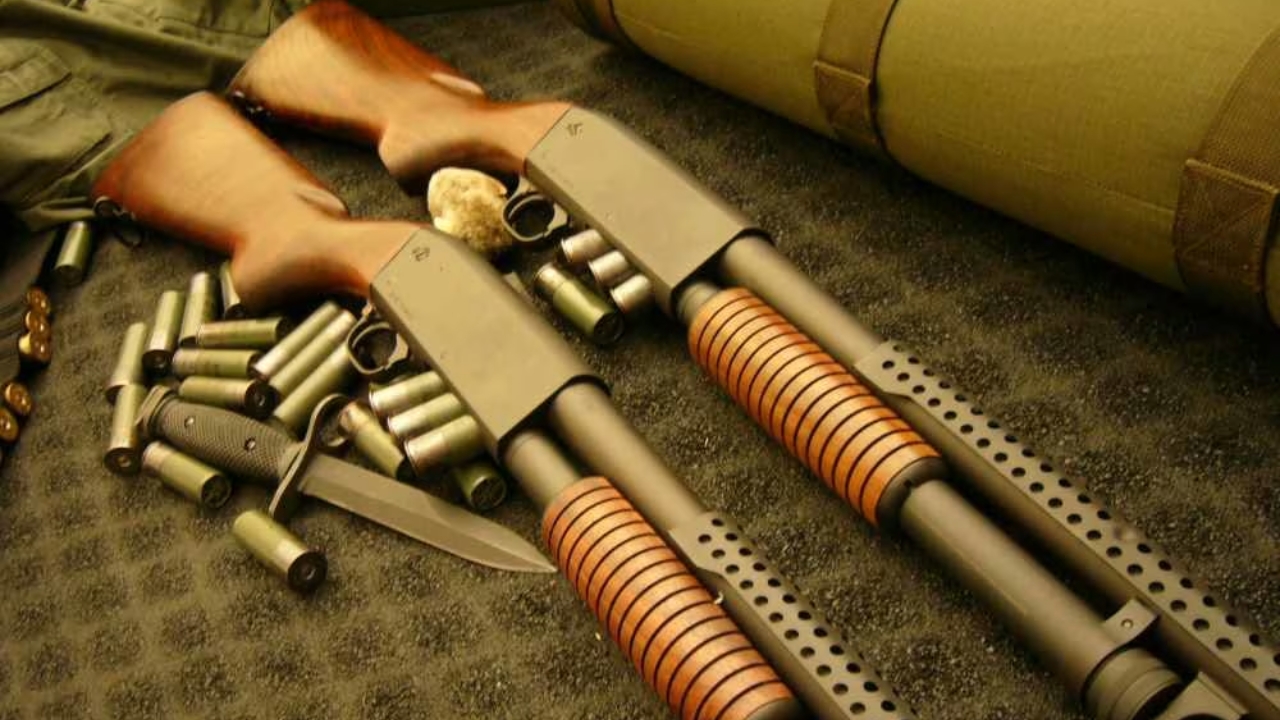
The Ithaca Model 37, especially the shorter defensive and riot-style variants, spent years being admired without enough urgency behind that admiration. Buyers respected the design and liked the bottom-eject setup, but many still treated these guns as interesting alternatives rather than must-buys. That attitude kept them sitting around longer than they probably should have. People assumed they could always circle back to one later if they decided they wanted a classic pump with a different flavor.
Then older fighting-style shotguns started carrying more weight with buyers who were tired of disposable-feeling new guns. The Ithaca suddenly looked like more than a quirky old option. It looked like a practical, well-made shotgun with real identity. Once enough buyers landed there at the same time, the old Model 37 quit being something people walked past without much thought.
Star Model BM
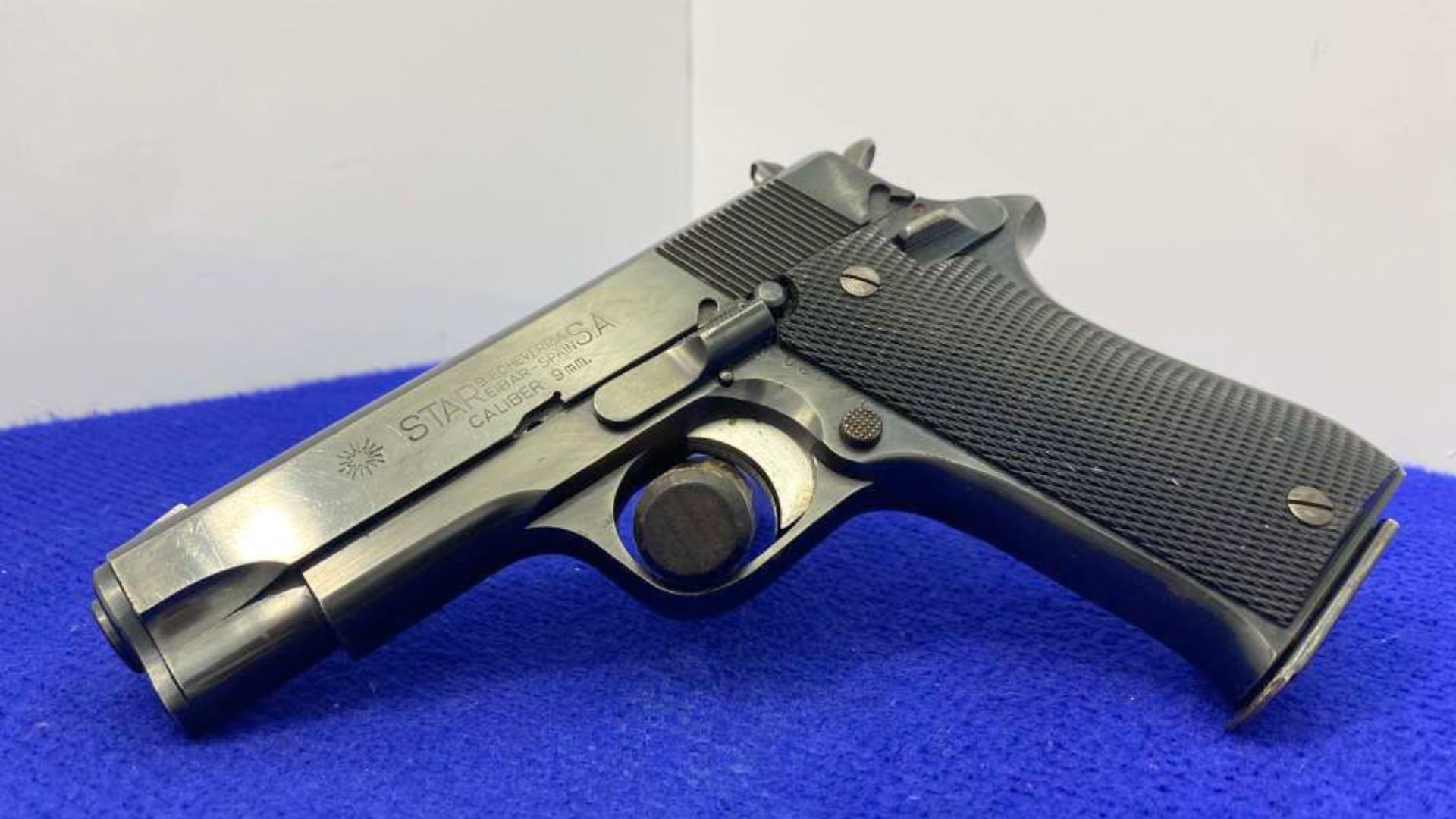
The Star Model BM used to be one of those pistols people bought almost as a curiosity. It was affordable, all steel, and generally well-liked by those who had actually spent time with one, but it still carried a sort of second-tier aura in the broader handgun market. That made it easy to ignore. Buyers would see one, think it was kind of cool, and still keep shopping because it did not have the same pull as the bigger-name service pistols.
That changed once buyers started wanting compact steel 9mms that felt serious without costing collector money. The Star BM suddenly made a lot more sense. It had the size, the weight, and the old-school character people were realizing they missed. Once enough people had that same thought, the inexpensive little Spanish pistol stopped being a casual afterthought.
Marlin Camp 9

The Marlin Camp 9 is one of the best examples of a gun people ignored until nearly everybody seemed to want one at once. For years it was just a neat pistol-caliber carbine that sat in a sleepy corner of the used market. Buyers liked the concept, sure, but it rarely felt urgent. There were always other carbines getting more hype, and the Camp 9 often looked too plain and too familiar to create much panic.
Then pistol-caliber carbines got hotter, nostalgia grew stronger, and buyers suddenly started seeing the Camp 9 for what it really was. It was handy, practical, and tied to a kind of American utility-gun appeal that ages well. Once that wider realization hit, people who had walked past them for years were left wondering why they had treated such an obvious fun gun like background noise.
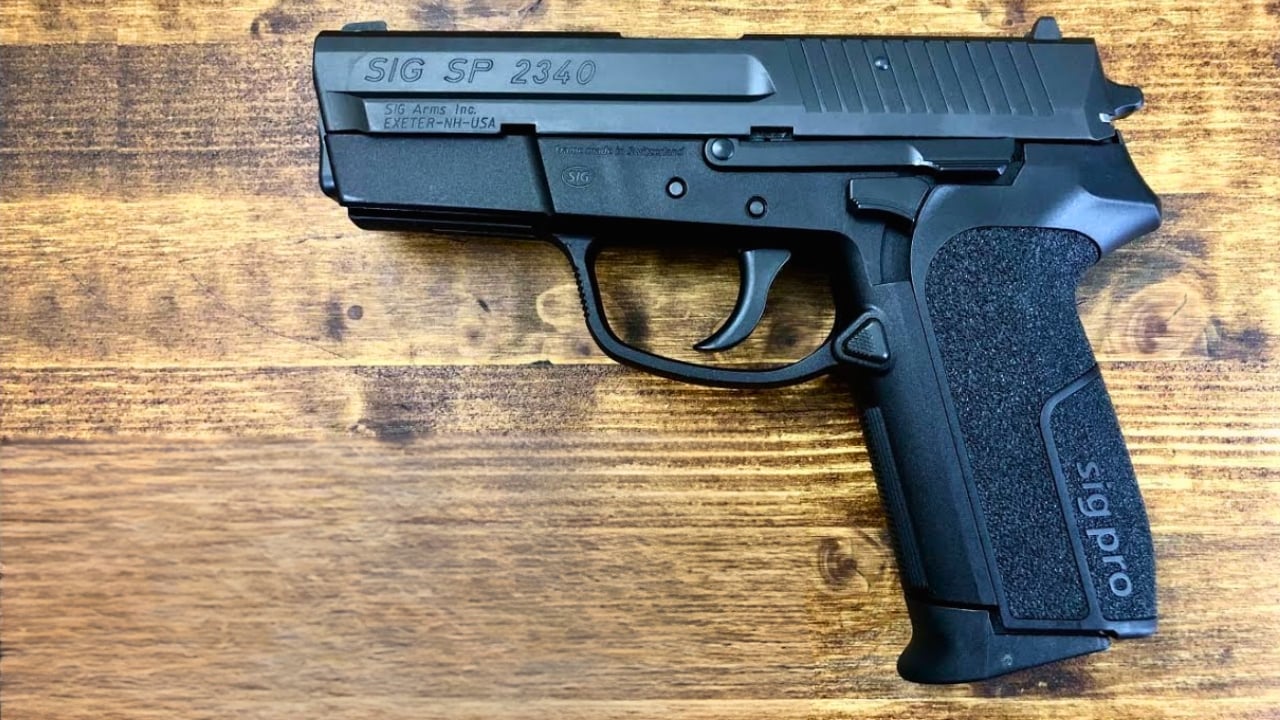
SIG Sauer SP2340

The SIG Sauer SP2340 spent years living in an awkward place. It had a respected maker behind it and real service-pistol credibility, but it never generated the same affection as the classic metal-frame SIGs. That kept it from feeling especially urgent to most buyers. People often saw it as the SIG you bought only if the better-known ones were unavailable or too expensive, which meant plenty of buyers did not think twice about leaving one behind.
Then time did its usual work. Buyers started appreciating transitional and overlooked pistols more, especially ones with real utility and a decent pedigree. The SP2340 still was not glamorous, but it did not need to be. It just had to become interesting to enough people at the same time. Once that happened, the old polymer SIG started drawing a lot more attention than anyone would have guessed years earlier.
Mossberg 590A1 Retrograde

The Mossberg 590A1 Retrograde did not start as an old gun, but it fits this headline because buyers treated it like a novelty until they all seemed to want that exact look and feel at once. For a while it was easy to dismiss as style-first nostalgia bait. Plenty of buyers liked it, but many still kept walking because it felt like something they could come back for later if they ever decided they wanted a defensive shotgun with more visual appeal than the average black pump.
Then the market swung harder toward guns with some character. Suddenly the mix of proven 590A1 durability and old-school furniture did not feel gimmicky. It felt smart. Once that happened, people who had shrugged them off as unnecessary started chasing them like they had been obvious winners from the start.
Browning Buck Mark Camper older variants

The Browning Buck Mark Camper, especially older versions, sat for years as one of those .22 pistols buyers respected without really chasing. It was dependable, fun, and well-liked, but it often lost attention to flashier rimfire pistols or to whatever newer .22 handgun had the current spotlight. That made it easy to walk past. A lot of people assumed Buck Marks would always be around in one form or another, so there was no real need to jump.
What changed was not the gun. Buyers just started appreciating good rimfires more seriously. The older Buck Marks began to look like exactly the kind of honest, enjoyable pistols people should have bought when they still felt common. Once enough shooters came to that conclusion together, even the humble old Camper stopped feeling like a background option.
CZ 75 Compact PCR

The CZ 75 Compact PCR spent a long time being admired mostly by people who already knew exactly what it was. That kept it from becoming a wider-market obsession for a while. Buyers outside that circle often walked past it because they were focused on full-size duty pistols, tiny carry guns, or the newest polymer thing getting all the oxygen in the room. The PCR just sat there being smart, useful, and a little too understated for its own good.
Then the market started appreciating practical metal-frame compacts in a different way. The PCR suddenly looked like the answer to a question many buyers had been asking badly for years. Light enough, shootable enough, proven enough, and with more personality than the average carry pistol, it finally got noticed by a much bigger crowd. That made years of ignoring it look pretty silly.
H&R Topper in practical field gauges

The H&R Topper spent years being the kind of shotgun people barely saw anymore because it was too familiar. It was cheap, simple, and deeply unglamorous. Buyers did not walk past it because they thought it was bad. They walked past it because it never seemed like something you had to buy right now. A single-shot utility shotgun does not exactly scream urgency when shelves are full of pumps, autoloaders, and tactical toys.
Then people started getting more interested in straightforward field guns, survival-minded setups, and old practical pieces that did exactly what they were built to do. The Topper suddenly looked less like a relic and more like an honest shotgun people should have respected sooner. Once that shift hit, even the old break-action H&R started drawing the kind of interest it had gone years without.
Like The Avid Outdoorsman’s content? Subscribe to our newsletter so you never miss an article.
Here’s more from us: