Photo credit: TFB TV/YouTube
Carrying a pistol every day exposes weaknesses you’ll never see during a quick range trip. Some handguns handle rotation effortlessly—you load them, holster them, and they behave exactly the same every time you bring them back out. Others start showing quirks the moment they sit for a few days. Light primer strikes, sluggish slides, tight chambers, and sensitivity to even minor variations in lubrication can turn a “good on paper” pistol into a headache.
If you rotate between guns, these models develop patterns that make them tough to trust once they’re pulled from the holster after a week of real carry.
Kimber Solo Carry
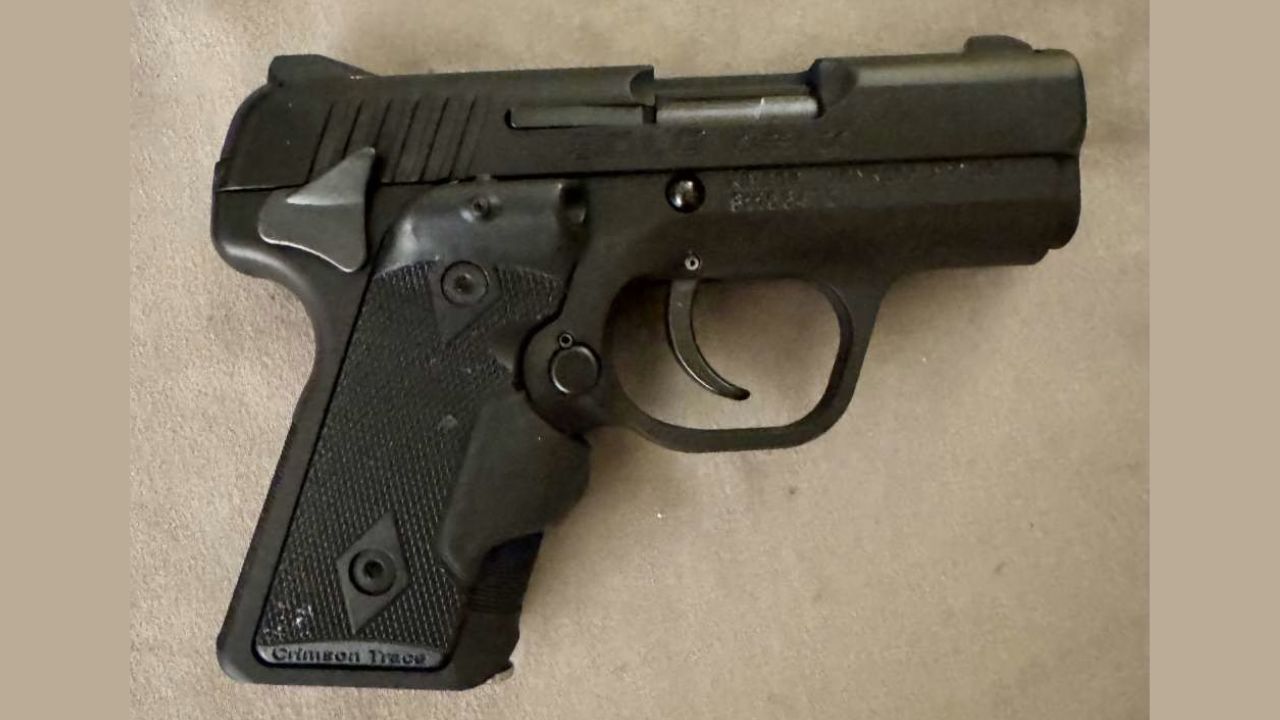
The Kimber Solo Carry looks like a premium deep-concealment option, but it struggles when you rotate it into real daily carry. The pistol is notoriously picky about ammunition, especially when jumping between light practice loads and hotter defensive rounds. When the gun sits for a few days, small changes in lubrication can cause cycling issues on the first magazine. Some shooters report that the slide feels sluggish until the pistol “warms up” again.
As a range gun shot consistently, it behaves better. But when used as an occasional carry piece in a rotation, its finicky nature shows quickly. It’s a pistol you constantly have to monitor.
Kahr PM40
The Kahr PM40 is compact and powerful, but that combination exposes reliability issues when the gun isn’t fired regularly. Many owners find that the first few rounds after a carry break tend to nose-dive or hang up on the feed ramp. The tight tolerances demand ideal lubrication, and even slight drying can make those first cycles stiffer than normal.
Once the pistol is running, it often smooths out. But for someone rotating firearms weekly, the PM40’s sensitivity makes it inconsistent. It’s a gun that wants constant use, not occasional service.
Taurus PT709 Slim
The PT709 Slim has a loyal following, yet it’s another pistol that doesn’t love sitting idle. After a week in a holster, some shooters notice sluggish triggers or inconsistent ejection patterns on the first few shots. Changing between ammunition types during carry rotation also exposes how inconsistent the gun can be with extraction.
The Slim can run acceptably with enough attention, but most people carrying multiple pistols need something that “wakes up” the same every time. This model simply isn’t reliable enough for infrequent use.
SIG Sauer P238

The SIG P238 is beautifully made, but its 1911-style format doesn’t always transition well into rotation. When it sits for several days, oil tends to migrate off key parts, leaving the slide a bit sluggish until it cycles a few times. Some shooters also report the external safety feeling slightly stiffer or looser depending on how long the pistol has remained holstered.
For frequent users, none of this is a major issue. But if you rotate between several carry guns, the P238’s behavior changes just enough to raise questions for those first critical shots.
Springfield XDS 3.3
The Springfield XDS 3.3 performs well when shot consistently, but rotating it in and out of carry exposes a few quirks. The striker system can feel slightly inconsistent after sitting for a week, and the first-round feeding can be abrupt with certain bullet profiles. The pistol also seems more sensitive to lint and pocket debris than some competitors.
The XDS is reliable for many shooters, but it requires more preparation if you aren’t carrying it daily. In a rotation setup, those small inconsistencies become more noticeable.
Walther CCP (first generation)
The Walther CCP’s gas-delayed system demands perfect conditions, and rotation disrupts that. Letting the pistol sit for several days allows carbon buildup to stiffen the slide, causing odd cycling behavior when you reintroduce it to carry use. Light primer strikes and stovepipes show up more often after idle periods.
Walther improved later versions, but early CCPs never handled inconsistent use gracefully. It’s a pistol that wants a strict maintenance schedule, not sporadic carry.
Bersa Thunder Pro UC9
The Thunder Pro UC9 is solid for its price, but it doesn’t always behave consistently when carried intermittently. Some shooters see changes in slide velocity after the pistol sits, especially if lubrication settles into the frame rails. This leads to feeding or ejection patterns that feel noticeably different compared to regular use.
It’s perfectly serviceable for someone who carries the same gun every day. But for a rotation setup, the unpredictability shows up quickly.
KelTec PF9

The KelTec PF9 is known for being lightweight, but that comes with compromises. When the gun sits in a holster for days, the stiff recoil spring and tight magazine angle create feeding issues on the first cycle. The pistol also tends to “dry out” faster than others, making lubrication more important for consistent carry.
It works well enough when used frequently—and maintained obsessively—but goes downhill fast when rotated in and out without attention.
SCCY CPX-2
The SCCY CPX-2 can be reliable, but it loses consistency after sitting for a while. Its long double-action trigger sometimes feels different after a week of holster time, and the slide can hesitate on the first few rounds if debris builds up around the rails. Ammunition sensitivity becomes more noticeable during rotation too.
If it’s your only carry gun, routine use keeps things stable. But as part of a rotation, it struggles to maintain predictable performance.
Rock Island Armory M200
The RIA M200 is inexpensive and functional, but it isn’t built for the wear patterns of rotation carry. The heavy double-action trigger can feel gritty after sitting unused, and early cylinders often develop timing quirks that only show up after inconsistent shooting schedules. Rotating it in and out exposes these changes more than steady use would.
It’s a perfectly fine budget revolver for occasional range work. But as a rotation carry weapon, it changes behavior too often to trust fully.
Kimber Micro 9

The Micro 9 suffers from similar issues as other micro-1911 formats. Sitting unused for days allows lubrication to shift or evaporate just enough to change the slide’s feel. Many shooters find the first magazine after a carry break feels tighter, with occasional failures to return to battery. Some ammo types exacerbate the inconsistency.
It’s a terrific shooter when used frequently, but unpredictable when used as an occasional carry piece.
Taurus G2C
The Taurus G2C can run reliably, but rotation reveals weaknesses many owners overlook. Let it sit for a few days, and the trigger sometimes feels less predictable on the first few presses. Light dust or lint around the striker channel can also create intermittent ignition issues, especially when switching between practice and defensive ammunition.
Daily carry smooths out most problems, but rotating in and out allows them to resurface at the worst time.
Beretta Tomcat (3032)
The Beretta Tomcat is a neat design, but it doesn’t handle long breaks in carry well. The tilt-up barrel system can feel stiffer after sitting, and lubrication inconsistencies show up fast once you begin firing again. The .32 ACP chambering also means ammunition differences become exaggerated when the pistol isn’t used regularly.
It’s a charming little gun, but not ideal for someone rotating several carry options.
SCCY CPX-3
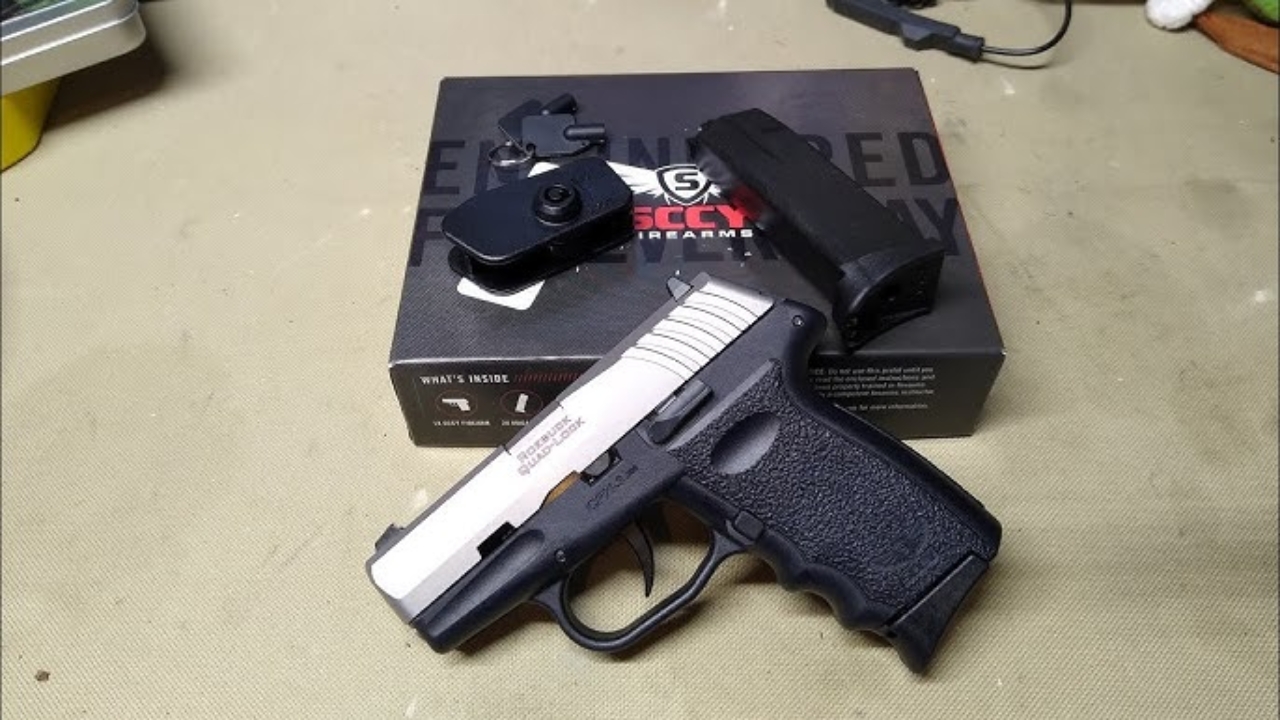
The CPX-3 shows many of the same quirks as its 9mm sibling. Sitting unused causes small changes in trigger feel, slide motion, and magazine tension. Once you start shooting again, you may get feeding stutters until everything settles. The pistol is lightweight and affordable, but not built with the kind of consistency rotation demands.
Regular shooters get along fine with it. Rotating owners often move on.
Kimber R7 Mako (early runs)
Early R7 Mako pistols had issues that showed up primarily after the gun sat unused. Striker drag, inconsistent ignition, and failures to fully chamber occurred more often on that first magazine after a break. The optics-cut slide also exaggerates any lubrication issues when the pistol isn’t fired regularly.
Kimber refined the design, but early examples still struggle with rotational carry patterns.
Like The Avid Outdoorsman’s content? Subscribe to our newsletter so you never miss an article.
Here’s more from us: