Photo credit: TFB TV/YouTube
Some guns look good on paper and even feel great at the range—but the real test comes when the pressure’s on. Whether it’s a hunt, a self-defense moment, or a hard-use field scenario, the last thing you want is a firearm that decides to quit. The models on this list have a track record of letting folks down when it matters most. Some suffer from cheap internals, others just weren’t designed for real-world abuse. Either way, these are the ones you probably don’t want to bet your life or tag on.
Remington R51

The R51 had promise with its unique design and carry-friendly frame, but it’s remembered more for failures than innovation. Early batches had serious issues with reliability, including failures to feed and jammed internals.
Even after a redesign, it still didn’t inspire confidence. Reports of stovepipes and broken parts weren’t uncommon. It might look sleek, but it’s not the kind of gun you trust to work every time.
Taurus PT111 Millennium G2

This pistol gained a following for its price and features, but plenty of users have experienced reliability issues when things got serious. Failure to feed, light primer strikes, and finicky magazines are common complaints.
It’s not a total disaster, but when a gun has a habit of choking under pressure, it makes you think twice. It’s not always about looks or specs—performance matters most when it counts.
KelTec Sub-2000

It’s lightweight, compact, and folds in half—which is great until the internals start acting up. The Sub-2000 can be fun at the range, but it’s had a long history of cracked buffer tubes and ejection issues.
Many users report problems with malfunctions once the gun heats up or gets dirty. It’s handy for a backpack, but not something to stake your hunt or safety on.
SIG Sauer Mosquito

This little .22LR looks sharp and has SIG branding, but it doesn’t live up to the name. It’s notoriously picky with ammo, and feeding issues are constant unless you find just the right load.
That’s a problem when you’re relying on it for training or critter control. If a rimfire pistol won’t run bulk ammo reliably, it’s more trouble than it’s worth.
Remington 597

The 597 was Remington’s attempt at a semi-auto .22, and while it has fans, it also has serious issues. Feed problems, bolt failures, and magazine malfunctions plague the platform.
Even well-maintained models can suddenly stop cycling properly. For a rifle that should be a workhorse, it too often turns into a headache at exactly the wrong moment.
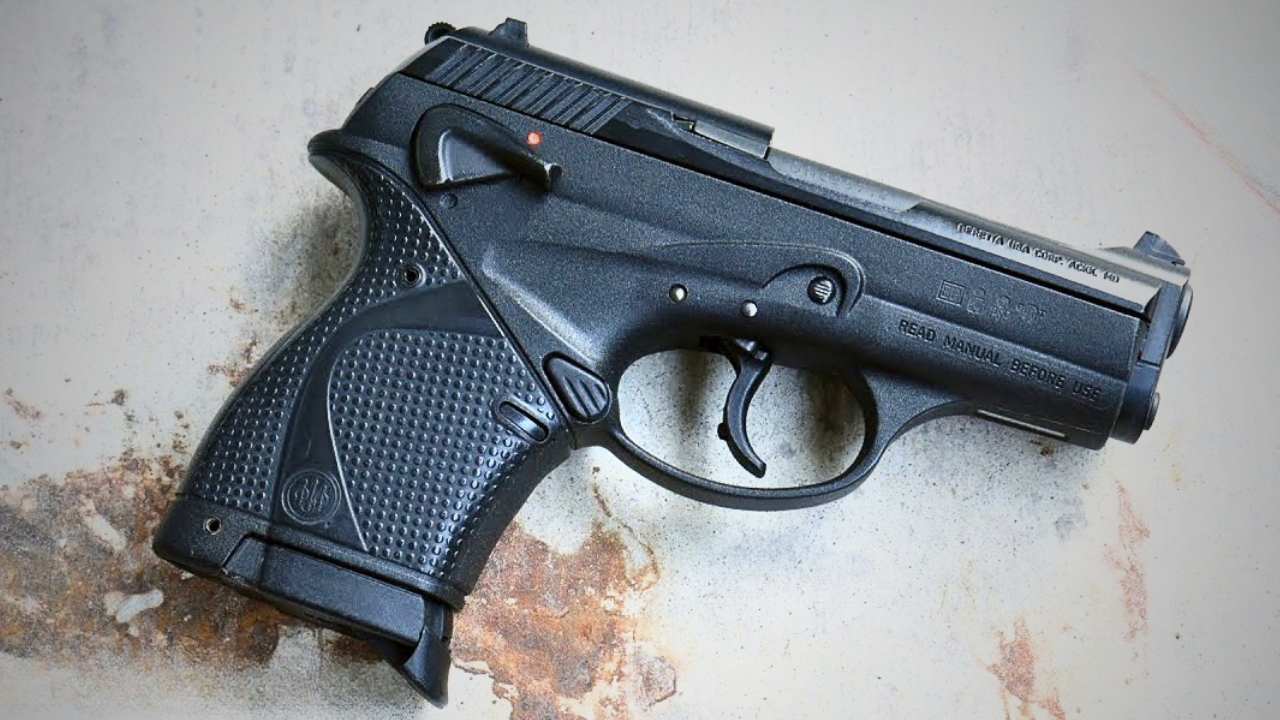
Beretta 9000S

This compact 9mm had a nice design and big-brand backing, but reliability has always been a concern. Many users ran into feeding and ejection problems even during light use.
Parts availability and support have only gotten worse. It’s one of those guns that looks fine on the surface but just doesn’t hold up when you try to count on it.
Hi-Point C9

It’s cheap and it goes bang—most of the time. But under stress or repeated use, the C9 has a habit of misfeeding or locking up. It’s also not exactly built for long-term abuse.
It’s fine as a range toy, but if you’re relying on it in a critical moment, you may end up frustrated—or worse. There are better budget options that don’t require constant babysitting.
Desert Eagle .50 AE

The Desert Eagle has movie-star status, but in the real world, it’s too finicky for serious use. Ammo sensitivity and weight make it tough to shoot well under pressure.
If anything goes wrong—a limp wrist, dirty mag, or out-of-spec round—you’ll likely see a malfunction. It’s a range showpiece, not something you want to reach for when things get real.
Walther P22

This compact rimfire pistol is handy in size but spotty on reliability. It’s especially picky about ammo and often fails to cycle or extract when things get gritty.
It’s fun to shoot when it’s running right, but inconsistent performance is a deal-breaker if you’re using it for small game or training. It’s a gun that needs perfect conditions to behave.
DPMS Oracle AR-15

An entry-level AR with lots of appeal—but it comes with trade-offs. Feed ramps, gas system alignment, and trigger quality can all cause issues, especially during extended shooting.
It may be fine for occasional use, but when conditions get tough or the round count climbs, reliability suffers. Not a great choice for hard field work or high-stress use.
Chiappa Rhino Revolvers

The Rhino has a unique design and shoots from the bottom cylinder—cool idea, but not always reliable. Some models have had issues with timing, light primer strikes, and cylinder lockups.
They feel odd in the hand and require more care than most folks expect from a revolver. For a defensive piece, that’s not a great trait.
FN Five-seveN

Lightweight and high-capacity, the Five-seveN has lots going for it—until you try to shoot bulk 5.7 ammo. Performance drops fast with inconsistent loads, and some shooters report ejection problems.
It’s also not built to take dirt or grime well. If conditions aren’t ideal, you might get a surprise stoppage just when you least expect it.
Kimber Solo Carry

Kimber’s Solo Carry was marketed as a premium micro 9mm, but users quickly learned it needed expensive ammo and constant cleaning to run right. Not a good sign for a carry gun.
Even then, trigger resets and failure-to-feed issues cropped up. It’s too temperamental for what it’s supposed to do: go bang every time without a fuss.
I.O. Inc AKs

I.O. Inc’s take on the AK platform should’ve been bulletproof, but poor quality control ruined that idea. Misaligned sights, cracked trunnions, and inconsistent headspace have been common complaints.
In a design that’s meant to be ultra-reliable, this version managed to become a liability. Plenty of users had these guns quit long before they should’ve.
Taurus Spectrum

The Spectrum had sleek lines and some interesting features for a pocket pistol, but real-world use exposed issues fast. Feeding problems and inconsistent ejection showed up early.
It feels nice in the hand, but when it fails under even light use, confidence goes out the window. It’s one of those guns that had potential but didn’t follow through.
Zastava M88A

This compact 9mm from Serbia has old-school charm, but it’s not built for modern abuse. Magazines can be hit or miss, and parts breakage isn’t unheard of.
They’re also known for slide bite and sharp recoil. If something fails, good luck finding spare parts quickly. Not the best choice for anyone who needs rock-solid reliability.
Charter Arms Pitbull

Designed to shoot rimless cartridges like 9mm in a revolver, the Pitbull sounds clever. In practice, the extraction system can be a real mess, especially under stress or with dirty ammo.
If you need to reload fast or shoot through a box in a pinch, it may not cooperate. It’s a good concept, but execution just isn’t there.
ATI Omni Hybrid ARs

Using a polymer lower and upper sounds lightweight and cool—but in practice, it doesn’t hold up. Cracks, blown-out pin holes, and flexing under heat or hard use are all issues.
These guns might run okay for a while, but when they go, they tend to go suddenly. Not ideal if you’re counting on it in the field or for home defense.
Beretta U22 Neos

It’s fun to shoot and has that space-gun look, but the Neos can be really picky about ammo. Feed issues, stovepipes, and trigger hiccups are common complaints.
If you’re just plinking, it might be okay. But if you expect it to run dirty or keep up during long sessions, don’t be surprised when it stops playing along.
*This article was developed with AI-powered tools and has been carefully reviewed by our editors.