Photo credit: Paul Roberts/YouTube
Some firearms never had to be sold hard because the people who used them already knew what they were. They were not built around trend cycles, flashy branding, or a bunch of talking points that sounded good under fluorescent lights. They just worked, and over time that usually mattered a lot more than whatever was getting pushed as the next must-have thing.
That is what ties these guns together. They were not always the loudest names in the room, but they kept earning respect anyway. They felt right in the hand, made sense in the field, and stayed useful long after louder guns burned through their moment. These are the firearms that never needed much hype.
Colt 1903 Pocket Hammerless

The Colt 1903 Pocket Hammerless never needed much hype because it was already doing its job before most of the modern carry-gun conversation even existed. It was slim, easy to carry, and made with the kind of polish and restraint that old Colt pocket pistols carried naturally. Nobody needed to dress it up with buzzwords. The thing already knew what it was.
What makes it even more impressive is how well the basic idea still lands. It points naturally, disappears easily, and carries the sort of quiet confidence a lot of newer pocket guns try to fake with styling and marketing. You pick one up and understand pretty quickly why people kept them close.
Browning Double Auto
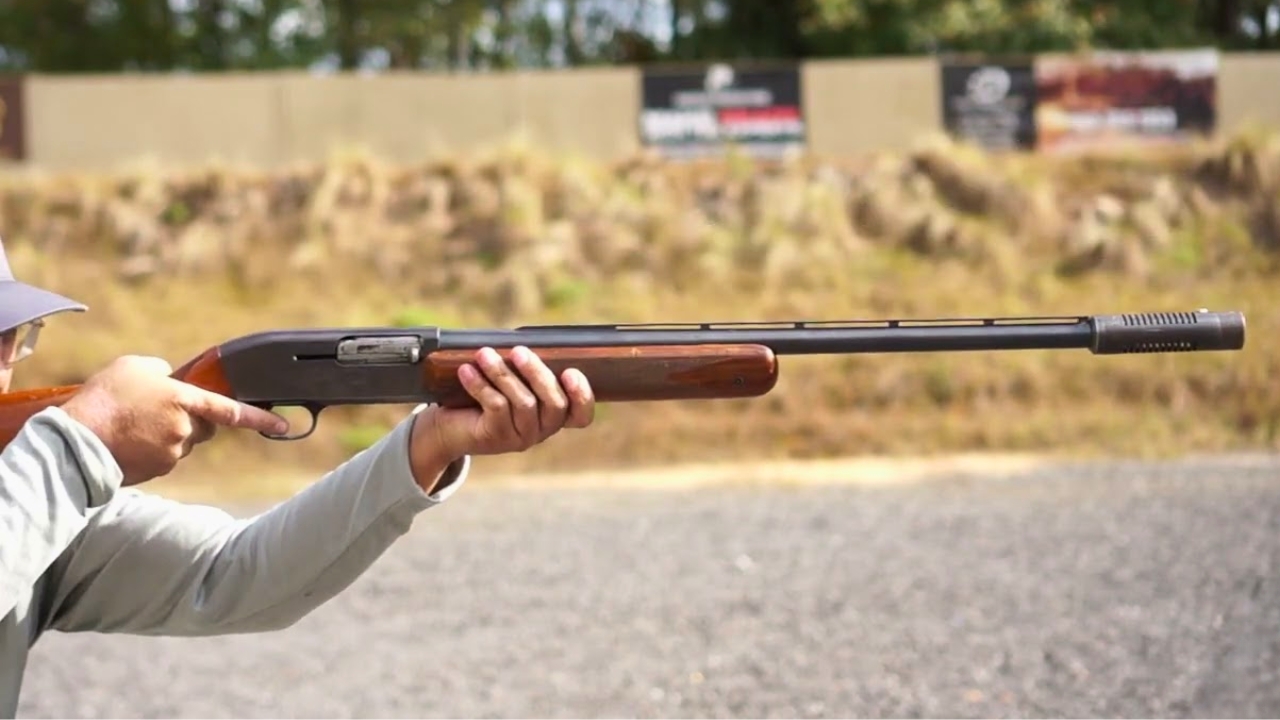
The Browning Double Auto was never the shotgun people shouted about most, but it never really needed that. It was trim, fast-handling, and different in a way that actually mattered. That short magazine setup kept the profile clean, and the gun carried much better than a lot of bulkier autoloaders people were supposedly more excited about at the time.
That is exactly why it still earns respect. In the field, it feels lively and purposeful, not gimmicky. It was built for hunters who valued carry and handling over raw bragging points, and that kind of design tends to age very well once the noise dies down.
Smith & Wesson 915
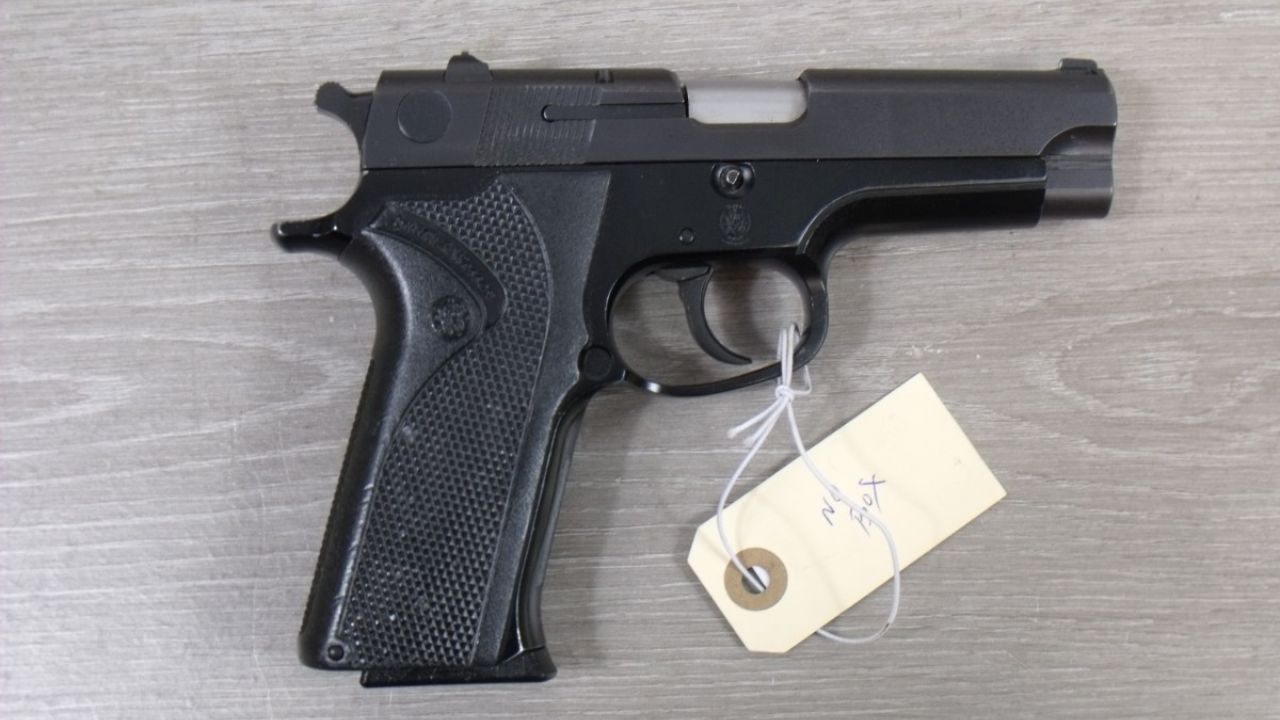
The Smith & Wesson 915 never had the glamorous reputation of some of the older all-metal Smiths, which is probably why it stayed underrated for so long. It looked plain, worked hard, and skipped the kind of flourish buyers often mistake for importance. That made it easy to overlook if you were shopping with your ego instead of your hands.
But that plainness was part of the value. The 915 was dependable, straightforward, and easy to live with. It never needed much hype because it did the thing useful pistols are supposed to do: it kept running without asking the owner to keep defending the purchase.
Remington 721

The Remington 721 never needed much hype because it built its reputation the slow way. It was accurate, durable, and practical before people started demanding every hunting rifle come with a story. It did not have to look romantic or feel rare. It just had to shoot and hold up, and it did both well enough that generations of hunters never forgot it.
That is why rifles like this matter. The 721 made sense in camp, on the range, and in the deer woods. It was one of those rifles that kept earning trust long after the sales pitch was gone, which is usually a strong sign the gun was built around the right priorities.
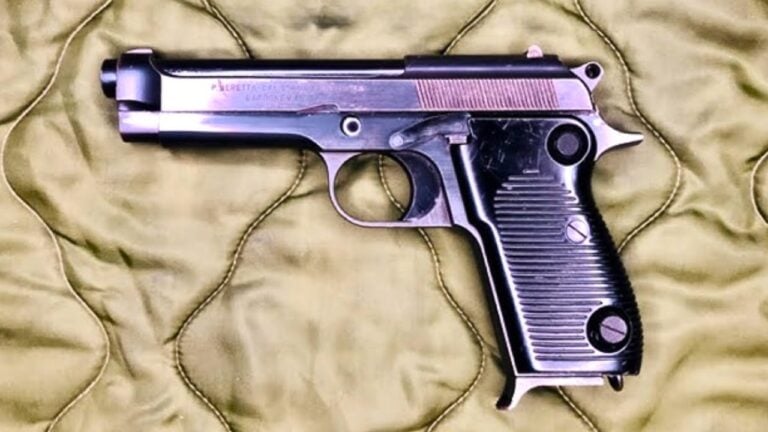
Beretta 70S
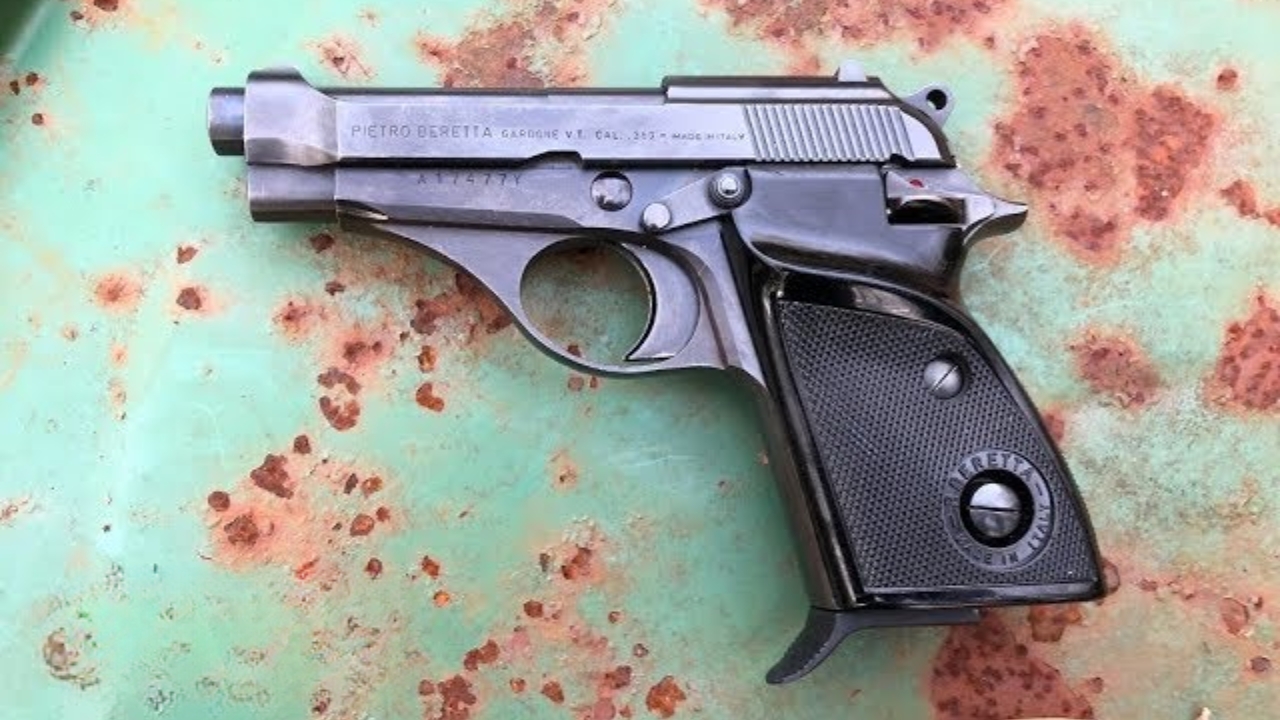
The Beretta 70S never needed much hype because it had real charm without feeling cheap or unserious. It was compact, well-shaped, and clearly built by people who still cared how a small pistol should feel in the hand. That was enough. It did not need to dominate the market to justify itself. It only needed to make sense to the people who owned one.
That still comes through today. The little Beretta has substance, real usability, and more personality than a lot of modern small pistols that are supposed to be “better.” The 70S did not need to be louder. It was already smarter than that.
Savage 340

The Savage 340 never had much glamour attached to it, and that is exactly why it belongs here. It looked like a plain working rifle because that is what it was. Hunters bought them because they were affordable, practical, and good enough to matter, not because they thought they were buying some future legend with a dramatic backstory.
And yet rifles like the 340 keep earning respect because they did real work for real hunters. They carried enough accuracy, enough utility, and enough honesty to stay relevant long after fancier rifles came and went. A rifle like that never needed hype. It needed a season and a tag.
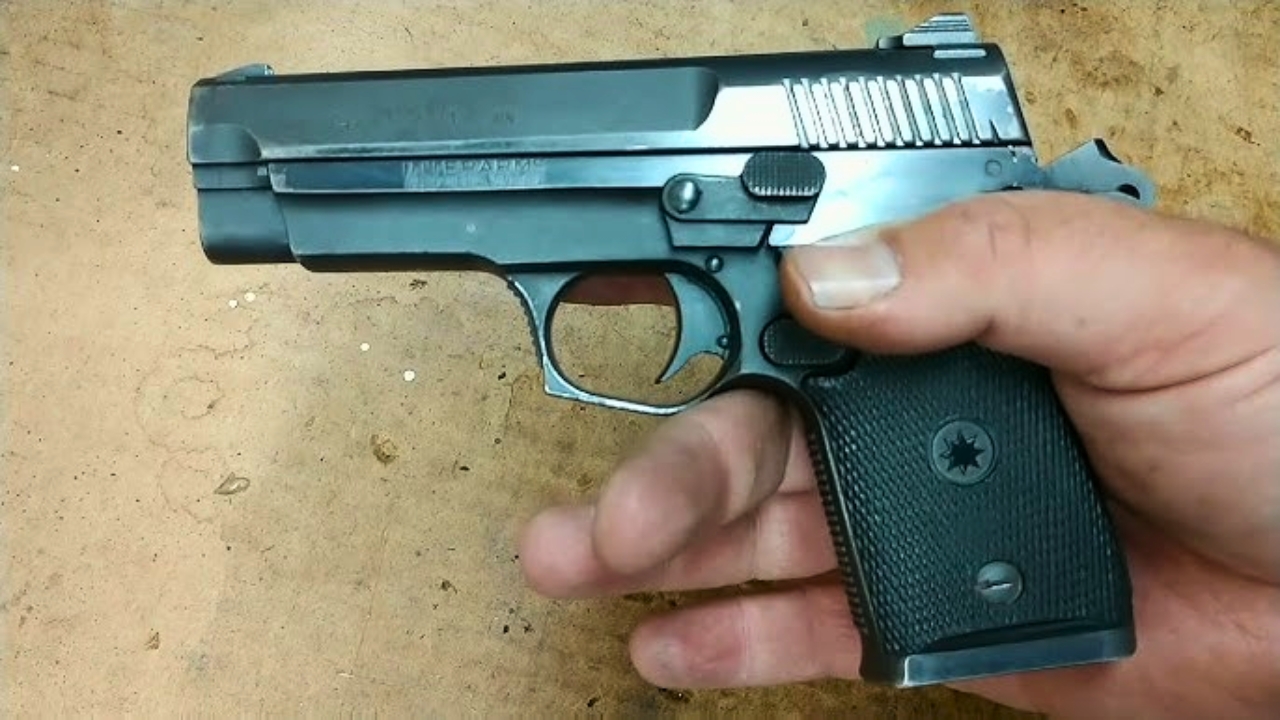
Astra A-75
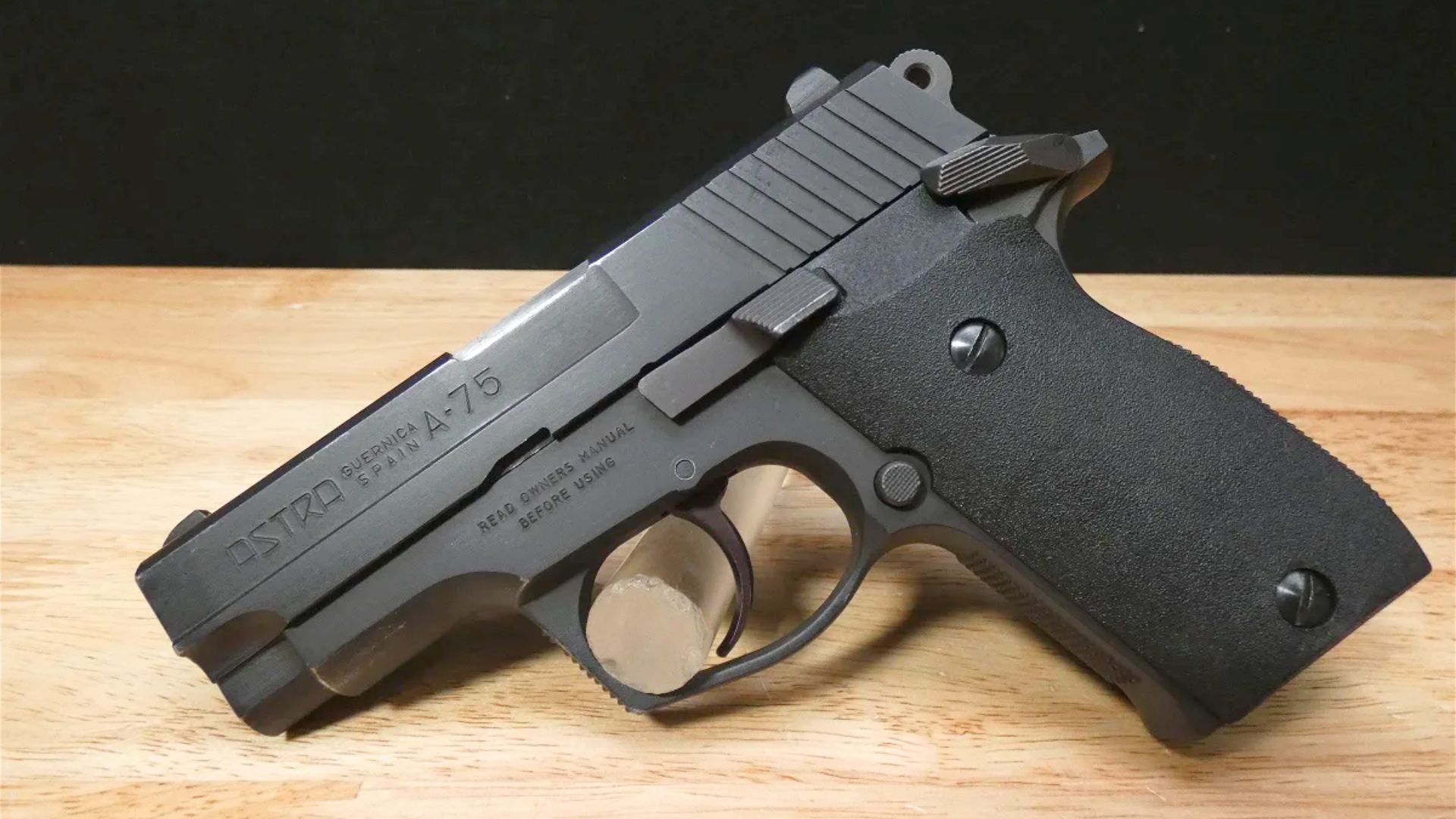
The Astra A-75 was one of those pistols that quietly made sense to people who actually used them. It did not carry the same badge prestige as some bigger names, but it had real practical appeal as a compact double-stack 9mm that handled itself well and did not feel flimsy or confused about its purpose. That counts for a lot.
It also felt like a serious little pistol, which is why the people who owned them tended to speak well of them without needing the rest of the market to catch up. Some guns build quiet reputations because they solve problems without much ceremony. The A-75 fits that description perfectly.
Winchester 1400
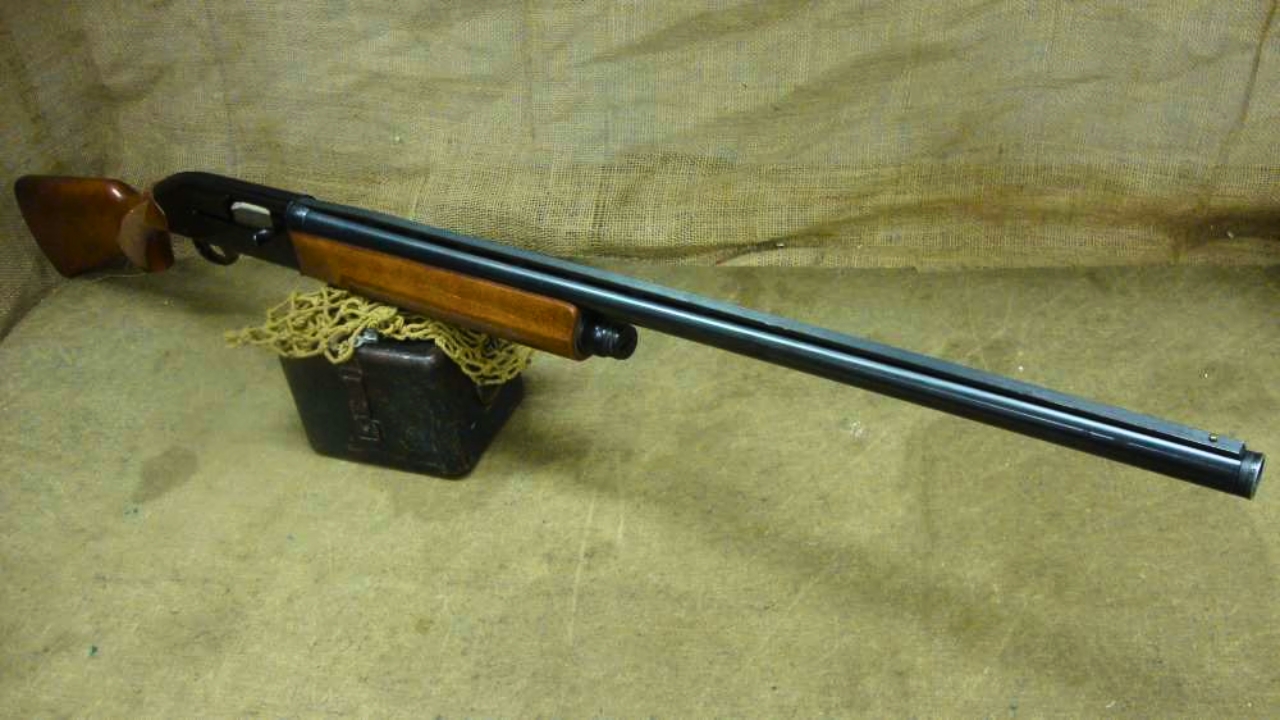
The Winchester 1400 never had the broad emotional pull of some more famous autoloading shotguns, but it did not need it. It was useful, quick enough in the field, and much more practical than the market sometimes gave it credit for. That made it the kind of gun hunters kept using even when they were not talking about it much.
That is often how solid firearms survive. The 1400 was not trying to win style points. It was trying to function well enough to keep getting invited back into blinds and fields. It managed that just fine, which is why its reputation among actual users usually sounds better than its reputation among people who only know the name.
Ruger Police Carbine
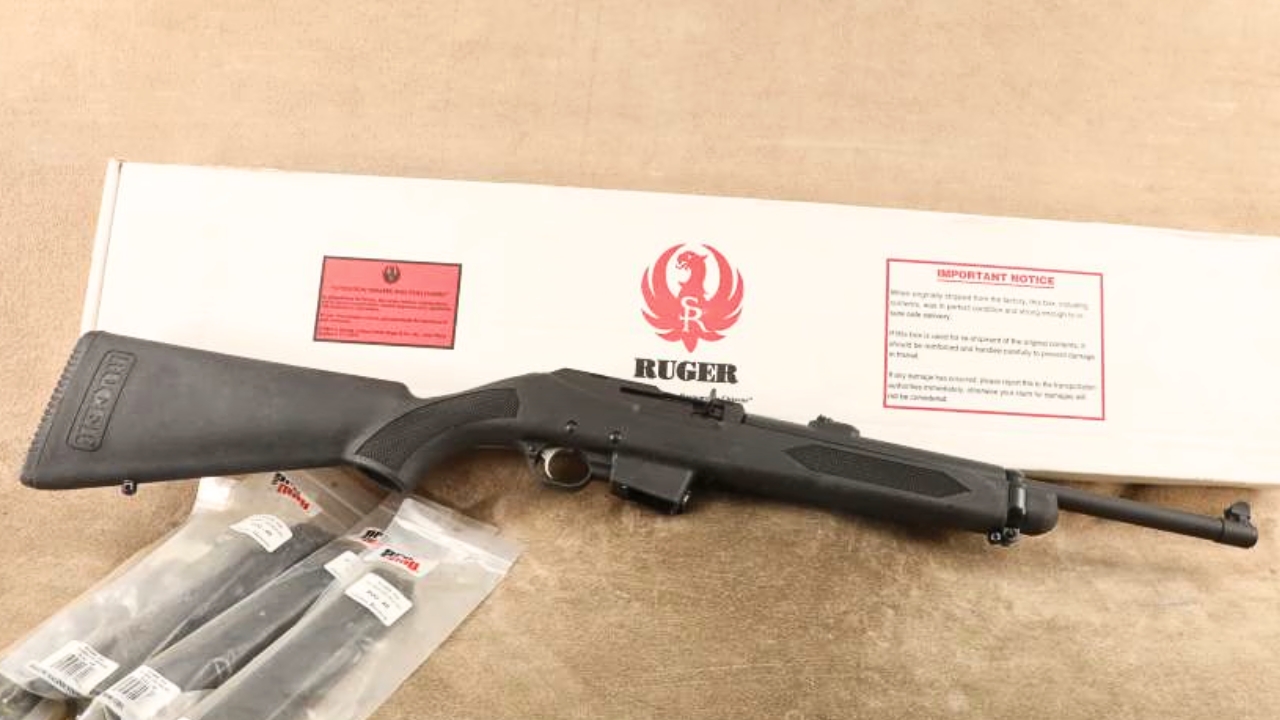
The Ruger Police Carbine never needed much hype because the idea behind it was already strong. It was sturdy, simple, and built around practical use instead of image. It looked like a working gun because it was one, and that was more than enough for buyers who cared about reliability and ease of ownership more than whatever looked hottest in a catalog.
That straightforwardness is exactly why it still makes sense. The gun did not pretend to be futuristic or especially refined. It just offered a useful pistol-caliber carbine with Ruger toughness behind it. Plenty of louder guns have come and gone. This one never needed to shout.
Husqvarna 1640

The Husqvarna 1640 never got the kind of loud market attention its quality probably deserved, but that does not mean it went unnoticed by people who actually handled rifles seriously. It had excellent lines, strong field manners, and the kind of old-world sporting-rifle feel that tends to speak for itself once it is in your hands.
That is why hype would have been almost beside the point. A rifle like this sells itself to the right buyer through balance, feel, and finish. It was built for hunters who understood rifles, not for buyers who needed to be talked into wanting one. Guns like that usually age with a lot of dignity.
Star Ultrastar
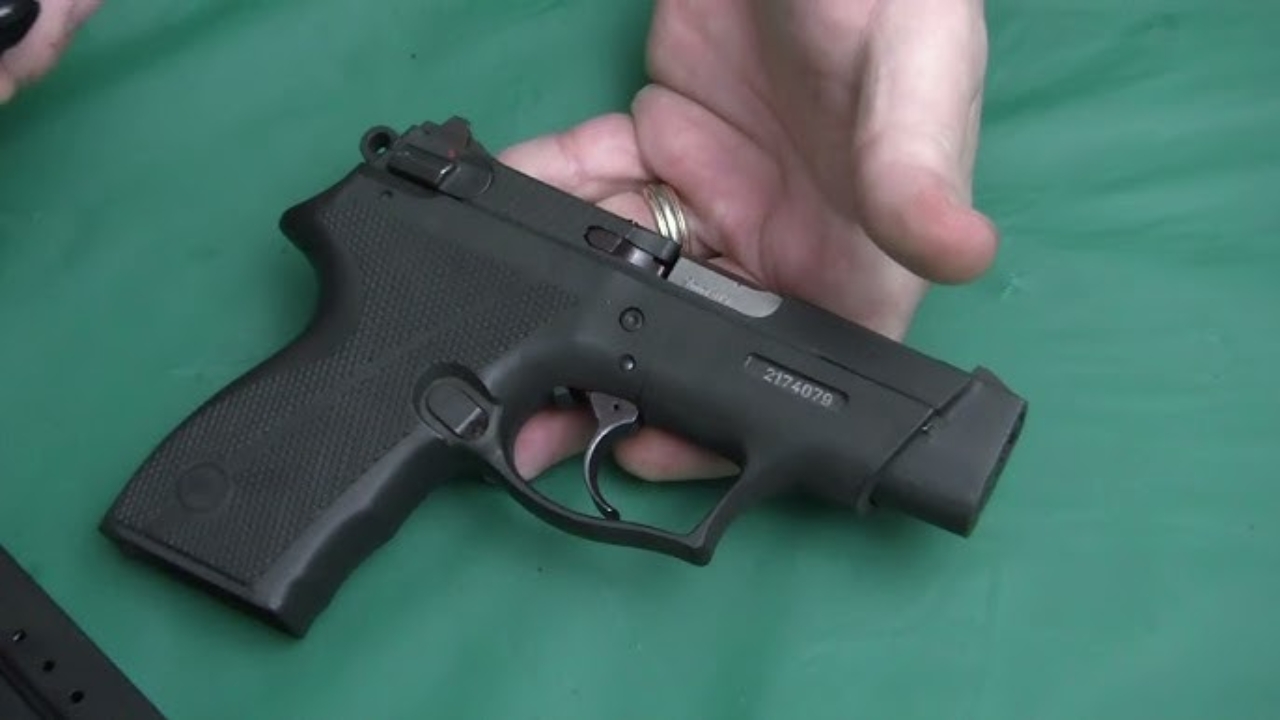
The Star Ultrastar is another handgun that did not need much hype because it had a clear role and handled it well. It came from a maker that never got the kind of broad prestige some others did, which kept expectations lower than they should have been. But once people actually lived with the pistol, the practical value became pretty obvious.
It was simple, useful, and more competent than a lot of buyers expected. That is a very strong formula for long-term respect. The Ultrastar did not need to be fashionable to be worth owning. It just needed to keep doing its job, and that is usually enough for the right gun.
Mossberg 800A
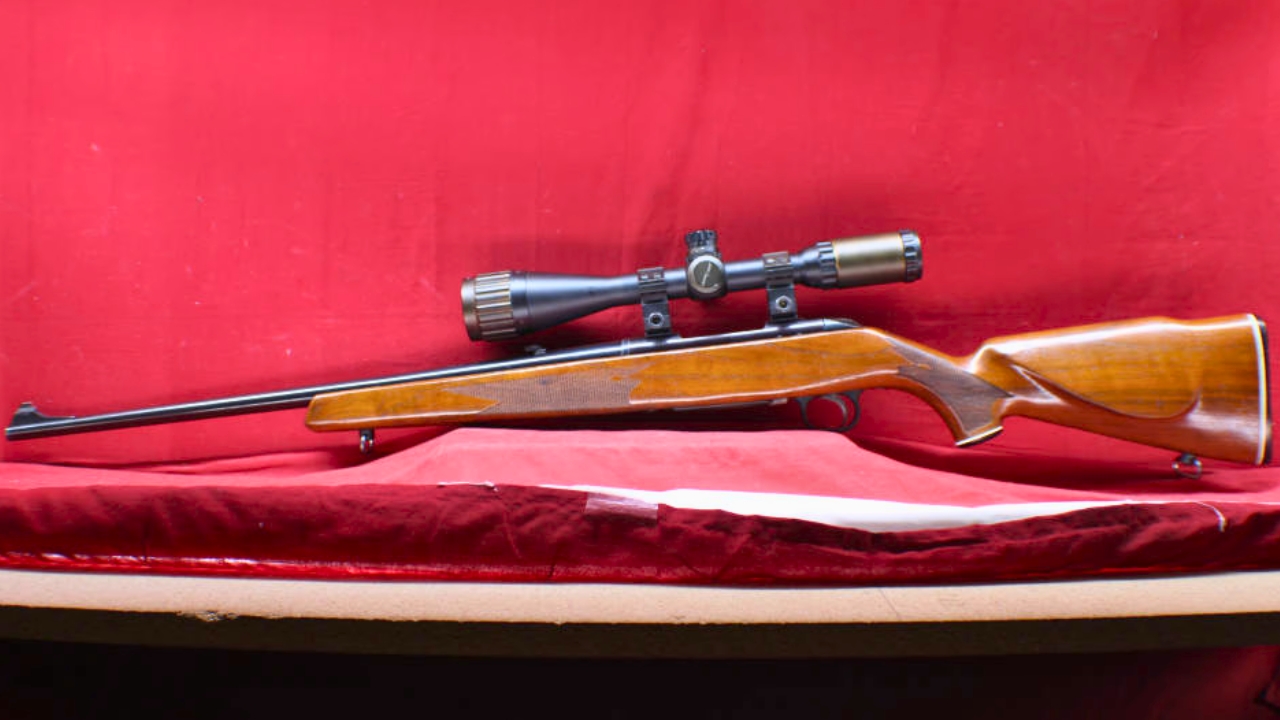
The Mossberg 800A never needed much hype because it was aimed squarely at hunters who wanted a rifle to work, not perform for them. It was plain, practical, and easy to underestimate if you were the kind of buyer who equates polish with quality. But that is exactly where a lot of useful rifles live for years before people start appreciating them correctly.
The 800A made sense because it stayed in its lane. It was there to fill tags, hold zero, and ride around without turning into some precious object. Hunters who understand that kind of rifle usually do not need a loud sales pitch. They only need enough time with one to trust it.
Colt New Frontier
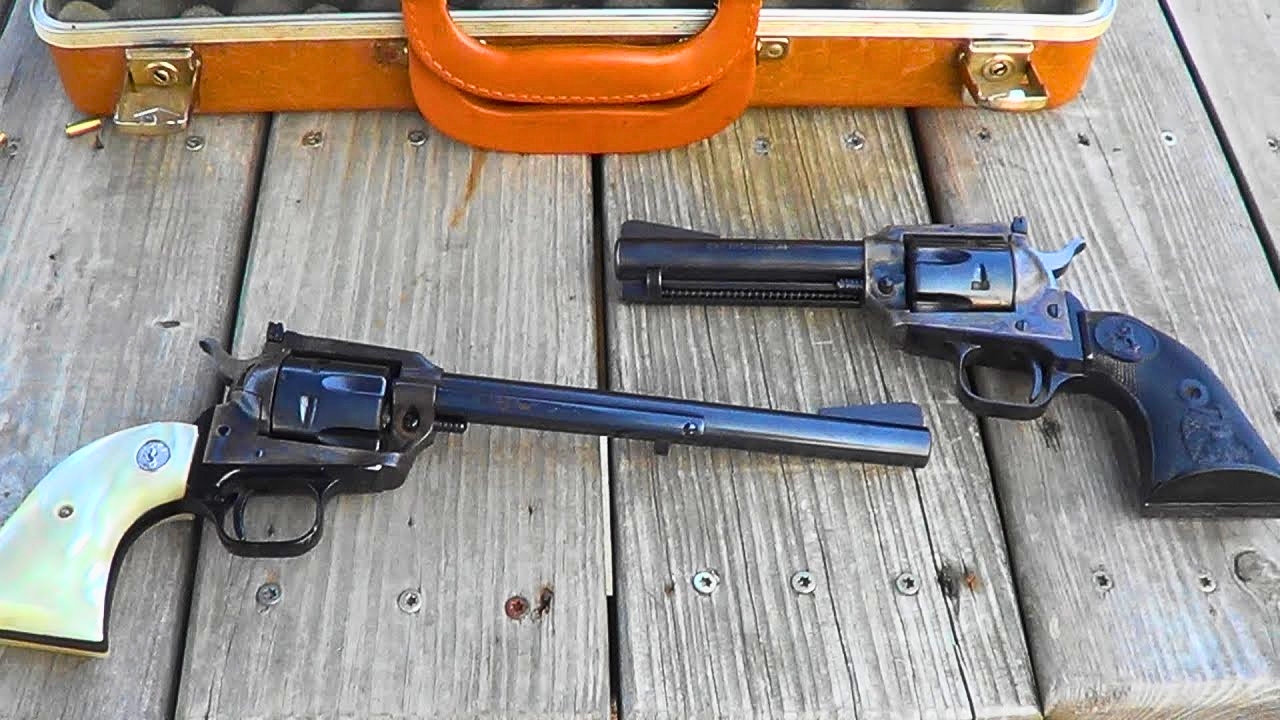
The Colt New Frontier never needed hype because it already had presence. It did not have to pretend to be modern or tactical or especially versatile. It simply existed as a very well-made single-action revolver with enough finish and feel to make its own case. The people drawn to it usually knew why before they even touched it.
And once they did touch it, the story usually got stronger. It is one of those revolvers that reminds people that quality and enjoyment still matter, even when the market wants everything to justify itself as a hard-use tool. The New Frontier did not need to be loud. It already had enough confidence.
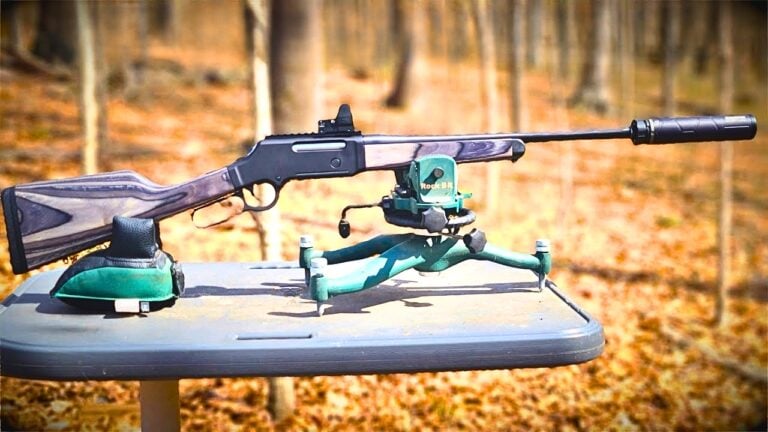
H&R Ultra Slug Hunter

The H&R Ultra Slug Hunter never needed much hype because slug hunters figured it out on their own. It looked blunt, function-first, and almost too plain to become beloved, but that never stopped it from being one of the most practical dedicated slug guns a hunter could carry. It was accurate enough to matter and sturdy enough to trust, which is the whole point.
That is why its reputation lasted. It did not have to win a beauty contest or sound advanced. It simply had to perform in the exact role it was built for. Once a firearm does that consistently, word of mouth does the work hype usually tries to do.
Zastava M70 Sporting Rifle

The Zastava M70 sporting rifles never needed much hype because buyers who understood controlled-round-feed bolt guns could tell pretty quickly what they were looking at. These rifles had real field logic, real action appeal, and enough substance to satisfy hunters who cared more about function and feel than branding noise. That kind of rifle usually sells itself quietly.
And that is exactly what happened. The M70 earned respect by being useful, not trendy. It offered the kind of honest, no-frills hunting-rifle experience that tends to stay satisfying longer than more polished but less grounded alternatives. That is the sort of firearm that never needed much help from hype in the first place.
Like The Avid Outdoorsman’s content? Subscribe to our newsletter so you never miss an article.
Here’s more from us: