Photo credit: Legacy Arms Intl/YouTube
Some guns earn a reputation that sounds a lot better at the counter than it feels on the range. They look right in photos, carry weight in conversation, and give owners something to talk about with other gun people. That is usually enough to keep them moving out the door. The problem starts once the bragging part wears off and the actual shooting begins. A gun can have status, history, cool factor, or collector appeal and still leave its owner making excuses every time range day comes around.
That is where this category lives. These are the guns people loved owning because of what they represented, not always because of how they behaved in the hand. Some kicked harder than expected. Some had lousy triggers, awkward ergonomics, or controls that felt good only to people defending the purchase. Others were simply more fun to talk about than to actually load, fire, and spend time with. Plenty of owners were proud to have them. A lot fewer were excited to shoot them twice in one afternoon.
Desert Eagle Mark XIX

The Desert Eagle is one of the easiest guns in the world to brag about owning. It is huge, recognizable, loud, and built around pure spectacle. At the counter, that feels like a win. On the range, the charm wears off fast for a lot of people. It is heavy in a way that stops being funny after a couple magazines, awkward for many hands, and expensive enough to feed that owners quickly start counting every trigger pull.
That does not mean it is a bad gun for what it is. It means what it is does not line up with how most people actually enjoy shooting. A Desert Eagle makes a strong first impression, and that first impression carries a lot of owners for a while. But once the novelty drops off, a lot of those same owners realize they would rather spend the afternoon behind something lighter, simpler, cheaper to run, and a whole lot less committed to theater.
AMT Automag II

The Automag II had the kind of name and styling that made people feel like they owned something futuristic and unusual. That alone gave it bragging rights with a certain kind of shooter. It looked like a conversation piece, and that mattered. The trouble was that once the talk stopped and the shooting started, many owners learned that flashy design does not automatically lead to a satisfying day at the range.
A lot of pistols like this survive on image longer than performance. The Automag II could be picky, quirky, and less enjoyable to live with than buyers hoped when they first brought one home. People liked showing it off because it looked different from the usual crowd. That part made sense. What did not always make sense was pretending it had become a favorite shooter when, in reality, it was often the gun that came out for a quick look and went right back in the case.
Colt Anaconda
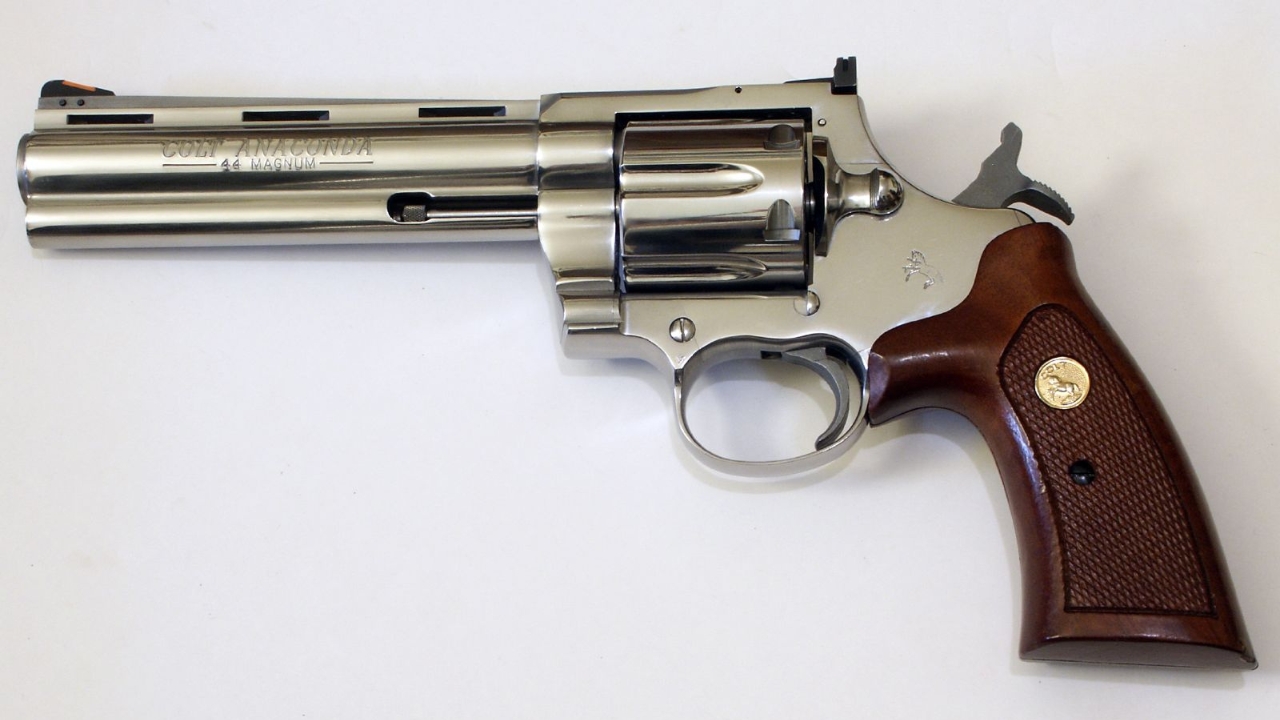
Owning a Colt Anaconda sounds better than admitting you do not love shooting it. It has the Colt name, the big-bore appeal, and enough presence to make any revolver fan stop and look. For a lot of buyers, that is enough to seal the deal. But once you spend real time behind one, especially with stout .44 Magnum loads, it becomes clear why so many owners talked about it more than they actually shot it.
Heavy magnum revolvers have a way of exposing the gap between admiration and enjoyment. The Anaconda can certainly be impressive, but impressive is not the same as relaxing, practical, or fun for extended sessions. Plenty of owners liked having one because it represented something big and serious in the safe. That did not always mean they looked forward to firing box after box through it. A lot of them were happier talking about that gun than pulling it out every weekend.
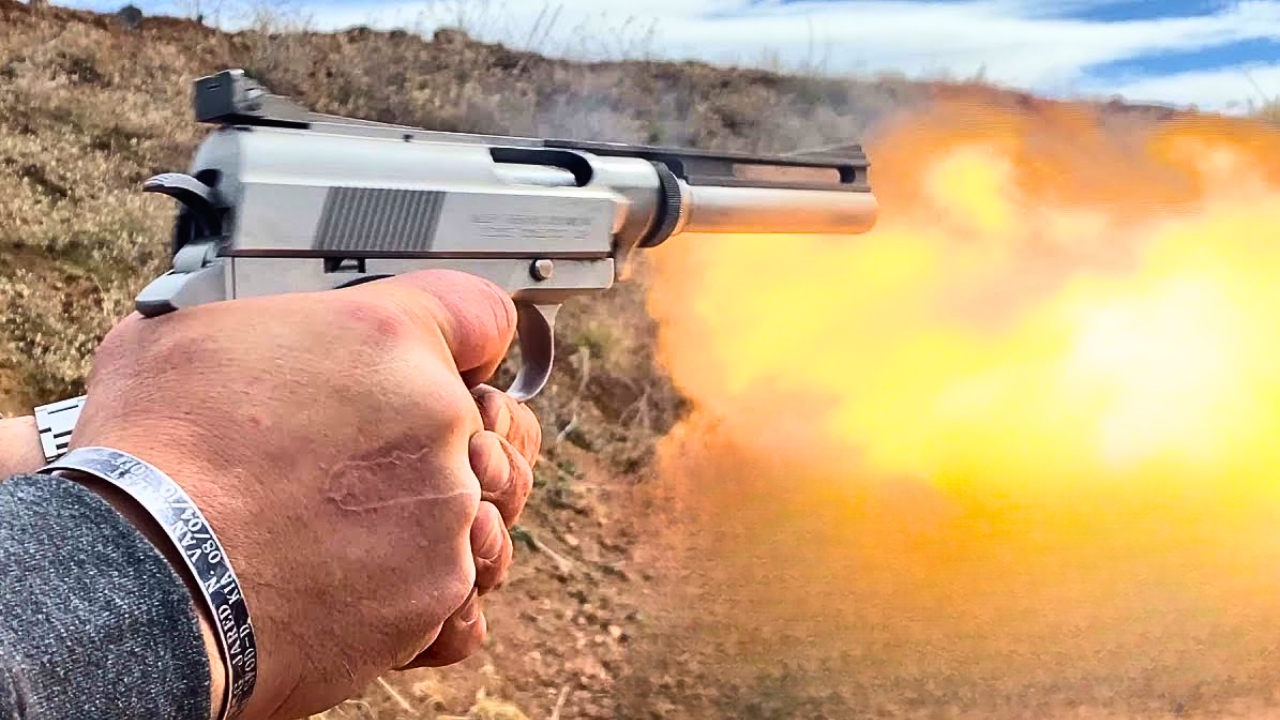
Wildey Survivor

The Wildey is one of those pistols that practically exists to be mentioned in conversation. It has a huge profile, a wild reputation, and enough oddball energy to make ownership feel like membership in a very specific club. That is great for bragging rights. It is less great once you try to make it part of a normal range routine and remember that big, specialized handguns are often more demanding than enjoyable.
This is the kind of gun people love to own because it feels like a statement. The problem with statement guns is that they often demand a lot back from the shooter. Size, recoil, cost, and general awkwardness all chip away at the experience. After a while, plenty of owners realize the Wildey gives them more satisfaction as an object than as a shooter. They are glad they have it. They are just not in much of a hurry to burn through ammo with it.
Mauser C96

The Mauser C96 has more charisma than most handguns will ever dream of having. It looks historic, unusual, and unmistakably important. That is enough to make ownership feel special before a round is ever chambered. Once people actually shoot one, though, the experience can feel more educational than enjoyable. The grip shape is odd, the balance is strange by modern standards, and the overall handling reminds you that famous does not always mean comfortable.
That does not hurt its appeal as a collectible or conversation piece. In fact, that appeal is exactly why so many people bragged about having one. The C96 gives owners history, status, and a very visible connection to another era. But a lot of those same owners quietly learned that admiring a gun and loving the way it shoots are two different things. Many were proud to own one. Far fewer reached for it first when they wanted a pleasant afternoon at the range.
Smith & Wesson Model 500

The Model 500 gives owners instant bragging rights because it is impossible to describe without sounding dramatic. It is enormous, powerful, and built around an idea most shooters will never truly need. That makes it fun to talk about. It makes for great reactions at the bench. It does not always make for a gun people genuinely enjoy shooting more than once or twice in a session.
Big recoil has a way of separating curiosity from commitment. The first few shots through a Model 500 can feel thrilling because you are experiencing something extreme. After that, a lot of people start asking themselves whether they are enjoying the gun or merely surviving it. Owners often kept one because it made the collection feel bigger and bolder. That is understandable. But many of them also knew, whether they admitted it or not, that the gun’s best role was usually making an impression rather than getting steady range use.
Luger P08

There are few handguns that carry more built-in bragging rights than a Luger. It has the kind of silhouette that makes non-gun people recognize it and gun people lean in closer. Ownership feels important because the pistol feels important. That is the good part. The harder truth is that shooting one does not always match the romance. The grip angle works for some people, but reliability, handling quirks, and simple collector anxiety can take the fun out of the experience.
A lot of owners never really wanted to be honest about that because the Luger sits so high in the imagination. It is a piece of history first and a casual shooter second. That is fine, but it leads plenty of people to oversell how much they enjoy actually firing it. They love owning the story, the shape, and the place it holds in gun culture. Actually taking it out and running it hard is a different matter, and not always one they looked forward to.
Auto Mag .44
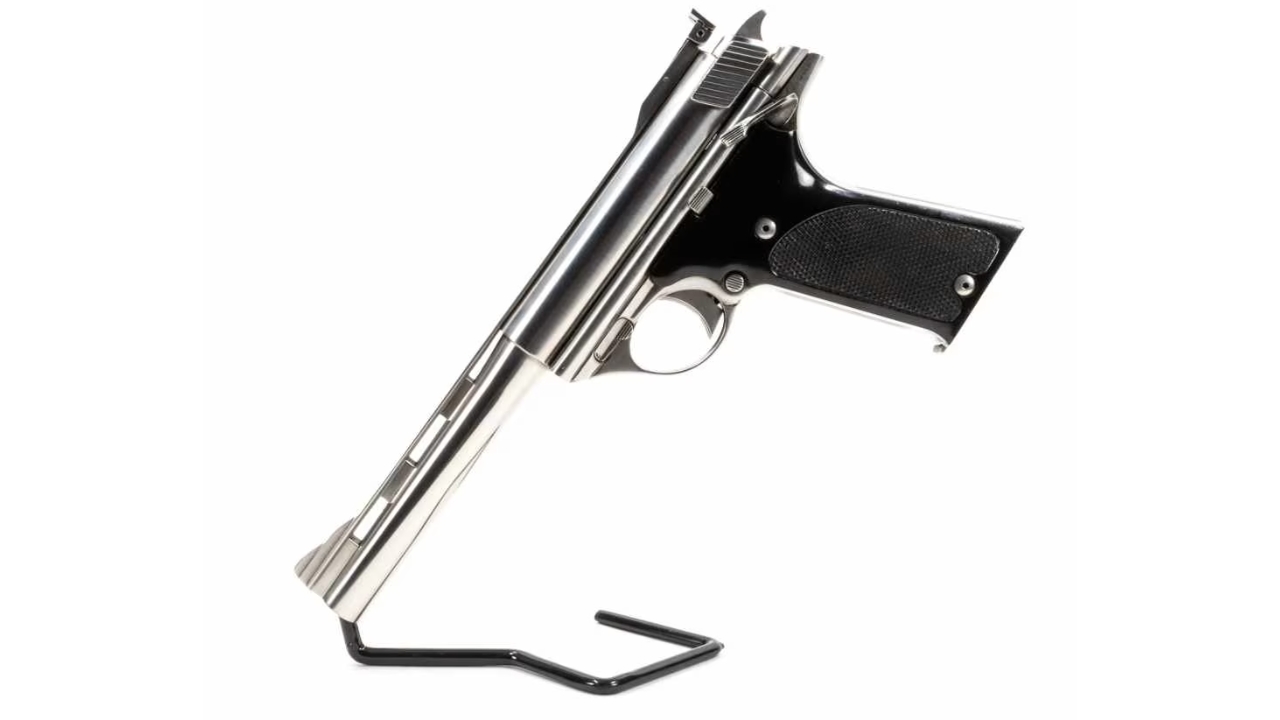
The Auto Mag .44 is the kind of pistol that sounds cooler every time you say the name out loud. That alone explains why so many owners loved being associated with it. It is rare, dramatic, and tied to a kind of big-handgun mystique that always pulls people in. Unfortunately, rare and dramatic do not guarantee an easy or satisfying shooting experience, and a lot of owners learned that pretty quickly.
These guns built reputations partly because they felt larger than life. Once you get past that, you still have to deal with the realities of running one. Practicality was never the point, but enjoyment still matters if you plan to shoot the thing. For a lot of people, the Auto Mag ended up being the classic example of a gun they were thrilled to own and equally relieved to put back in the safe after a brief outing.
NAA Mini Revolver

The NAA Mini Revolver gets bragged about in a different way. It is not about power or prestige. It is about novelty. Owners love showing how tiny it is, how cleverly it disappears, and how it represents pure pocket-gun absurdity. That makes it a fun item to own and show friends. It does not automatically make it something people genuinely enjoy shooting with any consistency.
Tiny handguns ask a lot from the shooter. Sights are minimal, grip is barely there, and the experience can feel more like proving a point than having fun. Most owners know that even if they do not say it out loud. They brag about the concept because the concept is amusing and memorable. At the range, though, many of them remember why the gun comes out for a few curious shots and then quickly gives way to something that feels like it was actually designed around human hands.
Colt Walker reproduction
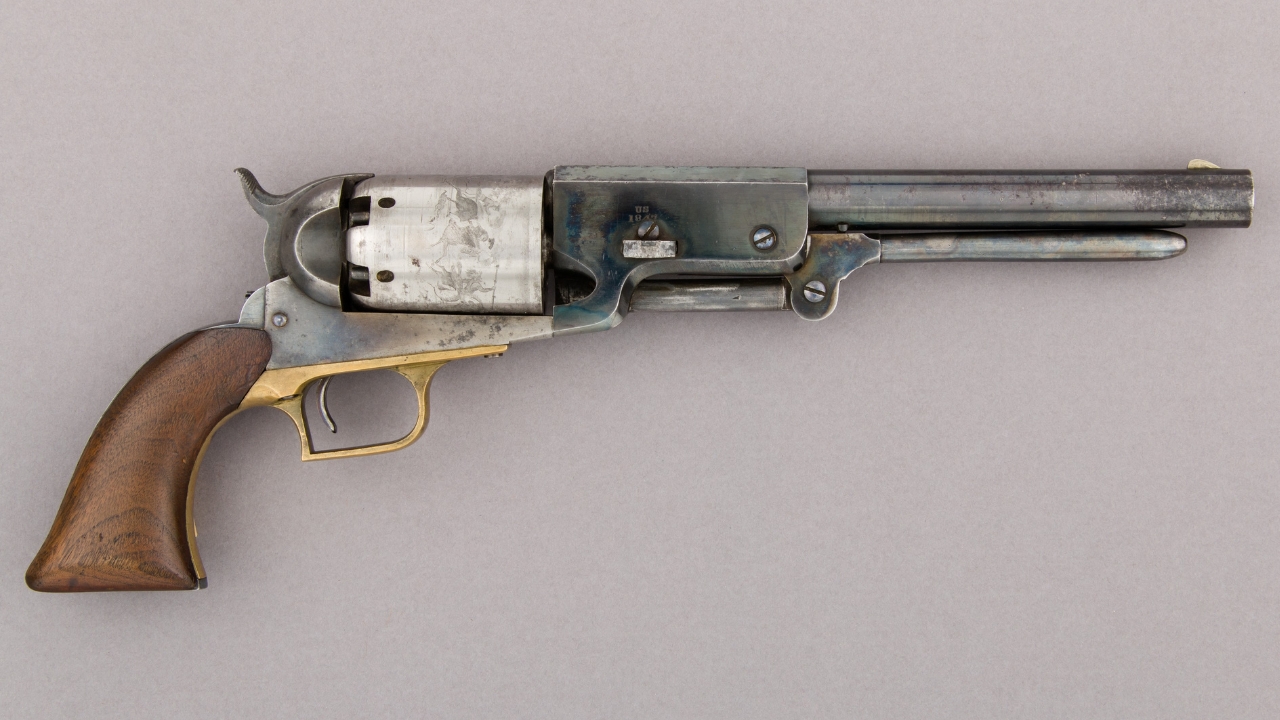
A Colt Walker reproduction has enormous bragging value because it feels like owning a chunk of oversized handgun history. It is massive, dramatic, and impossible to ignore. That makes it a great gun to mention and a great gun to lay on a table while everyone gathers around. Once the actual shooting starts, though, the size and black-powder reality have a way of cooling off the romance for people who imagined more fun and less fuss.
That does not mean it lacks appeal. It means the appeal is often tied more to presence than use. Loading, handling, and firing a gun like this is an experience, but it is not always the kind of experience people want to repeat for a full afternoon. Owners were often proud to say they had one because it sounded impressive and looked even more impressive. A lot of them were less eager to admit that the gun was more rewarding to admire than to shoot regularly.
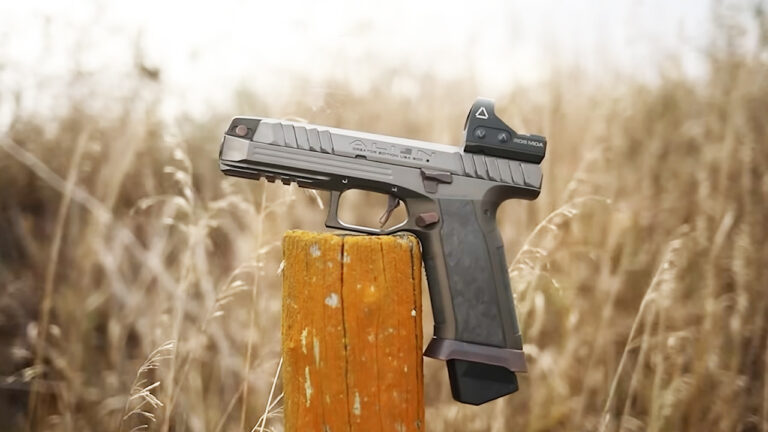
Grendel P30

The Grendel P30 earned bragging rights by being weird before weird was fashionable. High capacity in a tiny, unusual package gave it instant conversation value, and that conversation value lasted longer than the actual shooting enjoyment for many owners. It looked like the future to some buyers, or at least like a clever break from the ordinary. That kind of image can carry a gun a long way.
But range time has a way of bringing everything back down to earth. A pistol can be clever and still not be pleasant. A pistol can be different and still feel awkward, snappy, or harder to enjoy than expected. That was the trap with guns like the P30. Owners liked saying they had something unusual, and in fairness, they did. The issue was that unusual does not always become beloved once the magazine is loaded and the target is hanging.
Coonan .357 Magnum

The Coonan has one of those pitch-perfect bragging concepts: a 1911-style pistol chambered in .357 Magnum. That sounds like the kind of gun any serious handgun fan should want to own, at least until the practical side of the brain kicks in. A lot of owners were drawn in by the sheer cool factor, and it is hard to blame them. The idea sells itself in about ten seconds.
The actual experience, though, could leave people less enchanted than they expected. Guns built around ambitious concepts often ask the shooter to embrace some tradeoffs, and not everybody enjoys those tradeoffs once the novelty wears thin. The Coonan stayed interesting because it was different, not because it became an easy favorite for everybody who bought one. Plenty of owners were proud to own it. That did not always mean they were eager to spend all afternoon keeping it fed and running.
Bren Ten
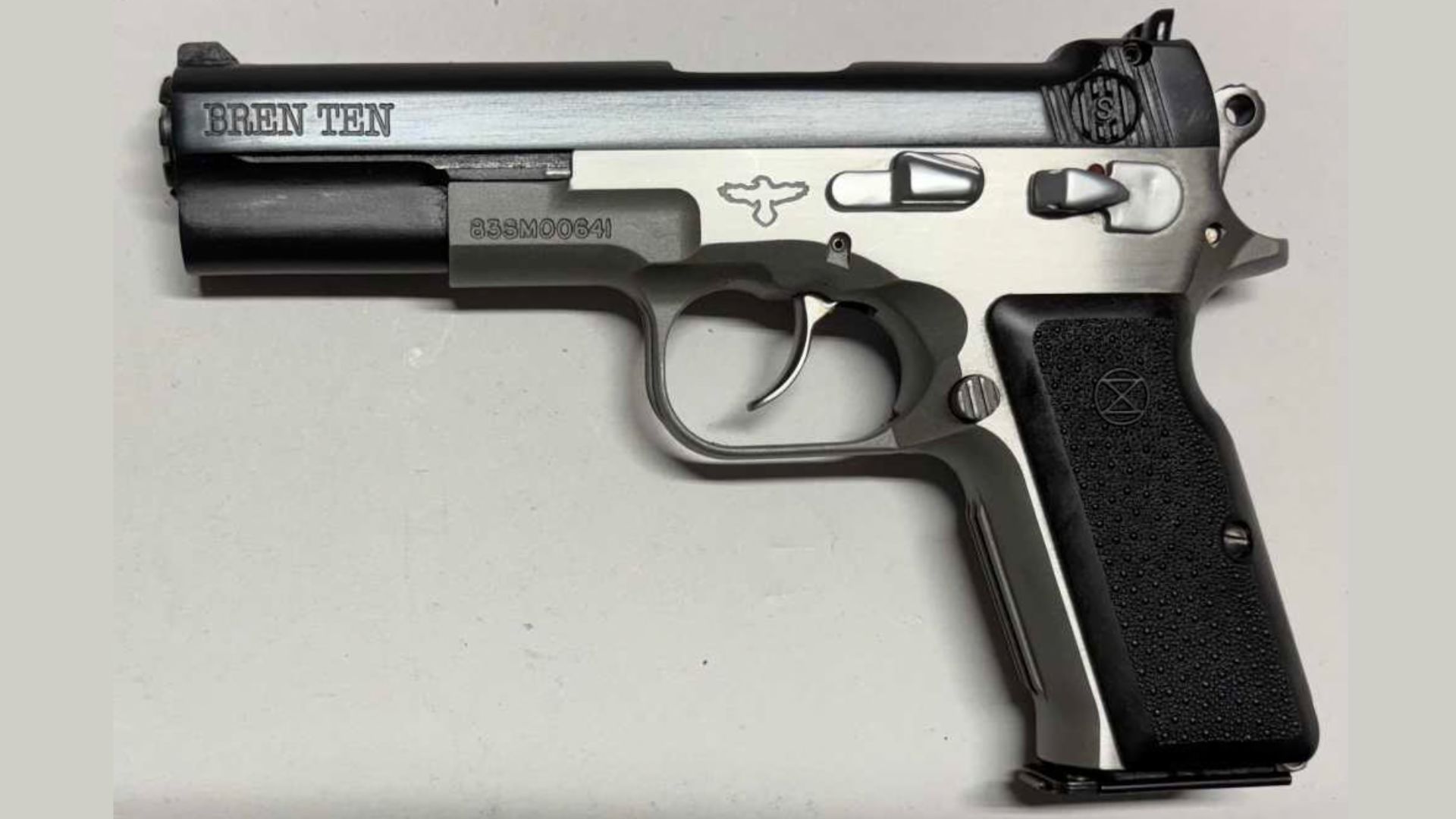
The Bren Ten carries enough legend that many owners felt like they were buying into a story as much as a handgun. That story had real pull. It sounded serious, looked serious, and gave people something to boast about in collector circles and among shooters who appreciate big-name cult pistols. The problem, as always, is that legend can outrun day-to-day satisfaction.
A gun like this often becomes easier to admire than to live with. Owners liked the rarity, the identity, and the feeling that they had something others could not easily touch. But once the pistol was actually in use, some of the shine came off. A lot of shooters found that the idea of the Bren Ten gave them more pleasure than the practical reality. It remained a brag-worthy pistol, which is exactly why so many people kept celebrating ownership even if range enthusiasm cooled.
Desert Eagle L5

The L5 version of the Desert Eagle promised a more carryable spin on a gun that was never really about practicality in the first place. That made it even easier to brag about because owners could pretend they had taken an already outrageous concept and made it more usable. It still carried the same recognition and the same over-the-top identity. The issue was that the shooting experience still asked owners to commit to a gun built around excess.
That tends to work better in theory than in repetition. Once the initial thrill fades, people usually start choosing range guns that do not demand so much attention, so much ammo money, and so much effort to enjoy. The L5 did not fix that basic issue. It simply wrapped it in a slightly different package. A lot of owners loved saying they had one because it sounded sharp and looked even better. Actually preferring it over simpler pistols was another story.
Mateba Unica 6

The Mateba Unica 6 might be one of the purest examples of a gun people love to own because it makes them feel like they own something brilliant. It is different, mechanical-looking, and unusual in ways that attract the kind of shooter who appreciates odd engineering. That gives it instant bragging value. You are not merely showing someone a revolver. You are showing them a revolver that looks like it came from a different timeline.
The trouble is that mechanical fascination does not always turn into deep shooting affection. Sometimes the appeal stays strongest at the level of design and conversation. Owners loved bringing up the Mateba because it made them sound like they had taste for the strange and the rare. But when it came time to decide what to spend real range time with, many found themselves drifting back toward guns that were less interesting on paper and a lot more satisfying in the hand.
Magnum Research BFR

The BFR practically announces itself as a gun built for bragging. The name alone does half the work. It is massive, unapologetic, and designed around the idea that more gun is better gun. That makes it a natural purchase for people who want something dramatic in the safe. It also makes it a natural candidate for the category of firearms people admire more than they actually enjoy shooting.
There is a point where size and recoil stop feeling empowering and start feeling like homework. That point arrives faster than many owners expected. The BFR can absolutely impress, and for some shooters that is enough. For many others, though, the gun became something they liked owning because it stood out, not because it delivered the kind of shooting experience they kept coming back for. It is a proud ownership piece. It is not always a beloved shooter.
Like The Avid Outdoorsman’s content? Subscribe to our newsletter so you never miss an article.
Here’s more from us: