Photo credit: Tex Mex/YouTube
Gun culture gets stuck on novelty faster than most people want to admit. A new cartridge shows up with slick marketing, flatter numbers, louder fans, and a promise that everything before it was somehow outdated. For a while, that story works. Then real shooters and hunters keep heading into the woods, back to the range, and out into the field with older calibers that still solve the same problems they always did. Time has a way of exposing what was fashion and what was actually useful.
That is why some older cartridges never really disappear. They may fall out of the spotlight for a while, and some people may talk about them like they belong to a different generation, but they keep hanging on because they still perform. They still kill game cleanly, still shoot well, still remain available, and still make practical sense when the sales talk dies down. These are the old calibers that took years of disrespect and kept proving they were not the problem.
.30-30 Winchester

The .30-30 has spent years being talked down by people who act like anything with a rainbow trajectory has no place in the modern hunting world. That usually comes from shooters who think every deer rifle needs long-range swagger attached to it. In the real world, the .30-30 kept doing what it has always done well. Inside sane hunting distances, it is easy to carry, easy to shoot, and more than capable of putting deer on the ground when the shooter does his part.
What makes the .30-30 so easy to underrate is that it does not need to impress anybody on paper. It works in handy rifles, recoils mildly enough for a wide range of hunters, and has stacked up a century of field credibility without needing endless reinvention. The hype moved on. The cartridge did not care. It kept filling tags while people with newer rounds kept trying to convince each other they had discovered something revolutionary.
.45-70 Government

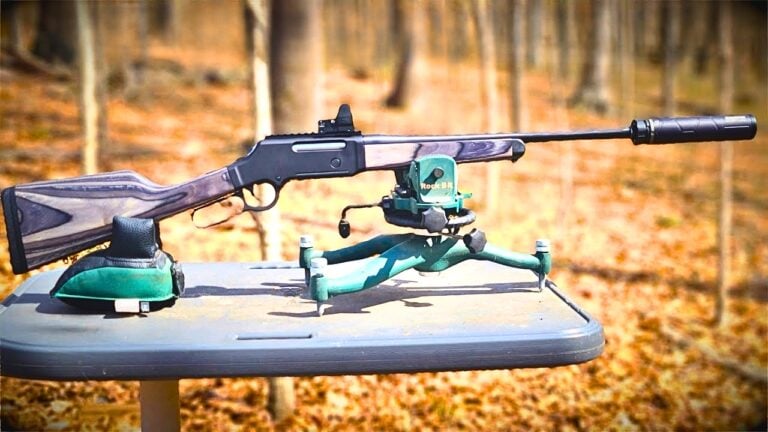
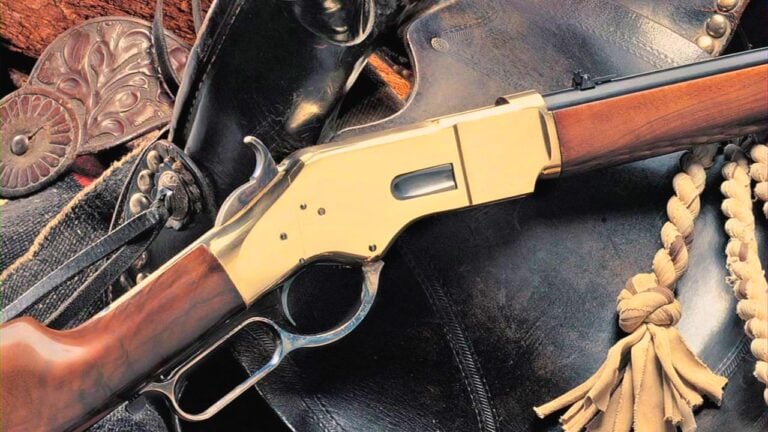
A lot of people spent years treating the .45-70 like a relic that survived only because nostalgia is powerful. Then hunters and hard-use shooters kept dragging it back into serious conversations. That tends to happen when a cartridge keeps delivering real authority on large game, from close timber hunts to heavy-duty brush work where impact matters more than trendy ballistics charts. It is not subtle, and it was never supposed to be.
The funny part is that the same qualities critics used against it are the ones that kept it alive. It throws heavy bullets, works well at practical ranges, and offers a level of confidence on tough animals that lightweight speed-driven cartridges do not always match. The .45-70 did not outlast the hype by pretending to be modern. It did it by remaining brutally effective in situations where simple, heavy, and proven still count for a lot.
.270 Winchester
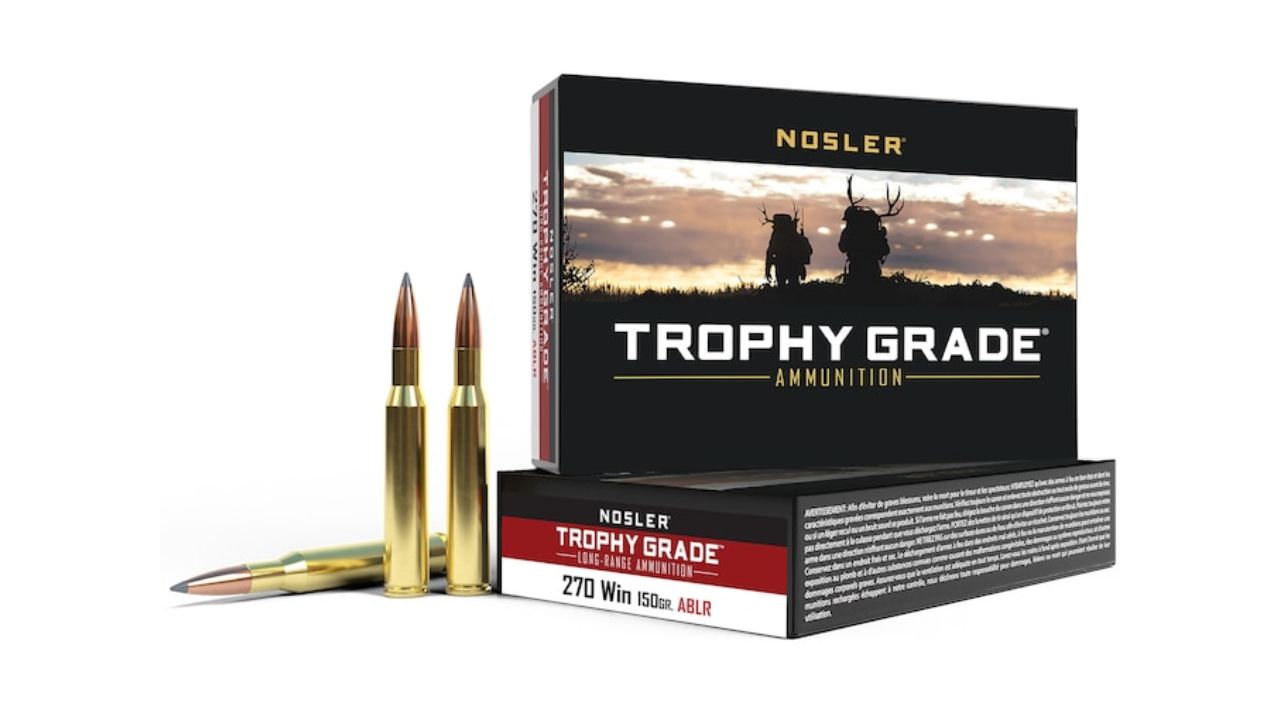
The .270 Winchester has had to live through wave after wave of shooters insisting that something newer had finally replaced it. Better BCs, heavier bullets, shorter actions, trendier names, same old speech. And yet the .270 kept staying relevant because it sits in one of the most useful hunting lanes ever carved out by a centerfire rifle cartridge. It shoots flat enough for real field work, hits hard enough for common North American game, and does it without punishing most shooters.
That balance is why the .270 never really lost. It may not be the darling of every internet argument, but it keeps showing up where results matter. Hunters still trust it because it handles deer, antelope, elk, and similar game with a clean mix of reach, recoil control, and practical accuracy. The cartridge did not need hype to survive. It already had decades of dead animals and satisfied hunters making its case for it.
.35 Remington

The .35 Remington gets treated like old campfire hardware by people who have never spent real time in thick woods where quick shots matter and overthinking does not help. It is not fast, not flashy, and not built for guys who want to talk about 600-yard capability every chance they get. That never stopped it from being a deeply effective deer and black bear cartridge in the kind of country where many hunts are decided fast and close.
Its staying power comes from the same thing that made it useful in the first place. A .35-caliber bullet at sensible woods ranges hits with real authority, and rifles chambered for it tend to carry well in cover. The .35 Remington kept proving people wrong because it was built for honest hunting rather than bragging rights. That kind of cartridge may lose the spotlight, but it rarely loses the respect of people who actually know why it exists.
7×57 Mauser

The 7×57 Mauser has spent a long time being overshadowed by cartridges that promised more speed, more modern case design, or more marketing appeal. That never erased what it actually is: one of the great all-around hunting rounds ever put together. It has mild recoil, strong sectional density, and a long track record on game that extends far beyond what modern critics often assume when they first hear its age.
People keep rediscovering the 7×57 because it behaves like a grown-up cartridge. It is efficient, easy to shoot well, and far more capable than the crowd that worships velocity alone tends to admit. Hunters who use it usually come away talking about how practical it feels rather than how exciting it sounds. That says a lot. The 7×57 outlasted the hype because it never needed noise to be effective. It simply kept working.
.257 Roberts

The .257 Roberts has spent decades being treated like a cartridge everybody respects in theory and too few people actually buy. That is usually what happens when a round does everything well without turning itself into a personality. It lacks the swagger of magnums and the recent buzz of newer quarter-bore options, but in the field it keeps making a strong case for itself. It is accurate, easy on the shoulder, and deadly on deer-sized game.
What keeps the Roberts alive is how pleasant it is to live with. You can shoot it well, carry it comfortably, and trust it on real hunts without feeling overgunned or undergunned. That is a harder balance to find than people admit. The .257 Roberts did not win by dominating headlines. It won by staying useful year after year while louder cartridges came and went and many hunters quietly realized the old round still made a lot of sense.
.250 Savage
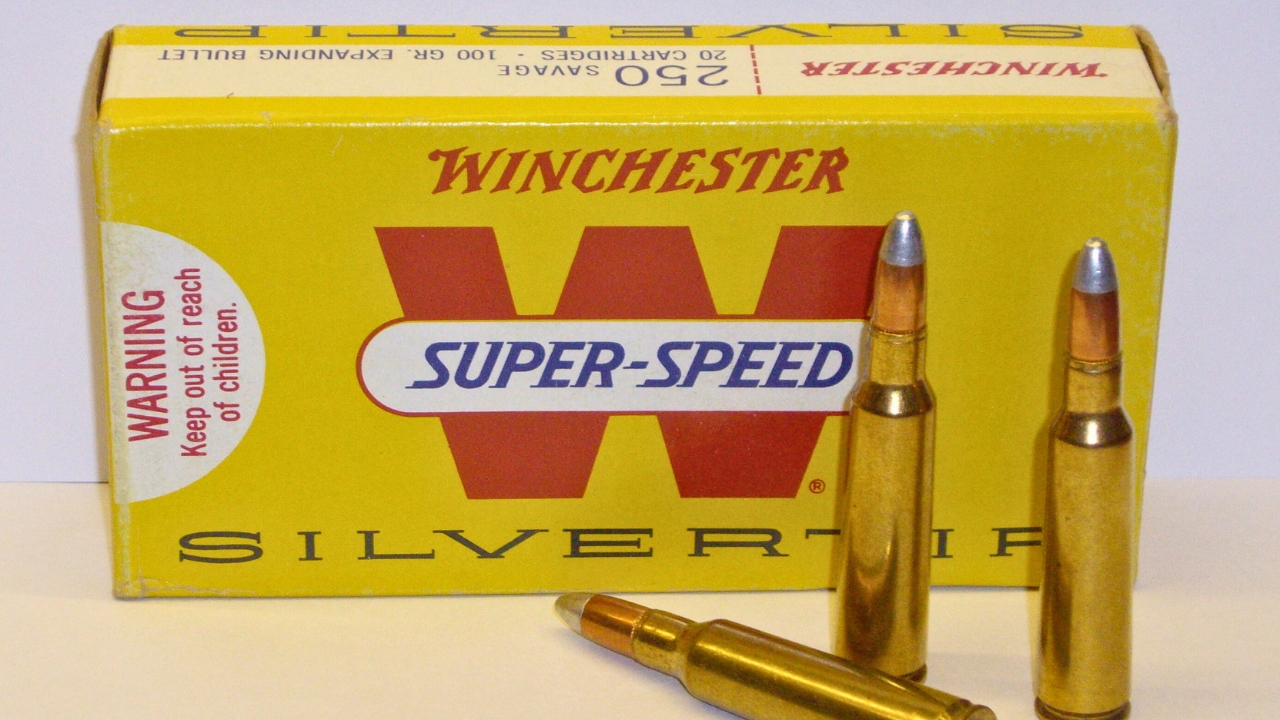
The .250 Savage always seems to catch disrespect from shooters who equate moderate recoil with limited usefulness. That misses the point completely. This cartridge has long been one of those rounds that rewards people who care more about putting bullets where they belong than about showing off raw numbers. On varmints, predators, and deer-sized game, it has been getting the job done for generations with a level of grace that many hotter cartridges cannot match.
Its reputation survived because it offers an honest kind of efficiency. The .250 Savage does not waste much, does not beat shooters up, and does not require excuses when used within its lane. That matters more than hype. Plenty of older rounds faded because they were truly outclassed. This one did not. It kept proving that mild recoil, good accuracy, and practical field performance still add up to a cartridge worth respecting.
.38 Special
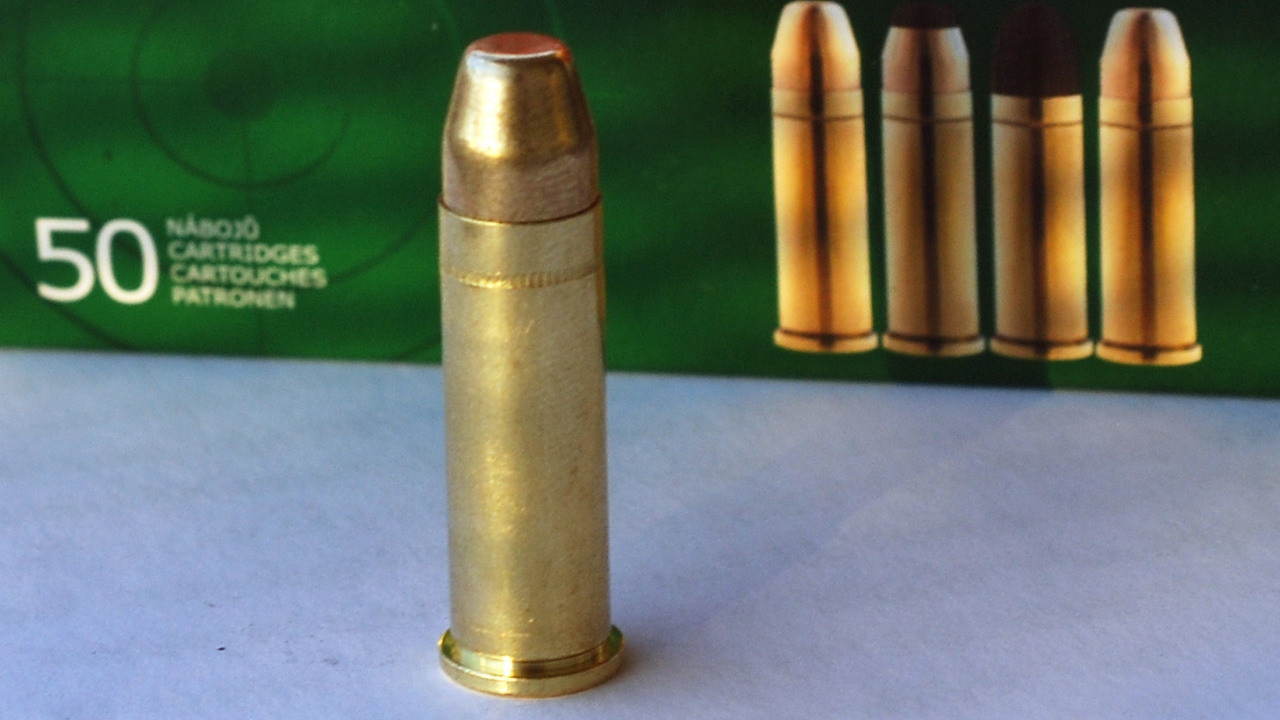
There was a long stretch where people talked about the .38 Special like it had been reduced to sentimental value and backup-gun nostalgia. That was always a shallow read. The .38 remained relevant because it stayed manageable, widely available, and effective enough in the kinds of revolvers real people actually carry and shoot well. It never needed to dominate internet arguments to remain one of the most practical handgun cartridges ever made.
Part of the .38’s staying power comes from how flexible it is. It works for training, home defense, trail carry, and plain old familiarity. It also continues to make sense for shooters who value controllability and consistency over noise and flash. The market kept trying to move past it, but the cartridge kept hanging around because it fits real handguns and real users better than many trendier rounds that looked more impressive for a few years.
.45 Colt

The .45 Colt has been doubted so many times that its survival almost feels personal. Critics have long liked to treat it as a cowboy holdover that exists mostly because people enjoy old revolvers and western aesthetics. That ignores the fact that the cartridge has real flexibility, real field use, and a kind of staying power that does not happen by accident. It kept showing up because it still had something to offer hunters, handloaders, and revolver shooters.
Loaded appropriately and used in strong guns, the .45 Colt can do far more than casual critics often expect. Even in more traditional form, it offers a big-bullet appeal that keeps drawing experienced shooters back to it. The cartridge survived because it never had to pretend to be something it was not. It has always been about large-diameter bullets, practical performance, and a style of shooting that still feels deeply satisfying when you know what you are doing.
8mm Mauser

The 8mm Mauser spent years getting talked about like surplus clutter, a cartridge people inherited rather than deliberately chose. That mindset missed a lot. Beneath all the cheap military-rifle baggage was a round with real authority, solid versatility, and a record on game and battlefield use that should have earned more respect than it often got. Instead, many shooters treated it like an aging leftover while chasing newer cartridges that did similar work with better marketing.
The reason it keeps coming back into the conversation is simple: it is still a useful round. With good loads and a sound rifle, the 8mm Mauser remains very capable on medium and larger game. It also carries a kind of old-world credibility that many modern cartridges cannot fake. The hype cycle moved on. The 8mm stayed behind and kept reminding people that being old and being ineffective are two very different things.
.300 Savage

The .300 Savage has spent much of its life being half-remembered rather than fully appreciated. A lot of shooters know the name, know it came before other .30-caliber favorites, and then move on without thinking much about why it mattered or why it still deserves respect. That is a mistake. The cartridge has always offered useful .30-caliber performance in handy rifles without dragging shooters into more recoil and rifle bulk than many actually need.
It also benefited from being practical instead of theatrical. The .300 Savage never built its identity around extremes. It simply gave hunters an efficient, capable option that handled common game very well. That kind of cartridge tends to age better than people expect. While louder rounds grabbed the attention, the .300 Savage kept showing why moderate performance with solid bullets and realistic expectations is often a smarter formula than chasing every new ballistic fad.
.32 H&R Magnum
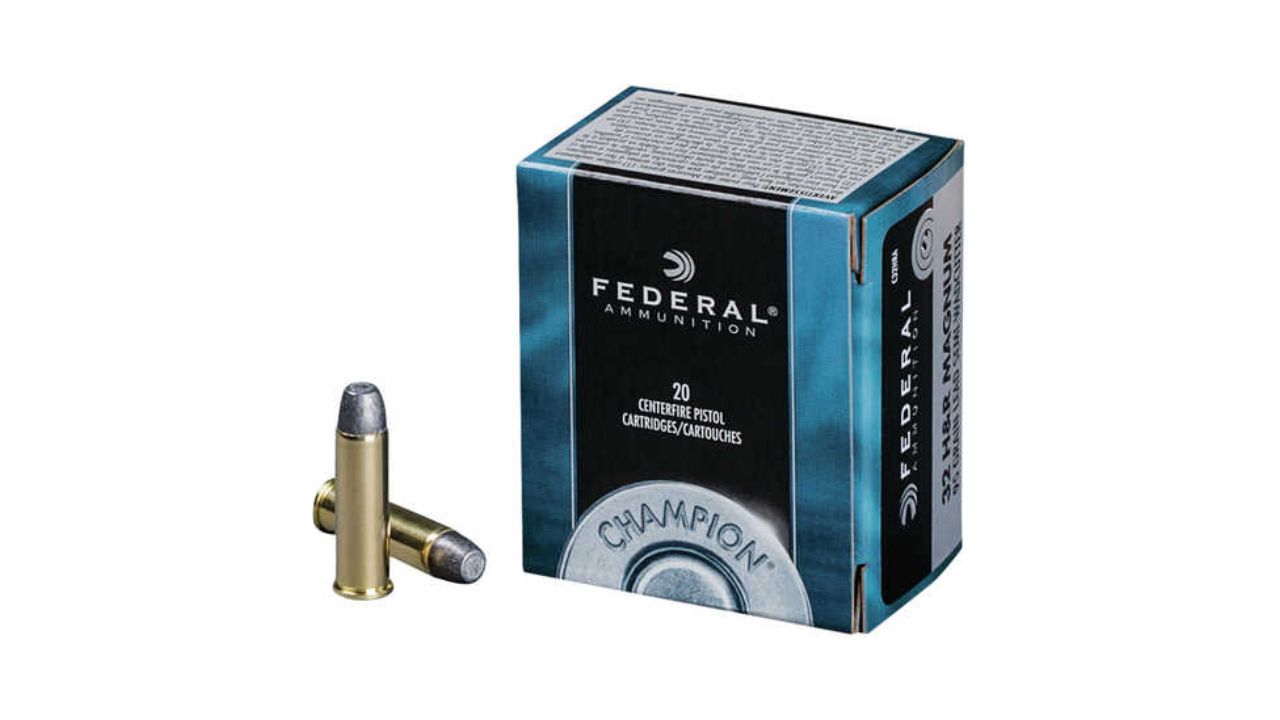
The .32 H&R Magnum spent years stuck in the uncomfortable space between genuine usefulness and public indifference. Too many shooters dismissed it as a halfway round that did not hit hard enough to get excited about and was too uncommon to bother with. That overlooked what it actually offered. In the right revolvers, it gave shooters low recoil, good shootability, and respectable performance in a package many people could control better than the usual small-frame options.
That matters more with time, not less. As more shooters started thinking seriously about recoil, training comfort, and real-world carry practicality, the .32 H&R Magnum started looking smarter than its critics had claimed. It never needed to dominate the market to prove itself. It only needed a steady group of users who understood that a cartridge you shoot accurately and consistently often beats one that looks better on paper but gets left at home or shot poorly.
.44 Special

The .44 Special has been overshadowed for so long by the .44 Magnum that plenty of shooters forgot it was ever more than a stepping stone. That is unfair to the cartridge and to the people who kept using it. The .44 Special offers a kind of big-bore revolver balance that many shooters eventually come back to after they get tired of blast and punishment. It hits with authority, shoots more comfortably, and feels far more practical than critics used to give it credit for.
Its appeal stayed alive because experienced revolver people tend to recognize what it does well. It is not trying to win a power contest with magnum rounds. It is trying to offer controllable, useful performance with a larger bullet and a smoother overall shooting experience. That formula never really stopped making sense. The .44 Special outlasted the hype because people who truly understood revolvers never stopped seeing value in it.
.280 Remington

The .280 Remington has spent years watching other cartridges get all the attention while quietly remaining one of the smartest hunting rounds in its class. That is usually what happens when a cartridge is excellent without being trendy. It never got the mainstream push of the .270 or the built-in mystique of the 7mm Remington Magnum, and because of that, a lot of shooters treated it like a second-choice round rather than the deeply capable option it really is.
In truth, the .280 offers one of the most useful combinations a hunter can ask for. It has good bullet selection, manageable recoil, and real versatility across a wide range of game. It rewards practical shooters who care about field use more than branding. The cartridge kept proving people wrong because it stayed effective long after the market stopped acting like it was exciting. That is often the sign of a round that deserved more respect all along.
.22 Hornet

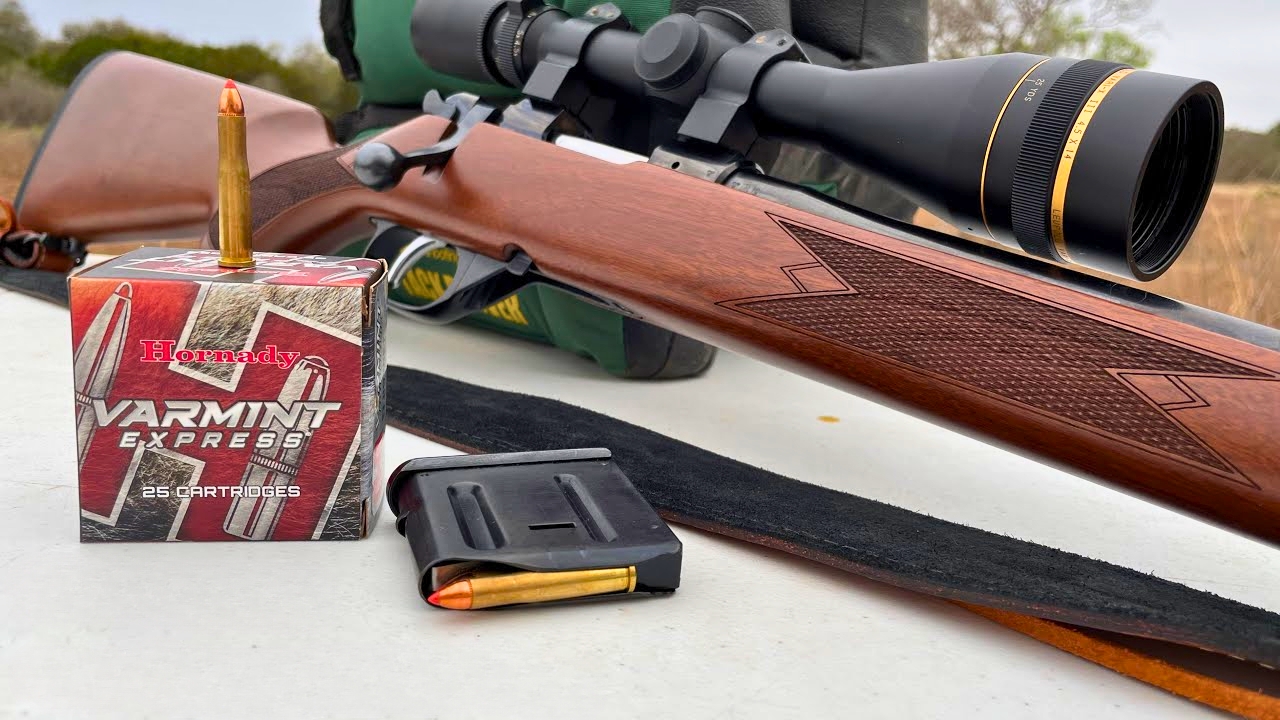
The .22 Hornet has been laughed off plenty of times by shooters who see it as too mild, too old, or too awkwardly placed between rimfires and hotter centerfires. That ignores how much real-world usefulness can live in a cartridge that does not try to be everything. For small game, varmints, pests, and certain close-to-moderate-range work, the Hornet has always had a quiet kind of appeal that becomes clearer the more you actually use rifles rather than simply compare charts.
It stayed alive because it fills a niche that still matters. Recoil is light, report is manageable compared with many centerfires, and performance is often exactly enough when the job is matched correctly. That does not make for flashy headlines, but it makes for a cartridge people hold onto. The .22 Hornet kept proving people wrong by staying relevant in practical hands long after trend-driven shooters had written it off as old news.
.30-06 Springfield

The .30-06 gets taken for granted so often that people sometimes talk about it like being common somehow makes it boring. Then every few years a wave of shooters starts insisting that newer cartridges have finally pushed it aside, and every few years the old round keeps refusing to leave. There is a reason for that. The .30-06 remains one of the broadest, most adaptable hunting cartridges ever standardized, and it still fits more real hunting situations than most people will ever need.
It handles a huge range of bullet weights, works on a wide range of North American game, and gives hunters room to tailor loads and rifle setups without backing them into one narrow role. That is why it endured. The .30-06 did not survive because people are sentimental. It survived because it continues to make practical sense for hunters who want one rifle cartridge that can cover a lot of ground without drama, excuses, or gimmicks.
Like The Avid Outdoorsman’s content? Subscribe to our newsletter so you never miss an article.
Here’s more from us: