
Some guns will run with almost any decent oil job and a quick wipe-down. Others act like lubrication is part of the operating system. Run them a little dry and you’ll feel the slide start dragging, the bolt slow down, or the gun quit returning to battery with the same confidence. Run them a little wet and you’ve created a grime magnet—powder residue, dust, and lint turn into paste and show up in all the worst places.
When a gun is picky about lube in a bad way, it’s usually because the design stacks tolerances, sliding contact, and fouling in the same neighborhood. Tight fit competition pistols, short-stroke 1911s, filthy rimfires, and a few classic service rifles all have their own “sweet spot.” You can keep them running, but they demand attention that other guns don’t. If you’ve ever had a firearm go from smooth to cranky halfway through a range day, you already know what this feels like.
Les Baer Premier II

A tight Premier II can feel like it’s on bearings when it’s running right. The catch is that tight steel-on-steel fit has less forgiveness when you let it dry out. If the rails and locking surfaces don’t have a light film, you can feel the gun start to slow down, especially once it’s warm and fouling starts building.
Over-lubing can bite you too. Extra oil migrates into places where it mixes with carbon and unburnt powder, and the gun starts feeling gritty instead of smooth. You’re not dealing with a fragile pistol, you’re dealing with a very fitted pistol. When it’s tuned close, lubrication stops being “nice to have” and starts being a required part of keeping the slide speed and return-to-battery feel consistent through a long session.
Kimber Ultra Carry II

Short 1911s ask more from the same basic system: shorter slide travel, different spring rates, less time for the whole feeding and locking cycle to happen. When lubrication is a little off, the problems show up sooner. A dry Ultra Carry II can start feeling sluggish, and that’s when you see more failures to return to battery or a gun that needs a tap to finish closing.
Too much oil is its own problem, especially on a carry gun. Oil grabs lint, pocket grit, and powder residue, and that sticky mix ends up in the rails and around the barrel hood. You can keep an Ultra Carry II running well, but it rewards controlled lubrication and regular wipe-downs. Treat it like a full-size range pistol maintenance-wise and it tends to get cranky.
Springfield Armory EMP

The EMP is built around 9mm dimensions, and that helps it feel compact and slick. It can also make the gun feel less tolerant when it’s dirty or under-lubed. If you run it too dry, you’ll often feel the slide stop having that easy “snap” back into battery, especially once the gun heats and fouling increases.
If you run it too wet, you invite the paste problem. Oil plus carbon plus lint turns into grime that slows the slide and makes the gun feel inconsistent. The EMP isn’t “bad,” it’s simply more sensitive to the balance between friction and fouling than many larger, looser pistols. When you keep lubrication light and placed on the right contact points, it tends to run. When you ignore it, it tends to complain faster than you want.
Colt Gold Cup Trophy

The Gold Cup Trophy has long been tied to target shooting, and many of them are built with a smoother, more fitted feel than a basic service-style 1911. That extra smoothness comes with a cost: the gun can feel noticeably different when it’s run dry. You’ll feel it in the rails and in how the slide returns—less glide, more drag.
Pouring oil into it isn’t the answer either. Heavy lubrication can migrate, collect fouling, and leave you with a gritty film that spreads everywhere the slide rides. On a range day with a lot of rounds, that sludge builds faster than you’d expect. A Gold Cup tends to reward a thin, deliberate film on rails and other contact surfaces, and it rewards regular wipe-downs during extended shooting. If you treat it like a pistol that never needs attention, it’ll remind you otherwise.
SIG Sauer P210 Target

The P210 has a reputation for precision and a refined feel, and the design naturally leans toward tight, consistent slide-to-frame contact. That tightness can make the gun feel more sensitive to running dry. When lubrication is lacking, the slide can feel like it’s dragging on the return, especially after the gun gets warm and fouling starts to build.
Going too heavy on oil can create its own slowdown. Excess lubricant doesn’t stay politely where you put it—it migrates and collects residue, and that residue changes how the gun feels and cycles. The P210 will often run well when you keep lubrication controlled and keep the gun reasonably clean. If you neglect it, it doesn’t always “power through” the way looser-duty pistols often do, and that’s the frustrating part for some owners.
CZ Shadow 2

The Shadow 2 is built to shoot fast and flat, and the slide-to-frame feel can be very smooth. It can also start feeling sluggish when the rails are dry, especially once you’ve put a lot of rounds through it in one sitting. When the gun starts to return to battery with less authority, friction plus fouling is often part of the story.
If you over-lube it, you set the trap for grime. Powder residue and oil turn into a black paste that spreads along the rails and into the action, and suddenly the gun feels like it lost its slickness. The Shadow 2 tends to reward a thin layer where it matters and a quick wipe when the gun starts looking dirty. Ignore that balance and it can become a pistol that makes you spend more time managing lube than enjoying the shooting.
Heckler & Koch P7M8

The P7M8 is a unique animal. Its gas system bleeds gas to slow the slide, and that means it builds carbon where other pistols don’t. If you let it get too dry in the wrong places, you can feel the gun’s movement start getting less consistent as fouling builds and friction increases.
Over-lubrication can create another headache: oil mixing with carbon in areas that already run hot and dirty. That mixture can make the gun feel sticky and can complicate cleaning, which is already a bigger part of owning a P7 than most pistols. The P7M8 can be very dependable, but it asks you to stay on top of both fouling and lubrication habits. If you want a pistol you can ignore for long stretches, this is not the one.
Ruger Mark IV

Rimfire pistols run filthy, and the Mark IV is a great example of how lubrication choices can help or hurt. Run it too dry and the bolt can start dragging as rimfire residue builds. You’ll notice sluggish cycling, occasional extraction issues, or a gun that starts feeling rough halfway through a high-round-count session.
Run it too wet and you get the sludge effect. Oil grabs the soot-like rimfire fouling and turns it into a sticky coating inside the receiver and around the bolt. That buildup can slow the action and make reliability fall off even when the ammo is decent. The Mark IV usually rewards light lubrication and frequent wipe-downs rather than heavy oiling. If you treat it like a centerfire pistol and soak it, you’re often creating your own problems.
Browning Buck Mark

The Buck Mark is accurate and fun, which means you tend to shoot a lot of rounds through it. That’s where lubrication sensitivity shows up. If it’s under-lubed, the action starts to feel slower as rimfire grime builds, and you can see more failures to cycle cleanly—especially as the pistol gets warm and dirty.
If it’s over-lubed, the pistol can turn into a rimfire sludge factory. Oil pulls fouling into the nooks around the slide and internal parts, and that paste grows quickly when you’re running bulk ammo. The Buck Mark tends to run best when you keep lubrication light and targeted and you don’t wait forever to clean the gritty residue out. When you ignore that balance, the gun can feel like it’s punishing you for doing what it’s made for: shooting a lot.
Smith & Wesson Model 41

The Model 41 is a serious target rimfire pistol, and it can be more sensitive to friction and fouling than many casual plinkers. When it’s too dry, you can feel the action start losing speed as residue builds. That’s when cycling becomes less consistent and the gun starts acting ammo-picky even if your ammo hasn’t changed.
Over-lubing creates the usual rimfire paste, and the 41 gives you less tolerance for that paste because it’s built for consistent function and consistent feel. When oil and soot thicken in the action, you can get sluggish return and uneven cycling that throws off your rhythm. The Model 41 will reward you with great shooting when you keep lubrication controlled and the action reasonably clean. Treat it like a “shoot forever without looking at it” rimfire and it tends to get fussy.
Heckler & Koch SP5

The SP5’s roller-delayed system is proven, but it still relies on consistent movement and consistent friction. When the gun is run overly dry, you can feel the action get harsher, and you may see cycling smoothness change as fouling builds. A roller-delayed gun often feels like it wants a thin, steady film on the right wear surfaces to keep that signature smooth impulse.
Dumping lubricant everywhere can backfire, especially if you’re shooting in dusty conditions or running the gun hard. Excess oil can pull grime into the receiver and onto bolt components, and that gritty coating can change how the gun feels and runs over time. The SP5 can be extremely reliable, but it rewards controlled lubrication and periodic wipe-downs. Ignore it and you can end up chasing “random” issues that are really friction and fouling stacking up.
Colt LE6920

The LE6920 is a solid AR, and the AR system in general tends to be less forgiving when it’s run dry during higher round counts. The bolt carrier group is moving fast under heat and carbon, and when lubrication is thin, you can see sluggish cycling, failures to return to battery, or short-stroking show up sooner than you want.
Over-lubing has its own downside: you’ve made a dirt collector. Oil migrates into the action, grabs grit, and mixes with carbon into a paste that can slow the carrier and gum up the works. The LE6920 will usually run very well when you keep a controlled film on the carrier rails and other key contact points. If you swing between “bone dry” and “soaking wet,” you’re creating the kind of gun that feels picky, even though the real issue is inconsistent lubrication habits.
Springfield Armory M1A Standard
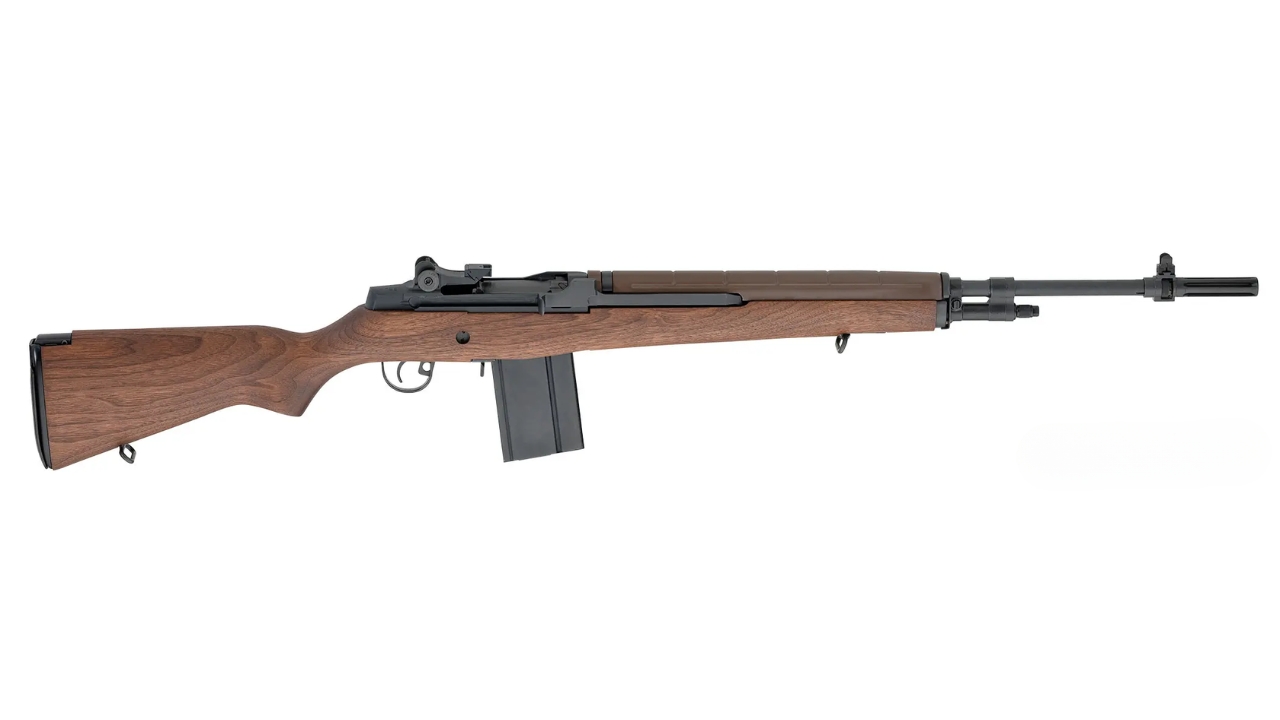
The M1A’s operating system has sliding parts that like the right lubricant in the right places. If you run it too dry, the action can start feeling rough and inconsistent, especially as heat and fouling build during a longer range day. You may notice cycling that feels less smooth and a rifle that starts acting less consistent than it did early on.
If you go heavy with oil, you can create a sticky mess that collects carbon and grit. That mess ends up where parts slide and where they need to move freely. The M1A tends to reward a controlled approach—enough lubricant on the right bearing surfaces, and a willingness to clean the rifle when it starts showing fouling. It’s a dependable platform, but it doesn’t love sloppy lubrication habits, and it’ll make you work harder when you get it wrong.
Harrington & Richardson M1 Garand

A Garand is famous for running hard, but it’s also a rifle with specific lubrication needs because of how its parts slide and bear against each other. When those surfaces are under-lubed, the rifle can feel rougher and less consistent in cycling, and wear shows up faster than you’d like. You notice the difference in how the action feels when you run the bolt and when you’re shooting strings.
Overdoing it can cause its own problems. Excess lubricant can migrate, attract grit, and mix with fouling into a greasy film that ends up in places you’d rather keep clean. The Garand rewards deliberate lubrication on its key wear points and a realistic cleaning schedule. Treat it like a modern rifle that tolerates any random oil job, and it can start feeling temperamental. Treat it with the habits it was designed around, and it runs like it should.
Remington 1100

The 1100 can be incredibly smooth, and that smoothness is part of why you notice lubrication problems so quickly. If it’s run too dry in the wrong spots, you can get sluggish cycling as fouling builds, especially when you’re shooting a lot of shells in one outing. The gun starts feeling “tired,” and reliability can change as residue stacks up.
If you over-lube it, you can create a fouling magnet in a shotgun that already deals with residue and debris. Excess oil grabs powder grime and turns it into a sticky coating that spreads through the action. That coating can slow things down and make the gun feel inconsistent. The 1100 tends to reward controlled lubrication and regular cleaning, especially if you shoot it hard. When you’re sloppy with lube—either direction—it’s one of those guns that lets you know.
Like The Avid Outdoorsman’s content? Be sure to follow us.
Here’s more from us:


