Photo credit: WHO_TEE_WHO/YouTube
When you’re packing out game, the last thing you want is to leave half of it in the field because your caliber obliterated the front quarter. You’ve likely been there—shoulder’s gone, offside ribs jelly, and you’re scraping backstrap out of a crater. Plenty of folks obsess over knockdown power and energy transfer, but rarely stop to ask what the meat looks like afterward. You don’t need a cannon to kill a whitetail. And if you’ve ever watched a .30 caliber hollow point come apart inside a 150-pound deer, you already know some cartridges do more harm than good when it comes to saving meat. Here are a few calibers that tend to leave more mess than meat—especially if your shot placement isn’t perfect.
.300 Win Mag
There’s no denying the .300 Win Mag puts animals down fast, but at typical deer ranges, it’s overkill. If you hit bone, expect shrapnel and ruined quarters. It’s not forgiving when you’re up close.
Plenty of folks use it as their “do-it-all” round, and sure, it’ll handle elk and moose. But for deer and hogs, the damage can be excessive. The sheer energy transfer at 100 to 150 yards often results in bloodshot meat and splintered bone. If you like packing out whole shoulders, the .300 Win Mag isn’t doing you any favors unless you’re extremely careful with shot placement.
.243 Winchester

It’s a flat shooter and easy on recoil, but that doesn’t mean it’s gentle on meat. The .243 can be a meat mangler if you’re using the wrong bullet, especially on smaller game like does or young bucks.
A lot of hunters hand it to kids because it’s light and manageable, but that light, fast bullet can do more damage than you’d think. Hit a rib or shoulder and you’ll see fragmented bone and a shockwave through the front quarter. It’ll kill clean with a well-placed shot, but with the wrong projectile or marginal hit, don’t be surprised if the butcher hands back less than you expected.
.270 Winchester
The .270 has been a deer camp staple for decades, but it’s another one that can leave you scraping ruined meat out of the cavity. At close range, with a soft-point or ballistic tip, it can tear things up in a hurry.
It’s a laser with factory loads, but that speed comes at a cost if the bullet doesn’t hold together. I’ve seen offside exits the size of softballs on whitetails, especially with high-shoulder hits. If you’re not using controlled-expansion rounds or hunting at longer distances, the .270’s velocity can turn a perfect shot into a meat-wasting mess.
6.5 Creedmoor
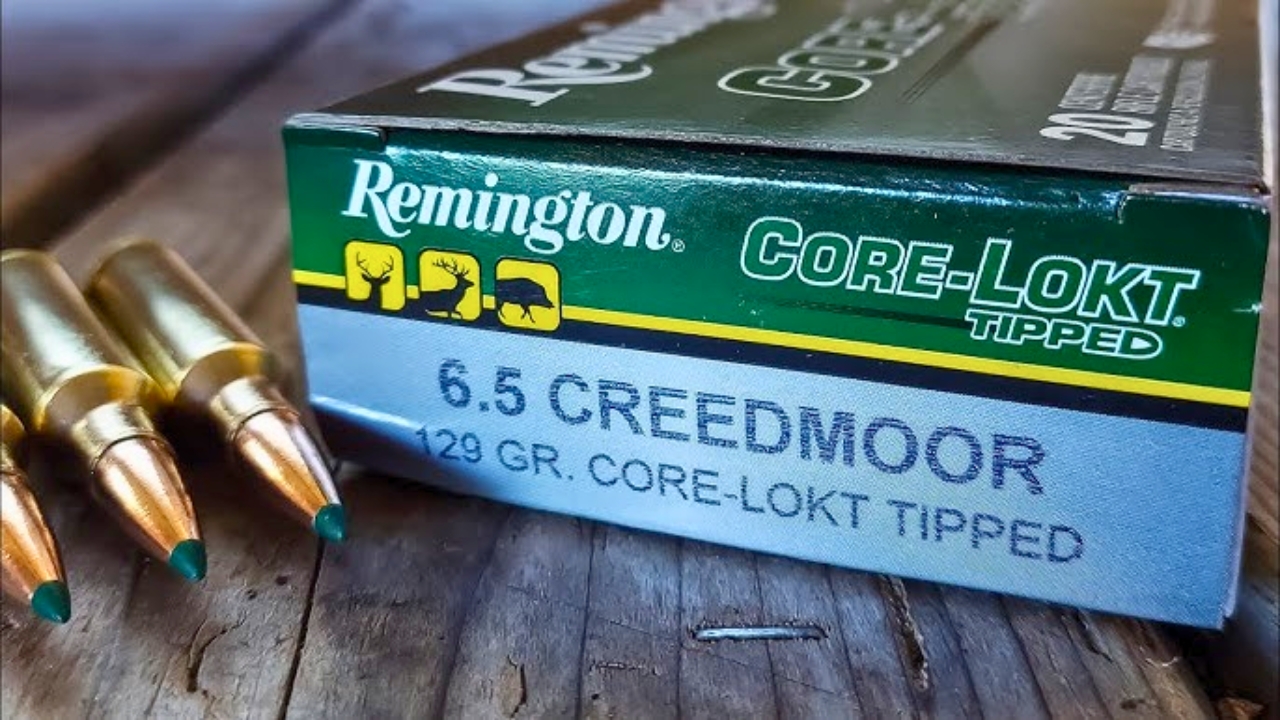
The Creedmoor crowd won’t like this, but it’s not the meat-saver some folks claim. Sure, it’s accurate, and yes, it’s manageable—but certain loads can cause plenty of destruction on medium game.
Lighter, fast-expanding bullets tend to blow apart on impact, especially inside 200 yards. You’ll see damage similar to what you’d expect from a .243. Controlled expansion rounds help, but a lot of factory loads cater to match shooters, not hunters. If you don’t pick your ammo carefully, the 6.5 can act like a wrecking ball on whitetails.
.338 Winchester Magnum
Unless you’re after something big and heavy, the .338 Win Mag is serious overkill. It’s not uncommon to see a quarter vanish if you hit anywhere near the shoulder or neck.
This round was made with elk, moose, and bear in mind—not 140-pound whitetails or pigs. That kind of power dumps all its energy in a hurry, often resulting in a red mist and a lost chunk of meat. It’ll get the job done fast, but if you’re looking to fill the freezer, it’s not doing you any favors. Save it for the big stuff.
7mm Rem Mag

The 7mm Rem Mag is fast and flat, but it’s not always meat-friendly. That velocity tends to wreak havoc on soft tissue and bone alike, especially when the bullet doesn’t stay intact.
It’s a popular choice in the West for mule deer and elk, but at close or mid-range, it hits hard—sometimes too hard. I’ve seen full shoulders ruined from a single high-velocity strike with a ballistic tip. If you’re not using bonded or monolithic bullets, expect bloodshot meat, fragmentation, and a mess to clean up. It’s a capable round—but it’s not gentle.
.223 Remington (with varmint bullets)
Used with the right load, the .223 can take deer cleanly. But use the wrong projectile and it’ll fragment on impact, turning meat into soup. Varmint rounds are designed to explode in soft tissue, and that’s exactly what they do.
Some folks try to stretch .223 into big-game territory without changing their bullet choice. That’s when the trouble starts. A lightweight varmint bullet might drop a deer, but it’ll also turn anything it touches into unusable mess. If you’re gonna run a .223 for deer, you need a proper bonded or mono bullet. Otherwise, be ready to lose meat—and maybe the whole animal.
Like The Avid Outdoorsman’s content? Be sure to follow us.
Here’s more from us:
The worst deer rifles money can buy
Sidearms That Belong in the Safe — Not Your Belt
*This article was developed with AI-powered tools and has been carefully reviewed by our editors.