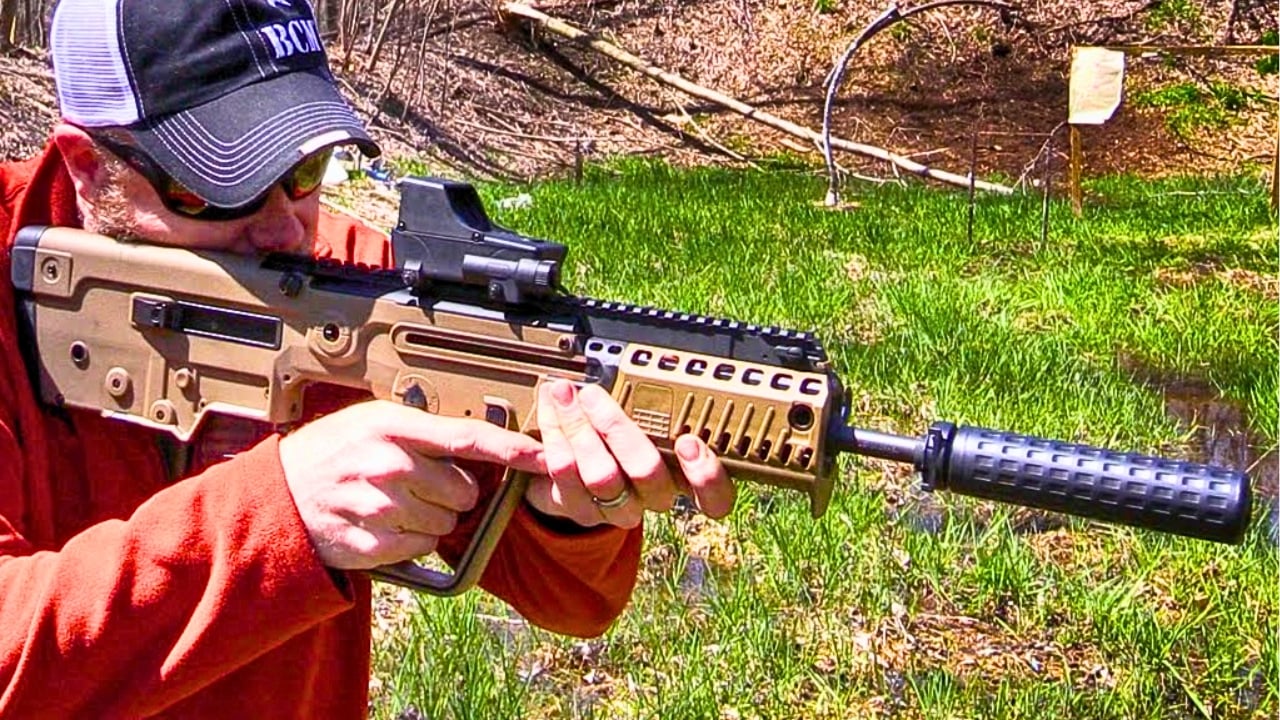
Photo credit: Military Arms Channel/YouTube
Suppressors make shooting more pleasant—until they don’t. Some guns that run perfectly unsuppressed start acting up the moment you screw one on. Maybe it’s cycling issues, accuracy shifts, or threads that just won’t stay tight. Whatever the reason, these 13 firearms are known for getting temperamental with a can attached. Doesn’t mean they’re bad guns—but you’ll want to know what you’re getting into before trying to quiet them down.
Smith & Wesson M&P15 Sport II
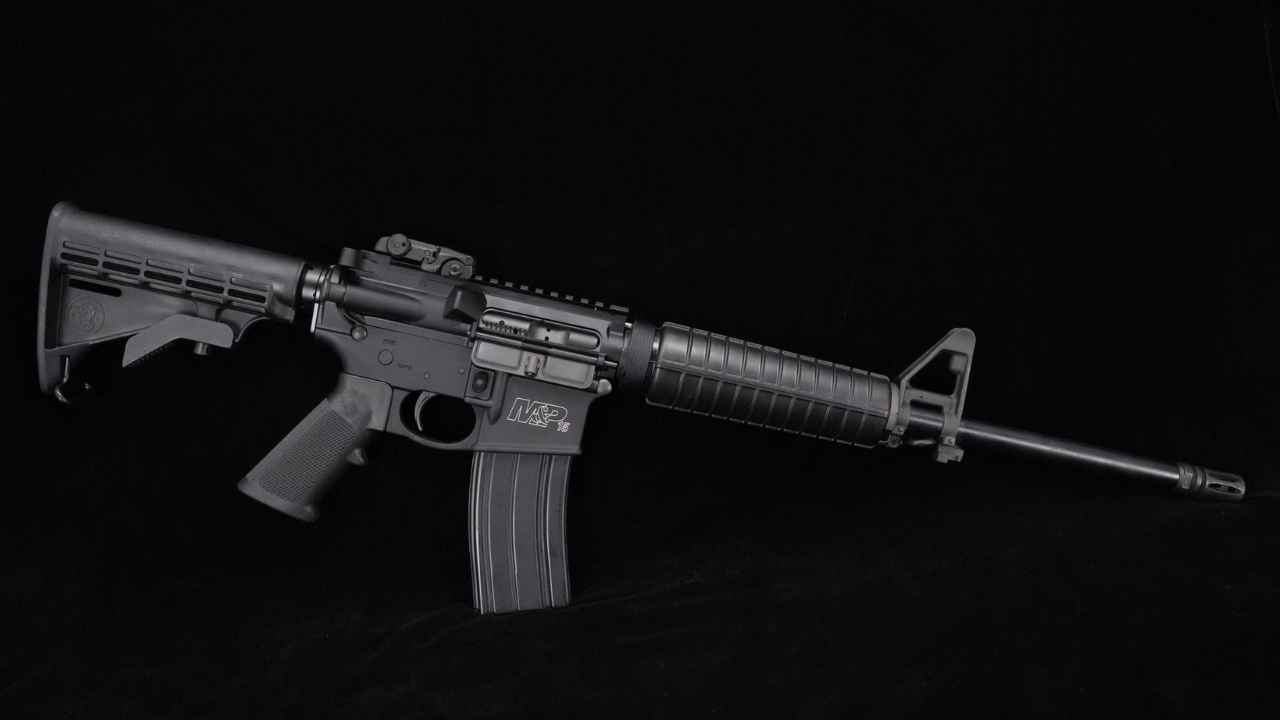
The Sport II runs reliably in its stock form, but slapping on a suppressor can lead to overgassing. Without an adjustable gas block, it starts ejecting brass into orbit and beating itself up fast.
You might also notice groups shift a bit depending on the suppressor weight. It’s still a great budget AR, but if you’re thinking suppressed, be ready to do a little tweaking to keep it smooth.
CZ Scorpion EVO 3 S1

The Scorpion shoots like a dream out of the box, but suppressed? It starts to stumble. Blowback increases, ejection gets weird, and the charging handle can slap around more than it should.
It’s a fun gun, but it really benefits from a heavier spring or aftermarket buffer when running suppressed. If you ignore that, the extra gas and noise might cancel out the point of using a can at all.
Ruger American Rifle (Predator)

Ruger’s budget bolt gun usually shoots lights out, but some users report accuracy shifts after threading on a suppressor. Groups can open up or shift dramatically depending on the weight and type of can.
The factory threads aren’t always concentric either, which doesn’t help. If you plan on suppressing this rifle long-term, it’s worth getting those threads inspected or professionally touched up.
FN SCAR 17S

The SCAR 17 is known for its violent recoil system—and adding a suppressor tends to make it worse. Suppressed, it becomes noticeably overgassed, which leads to harsher recoil and more wear over time.
There are fixes: adjustable gas plugs or aftermarket charging handles help. But right out of the box, it’s not a rifle that loves to run suppressed without some upgrades.
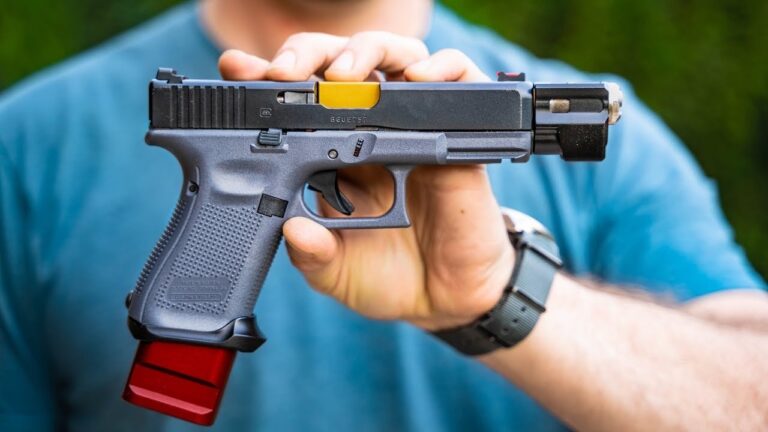
Glock 19 (Factory Barrel)

The Glock 19 suppresses better than some expect, but it’s not ideal with a factory barrel. The stock recoil spring isn’t tuned for suppressed use, and cycling can become inconsistent with some loads.
Aftermarket threaded barrels and adjustable-weight guide rods make a big difference. Without those, you may find your 19 stovepiping or failing to go into battery more than you’d like.
SIG MPX

The MPX is soft-shooting and smooth until you run it suppressed. The extra backpressure causes more fouling and some users experience reliability dips without regular cleaning.
It’s also picky about suppressor weight. Heavier cans can change POI enough to throw off your zero. A suppressed MPX can run well—but it takes effort to keep it that way.
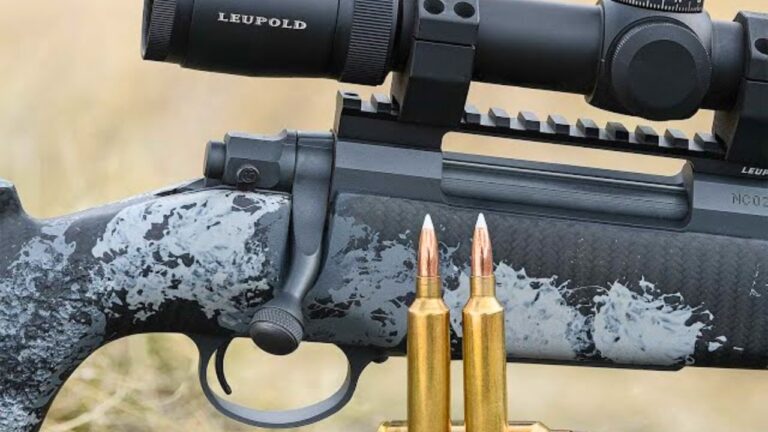
Remington 700 SPS Tactical
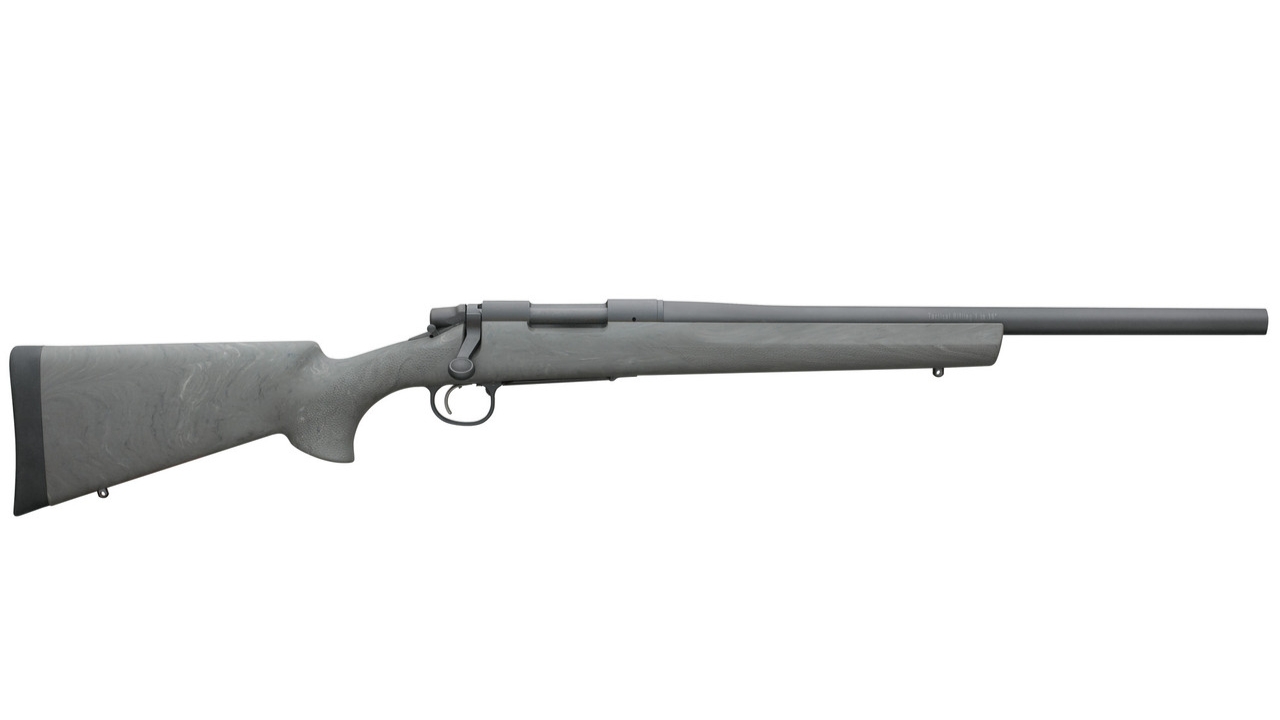
This bolt gun shoots tight groups all day—until a suppressor goes on. Several shooters report the threads being slightly off-center, which causes a noticeable accuracy drop.
Some barrels on the SPS Tactical line weren’t threaded to the highest standard. If you’re going to suppress one, you’ll want to double-check alignment or rethread it properly to keep it on point.
PSA KS-47

The KS-47 is already a unique beast, but throw a suppressor on and it gets even weirder. The hybrid AK/AR platform isn’t always tuned for suppressor backpressure, leading to inconsistent cycling.
It also tends to spit more gas in your face compared to standard ARs. A heavier buffer and adjustable gas system can help, but stock for stock, it’s not suppressor-friendly.
Beretta 92FS

It’s possible to suppress the 92FS, but you’ll notice cycling becomes finicky. The open-slide design and slide-mounted safety tend to interact poorly with certain suppressor weights.
It’s not impossible to tune, but it’s a hassle. Threaded barrels and booster-equipped cans help, but most folks who try suppressing the 92 end up going back to unsuppressed use.
Ruger Mini-14

The Mini-14 isn’t known for being suppressor-ready. Accuracy already varies between rifles, and throwing on a can can make things worse. POI shifts and group spread are both common.
Also, it doesn’t have an adjustable gas system. You’ll get more gas blowback and faster fouling than most rifles in this class. Not a great suppressor host unless you’re willing to tinker.
HK VP9

The VP9 is a great shooter, but suppressed it can get a little picky. Some versions struggle with certain ammo types, especially subsonic loads, unless you swap springs.
Add in occasional issues with non-factory threaded barrels, and the VP9 loses some of its no-fuss charm when suppressed. With tuning, it works—but don’t expect plug-and-play.
IWI Tavor X95

The X95 is already a bit gassy thanks to its bullpup layout. Add a suppressor, and you’ll really start to feel it—especially around your cheek weld.
It’s loud at the shooter’s ear and tends to blow gas right in your face. Adjustable gas systems can help, but without mods, it’s not the most pleasant suppressor host.
Kel-Tec Sub2000

The Sub2000 is fun to shoot, but it wasn’t designed with suppression in mind. Mounting a can throws off the already light front end, and many find the accuracy drops noticeably.
It also lacks a proper shoulder weld and adjustable gas—so blowback gets obnoxious fast. It’s a compact PCC that runs well unsuppressed, but you’ll probably want to leave the can off.
*This article was developed with AI-powered tools and has been carefully reviewed by our editors.