
Every shooter learns this lesson eventually: the gun usually gets blamed, but the magazine is often the real problem. A rifle or pistol can be built like a tank, but it still depends on a thin-walled box of stamped metal or polymer to feed, present, and time every single round. Change spring tension, feed-lip geometry, follower angle, or even how the mag seats, and you’ve changed how the whole gun runs.
The worst part is how “mag issues” masquerade as everything else—bad extractor, weak ejector, limp-wristing, ammo problems, even “break-in.” If you’re troubleshooting stoppages, magazines deserve suspicion early, not last. These are guns with reputations for being solid performers—yet they’re also the ones where magazines, magazine choices, or magazine maintenance often become the weak link.
1911 pistols (especially in .45 ACP and 9mm)

A 1911 can run like a sewing machine, but it’s also one of the clearest examples of a gun living and dying by magazines. Feed-lip shape, follower design, spring strength, and overall mag quality matter more than many shooters want to admit. When you get a 1911 that “won’t feed hollow points,” it’s often a magazine that’s presenting the round too low or releasing it at the wrong time.
The frustrating part is that you can swap two magazines and “fix” the gun instantly. That’s why serious 1911 owners tend to standardize on proven mags and replace springs before they get tired. In 9mm 1911s, the tolerance window can be even narrower, so magazine geometry becomes a bigger deal. A well-built 1911 isn’t fragile—it’s just honest about how important magazines are.
Glock 43X with Shield Arms S15 magazines

The Glock 43X is usually boringly reliable with factory mags, and the moment you chase extra capacity, the magazine becomes the story. The Shield Arms S15 system can work, but it’s also where you start seeing issues like inconsistent feeding, premature slide lock, or magazines that don’t drop free cleanly. The gun gets blamed, but the variable is the magazine system.
A lot of shooters also learn that you can’t treat aftermarket mags like OEM mags. Spring life, feed-lip wear, and compatibility with parts like the magazine catch start to matter. When a 43X acts weird, people often swap back to factory magazines and the problem disappears. That’s the definition of the magazine becoming the weak link: the pistol is fine, but the feeding system you chose is the part that needs constant attention.
Springfield Armory SA-35 (Hi-Power pattern)

Hi-Power pattern pistols can be excellent shooters, but they’re famously magazine-sensitive. Feed geometry is tight, and the mag has a big job presenting rounds at the right angle. With weak springs or worn feed lips, you’ll see nose-dives, failures to feed, or a slide that closes on an odd angle that feels like a gun problem.
The SA-35 revived the platform for a lot of people, and it also reintroduced the old truth: not all Hi-Power magazines are created equal. Some aftermarket mags are fine, some are trouble. Springs and followers matter. If you run good magazines, the gun tends to behave. If you mix random surplus mags or bargain mags, you can turn a reliable pistol into a stoppage generator. With Hi-Power types, magazine quality isn’t optional—it’s the system.
SIG Sauer P365

The P365’s whole selling point is stuffing serious capacity into a small grip, and that means the magazine is working hard. When mags are new, fully loaded, or dirty, you can see issues like difficulty seating on a closed slide, sluggish first-round feeding, or inconsistent slide lock. The pistol takes the blame, but the magazine is usually where the behavior starts.
Micro-compact magazines are short, tightly sprung, and sensitive to grime. Cheap ammo residue, pocket lint, and dust can slow a follower enough to create a “mystery” malfunction. Springs also take a set over time, and a weak mag spring in a small pistol shows up fast. The P365 can be extremely reliable, but it’s a gun where magazine maintenance and consistency matter more than they do on larger duty pistols with larger, more forgiving mags.
Ruger SR9 / SR9c

The SR9 series can run well, but it has a long history of being picky with magazines—especially when you’re mixing factory mags, older mags, and aftermarket options. Feed-lip geometry and spring tension matter, and weak springs tend to show up as nose-dives or failures to feed that feel like the pistol is suddenly “finicky.”
The SR9’s magazines are also easy to neglect. Dirt and grit inside the tube can slow the follower, and once that happens you’ll chase problems that seem random. If you’re troubleshooting an SR9, swapping magazines is often the quickest way to see what’s real. A good SR9 magazine can make the pistol feel dependable. A tired or questionable magazine can make it feel like a totally different gun.
AR-15s with out-of-spec mags (especially bargain aluminum mags)

An AR-15 can be incredibly reliable, and it can also be turned into a jam machine by bad magazines. Feed lip geometry, spring strength, follower design, and even the mag body’s dimensions all matter. A marginal mag can cause failures to feed, bolt-over-base malfunctions, or inconsistent bolt lockback that looks like a gas or buffer issue.
The hard part is that the AR will often run “fine” until you shoot fast, load mags full, or use ammo that changes bolt speed slightly. Then the weak mag shows itself. Cheap mags can also spread feed lips over time or get dented in ways that alter feeding. That’s why experienced AR shooters treat magazines like consumables. The rifle is usually the dependable part. The magazine is often the part that quietly ruins your day.
AK-pattern rifles with cheap polymer mags

AKs are tolerant, but they still depend on magazines for feeding angle and lockup. Cheap polymer mags can vary wildly in fit. Some wobble, some sit too low, some drag on the bolt, and some don’t present rounds consistently. That turns into failures to feed or bolt-over-base issues that get blamed on the rifle.
The AK also uses the magazine as part of the lockup system, and poor fit changes how the mag sits under recoil. A magazine that shifts can change feed angle from shot to shot. Add weak springs and you’ve got a rifle that “suddenly got unreliable.” In reality, the rifle is doing what it always does. The magazine is the variable that’s letting the system down. With AKs, quality mags are a bigger deal than people want to admit.
Ruger 10/22

The 10/22 is famous for reliability, and it’s also famous for magazine-related headaches once you leave the factory rotary mag world. Ruger’s rotary mags are generally solid. Many aftermarket high-capacity mags are not. That’s where you get failures to feed, rim lock issues, and inconsistent presentation that makes the rifle feel “ammo sensitive.”
Rimfire ammo is already dirty and inconsistent compared to centerfire. A finicky magazine amplifies that. You’ll see the rifle run great for a few shots, then choke as the stack binds or the follower drags. That’s why experienced 10/22 shooters hoard good mags and treat questionable ones like range toys, not serious gear. The gun isn’t the weak link. The magazine choice you made often is.
Ruger Mini-14

Mini-14s can be dependable rifles, but magazines are where many owners get burned. Factory Ruger mags tend to run well. Many aftermarket mags do not. Feeding issues, inconsistent bolt hold-open behavior, and reliability problems that look like a rifle issue are often traced back to magazines that don’t lock up consistently or don’t present rounds correctly.
The Mini’s mag system is also less forgiving than an AR in some ways because fit and lockup feel different. A slightly out-of-spec mag can seat, but not seat perfectly, and that’s when you see weird malfunctions that come and go. Mini owners who get serious often standardize on factory mags and stop experimenting. The rifle itself usually isn’t the problem. The magazine market around it is.
CZ Scorpion EVO 3

The Scorpion is a fun, capable PCC, and it also has a magazine ecosystem that can be hit or miss depending on what you buy. Feed lip wear, weak springs, and out-of-spec mags can cause feeding issues that feel like the gun is picky or “needs break-in.” The Scorpion’s blowback cycle is simple, but it still needs consistent presentation.
Some aftermarket magazines run great, others create stoppages that appear only when you shoot fast or load mags to full. Dirt and grit also matter. PCC mags live low, get dropped, and collect debris. Once that happens, follower drag becomes a real issue. If your Scorpion runs on one set of mags and chokes on another, you’ve learned the lesson: the gun isn’t changing. The magazines are.
SIG Sauer MPX

The MPX is a refined PCC, and it’s also a gun where magazine choice matters. Because it’s not using ubiquitous Glock mags, you’re relying on SIG-pattern magazines and a smaller ecosystem. When mags get dirty or springs get tired, you can see failures to feed that feel out of character for such a premium gun.
The MPX also tends to be shot hard—fast strings, lots of drills—so magazine wear shows up quickly. Feed lips take abuse, mags hit the ground, and debris gets inside. A magazine that’s even slightly compromised can turn a smooth-running MPX into a stoppage generator. If you want the gun to stay dependable, you treat magazines as critical parts, not accessories. The MPX will usually do its job. The magazines have to do theirs.
Glock 22 / 23 with worn .40 S&W magazines

The Glock .40s have fed millions of rounds, but worn magazines can make them feel unpredictable. When springs are tired or feed lips are worn, you can get nose-dives, sluggish feeding, and odd last-round behavior. .40 recoil impulse can be snappier, and that can expose weak magazine springs faster than some 9mm setups.
A lot of former duty Glocks hit the market with unknown magazine history. The pistol may be fine, but the mags might be on their last legs. Then you get malfunctions that feel like a gun issue until you swap to fresh mags and everything smooths out. If you buy a used .40 Glock and it’s acting weird, magazines deserve suspicion immediately. The gun usually isn’t “worn out.” The feeding system often is.
Taurus G3 / G2C
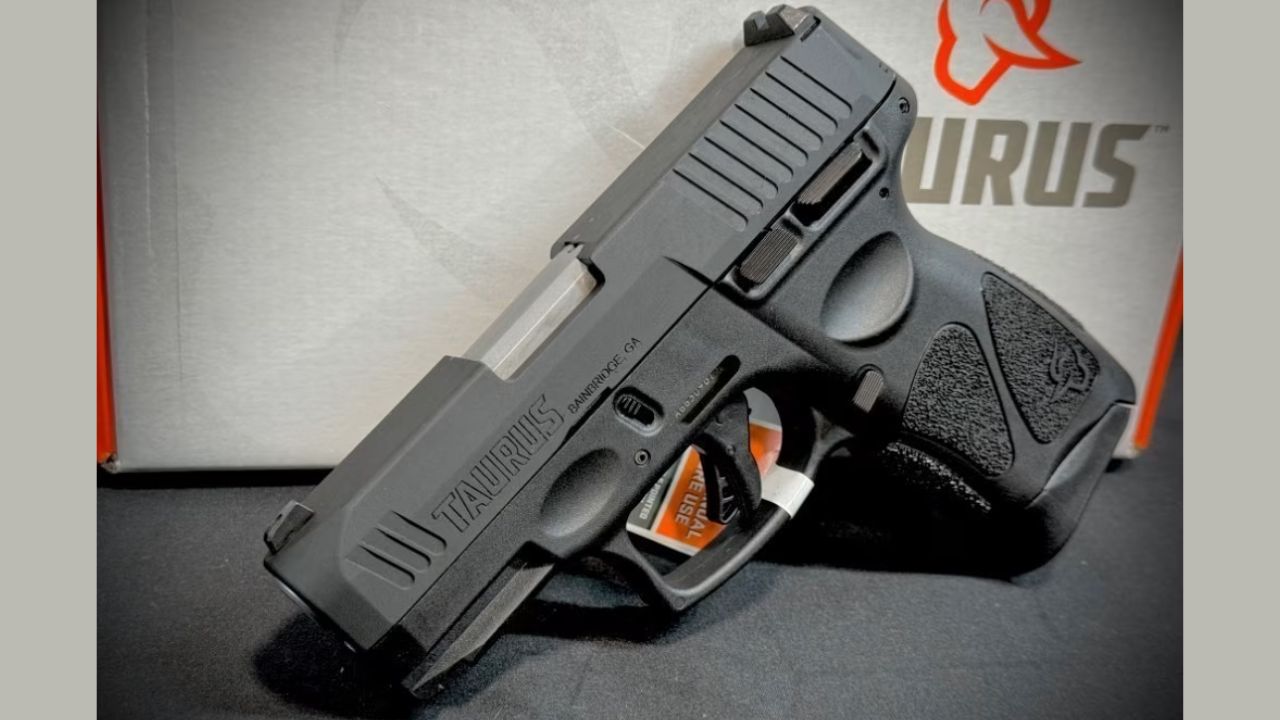
The G3 and G2C can be solid budget pistols, but they’re also known for a mixed magazine experience. Some mags run fine, others cause nose-dives, failures to feed, or inconsistent slide lock. The gun gets blamed because it’s the cheapest part of the system, but magazines are often where the reliability story is written.
Aftermarket mags can make the situation worse. If you’re troubleshooting a Taurus in this family, swapping magazines is one of the fastest ways to isolate the issue. A fresh spring and a clean mag tube can fix problems that look like extractor trouble. It’s not glamorous, but it’s real. With value pistols, magazine quality and maintenance often matter even more because the margin for sloppy components is smaller.
Hi-Point C9

Hi-Points have a reputation for being tougher than people expect, but their single-stack magazines are absolutely a weak link when they’re bent, dirty, or worn. A slight change in feed-lip shape or a tired spring can cause failures to feed that make the gun feel unreliable, even if the pistol itself is functioning normally.
Because many Hi-Points live hard lives—cheap ammo, minimal cleaning, magazines dropped in gravel—magazines get abused. Then the gun gets blamed for problems that are really magazine geometry and spring tension. If you keep the magazine clean and in spec, the pistol often runs better than it has any right to. If the magazine is compromised, you’ll chase malfunctions forever. The C9 is a perfect reminder that the simplest magazine can still be the most important part.
Kel-Tec SUB-2000 (Glock-mag versions)

The SUB-2000 is a clever gun, and the Glock-mag versions inherit every benefit and every problem of the magazine you choose. Run factory Glock mags and it usually behaves. Run sketchy aftermarket mags or worn-out range mags and you can turn it into a malfunction drill machine.
The SUB-2000 also gets used as a backpack gun, a truck gun, a “fold it up and forget it” gun. That lifestyle means magazines get tossed around, picked up dirty, and left loaded for long stretches. Then you hit the range and wonder why it’s choking. The rifle is often fine. The magazine you grabbed is the variable. When a gun is built around detachable mags, you don’t really own one gun—you own a system, and the mags are a huge part of it.
Smith & Wesson M&P15-22

The M&P15-22 is one of the best trainers out there, and it’s also a rimfire. Rimfire guns already live on thin margins, and rimfire magazines can be finicky when they’re dirty or worn. Weak springs, gritty followers, and feed lips that get damaged can cause failures to feed that look like “the gun hates this ammo.”
Because the 15-22 gets shot a lot, magazines get used hard. They get dropped, stepped on, and loaded and unloaded endlessly. Add dirty .22 ammo and you’ve got a recipe for magazine problems that mimic gun problems. If your 15-22 starts choking, the magazines are often the first place to look. Keep them clean, keep them in good shape, and the rifle usually stays dependable. Ignore them, and the magazines become the whole story.
Like The Avid Outdoorsman’s content? Be sure to follow us.
Here’s more from us:


