Photo credit: Iraqveteran8888/YouTube
When a gun refuses to cycle right, it’s more than a nuisance—it’s a liability. You’ve probably had that moment where you drop the bolt or squeeze the trigger expecting another round, only to be met with a click, a stovepipe, or a bolt frozen halfway back. It’s frustrating on the range. It’s a dealbreaker in the field. Cycling issues can stem from poor design, bad tolerances, or a gun that’s just too picky about ammo. And when it keeps happening, you stop trusting the gun entirely. These are the types that keep showing up with cycling issues, no matter how many times folks try to give them another shot.
Remington 742 Woodsmaster
If you’ve ever hunted with someone using a Remington 742, you’ve probably seen it jam. This semi-auto rifle earned a reputation over the years for being incredibly picky about cleanliness, lubrication, and how it’s handled. The locking lugs tend to chew into the receiver rails over time, leading to cycling problems that no cleaning job will fix. Even when new, some of these rifles had feeding issues, especially with soft-point hunting ammo. It’s one of those guns that might run fine for a few shots at the range, but give it a real hunt in cold weather or after a few quick follow-ups, and it’ll remind you why you left it in the safe last season.
Taurus PT22

Tiny .22 pistols are already known for being finicky, but the Taurus PT22 takes that to a new level. Between the tip-up barrel, magazine sensitivity, and questionable feeding reliability, you’re likely to find yourself clearing more jams than rounds on target. The blowback action just doesn’t seem tuned well, especially with bulk ammo. Rimfire is always a little unpredictable, but this gun amplifies every weakness. It might seem like a fun pocket plinker, but when it can’t make it through a mag without a hiccup, it quickly becomes a source of regret. If you’re looking for a reliable .22, you’d be better off leaving this one behind.
Remington R51
The Remington R51 had one of the most infamous launches in recent gun history. Brought back with retro styling and a “new” locking system, it looked cool—but cycling issues plagued the pistol from the get-go. Magazines wouldn’t feed right, the slide would hang up, and sometimes it wouldn’t return to battery at all. Even after Remington re-released a revised version, the bad taste lingered. The hesitation came not from nostalgia, but from too many stoppages and mechanical quirks. When a 9mm carry pistol struggles to consistently run basic FMJ, it doesn’t matter how sleek it looks—it’s not something you want to trust.
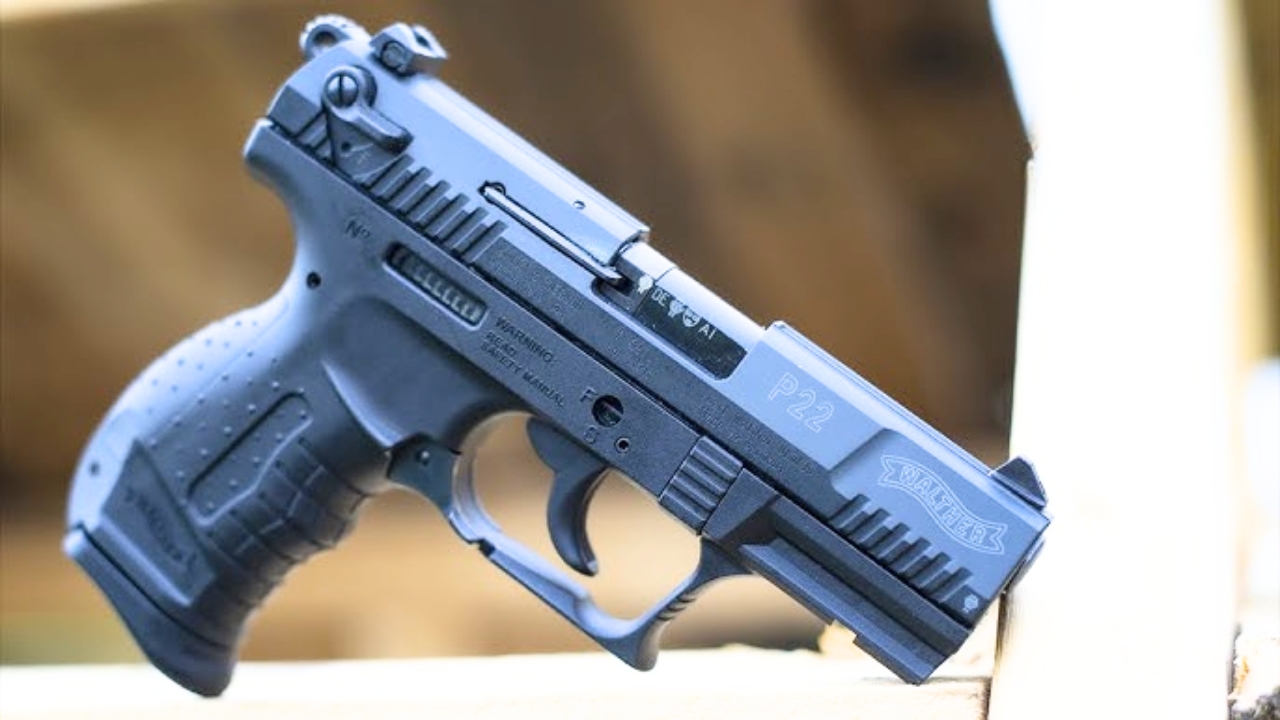
Walther P22

The Walther P22 is another rimfire pistol that just won’t behave unless conditions are perfect. Even with high-velocity ammo, you’re likely to run into failures to feed, eject, or return to battery. The slide’s lightweight construction and the gun’s overall loose tolerances don’t do it any favors. On paper, it looks like a great trainer or plinker. In practice, it teaches you how to clear malfunctions more than how to shoot. If you’re lucky and find an ammo type it likes, it might run okay—but that’s a big “if.” Most folks find themselves wishing they’d picked a different .22 after a few frustrating range trips.
Desert Eagle .50 AE
Let’s be honest—nobody buys a Desert Eagle for practicality. But even in its flashy, overbuilt glory, you’d expect it to at least run properly. Problem is, that massive slide and gas system are extremely sensitive to limp-wristing and inconsistent ammo. Failures to feed and eject are common unless you’re using full-power factory loads and holding it like your life depends on it. Add in the sheer weight of the gun and how slow it cycles, and you’re left with a gun that feels more like a novelty than a dependable shooter. It might roar when it works, but getting there is the issue.
SIG P238

This little .380 has a solid reputation for quality—until it doesn’t cycle. Many shooters love the size and 1911-inspired controls, but the slide and recoil spring setup can be touchy. Some users report issues with hollow-point feeding, slide lock malfunctions, and occasional short-stroking, especially as the gun gets dirty. Being a small-frame .380, it’s already on the edge of what’s needed for reliable operation. Once it falls out of that sweet spot—whether from fouling, underpowered ammo, or poor grip—it starts hiccuping. You expect more from a gun that costs this much, especially one designed for carry.
Beretta Bobcat 21A
This little tip-up .22 or .25 has been around for decades, and while it’s a neat design, reliability has always been shaky. It’s a straight blowback action that struggles with inconsistent ignition and short-stroking. The lack of an extractor means if a round doesn’t fire or fully eject, you’re manually clearing it. Add in rimfire ammo variability and a small grip that makes it easy to limp-wrist, and you’ve got a recipe for failure. Folks like them for pocket carry or deep concealment, but when every second round jams or stovepipes, you start rethinking your choices. It’s a charming little gun—until you actually need it to work.
Like The Avid Outdoorsman’s content? Be sure to follow us.
Here’s more from us:
The worst deer rifles money can buy
Sidearms That Belong in the Safe — Not Your Belt
*This article was developed with AI-powered tools and has been carefully reviewed by our editors.