Photo credit: WHO_TEE_WHO/YouTube
When you’ve been in the field long enough, you start noticing which rounds earn their reputation and which ones ask for way more than they give back. Recoil doesn’t bother you on its own—you can handle that—but recoil that isn’t backed up by real‑world performance gets old fast. Some cartridges thump your shoulder, ring your ears, and still leave you wondering where all that energy actually goes once it hits game. These are the rounds that look impressive on paper and sound impressive around a campfire, but when it’s time to put meat on the ground, they don’t always justify the punishment.
.300 Winchester Magnum
The .300 Win Mag has taken plenty of game, but it also delivers recoil that can shake even seasoned shooters if they aren’t locked in behind the stock. On the bench, it feels like you’re getting the performance of a long‑range hammer, but in the field, the gain doesn’t always match the pain. The truth is you can take the same animals with milder rounds that don’t punish your shoulder and disrupt your follow‑through. When a cartridge requires constant practice to manage recoil—and you still flinch when the shot matters—it stops looking like an advantage and starts looking like work.
.45-70 Government (hot modern loads

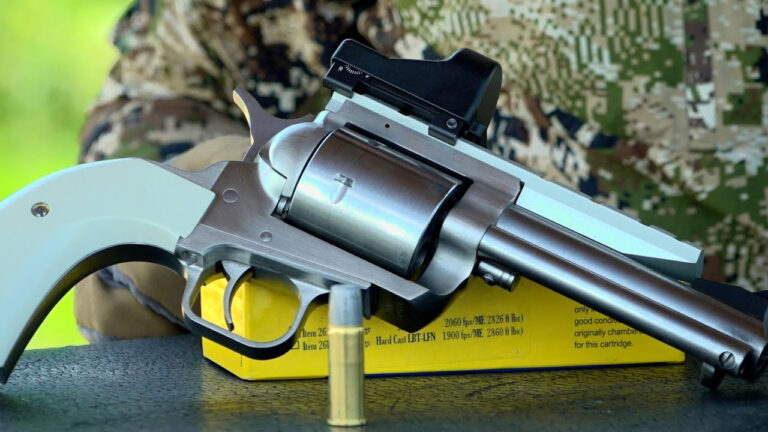
The .45‑70 with modern, high‑pressure hunting loads hits like a freight train on both ends. It’s a favorite for thick woods and big animals, but many shooters run loads far heavier than they actually need. The result is a cartridge that kicks harder than most bolt rifles while offering no real benefit on deer‑ or hog‑sized game. Even with big‑bore rifles getting lighter, the recoil stays the same—or gets worse. When you’re bruised after a short range session and fighting to stay steady under field conditions, the “big bore charm” wears off fast if the game doesn’t require that level of power.
.338 Winchester Magnum
The .338 Win Mag sits in a strange place: too powerful for most North American hunts, but not quite the powerhouse some hunters think it is. The recoil is sharp, quick, and unforgiving, especially in mountain rifles that weigh far too little for what this cartridge dishes out. Yes, it brings solid energy, but it’s wasted on most deer and elk hunts where a well‑placed shot from a softer cartridge does the same job. When a round makes you dread squeezing the trigger or pulls your eye from the scope before you confirm impact, it stops being helpful.
7mm Remington Magnum

In a standard rifle, the 7mm Rem Mag is manageable. In today’s ultralight hunting rifles, it becomes unpleasant in a hurry. The jump and muzzle blast are exaggerated by the lack of weight, and it makes longer practice sessions feel like punishment. The performance is solid, but not dramatically better than a .308 or .270 inside the distances most hunters actually shoot. On top of that, the recoil disrupts shot rhythm and slows follow‑ups, especially when you’re shooting elevated or twisted around a tree. A round shouldn’t feel like a chore, but in a lightweight rifle, this one often does.
.300 WSM
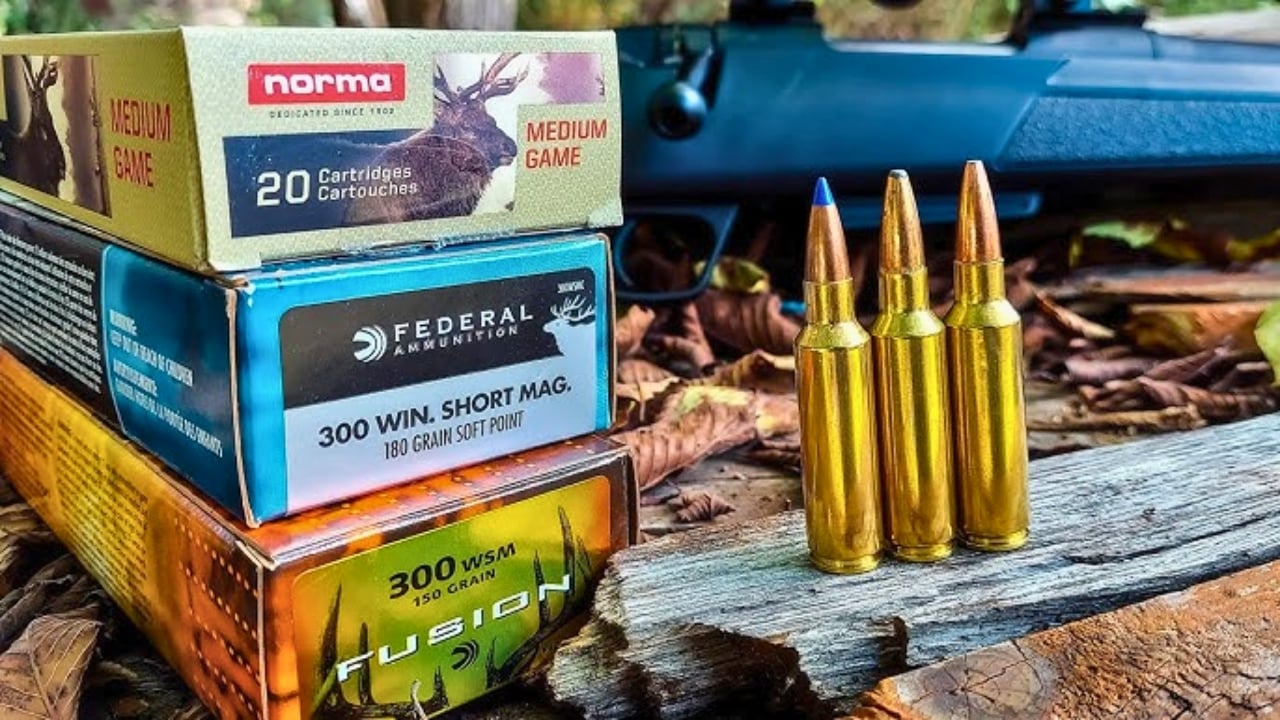
Short magnums always promised big power in shorter actions, but they also delivered more recoil than many shooters expected. The .300 WSM slaps you hard and fast, and the recoil impulse feels sharper than a .300 Win Mag in similar rifle weights. Sure, it’s accurate and hits with authority, but you give up comfort without gaining much in real hunting results. In mountain rifles or compact synthetics, it becomes even less forgiving. When a cartridge reminds you of its recoil every time you think about practicing, it’s hard to argue that it’s worth the extra abuse.
.450 Marlin

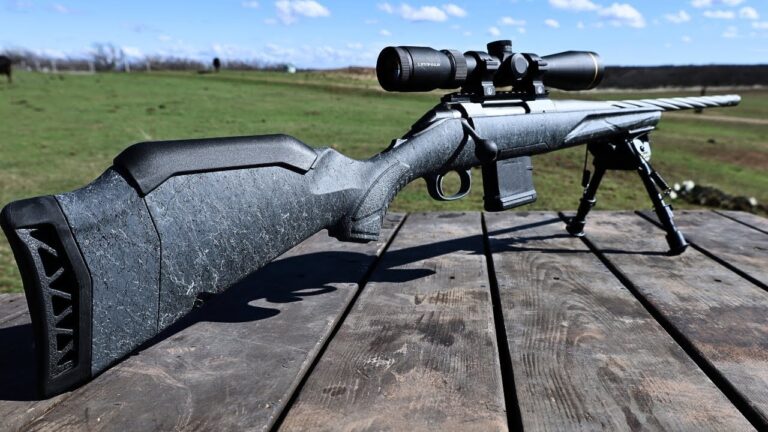
The .450 Marlin was designed to give modern shooters .45‑70 power in a safer package. What it really gave most folks was recoil well beyond what they expected. In lever guns that aren’t heavy enough to tame the shove, it hits you with a deep, rolling push that can shake your stance and your confidence. Outside of bear defense, there aren’t many situations where this much recoil pays off. When a cartridge leaves you sore after a few rounds and doesn’t deliver noticeably better results than more manageable big‑bores, it becomes hard to justify packing it into the woods.
.375 Ruger
The .375 Ruger absolutely delivers on power, but the recoil is substantial, especially in field‑weight rifles. If you’re actually hunting dangerous game, you’ll tolerate it. But for anything else—elk, moose, big hogs—it becomes more punishment than performance. The snap is strong, the muzzle rise is tall, and the follow‑through requires serious discipline. When you’re fighting the gun instead of focusing on the shot, you’re giving up more than you’re gaining. It’s a fantastic cartridge for the right job, but most hunters use it for animals that don’t need this kind of horsepower, and they pay for every trigger pull.
Like The Avid Outdoorsman’s content? Be sure to follow us.
Here’s more from us:
The worst deer rifles money can buy
Sidearms That Belong in the Safe — Not Your Belt
*This article was developed with AI-powered tools and has been carefully reviewed by our editors.