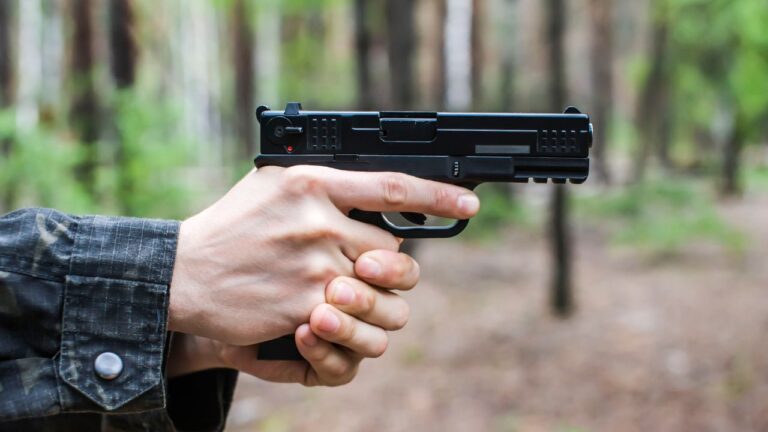
Every shooter’s met one—the guy who swears his favorite caliber is the only one worth owning. He’ll quote velocity, energy, and “real-world results” like he’s reciting gospel. But some cartridges earn more praise than performance. They’re not terrible—they’ll drop a deer, ring steel, or poke holes in paper—but they’ve been talked up far beyond what they deliver. Some started strong and lost ground to better designs, while others never earned the reputation they got. These calibers aren’t junk—they’re just not as special as people claim.
.243 Winchester
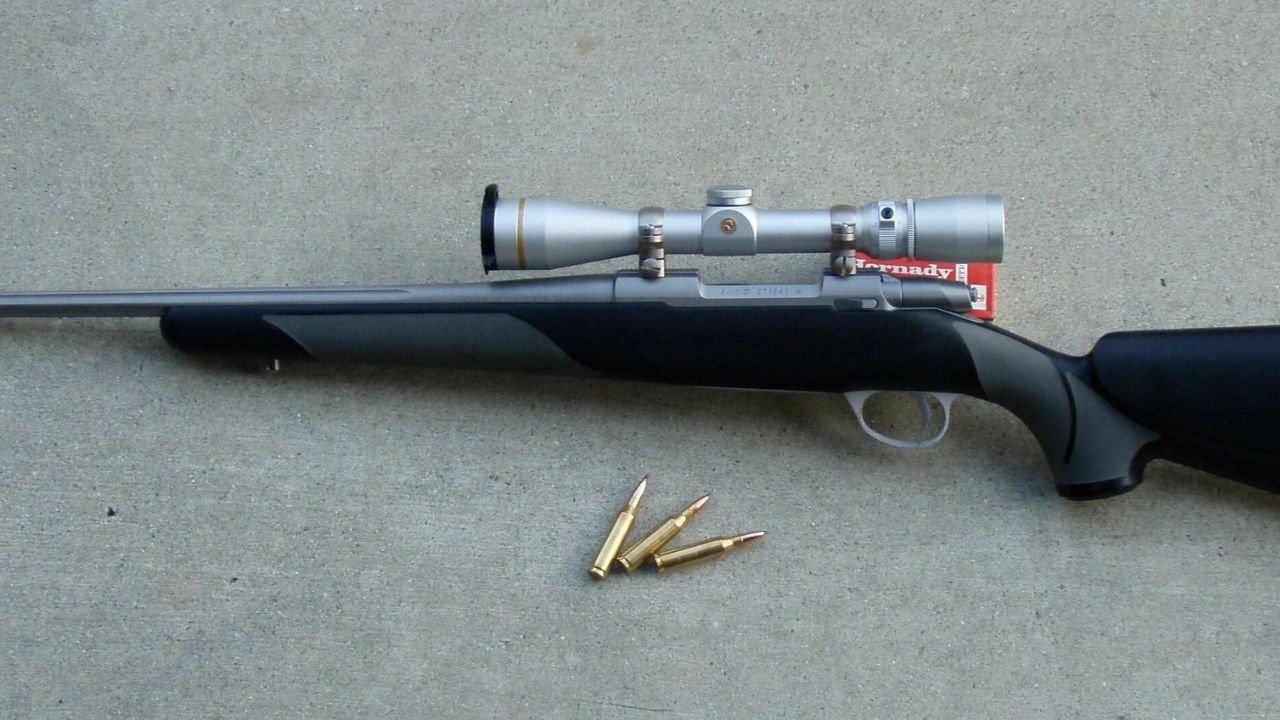
The .243 Winchester built its name on being the “perfect youth rifle” and an all-around deer cartridge. It’s accurate, flat-shooting, and light on recoil. But despite its popularity, it’s limited when things get tough.
The .243 performs great in open country and ideal conditions—but hit heavy brush or larger-bodied game, and it starts showing its weaknesses. It doesn’t hit hard enough for consistent penetration on tough angles, and bullet choice is critical. Hunters often overestimate its reach and underestimate its drop-off in stopping power. It’s fine for what it is, but it’s been sold as more than that for far too long.
.270 Winchester
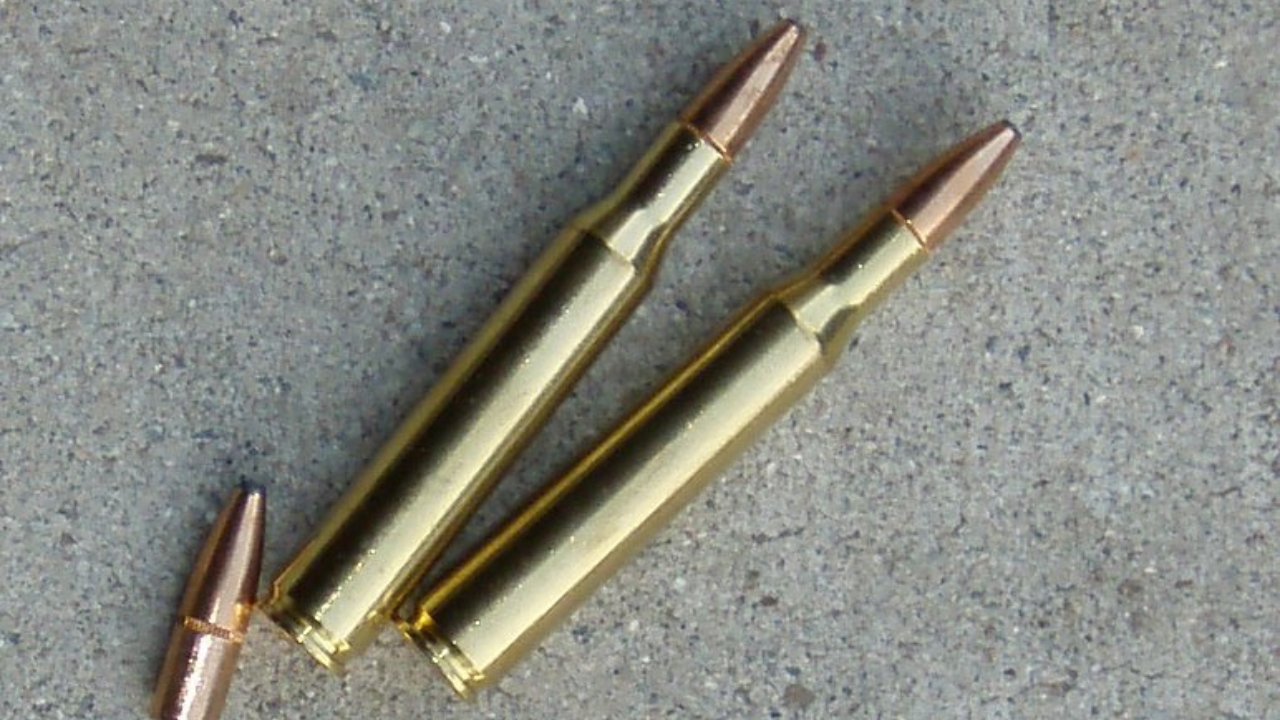
The .270 Winchester earned fame decades ago, and it still carries that reputation today. Flat trajectory, manageable recoil, and classic style—it’s a cartridge that works. But its “do-it-all” status is overstated.
Modern cartridges like the 6.5 Creedmoor or .280 Ackley simply outperform it in drop, wind drift, and bullet efficiency. The .270 also suffers from limited bullet weights compared to newer designs. It’s accurate and nostalgic, but it’s not the long-range miracle many make it out to be. You’ll still tag deer and elk with it, but when someone says it’s “all you’ll ever need,” take that with a grain of salt.
.40 S&W

The .40 S&W once ruled the law enforcement world as the “perfect balance” between 9mm and .45 ACP. In reality, it’s the compromise that proved unnecessary. It kicks harder than 9mm, holds fewer rounds, and doesn’t offer much more energy.
As bullet technology improved, 9mm caught up and surpassed it in most measurable ways. The .40’s snappy recoil slows follow-up shots, and small-frame pistols chambered for it feel downright unpleasant. It’s not a bad round—but it’s one that’s been oversold as something it never truly was: a superior defensive option.
.30-06 Springfield
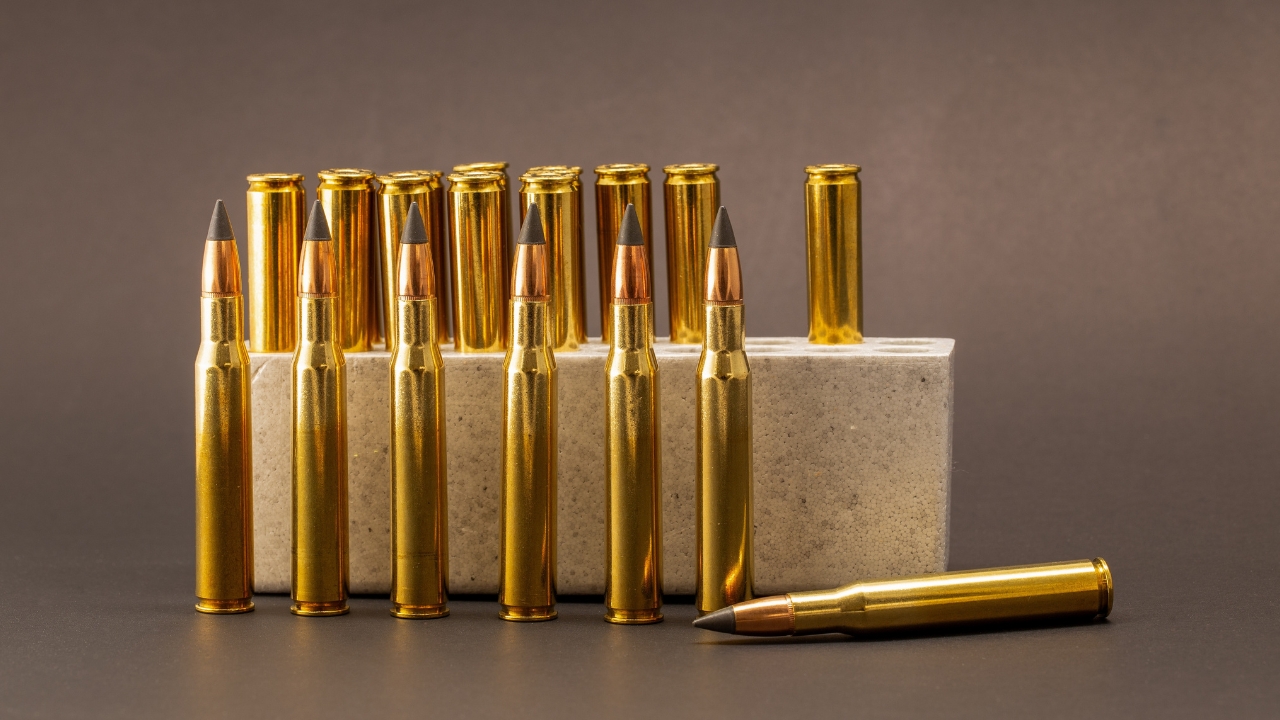
The .30-06 is a legend, and it’s earned a place in history. But its “do-everything” reputation doesn’t hold as well today. It’s not the flattest, not the hardest-hitting, and certainly not the mildest recoiling option anymore.
With modern cartridges offering better ballistics and efficiency in shorter actions, the .30-06 feels like yesterday’s king. It still works—no doubt about it—but it’s not the magic bullet many claim. The nostalgia runs deep, and that’s fine, but performance-wise, the gap between it and the new generation of cartridges is wider than most want to admit.
6.5 Creedmoor

Few modern cartridges have been hyped as hard as the 6.5 Creedmoor. It’s accurate, mild, and capable at long range—but you’d think it could stop a tank from the way some folks talk.
In truth, it’s a precision round, not a powerhouse. It shines on the range and for medium game, but it’s no .300-class elk round and struggles in dense cover. Many shooters treat it like a one-size-fits-all solution when it’s really a niche performer. It’s great in its lane—but not nearly as exceptional as the marketing makes it sound.
.300 Blackout

The .300 Blackout sells itself as a “do-it-all” AR cartridge—quiet with subs, powerful with supers. The problem is, it’s mediocre at both. Subsonic loads lack real energy, and supersonics barely match the performance of a .30-30.
Its strength lies in suppressed short-barrel setups, but that’s a narrow role. Outside of that, you’re left with an expensive round that underperforms in range and power. It’s cool, yes—but cool doesn’t make it versatile. For many shooters, the hype fades fast once they see the limitations firsthand.
.357 SIG

The .357 SIG promised magnum-like performance in a semi-auto frame, and while it delivers on velocity, it misses the point everywhere else. It’s loud, expensive, and hard on pistols.
While it penetrates barriers well, overpenetration is also a real problem. Recoil is sharp, and barrel wear comes early. It’s accurate and fast, sure—but not enough to outweigh its downsides. Law enforcement abandoned it for good reason. The .357 SIG is exciting to shoot, but long-term, it’s more trouble than it’s worth.
.22 WMR

The .22 Magnum looks good on paper—fast, flat, and potent for its size. But most of its promise disappears in short-barreled handguns and lightweight rifles. The velocity loss from small guns robs it of the punch it’s known for.
Accuracy is hit or miss depending on ammo, and the cost gap over .22 LR isn’t always justified. It’s still fun for varmint work or plinking, but calling it a “serious defensive round” stretches the truth. It’s half-decent, but far from the powerhouse some make it out to be.
.44 Magnum

Thanks to movies and lore, the .44 Magnum holds mythical status. It’s powerful, accurate, and reliable. But it’s also brutally hard to shoot well and nearly impossible to master for defensive use.
In revolvers, the recoil is punishing, and the muzzle blast can disorient you in low light. Few shooters can deliver fast, accurate follow-up shots with it. It’s a great hunting round for skilled hands—but for the average shooter, it’s too much of a good thing. Its legend outpaces its practicality by a mile.
.380 ACP

The .380 ACP is fine for close-range defense, but its limitations are well-known. Still, marketing and convenience have oversold it as a dependable “primary” carry choice.
In truth, it lacks consistent penetration, and its velocity drops fast through small barrels. It’s better than nothing, but only barely in some cases. It’s easy to shoot and easy to carry—but that comfort shouldn’t be mistaken for capability. A pocket pistol might be convenient, but convenience doesn’t stop threats.
7mm-08 Remington
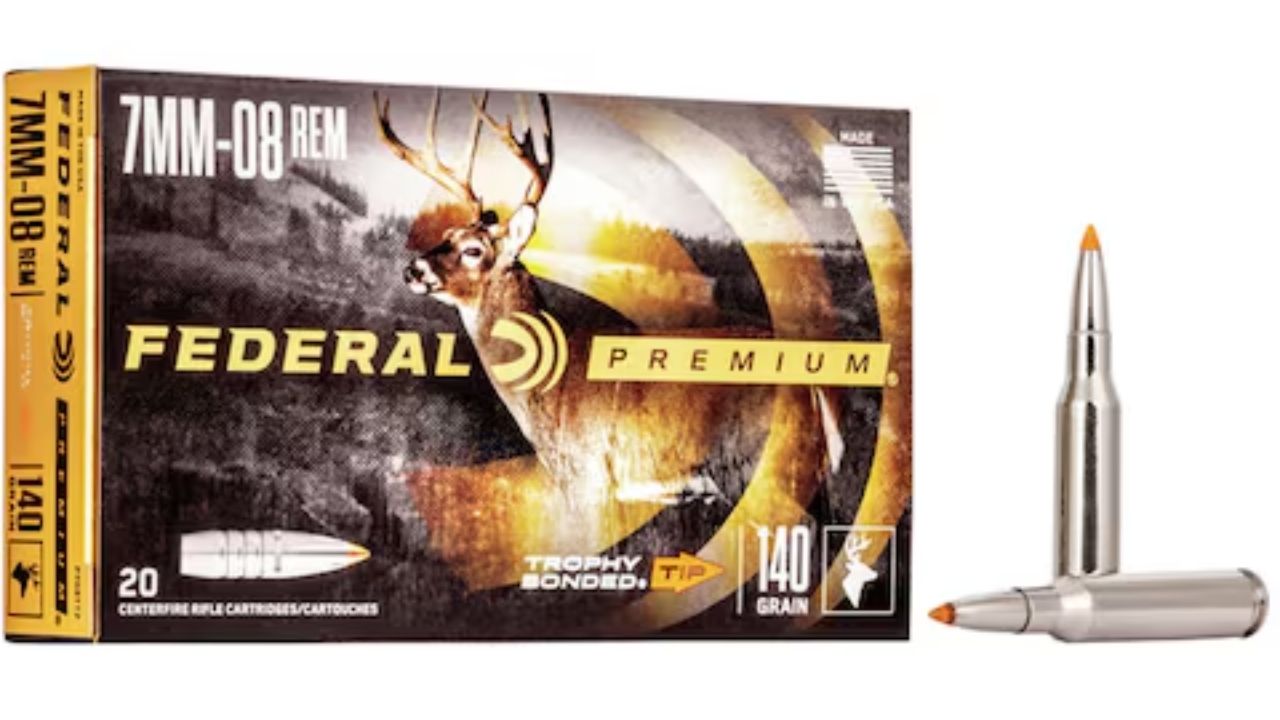
The 7mm-08 is accurate, flat-shooting, and efficient—a truly capable hunting cartridge. But it’s been oversold as a long-range powerhouse, and that’s where it falls short.
Beyond 400 yards, energy and velocity fade quickly compared to the bigger 7mm rounds. It’s excellent for deer and antelope but underwhelming for elk-sized game. It’s a solid mid-range performer, but not the “jack of all trades” some portray it as. You’ll like it—but it won’t replace a magnum.
.45 GAP

The .45 GAP tried to modernize .45 ACP performance in a smaller package. It succeeded in concept but failed in execution. Ammo is scarce, expensive, and often underpowered compared to the .45 ACP it was meant to emulate.
The round also lost support quickly—few manufacturers chamber pistols for it today. While it’s accurate and pleasant enough to shoot, it never lived up to its promise. It’s not a bad round, but it’s been talked up far more than its history deserves.
.350 Legend

The .350 Legend was marketed as the straight-wall solution for hunting zones that restrict bottleneck cartridges. It’s accurate and mild, but its “legend” status is exaggerated.
It lacks reach, drops fast past 200 yards, and bullet selection remains limited. While it’s great for recoil-sensitive hunters or those in straight-wall states, it’s not the ballistic miracle the ads suggest. It’s a tool for a niche job—nothing more, nothing less.
.41 Magnum

The .41 Magnum never found its place, and the hype from diehards keeps it floating. It’s powerful, accurate, and well-balanced—but not meaningfully better than .357 or .44 Magnum for most uses.
Ammo availability is poor, and recoil is still stiff. It’s a cartridge that never quite justified its middle ground. Shooters who love it swear by it—but the rest of us can’t find a reason to bother. Half-decent? Sure. Worth the hype? Not even close.
.204 Ruger

The .204 Ruger was supposed to be the next big thing in varmint cartridges—flat shooting, blistering fast, and light recoiling. It delivers on speed but struggles elsewhere.
Wind drift eats it alive, and bullet options are limited. The lightweight projectiles shed energy quickly, making it less effective beyond a few hundred yards. It’s fun, accurate, and flashy, but it doesn’t outshine the .223 or .22-250 the way it was marketed to. It’s a great toy for target shooters, but not the game-changer it was sold as.
Like The Avid Outdoorsman’s content? Be sure to follow us.
Here’s more from us:
The worst deer rifles money can buy
Sidearms That Belong in the Safe — Not Your Belt
*This article was developed with AI-powered tools and has been carefully reviewed by our editors.