Photo credit: Savage Arms
Every rifle or carbine is advertised with impressive ballistics, but once you get past the glossy numbers, some platforms don’t actually deliver when you stretch them out. At close and moderate ranges they feel fine, but once you start pushing past a couple hundred yards, accuracy starts falling apart. Whether it’s thin barrels that walk shots, cartridges that lose steam, or rifles built with cost-cutting shortcuts, these are guns that talk a big game on range but don’t live up to it in the field.
Ruger American Predator in .350 Legend

The Ruger American Predator is a solid budget rifle in many respects, but in .350 Legend, it struggles beyond 200 yards. The cartridge simply runs out of velocity quickly, leaving you with steep drop and inconsistent impact.
In tight brush or short-range deer hunts, it works fine. But if you’re expecting it to stretch out further, you’ll see why hunters often feel misled by “range” claims. The lightweight barrel also heats quickly, adding spread to groups as distance grows.
Marlin 336 in .30-30 Winchester
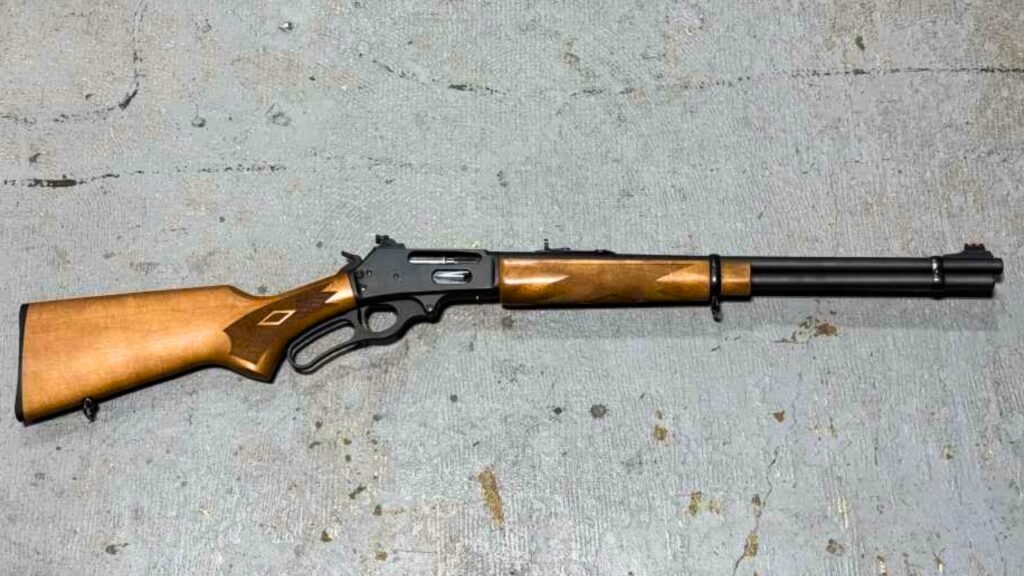
The Marlin 336 has earned its reputation as a reliable brush gun, but it was never built for long-distance performance. The .30-30 Winchester round drops sharply beyond 200 yards, and wind pushes it off target even faster.
For woods hunting, it’s a trusted rifle, but if you’re looking for accuracy across open country, you’ll be fighting its limits. The platform itself is dependable, but the cartridge caps its potential, making “long-range” marketing a stretch.
Ruger Mini-14
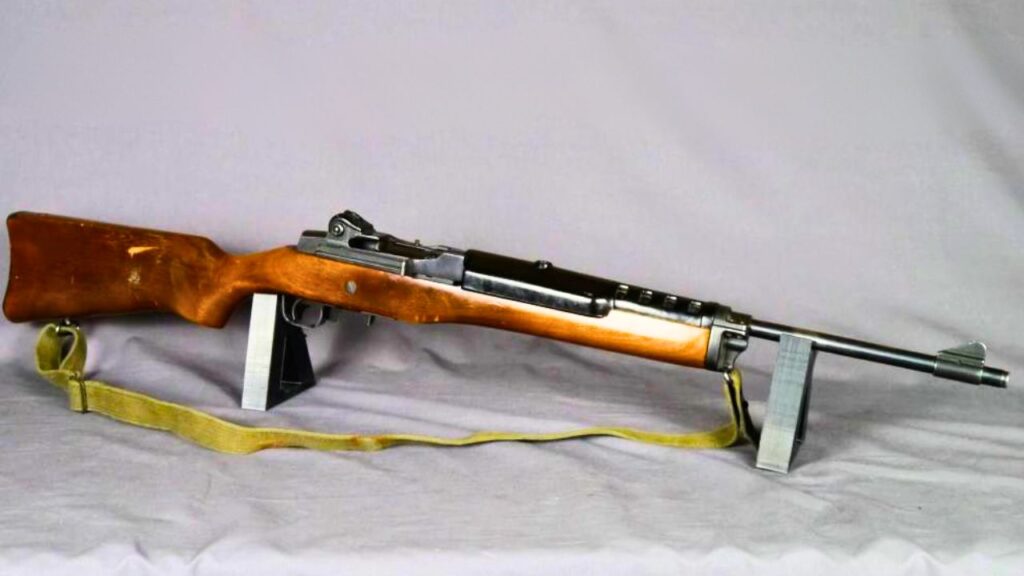
The Ruger Mini-14 has loyal fans, but accuracy at distance has always been a weak point. The thin barrel tends to string shots once it heats, and factory triggers aren’t tuned for precision shooting.
It shines for ranch and utility use inside a couple hundred yards. Try stretching it past that, and you’ll quickly notice how inconsistent groups become. Many shooters end up frustrated because it looks like a rifle that should carry farther, but it falls short.
Kel-Tec RFB
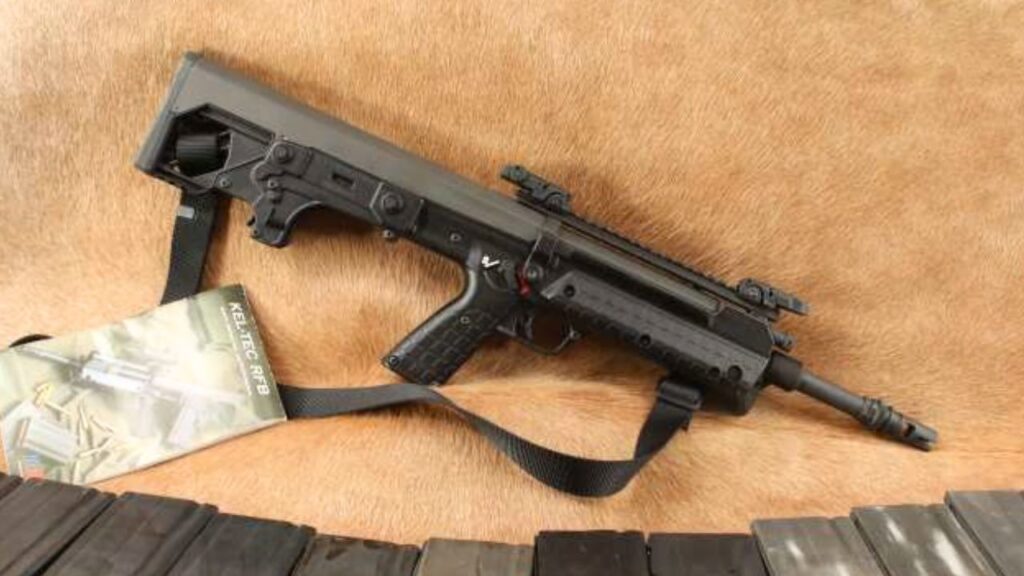
The Kel-Tec RFB is chambered in .308, which should mean dependable reach. But in practice, the bullpup’s design works against it at distance. Trigger feel is spongy, the short sight radius makes irons impractical, and even with optics, groups open up quickly.
It’s compact and fun to handle at closer ranges, but once you ask it to keep tight shots past 300 yards, shortcomings show. The potential of the cartridge is there, but the rifle’s design keeps it from fully delivering.
Remington 742 Woodsmaster

The Remington 742 has history as a hunting rifle, but accuracy at longer ranges has always been suspect. The semi-auto design often develops wear that loosens groups over time, and the factory barrels aren’t known for consistency.
Up close, it has enough power for whitetail and black bear, but beyond moderate distances, you’ll struggle to keep shots tight. Many hunters learned the hard way that while it looks like a solid all-around rifle, it doesn’t deliver steady precision at range.
Winchester Model 94 in .32 Special

The Winchester 94 in .32 Special carries all the charm of a lever gun, but when it comes to range, it’s not built for it. The cartridge was intended as an alternative to .30-30, but it shares the same rapid velocity loss beyond 200 yards.
Accuracy in close brush is fine, but once you move out into open ground, it’s hard to keep hits consistent. Despite the rifle’s reputation, this chambering leaves many hunters wishing they’d gone with something more capable.
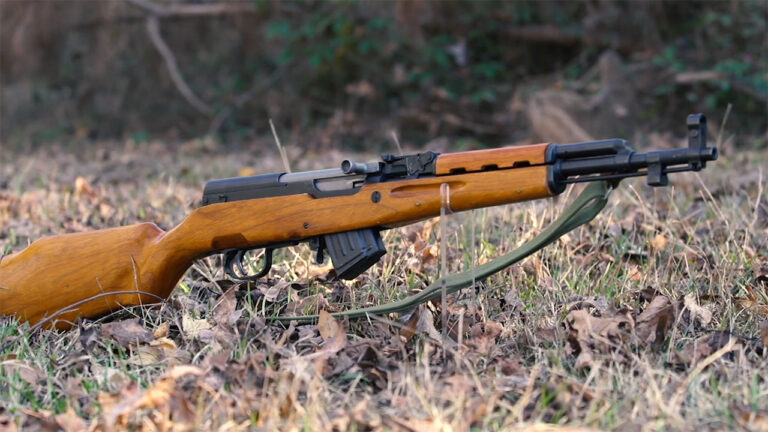
SKS in 7.62×39

The SKS is reliable, affordable, and easy to run, but distance is not its strong suit. The 7.62×39 round loses energy quickly, and barrel quality on many imports leaves accuracy behind once you push beyond 200 yards.
It’s fine for plinking or short-range hunting, but if you expect it to reach out farther with consistency, you’ll be let down. Its appeal is in price and durability, not in long-range precision. The limitations become clear fast on an open range.
Remington 770

The Remington 770 was marketed as an affordable entry into long-range hunting, but it rarely lived up to expectations. Poor factory triggers, rough bolt travel, and inconsistent barrels combined to make groups fall apart past moderate ranges.
Plenty of shooters picked one up thinking it would perform like higher-end rifles. Instead, many found themselves frustrated by accuracy that never tightened up, even with premium ammo. It’s a reminder that cutting corners in production shows most at long range.
Henry Long Ranger in .243

The Henry Long Ranger has a smooth action and lever-gun appeal, but in .243 it tends to disappoint at distance. The lightweight build and thin barrel heat quickly, leading to wandering shots after only a few rounds.
The cartridge itself is capable, but paired with this rifle, you’ll notice groups open up faster than expected. For hunters who wanted the classic lever feel with modern reach, it often ends up falling short past 250 yards.
Savage Axis in .25-06
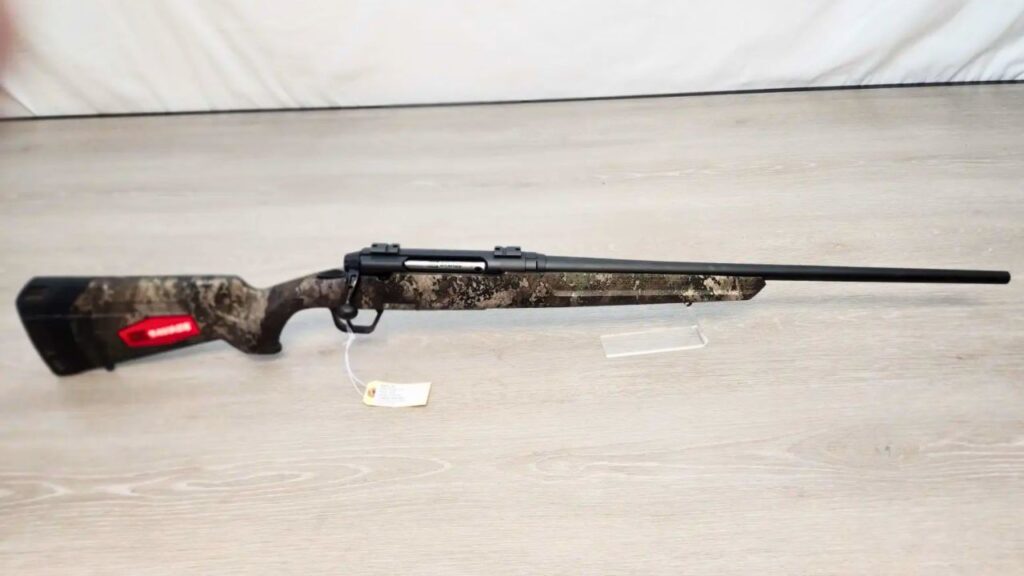
The Savage Axis line has been popular as a budget-friendly choice, but in .25-06, many shooters struggle with consistency once they stretch it. The cartridge demands good barrel quality to shine, and the Axis doesn’t always provide it.
At closer ranges, accuracy is serviceable. But when hunters expect it to take advantage of the flat-shooting round’s potential, they often see fliers and drifting groups. It’s an example of how a capable cartridge can be held back by the rifle itself.
*This article was developed with AI-powered tools and has been carefully reviewed by our editors.