Photo credit: Pedro Monteiro/Shutterstock.com
Sometimes the rifles that made the biggest impact aren’t the ones you see in every history book. These were the game-changers — designs that influenced tactics, shaped warfare, and pushed firearms technology forward in ways that still matter today. Whether they faded into obscurity because newer models took their place or they were produced in limited numbers, these rifles left their mark. If you’re into firearms history, these are the rifles worth knowing because they tell the real story of how battlefields evolved.
Mauser Gewehr 98
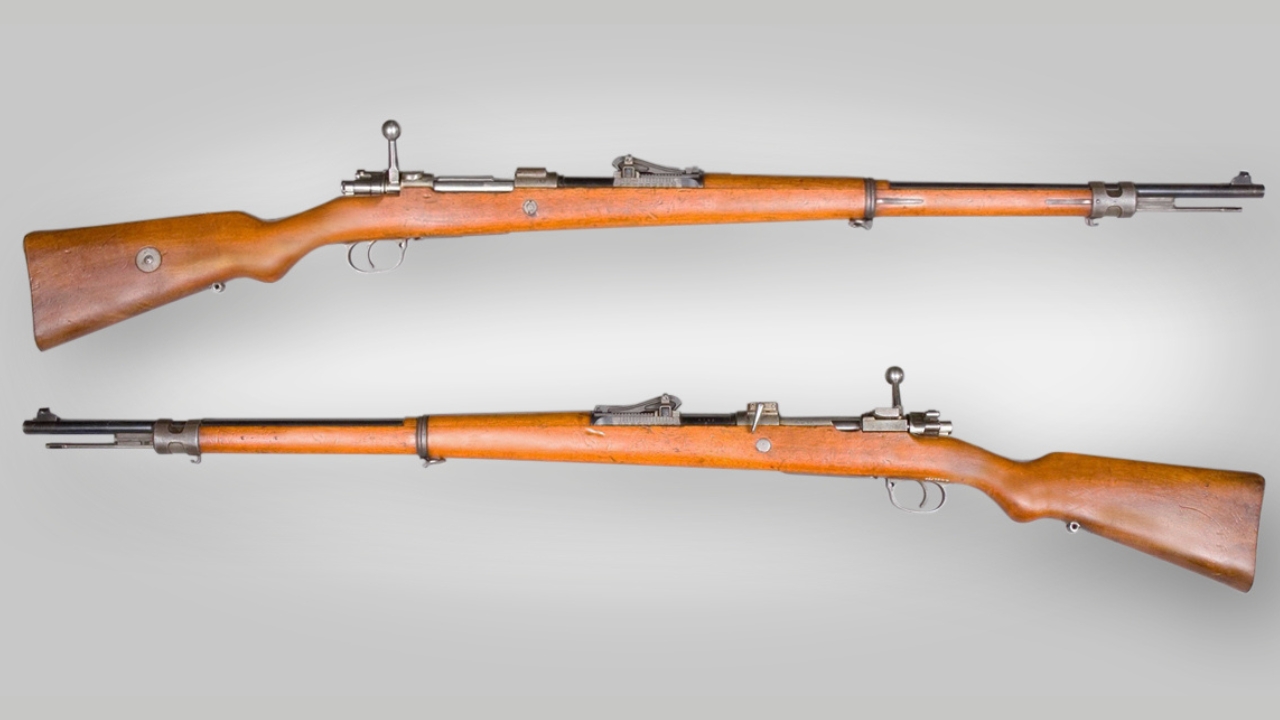
The Gewehr 98 set the standard for bolt-action rifles in the early 20th century. Its controlled-feed action was durable, smooth, and reliable under the harshest battlefield conditions. Chambered in 7.92×57mm Mauser, it offered excellent range and accuracy, giving German troops an edge in World War I. Many modern rifles, including the Springfield M1903, were directly influenced by its design. While it eventually faded from front-line service, its action lives on in countless hunting and precision rifles today.
Springfield Model 1903
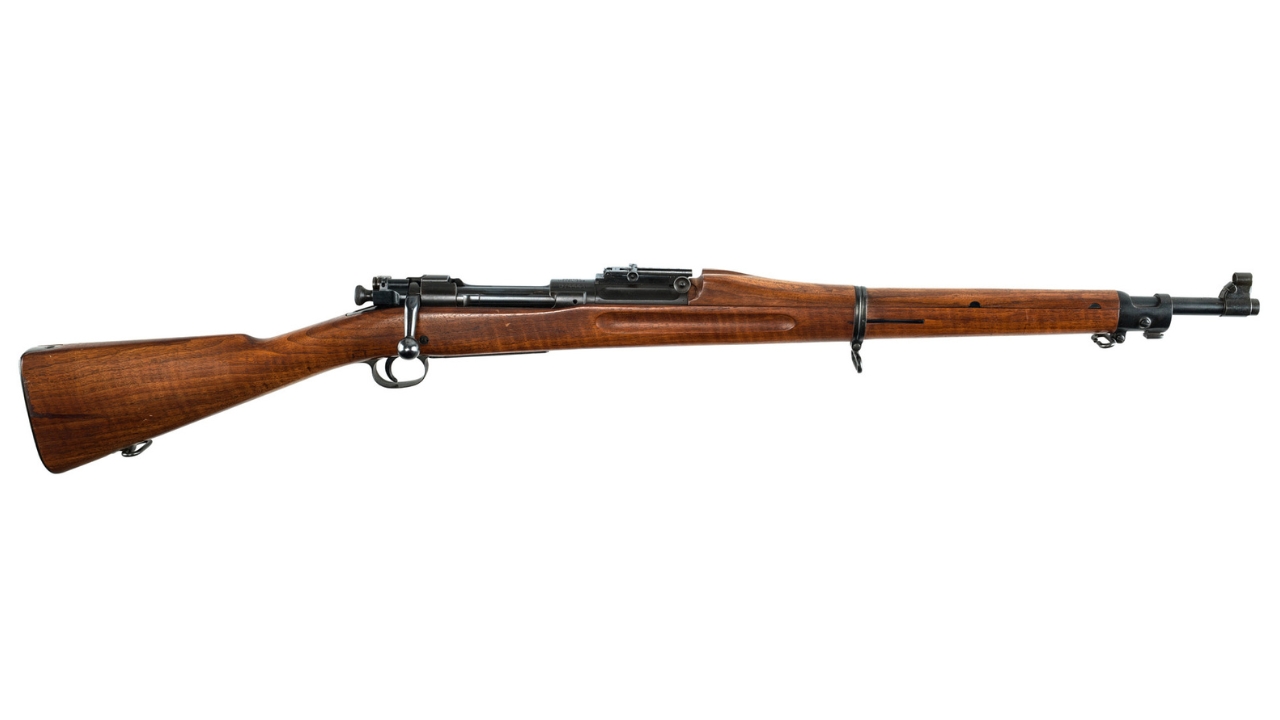
The Springfield M1903 earned its reputation as one of the most accurate bolt-action service rifles ever issued. Chambered in .30-06, it combined excellent range with solid reliability, making it a favorite among American marksmen in both World Wars. Its influence came directly from the Mauser action, but Springfield refined it for U.S. needs. While later replaced by semi-autos like the M1 Garand, the ’03 still appears in sniper configurations and remains a collector’s favorite for its battlefield legacy.
Lee-Enfield SMLE Mk III
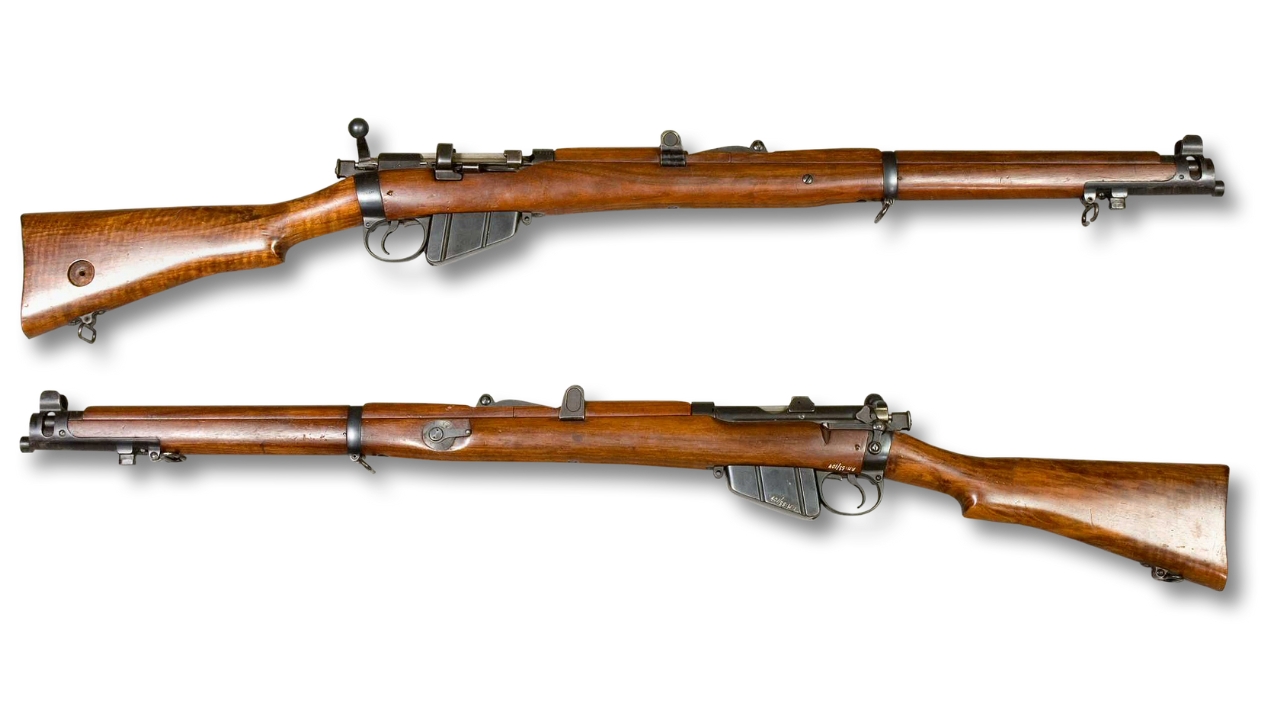
The Short Magazine Lee-Enfield Mk III was the backbone of British forces in World War I and well into World War II. Its smooth bolt throw and 10-round magazine made it one of the fastest-cycling bolt-actions in history. Chambered in .303 British, it balanced speed with accuracy, which gave Allied troops a significant edge during trench warfare. Even after newer rifles came along, the SMLE remained in service worldwide, proving its ruggedness and lasting influence on military design.
Mosin-Nagant M91/30

The Mosin-Nagant M91/30 isn’t elegant, but it earned its place in history through toughness and numbers. Chambered in 7.62×54R, this rifle armed millions of Soviet soldiers during World War II. Its design was simple, reliable, and built to function in extreme conditions — from freezing winters to muddy battlefields. Sniper versions became legendary thanks to marksmen like Vasily Zaytsev. While not as refined as its Western counterparts, the Mosin played a critical role in shaping the outcome of the Eastern Front.
M1 Garand
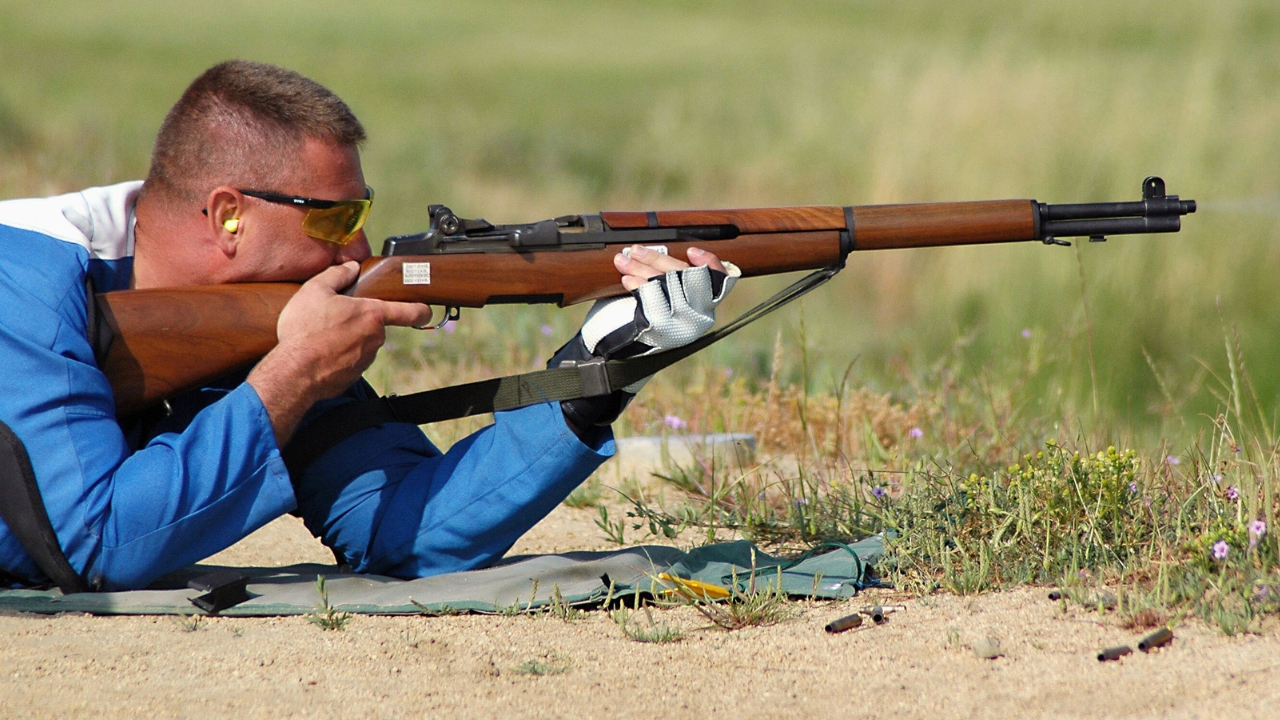
The M1 Garand changed modern infantry combat forever. As the first standard-issue semi-automatic rifle for U.S. forces, it offered faster follow-up shots and significantly more firepower than traditional bolt-actions. Chambered in .30-06, it saw extensive service in World War II and Korea. General Patton famously called it “the greatest battle implement ever devised.” Its eight-round en bloc clip system and battlefield reliability influenced countless rifles that came after, cementing its place as a defining weapon of 20th-century warfare.
Arisaka Type 99

The Japanese Arisaka Type 99 is one of the most underrated rifles of World War II. Chambered in 7.7×58mm, it was built strong enough to handle extreme battlefield conditions, including brutal Pacific heat and humidity. Its chrome-lined barrel resisted corrosion better than most contemporaries, and its bolt-action design was surprisingly smooth. While overshadowed by rifles like the Garand and Lee-Enfield, the Type 99 proved to be durable, reliable, and accurate — traits that earned respect from U.S. soldiers who encountered it.
FN FAL

Known as “the right arm of the Free World,” the FN FAL reshaped modern infantry tactics after World War II. Chambered in 7.62×51mm NATO, it became a standard battle rifle for dozens of nations during the Cold War. Its adjustable gas system and rugged reliability made it adaptable across climates, from jungles to deserts. While later replaced by lighter assault rifles, the FAL marked a turning point — bridging the gap between heavy bolt-actions and modern semi-auto rifles still used today.
Winchester Model 1895

The Winchester Model 1895 was one of the first lever-actions chambered for modern smokeless powder cartridges. Designed by John Browning, it offered firepower and reliability in a package soldiers and hunters alike trusted. It gained fame during the Spanish-American War and later saw use in Russia during World War I. Chambered in .30-40 Krag, .30-06, and 7.62x54R, it represented the transition between classic lever-gun designs and modern battlefield rifles. Its influence on both military and civilian shooting is still felt today.
SKS

The Soviet SKS was a stepping stone between traditional bolt-actions and the modern assault rifle. Chambered in 7.62×39mm, it combined semi-auto capability with a fixed 10-round magazine, giving Soviet troops faster follow-up shots in close- to mid-range fights. While quickly overshadowed by the AK-47, the SKS still shaped how militaries viewed intermediate cartridges. Its rugged simplicity has kept it popular with shooters worldwide, and even decades later, it remains a capable hunting and defensive rifle with historic battlefield roots.
G3 Battle Rifle
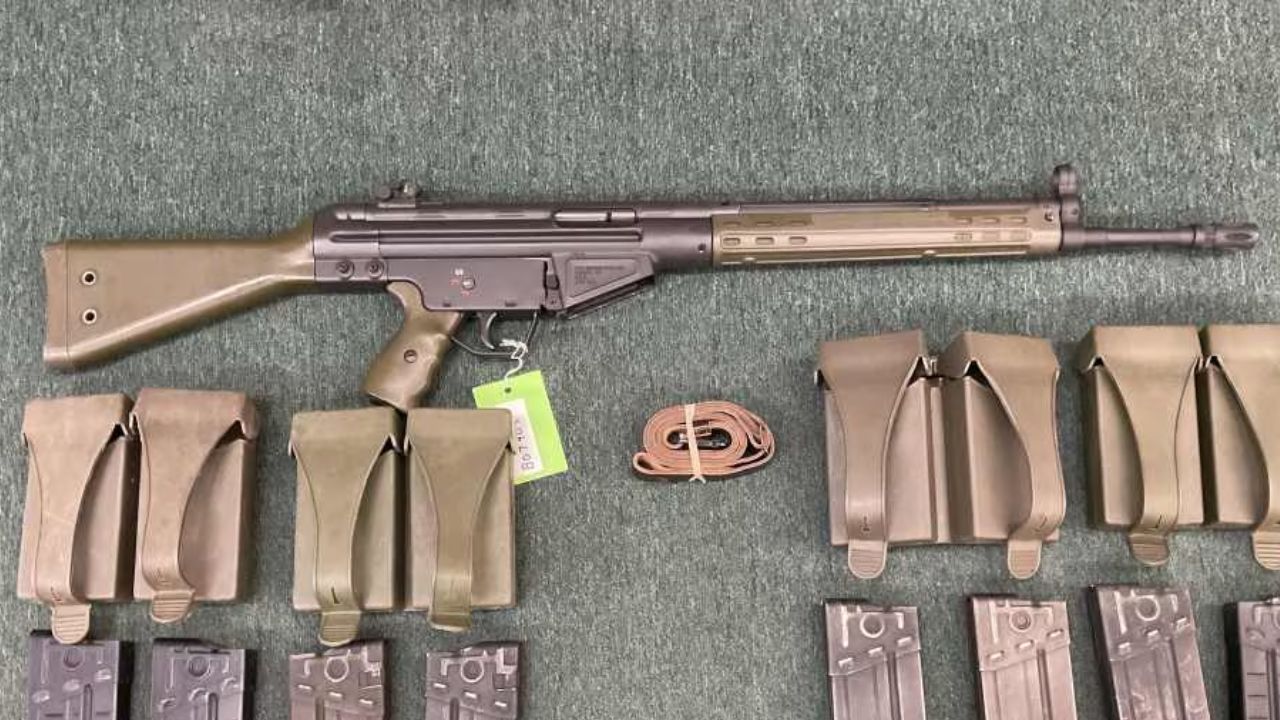
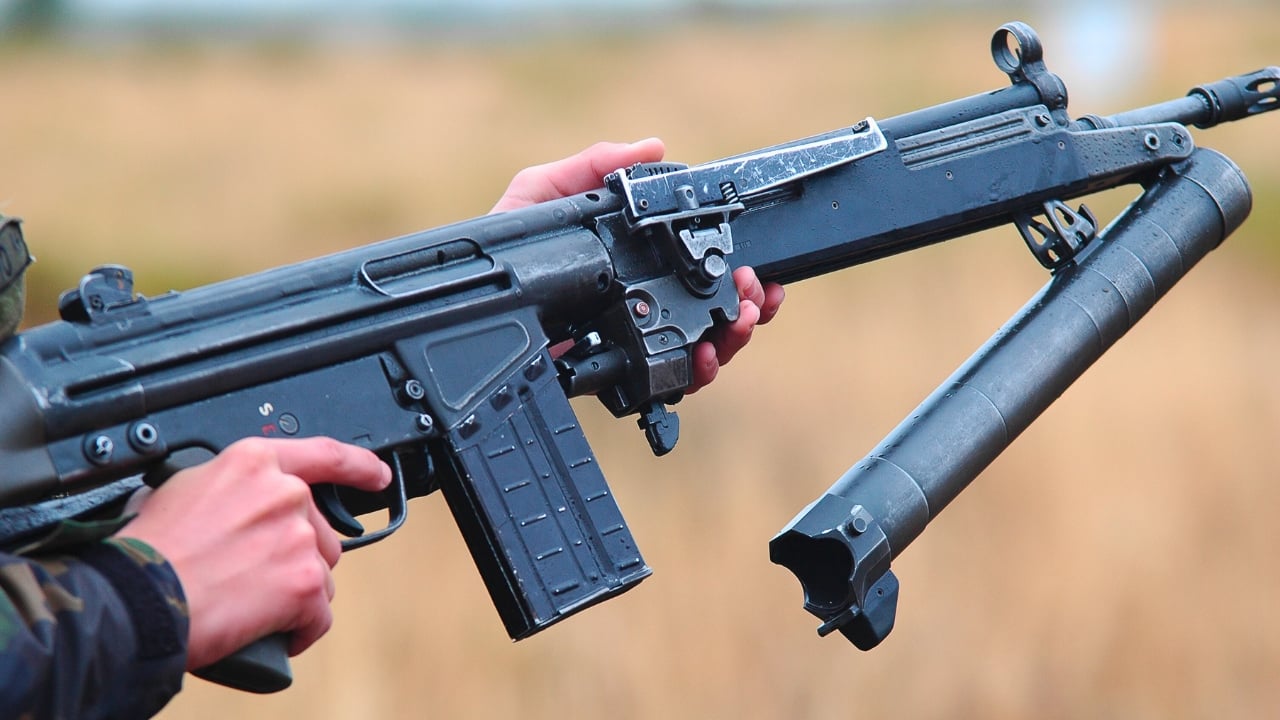
Developed by Heckler & Koch, the G3 became one of the most widely adopted battle rifles of the Cold War. Chambered in 7.62×51mm NATO, it used a roller-delayed blowback system that set it apart from other rifles of its era. Its durability, accuracy, and ease of production made it the go-to choice for dozens of countries worldwide. Even as newer rifles took over, the G3 remains in service in some regions today, a testament to its battlefield effectiveness and engineering quality.
*This article was developed with AI-powered tools and has been carefully reviewed by our editors.