Photo credit: WHO_TEE_WHO/YouTube
Hunting trends change faster than most folks admit. A few decades back, there were calibers every hunter swore by—rounds that filled freezers, rode in every pickup, and carried reputations carved in antlers and brass. But times moved on. New bullets, flatter trajectories, better powders, and lighter rifles have pushed some once-loved classics into the corner of the safe. These old favorites still work, but they’ve lost their following to cartridges that hit harder, fly truer, or come in rifles easier to carry. If you’ve hunted long enough, you’ve probably owned one or two of these, and maybe still keep them for the memories, not the miles.
.32 Winchester Special
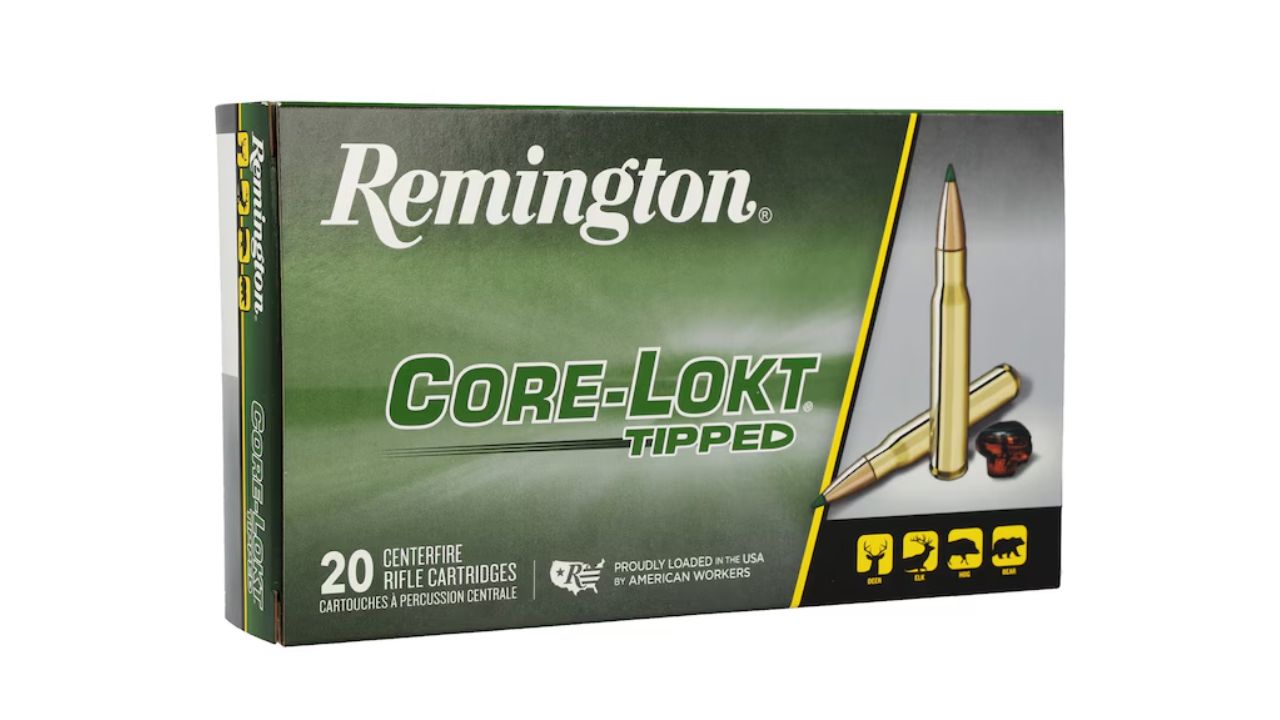
The .32 Winchester Special was once the “thinking man’s .30-30.” It offered slightly more punch and less fouling for black powder reloaders, which mattered in its day. Hunters swore it hit harder on deer and carried a touch farther in open country.
But when smokeless powder took over and modern loads improved, its small edge disappeared. Ammo became hard to find, and factory rifles chambered for it faded fast. While it still drops deer at woods ranges, most hunters moved on to rounds that are cheaper, easier to find, and flatter shooting. The .32 Special didn’t fail—it just got left behind by progress.
.25-06 Remington
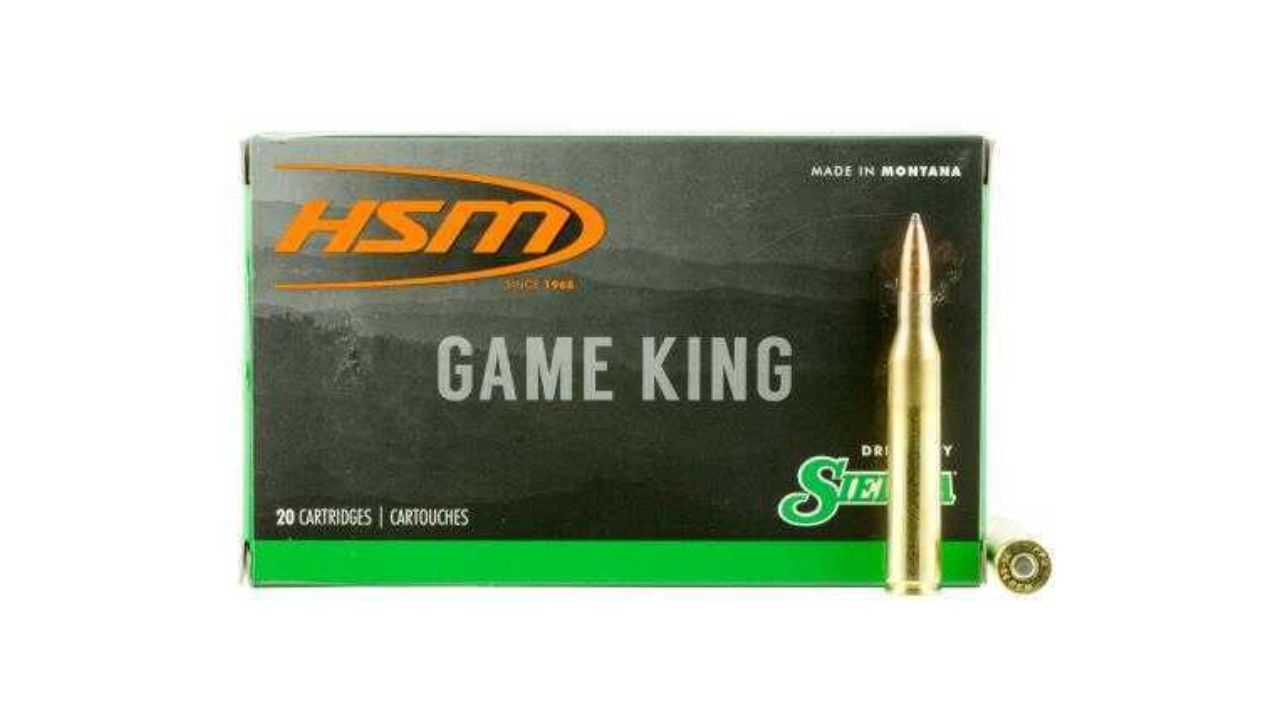
The .25-06 Remington was once the flat-shooting king for deer and antelope hunters. It delivered blistering speed with mild recoil and tack-driving accuracy in the right hands. For years, it was the go-to choice in open country.
Then the 6.5s showed up. With better ballistic coefficients and heavier bullets, they simply outclassed the .25-06 in wind and energy retention. Ammunition variety also dwindled as shooters switched to Creedmoors and PRCs. It’s still an outstanding cartridge, but today it’s mostly found in older safes and nostalgic hands. The .25-06 didn’t lose its accuracy—it lost its audience.
.35 Remington

For a long time, the .35 Remington was a favorite of woods hunters who wanted more thump than a .30-30. It hit hard at short range and put deer and black bear down with authority. The round’s gentle recoil made it easy to love.
But modern hunters chasing range and precision left it behind. Lever guns chambered for it fell out of favor, and few bolt rifles were ever built for it. It’s still deadly inside 150 yards, but the limited ammo availability and old-school rifle platforms have made it more of a curiosity than a choice. It remains effective—but mostly as a relic of simpler hunting days.
.300 Savage
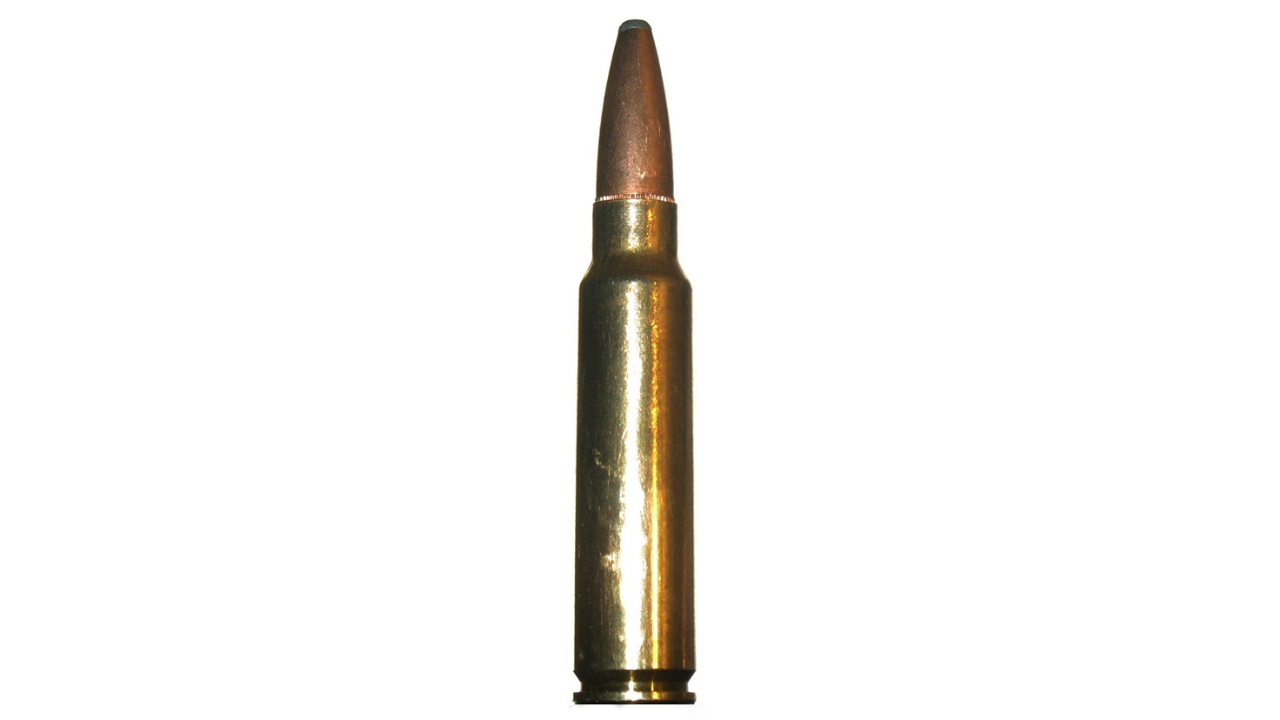
The .300 Savage once bridged the gap between the .30-30 and .30-06 perfectly. Hunters loved its mild recoil and solid energy in the woods, and it was a benchmark for early semi-autos like the Remington Model 81.
But by the time the .308 Winchester arrived, the .300 Savage was already fading. The .308 offered better ballistics and easier manufacturing, and the military connection guaranteed long-term support. Today, the .300 Savage hangs on through nostalgia and old Model 99s, but most shelves don’t stock ammo for it anymore. It’s a great round that time simply passed by.
.264 Winchester Magnum

The .264 Winchester Magnum once promised to be the future—flat, fast, and deadly on deer-sized game. It earned a reputation as a “barrel burner,” but that wasn’t entirely fair. The bigger issue was competition.
Hunters who wanted power went up to .300 mags, while those who wanted precision drifted toward the 6.5s. The .264 sat in an awkward middle ground—more recoil than the Creedmoor, less punch than the magnums. It’s still a fine round for long shots, but ammo scarcity and newer options have pushed it to the back of the line. The hype faded, but the performance never really did.
.22 Hornet

The .22 Hornet was once the darling of varmint and small game hunters. Quiet, light recoiling, and accurate out to 200 yards, it filled the gap between rimfires and centerfires perfectly. It had charm and efficiency.
Then came the .223 Remington and .204 Ruger, and suddenly the Hornet looked underpowered and expensive. Factory ammo dried up, and reloaders had better options. It still works well for fox or groundhog hunting, but its time as a mainstay is long gone. The .22 Hornet was gentle and efficient—but the modern world moved on to faster, flatter, and cheaper rounds.
.280 Remington

The .280 Remington had every reason to succeed—excellent ballistics, low recoil, and versatility for nearly any North American hunt. But it never caught on like it should have.
Marketing mistakes, confusing names (.280, 7mm Express, and back again), and poor timing left it in the shadow of the .270 and .30-06. The 7mm Rem Mag and .280 Ackley Improved finished it off. It’s still an excellent cartridge, but it’s no longer on most shelves or in most new rifles. The hunters who know its potential still love it, but most others have moved on to rounds that sell themselves.
.300 Weatherby Magnum

For decades, the .300 Weatherby Magnum was the ultimate reach-out-and-touch-it caliber. It carried power and speed to spare and reigned supreme among elk and moose hunters who wanted distance and authority.
But today’s options like the .300 PRC and .28 Nosler do the same job with better efficiency and cheaper ammo. The Weatherby kick and cost have driven many hunters away. It’s still a hammer in capable hands, but fewer people are willing to take the punishment—or pay the price—for what newer cartridges deliver more comfortably.
.348 Winchester
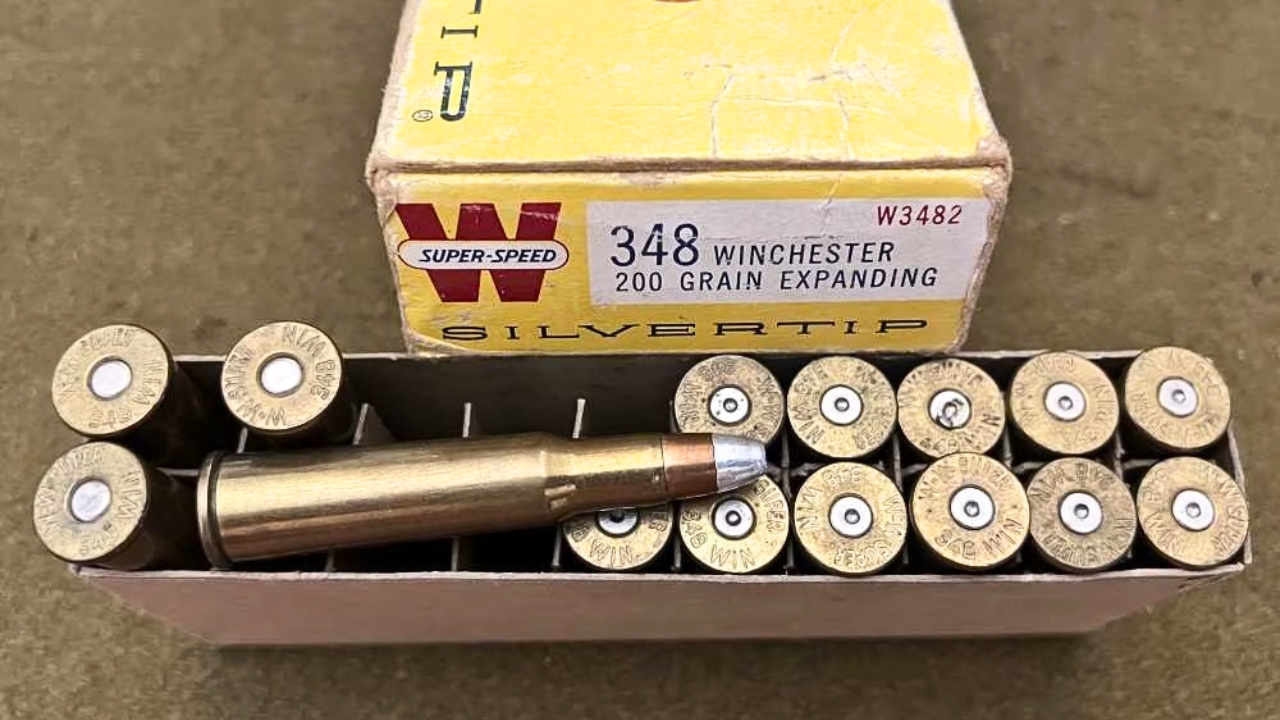
The .348 Winchester was the powerhouse lever-gun round of its day, offering impressive energy and deep penetration. In the big Model 71 Winchester, it could handle elk, moose, and bear without issue.
Its problem was timing. By the 1960s, the lever-action’s popularity was waning, and the .348 never transitioned into modern rifles. The heavy recoil and rare ammo sealed its fate. It’s a cartridge that’s still admired by collectors and diehards, but for most hunters, it’s a museum piece. A reminder of when big-bore levers ruled the woods.
.257 Roberts

The .257 Roberts was once the sweetheart of western deer and antelope hunters. It shot flatter than the .30-30, kicked less than the .270, and dropped game cleanly with proper placement. It had everything going for it—until it didn’t.
Factory loads stayed conservative, and the cartridge never kept pace with modern efficiency. The 6mm and 6.5mm crowd pushed it out, and ammo availability became spotty. It’s still one of the best-balanced small big-game rounds ever made, but new hunters don’t even know it exists. The Roberts didn’t die—it was ignored to death.
.444 Marlin

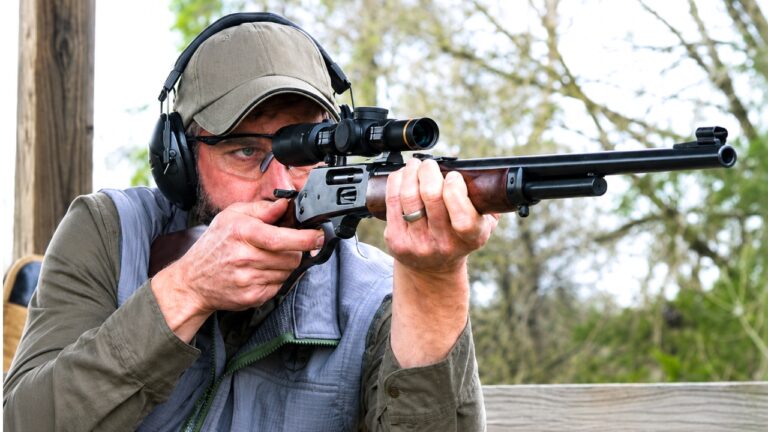
The .444 Marlin hit the scene as the “new big bore” in the 1960s, offering serious punch for brush country hunters. It worked well on hogs, deer, and even elk inside 150 yards, and it had a devoted following for decades.
But when the .45-70 made its comeback with modern loads, the .444 lost its reason to exist. It’s accurate, powerful, and reliable—but ammo is expensive and limited. Most lever fans now pick the .45-70 for nostalgia and flexibility. The .444 didn’t fail—it got replaced by the legend it once tried to beat.
.220 Swift

The .220 Swift was the first commercial cartridge to break 4,000 feet per second, and it earned a reputation for vaporizing varmints with ease. It was fast, flat, and way ahead of its time.
But it was also tough on barrels, and many hunters decided the performance wasn’t worth the maintenance. The .22-250 offered similar speed with fewer headaches, and the Swift faded into the background. It’s still lightning fast, but it’s more of a novelty than a necessity these days.
.358 Winchester

The .358 Winchester packed serious punch for a short-action round, and in lever and bolt guns, it made an excellent woods cartridge. For black bear and elk in heavy cover, it did exactly what hunters wanted.
But its popularity never reached critical mass. Ammo was hard to find, recoil was stout, and rifles were limited. When lighter, faster cartridges took over, the .358 was left behind. It still does its job perfectly—but most hunters now want flatter, not fatter, performance.
7×57 Mauser

The 7×57 Mauser was a legend in its day, known for mild recoil and excellent penetration. It built reputations on safaris and North American hunts alike. But factory ammo remained underloaded for safety reasons, and modern cartridges took its place.
While reloaders still love it, most hunters have never seen one in the wild. The 7mm-08 and 6.5 Creedmoor do everything it once did—just more efficiently. It’s still elegant and capable, but it’s another victim of the modern market’s obsession with “new.”
.303 British

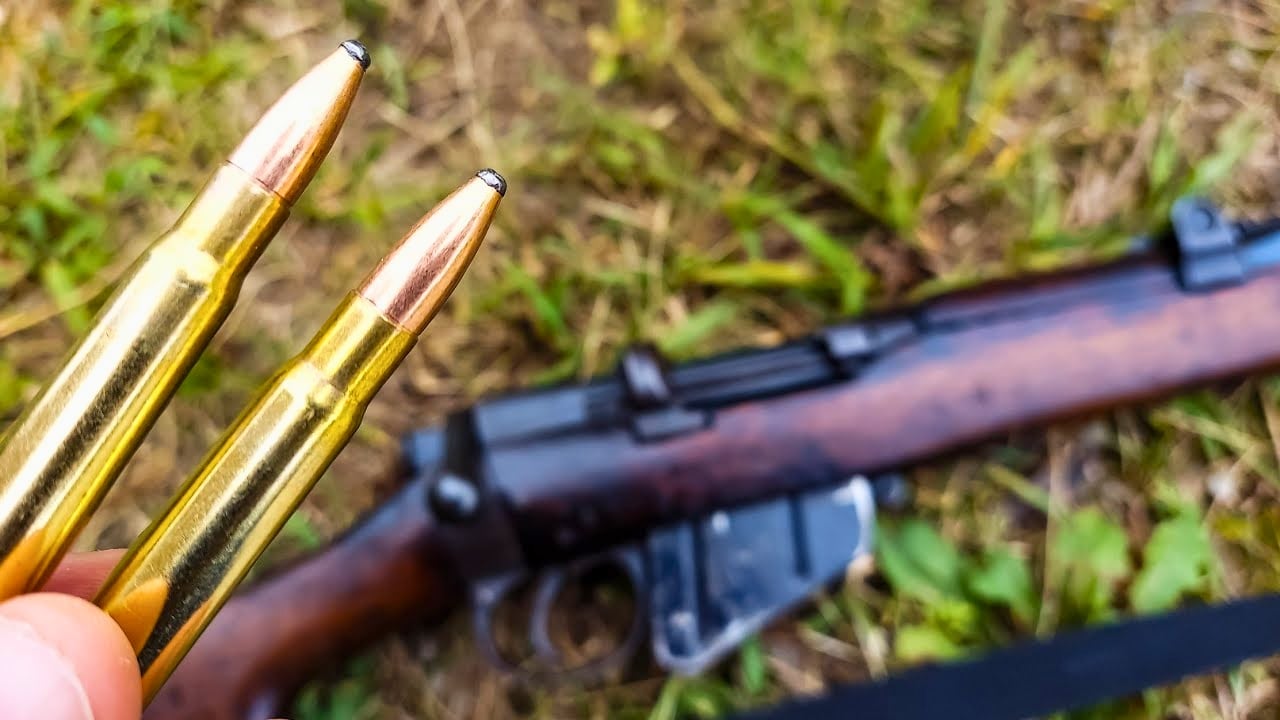
The .303 British fed armies and filled freezers across the globe. It was accurate enough, hit hard, and worked reliably through mud and grit. In its heyday, it was everywhere.
Now, it’s mostly a collector’s caliber. Surplus rifles are drying up, and factory ammo isn’t cheap or common. It still performs admirably on deer and hogs, but with limited rifles and costly brass, it’s no wonder hunters let it go. The .303 did its duty—and earned its retirement.
Like The Avid Outdoorsman’s content? Be sure to follow us.
Here’s more from us:
The worst deer rifles money can buy
Sidearms That Belong in the Safe — Not Your Belt
*This article was developed with AI-powered tools and has been carefully reviewed by our editors.