Photo credit: Gunlover/YouTube
Some handguns sound great until you actually put them through normal owner stuff. Not torture tests. Not internet fantasy drills. I mean basic range work, carry practice, reloads, holster use, cleaning, and comparing them against other pistols in the same price range.
That is usually where the letdown starts. A pistol can look modern, feel decent at the counter, and still become annoying fast once the trigger, recoil, magazines, controls, or reliability start showing up. These handguns are not all worthless, but they are the kind that can make buyers say, “I should have picked something else.”
Springfield Armory Hellcat Pro

The Hellcat Pro makes a lot of sense on paper. It gives you good capacity, a slim profile, an optics-ready slide, and a size that should work for concealed carry without feeling too small.
Then you start shooting it next to softer, flatter compact pistols and the shine can wear off. The grip feels good to some shooters, but the recoil impulse can feel snappier than expected for a pistol this size. The trigger is usable, not great, and the gun does not always feel as refined as its spec sheet suggests. It is practical, but it can disappoint fast if you expected it to shoot like a bigger gun.
SIG Sauer P365 SAS

The P365 SAS looked clever when it came out. A snag-free carry pistol with flush sights and a smooth profile sounded like a smart answer for people who wanted deep concealment without sharp edges.
The problem is that the sighting system is not for everyone. A lot of shooters find it slower, less precise, and harder to use well than normal sights. Once you start doing real range work, the slick concept can feel like a trade you did not need to make. The regular P365 models are already easy to carry, which makes the SAS feel like it solved one problem while creating another.
Taurus GX4

The Taurus GX4 gave buyers a tempting package: small size, good capacity, decent ergonomics, and a price that undercut a lot of bigger-name micro-compacts. At first glance, it looked like Taurus had finally made a serious modern carry pistol.
Some owners like them, but confidence can fade quickly when quality-control concerns or recall history enter the conversation. Even when the gun runs, the trigger and overall feel may not match what buyers get from more established micro-compacts. A defensive carry gun has to earn trust fast, and the GX4 can leave some owners wondering whether saving money was worth the doubt.
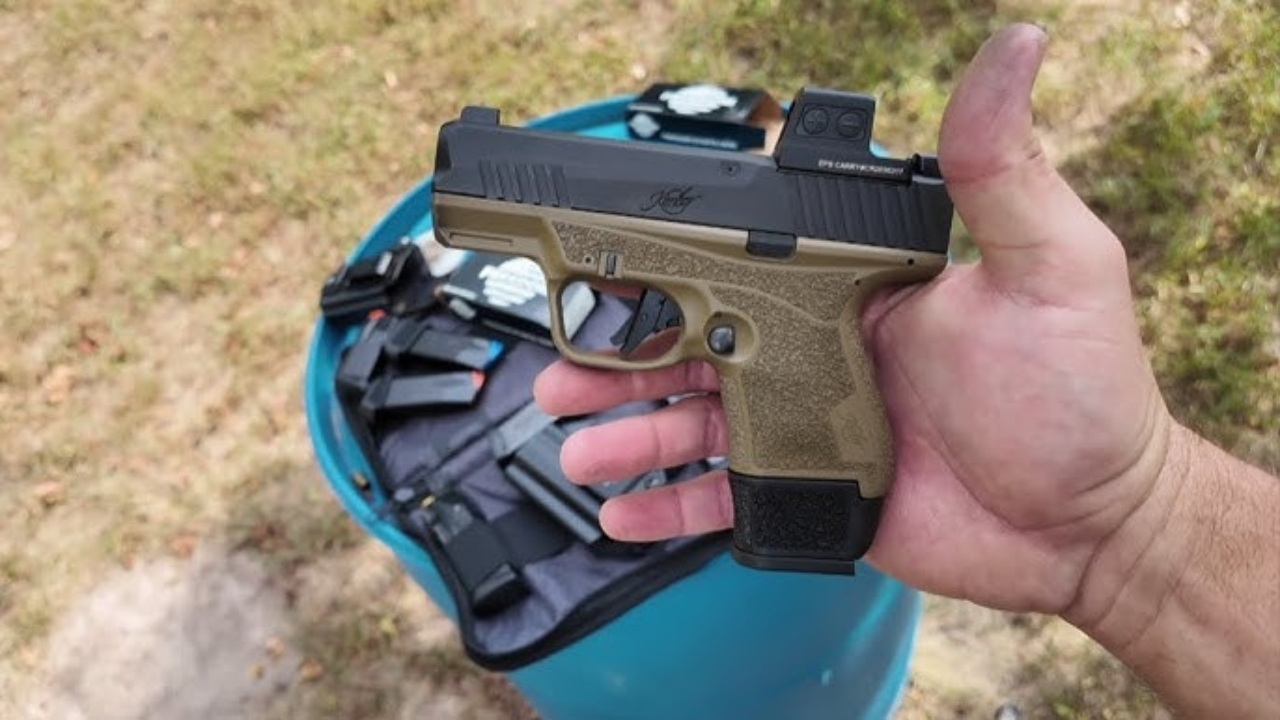
Kimber R7 Mako

The Kimber R7 Mako looked like Kimber’s chance to compete hard in the modern carry market. It had an enclosed slide design, optics-ready options, good capacity, and a shape that stood apart from the usual micro-compact crowd.
Then buyers handled and shot it, and not everyone felt the magic. The grip shape is odd to some hands, the styling is not universally loved, and the pistol never seemed to gain the same trust as the P365, Shield Plus, or Hellcat lines. It is not a terrible pistol, but for the price and Kimber name, many owners expected it to feel more polished and less awkward.
Mossberg MC2sc
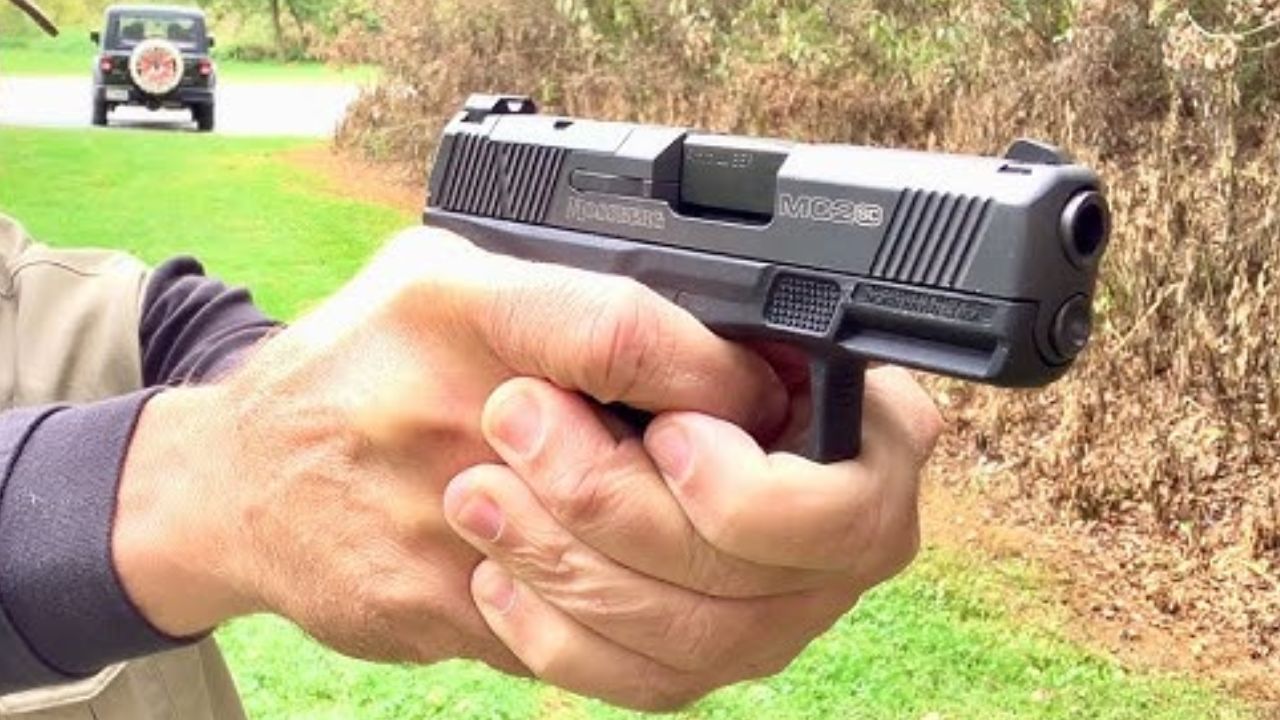
The Mossberg MC2sc came into a crowded carry market with solid features. It offered good capacity, optics-ready options, and a slimmer profile from a company better known for shotguns than pistols.
That last part is where some buyers hesitate after owning one. It works for plenty of people, but it does not always feel like it gives you a clear reason to pick it over more proven choices. The trigger, grip texture, and overall shooting feel are decent, not standout. In a market packed with strong carry guns, “decent” can start feeling disappointing quickly.
Ruger Security-9 Compact

The Ruger Security-9 Compact looks like an easy recommendation for someone wanting an affordable carry pistol from a known company. It is simple, reasonably sized, and usually priced where budget-minded buyers can justify it.
The disappointment comes when you compare it against newer carry pistols with better triggers, better sights, and more refined ergonomics. The Security-9 Compact can feel clunky, and the trigger is not exactly something that makes you want to shoot more. It may work fine for basic use, but it feels dated fast. Owners often realize they bought affordable when they really wanted confidence and shootability.
Smith & Wesson CSX
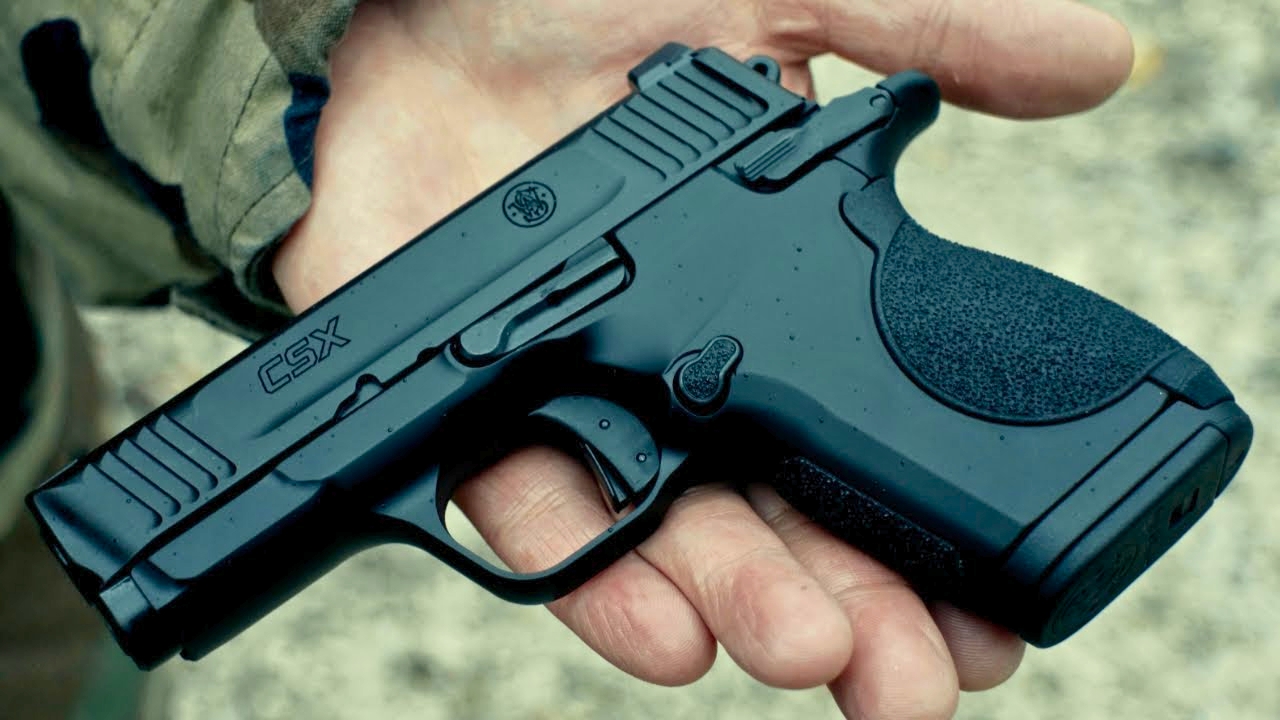
The Smith & Wesson CSX sounded like it should have been a home run. An aluminum-frame micro 9mm with good capacity, small size, and 1911-ish controls had a lot of people interested before they ever shot one.
Then the trigger became the conversation. The reset feel and overall trigger behavior turned off a lot of shooters who expected something cleaner from a single-action-style pistol. The controls are also small, and the whole gun can feel a little confused between classic and modern ideas. It is compact and interesting, but after range time, many owners came away wishing it felt as good as it sounded.
FN Reflex
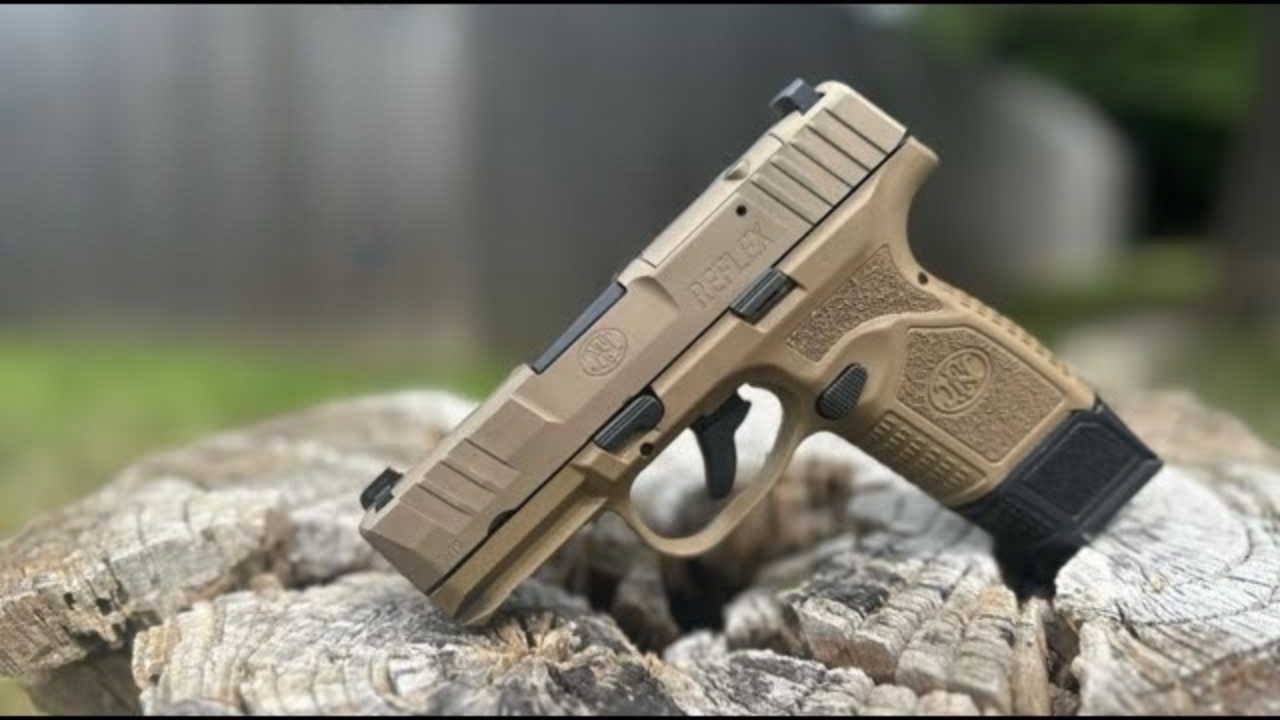
The FN Reflex arrived with a strong name behind it and a feature set that looked ready for the micro-compact fight. Good capacity, internal hammer-fired design, optics-ready options, and FN branding made it easy to get excited.
But some shooters find the trigger feel, recoil, and grip behavior less impressive than expected. The pistol can be quick, but it does not automatically feel easier to shoot than the leaders in the category. When a newer carry gun shows up late to a crowded market, it has to be clearly better. For some owners, the Reflex feels good enough, but not good enough to justify switching.
SIG Sauer P322

The SIG Sauer P322 looked like a fantastic rimfire pistol on paper. High capacity, optics-ready slide, threaded barrel, and modern controls gave it everything a fun .22 pistol should have.
The issue is that rimfire guns live or die by reliability. Some P322 owners have reported ammo sensitivity, feeding issues, or magazine-loading quirks that make the pistol feel more fussy than fun. A .22 pistol should make range days cheaper and easier. When it turns into a troubleshooting session, the disappointment shows up fast. The features are strong, but features do not matter much if the gun keeps interrupting practice.
Springfield Armory XD-M Elite 3.8 Compact
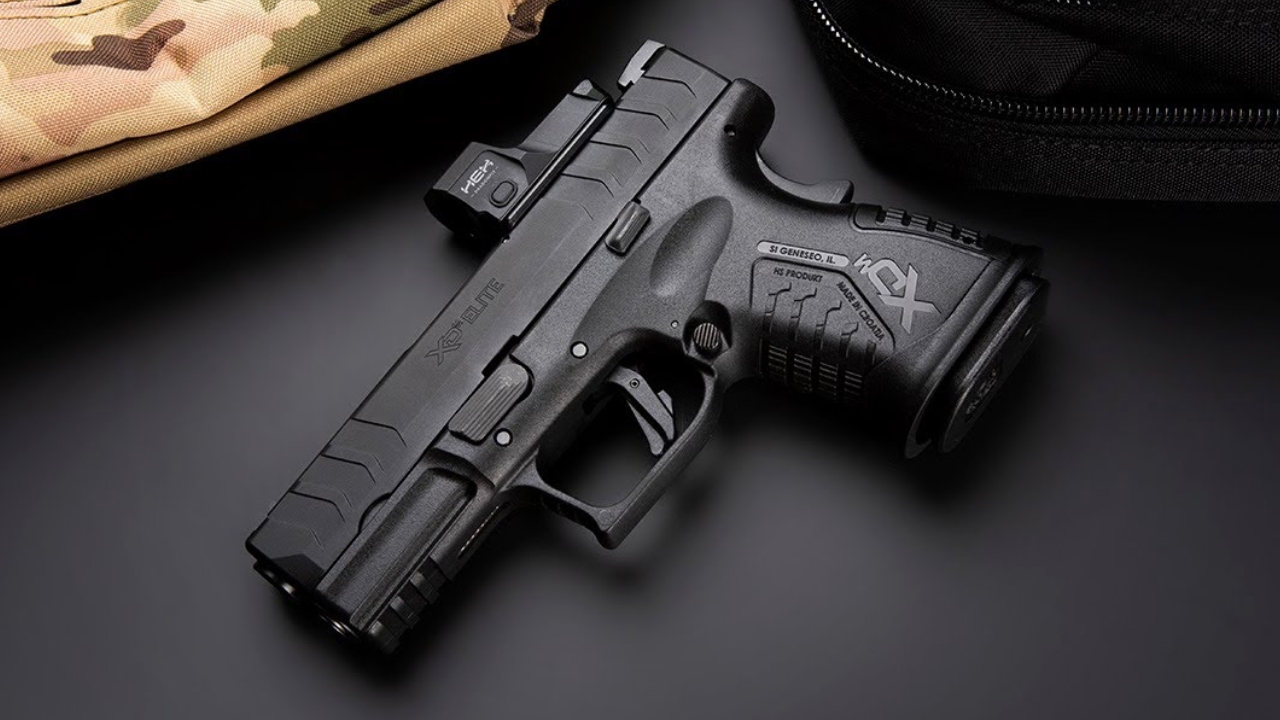
The XD-M Elite 3.8 Compact looks like a capable carry and home-defense pistol with plenty of capacity, aggressive grip texture, and a modernized version of the XD layout. It is not short on features.
The problem is that it can feel bulky for what it does. The grip safety still turns off some shooters, the slide sits high, and the whole package does not feel as clean as newer competitors. It shoots fine, but it can feel like you are carrying more gun than necessary without getting a major payoff. Once you compare it with leaner compact pistols, the XD-M Elite can start feeling behind.
Walther CCP M2

The Walther CCP M2 sounds great for newer shooters or anyone who wants an easier slide and softer recoil. The gas-delayed system gives it a different pitch than the usual compact 9mm crowd, and the Walther name brings high expectations.
Then owners realize the whole pistol is not as polished as they hoped. The trigger is not the crisp Walther trigger people expect, the gun is larger than its capacity suggests, and cleaning can feel more involved than it should. It does have a purpose, especially for recoil-sensitive shooters, but many buyers expect a smoother, simpler experience than the CCP M2 delivers.
Remington RM380

The Remington RM380 looked like a decent little pocket pistol when buyers wanted something small, metal-framed, and simple. It had a serious look, and the Remington name still carried weight with some people.
In use, it can feel underwhelming quickly. The trigger is long, the sights are tiny, and the whole pistol reminds you that pocket .380s are usually compromises. It may carry easily, but it does not invite much practice. That matters because a defensive pistol you do not want to shoot is hard to trust. After a few range trips, plenty of owners start looking at newer .380s or small 9mms instead.
Beretta APX Carry
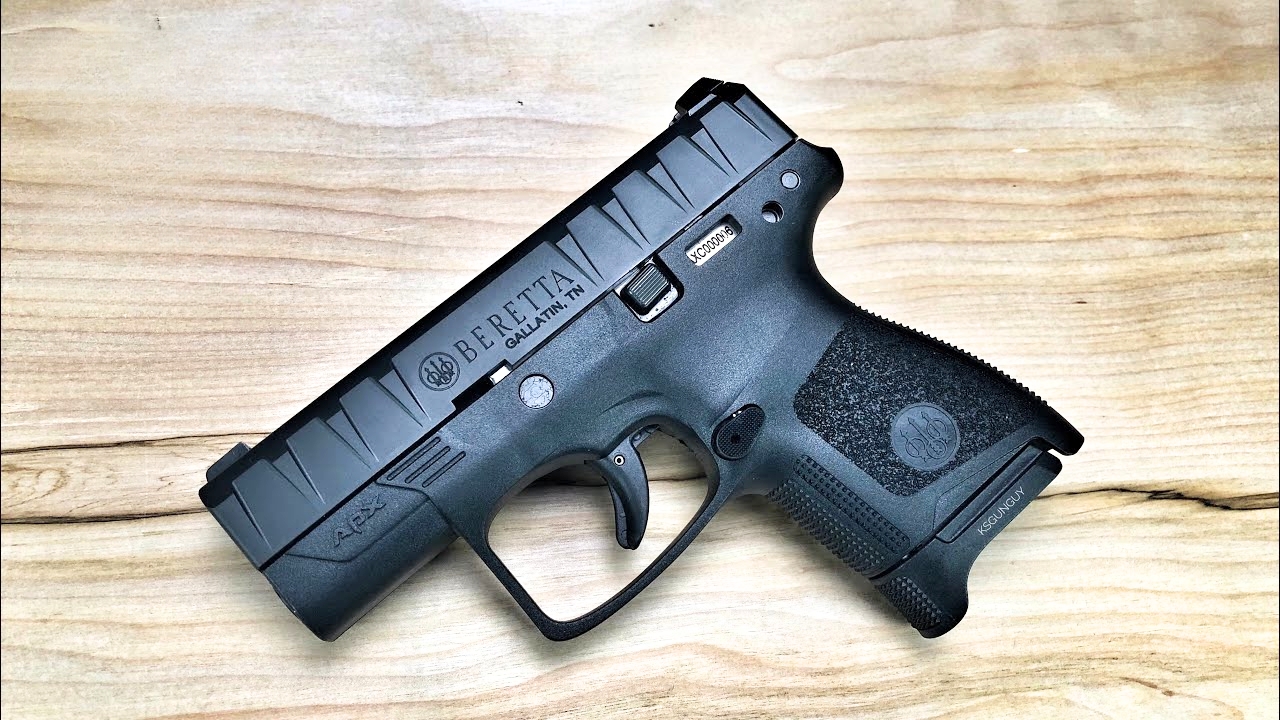
The Beretta APX Carry had a major brand behind it and a carry-friendly size, so it looked like it should compete well in the single-stack 9mm world. It also had that distinctive APX slide treatment, which helped it stand out.
The trouble is that it never really felt special on the range. The trigger is not especially good, the capacity is dated by modern standards, and the shooting experience can feel rough compared with newer micro-compacts. Beretta makes some excellent pistols, but this one never felt like the best version of what Beretta can do. It disappoints because the name makes you expect more.
Diamondback DB9 Gen 4

The Diamondback DB9 Gen 4 keeps the same basic temptation that made the DB9 interesting in the first place. It is tiny, light, and gives you 9mm power in a package that almost disappears.
That is also the problem. The pistol is sharp to shoot, hard to run well for long sessions, and not especially forgiving if your grip gets lazy. Small carry guns always come with tradeoffs, but the DB9 pushes those tradeoffs hard. It may be convenient to carry, yet many owners quickly realize they do not enjoy practicing with it. A gun that punishes practice can disappoint fast.
Canik Mete MC9
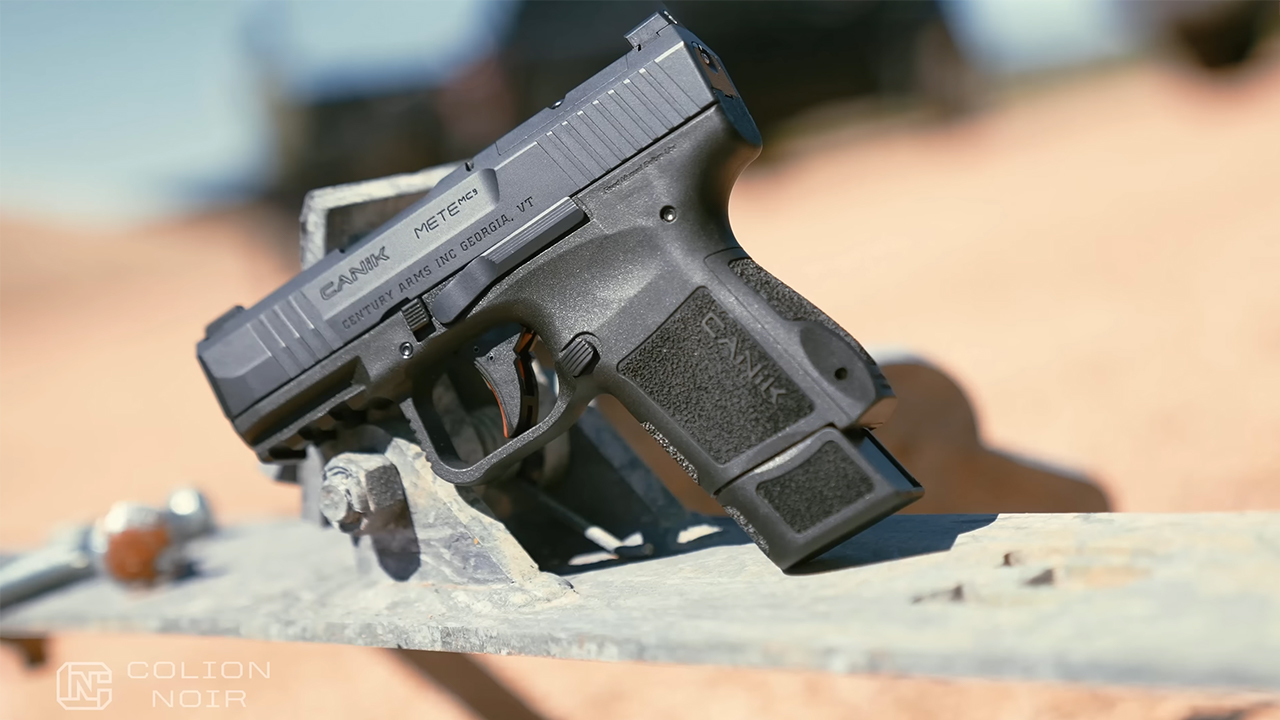
The Canik Mete MC9 got attention because Canik usually gives buyers a lot for the money. Good trigger reputation, optics-ready setup, strong capacity, and a modern carry size made it look like a serious micro-compact value.
But the early owner experience has not been perfect for everyone. Some shooters have reported reliability problems, return-to-battery issues, or finicky behavior that hurts confidence in a carry gun. When Canik gets it right, the value is hard to ignore. When a small defensive pistol acts questionable early, the bargain starts feeling less important. A carry gun has to earn trust before it earns praise.
Like The Avid Outdoorsman’s content? Subscribe to our newsletter so you never miss an article.
Here’s more from us: