Photo credit: The Avid Outdoorsman
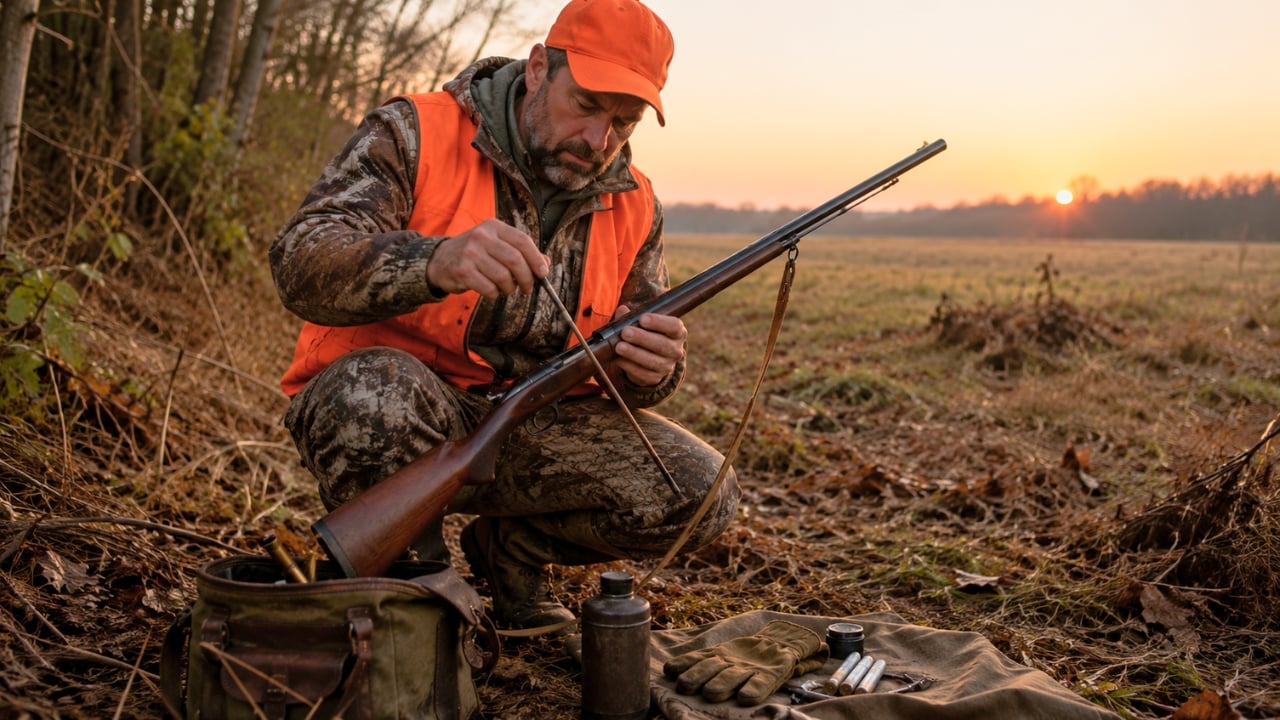
The muzzleloader hunter knew something was wrong before he ever got a shot.
That is the special headache with muzzleloaders. A modern rifle usually tells you pretty quickly when it is loaded, unloaded, jammed, or ready. A muzzleloader asks you to build the whole shot in the right order and trust yourself not to mess up one basic step before daylight, in the cold, while your brain is still waking up.
Powder first.
Then bullet.
He got that order wrong.
In a Reddit thread, hunters were swapping funny mistakes from the field, and one story involved a muzzleloader hunter who loaded the bullet before the powder. That may sound like a small mistake if you have never dealt with a muzzleloader, but it is the kind of thing that can stop the whole morning cold.
Because once that bullet is seated down the barrel with no powder behind it, you do not have a loaded hunting gun.
You have a problem.
Muzzleloaders are simple in theory, but they demand a routine. Charge the barrel with powder or pellets, seat the projectile firmly on top, prime the gun, and then shoot when ready. Skip one step or do them out of order, and the whole thing becomes a field project instead of a hunt.
That is exactly what happened here.
You can picture the moment. He is getting ready, probably trying to be quiet and efficient before the morning gets going. Maybe it is cold. Maybe he is thinking about where deer will come from. Maybe someone is waiting on him. He grabs the bullet, starts it, rams it down, and then realizes the powder never went in.
That is the kind of realization that makes a man stare at the ramrod like it personally betrayed him.
Now he has to fix it.
And fixing a muzzleloader mistake in the field is not usually quick or graceful. Depending on the gun and what tools he has, he may need a bullet puller, a CO2 discharger, a range rod, or some other way to get the projectile out safely. If he does not have the right tool, the hunt may be over before it starts. If he does have it, he still has to stop, work carefully, and hope he does not make the problem worse.
That is a rough way to start opening morning.
It is also the kind of mistake that happens because muzzleloader hunting has more steps than people expect. You are not just loading a cartridge. You are managing powder, bullets, primers, ramrods, tools, and cleaning habits. You are keeping components dry. You are checking that the bullet is seated correctly. You are trying not to contaminate powder or forget the primer. There are more little ways to mess up.
And the woods loves little mistakes.
The funny part is that this one is embarrassing without being dangerous if handled correctly. The hunter did not fire with an obstruction in the bore. He did not double-charge it. He did not shoot at a deer and find out the gun was dead. He caught the problem as a loading mistake and had to deal with it.
Still, it had to sting.
Muzzleloader hunters take pride in doing things the old-fashioned way, or at least the more hands-on way. There is a rhythm to it. A process. A feeling that you are more involved in the shot from start to finish. But that same process will humble you fast if you lose focus.
This is why a lot of muzzleloader hunters build little rituals. Powder in one hand, bullet in the other. Same order every time. Say it out loud if needed. Mark the ramrod so you can tell if the gun is loaded correctly. Keep components organized so you are not fumbling through loose items in a pocket. Do not talk during loading if you are the type to get distracted. Do not rush because legal light is coming up.
A marked ramrod is especially useful. It can tell you if the barrel is empty, properly loaded, or has something seated wrong. If the mark does not line up where it should, stop and figure out why. That one little habit can catch a lot of trouble before it becomes worse.
The bullet-before-powder mistake is annoying, but it is better than several alternatives. Forgetting to load at all. Double-loading. Leaving an air gap. Loading with wet powder. Forgetting the primer when a deer steps out. Any of those can ruin a hunt, damage equipment, or create safety problems.
This one mainly damaged pride.
And you know the hunter’s buddies were not going to let it go. Muzzleloader camp already has enough room for teasing. If someone finds out you rammed a bullet down the barrel before adding powder, every future loading routine becomes a spectator sport. Someone will ask if you need a recipe card. Someone will say, “Powder first,” every time you touch the gun. Someone will probably offer to label the barrel.
That is how these mistakes become permanent.
But honestly, a mistake like this can make a person better. It forces a slower routine. It makes you carry the right tools. It reminds you that muzzleloaders are not forgiving of half-attention. And it teaches the lesson before a deer is standing there and the hunter hears only a click or gets no shot at all.
Opening morning turned into a field fix.
Embarrassing? Absolutely.
Useful? Also yes.
Commenters treated it like a classic muzzleloader mistake — funny, frustrating, and easy to imagine if you have ever loaded one while distracted.
Several hunters said muzzleloaders demand a strict routine because the loading process has more steps than a regular rifle. Powder, bullet, primer, ramrod, seating depth, and moisture all matter. Skip the order once and the hunt can stall immediately.
Others pointed out the value of carrying the right tools. A bullet puller, CO2 discharger, or whatever works with the specific setup can save a hunt when a loading mistake happens. Without the right tool, one backwards step can send you home.
A lot of practical advice came back to marking the ramrod. A clear mark shows where the rod should sit when the gun is properly loaded. If it sits too high or too low, something is wrong and needs attention before the gun is fired.
Some commenters joked because the mistake was embarrassing but not tragic. The hunter caught it before firing, which made it a lesson instead of a disaster.
The main takeaway was simple: muzzleloaders reward slow, repeatable habits. Powder first, bullet second, and no rushing just because daylight is coming.