Photo credit: Sportsman's Outdoor Superstore
Every gun owner has chased one of those “must-have” pistols that turned out to be more disappointment than dream. Maybe it looked great on paper or had rave reviews online—but in your hands, it just didn’t deliver. Sometimes the trigger feels off, the reliability isn’t there, or the accuracy doesn’t match the price tag. Other times, it’s all marketing and no substance. These are the handguns that promised performance, precision, or carry comfort and ended up collecting dust in the back of the safe.
A handgun doesn’t have to be bad to underperform—it just needs to miss expectations. And in today’s market, with so many options that actually deliver, it’s easy to spot which ones got more attention than they deserved. Whether it’s poor ergonomics, finicky ammo tolerance, or heavy triggers, these are the pistols that prove hype doesn’t equal quality.
Kimber Solo Carry

When Kimber released the Solo Carry, it was marketed as the perfect blend of luxury and practicality—a premium micro 9mm for concealed carry. But in reality, it quickly became known for reliability issues. The pistol was extremely picky with ammunition, often failing to cycle anything other than expensive, high-pressure defensive loads. Even then, many owners dealt with jams and failure-to-feeds that made it hard to trust.
Its trigger pull was smooth but heavy, and maintenance wasn’t simple for a gun its size. What really doomed it, though, was inconsistency. Two identical guns could behave completely differently. Some ran okay, most didn’t. The Solo proved that high-end branding doesn’t always mean dependable engineering. Many who bought it for EDC switched back to their Glocks, SIGs, or Shields after one frustrating range trip too many.
Remington R51

The Remington R51 looked promising—retro lines, affordable price, and an innovative locking system. But what hit the market was one of the most problematic semi-autos in recent memory. Early models were plagued with feeding, firing, and ejection issues. The slide could jam mid-cycle, magazines seated inconsistently, and even disassembly was a nightmare for many owners.
Remington pulled the pistol from production, promising fixes, but even the second-generation R51 never fully redeemed itself. Accuracy was decent when it worked, but reliability is non-negotiable in a carry gun. Many shooters wanted to love it for its sleek design and old-school appeal, but the performance was never stable. The R51 is one of those pistols that had all the right marketing—and none of the field results to back it up.
Taurus Spectrum

The Taurus Spectrum was supposed to modernize the pocket pistol world with its soft edges, color inserts, and ergonomic grip panels. What shooters got instead was a gun that looked sleek but didn’t run smoothly. The trigger was long, mushy, and inconsistent, and many users reported light primer strikes and feeding problems within the first few magazines.
The gun’s futuristic polymer feel didn’t help its poor shooting experience. It was uncomfortable under recoil and lacked the crisp control of other micro .380s like the Ruger LCP II or S&W Bodyguard. On top of that, magazines often failed to drop free. The Spectrum was proof that appearances don’t mean performance. It promised comfort and reliability but delivered frustration—and most shooters abandoned it after a couple of range trips.
Colt All-American 2000

The Colt All-American 2000 was hyped as Colt’s big return to the modern handgun market, but it quickly turned into one of the company’s most embarrassing failures. Designed by Eugene Stoner and Reed Knight, it had pedigree—but that didn’t save it from poor execution. The trigger was heavy and spongy, accuracy was mediocre, and reliability issues were constant.
Colt’s manufacturing inconsistencies made the problems worse. Early models suffered from loose tolerances, leading to feeding malfunctions and erratic cycling. Despite its futuristic design, the gun never performed at the level its name suggested. Shooters expecting a top-tier Colt pistol found something that felt like an unfinished prototype. Within a few years, it disappeared entirely, leaving behind a hard lesson about overpromising and underdelivering.
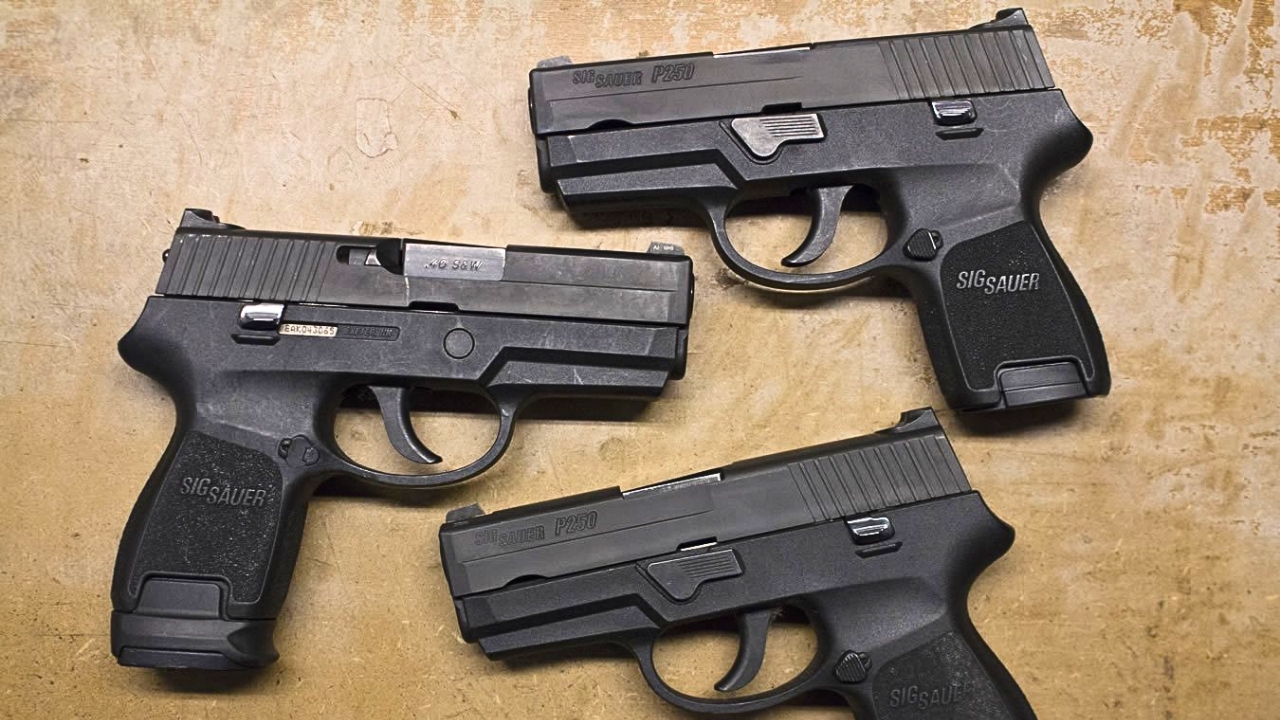
SIG Sauer P250

The SIG P250 had potential—a modular design, interchangeable grip frames, and the SIG logo to back it up. But when it hit the market, the double-action-only trigger turned off almost everyone. It was long, heavy, and reset poorly, making quick and accurate shooting difficult. The modularity was interesting but impractical for most users, and reliability was spotty across calibers.
SIG later learned from this project when developing the P320, which went on to huge success. But the P250 became known as the SIG that couldn’t quite get it together. Many shooters bought it for the brand name and modern concept, only to find themselves fighting the trigger and second-guessing their purchase. It’s a perfect example of a pistol that sounded better in theory than it performed in the real world.
Walther CCP (First Generation)

Walther’s first-generation CCP (Concealed Carry Pistol) was meant to offer soft recoil and great ergonomics through its gas-delayed blowback system. Unfortunately, the design created more problems than it solved. The disassembly process was overly complicated, often requiring a special tool. Even worse, the early models suffered from heat buildup and trigger resets that felt sluggish and unpredictable.
While the pistol’s grip was excellent and recoil was mild, reliability suffered when the gun got dirty or overheated. Many users also complained about light primer strikes and stovepipes with defensive ammo. Walther eventually corrected most of these issues in the CCP M2, but the original model left a bad taste in the mouths of early buyers. It looked and felt premium, but the performance didn’t live up to the reputation of its nameplate.
Desert Eagle .50 AE

The Desert Eagle is a movie star’s gun, not a hunter’s or defender’s. On screen, it’s iconic. In real life, it’s unwieldy, heavy, and finicky about ammo. Its massive gas-operated design requires specific loads to cycle properly, and even then, fouling can cause malfunctions. Most shooters quickly realize it’s more of a novelty than a practical firearm.
Weighing over four pounds loaded, the Desert Eagle is nearly impossible to shoot quickly or carry comfortably. It’s accurate when benched, but the recoil and muzzle blast make it tiring after a few rounds. The hype comes from its raw power and appearance, but the real-world usability falls short. Most owners love showing it off—but few actually shoot it often.
Smith & Wesson Sigma Series
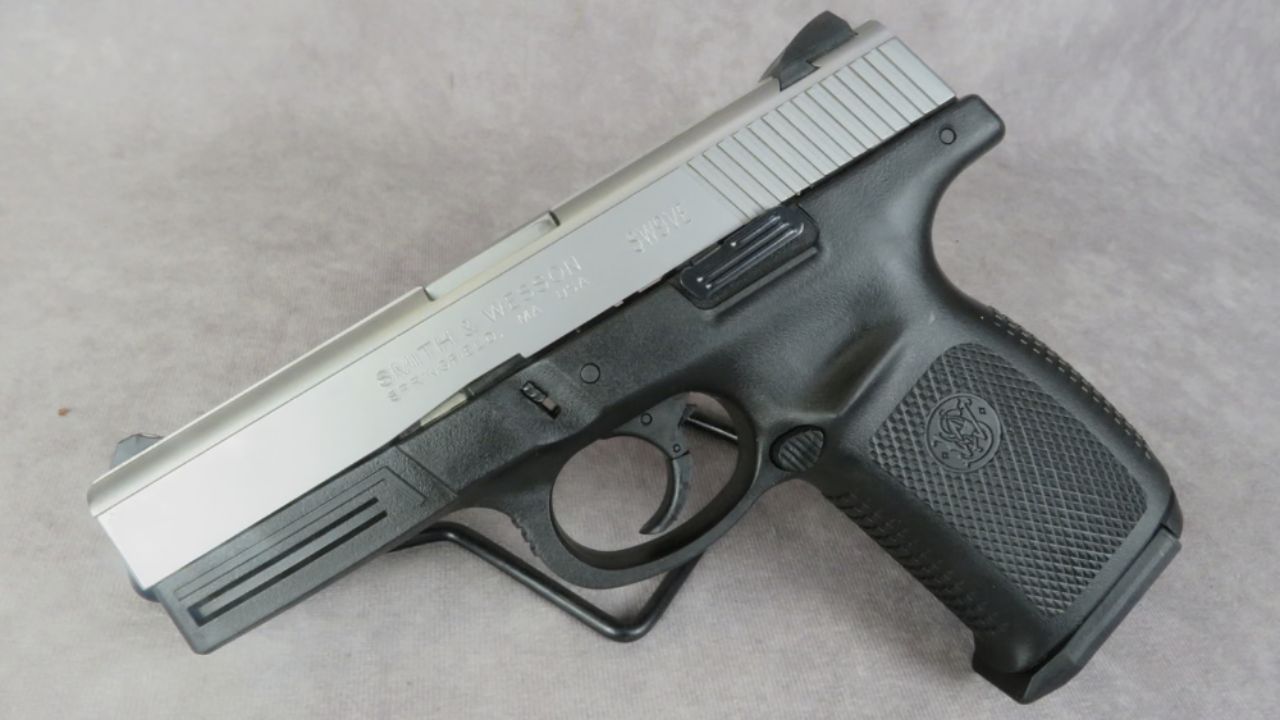
Before the M&P line, Smith & Wesson tried to compete with Glock using the Sigma series—and it didn’t go well. The Sigma was affordable but plagued with an atrocious trigger pull that felt like dragging a cinder block. The reset was unpredictable, accuracy was mediocre, and reliability wasn’t on par with its competitors.
While it borrowed heavily from Glock’s design, the Sigma lacked refinement. Early models had lawsuits tied to patent infringement, and even after redesigns, the pistol never escaped its reputation as “the cheap Glock knockoff.” Many budget shooters bought it expecting S&W performance, but they got a handgun that was reliable only if you were willing to fight the trigger every step of the way.
KelTec PF-9

The KelTec PF-9 made headlines for being one of the thinnest and lightest 9mm pistols available, but that lightweight design came with trade-offs. The recoil is punishing for its size, the trigger is long and gritty, and the overall build quality feels fragile. While some examples run fine, many users experienced failure-to-feed and failure-to-extract issues after a few hundred rounds.
The PF-9 can work in a pinch as a pocket or backup gun, but it’s not something most people enjoy shooting. Its small frame magnifies every bit of recoil, and the stiff slide spring makes racking it difficult. Many buyers picked one up because of the hype around its concealability—only to find that it’s better left in the safe than in a waistband.
FN Five-seveN

The FN Five-seveN is a fascinating pistol with a loyal fan base—but it’s not the world-beater it’s often made out to be. It fires the high-velocity 5.7x28mm cartridge, which looks impressive on paper but delivers mixed results in real-world use. The round’s lightweight bullet lacks consistent stopping power compared to traditional defensive calibers like 9mm or .45 ACP.
The pistol itself is large, with a long trigger pull and an oddly plastic feel. Its cost is another barrier—both the gun and ammo are expensive. While it’s flat-shooting and accurate, its supposed advantages don’t translate well outside of niche use. It’s a fun range toy and an engineering feat, but as a carry or defensive gun, it simply doesn’t deliver what the marketing suggests.
Springfield Armory XD-E

The Springfield XD-E promised a compact, hammer-fired option for those who preferred DA/SA triggers. The concept sounded great, but execution fell short. The trigger pull was heavy in double-action, and the decocker placement felt awkward. The slide serrations were too aggressive for such a small frame, making it uncomfortable to handle.
While it was reliable, the shooting experience wasn’t pleasant. The high bore axis and sharp recoil impulse made it harder to control than comparable guns in the same class. It never found a dedicated audience because it didn’t excel in any one category—it wasn’t as smooth as a SIG, as easy as a striker gun, or as light as a true pocket pistol. It came and went quickly, leaving few hunters or shooters missing it.
Ruger SR9c

The Ruger SR9c came with plenty of praise when it launched—a compact, affordable 9mm with great ergonomics and capacity. But in practice, it was plagued by trigger inconsistency and a mushy break that hurt accuracy. Some users reported magazine feeding issues, especially with cheaper ammo.
The slide serrations and grip felt good, but the overall design lacked refinement compared to competing models from Glock or Smith & Wesson. It’s a gun that does everything “okay” but nothing exceptionally well. For a pistol that got so much early buzz, the SR9c failed to impress in long-term reliability and shooting comfort. It’s another example of how early hype can overshadow lasting performance once the real-world testing begins.
*This article was developed with AI-powered tools and has been carefully reviewed by our editors.