Photo credit: Jordi Mora/Shutterstock.com
Picking out a modern hunting rifle isn’t just about looks or price. There’s a lot riding on the right choice—accuracy, comfort, and how well it fits your style in the field. Whether you’re chasing whitetail or dialing in on coyotes, the right rifle can make the whole experience smoother.
You don’t need the most expensive gun out there, but you should know what to look for. From how it feels in your hands to what kind of action it has, small details can really make a difference when it’s go-time.
Weight and Balance Matter More Than You Think

A lightweight rifle sounds great—until it’s too light and jumps around when you shoot. On the flip side, a heavier gun can be steady but a pain to carry all day. Finding a balance that works for your hunt is key.
Shouldering the rifle should feel natural. If it tips forward or feels off-center, it’ll wear on you fast. Try it out fully geared up like you would in the woods to see how it really feels.
Get a Stock That Actually Fits You

The stock isn’t just there to look nice. If it’s too long, short, or awkward, you’ll notice every time you take a shot. A good fit helps you shoot more comfortably and consistently.
Some modern rifles come with adjustable stocks or spacers—don’t ignore those options. A stock that fits your body and shooting position can mean faster target acquisition and better accuracy when it counts.
Trigger Pull Should Be Crisp and Predictable

You shouldn’t have to guess when your trigger’s going to break. A clean, consistent trigger helps you stay on target and prevents flinching. Mushy or heavy triggers can throw your shot off more than you’d think.
Many factory rifles now come with adjustable triggers, and it’s worth testing one out if you can. If you don’t like the trigger from the get-go, that rifle probably isn’t the one.
Don’t Overlook the Action Type

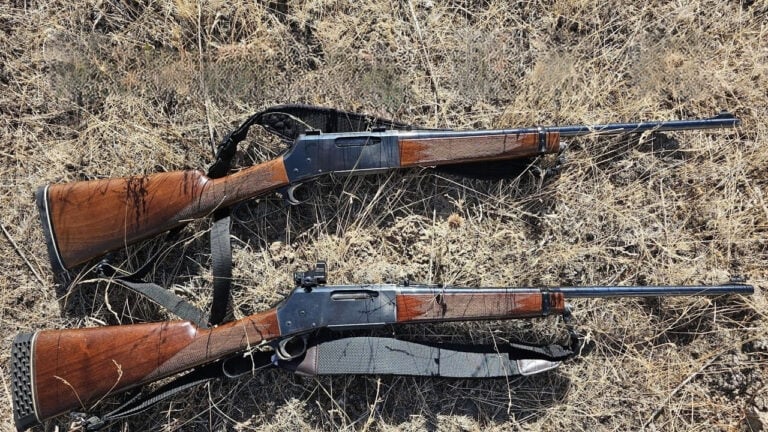
Bolt, lever, semi-auto—each has its pros and cons. Bolt actions are common for their reliability and accuracy, but they’re not the fastest. Lever and semi-autos can offer quicker follow-up shots, but might sacrifice a little precision.
Think about what you’re hunting and what kind of terrain you’ll be in. If you’re stalking or taking quick shots, faster cycling might help. For long-range setups, bolt action is often the go-to.
Barrel Length Affects More Than Just Looks

A longer barrel might give you better velocity and accuracy at distance, but it’s also going to be heavier and harder to maneuver. Shorter barrels are easier in tight spots but may give up a bit on range and power.
There’s no perfect length for everyone. Somewhere between 20 and 24 inches is a solid middle ground for most hunting. Just make sure it feels right when you shoulder and swing it.
Accuracy Right Out of the Box

Some rifles need a bunch of tweaking to shoot straight. Others are good to go with factory loads and a decent optic. Look for a rifle with a good reputation for accuracy right out of the box—especially if you’re not into custom tuning.
You’ll still need to test and dial it in, but a rifle that can stack shots without much fuss is a big plus. Check reviews, but also try it out yourself if possible.
Choose a Caliber That Matches Your Game
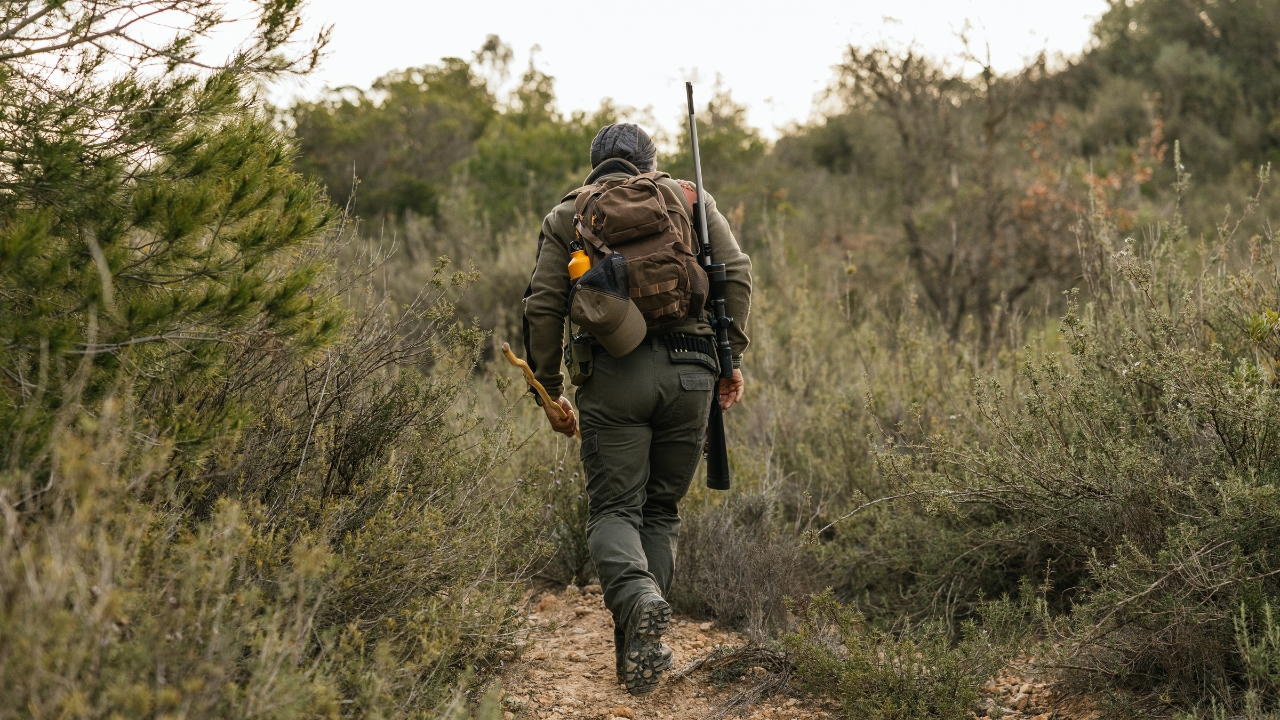
Bigger isn’t always better. A .300 Win Mag might be overkill for deer and could rattle your shoulder more than you want. On the other hand, using a .223 on elk is asking for a problem.
Stick with a cartridge that’s suited for your target and the terrain. A .308, .270, or 6.5 Creedmoor are all solid, versatile options depending on what you’re chasing.
Think About Weather Resistance

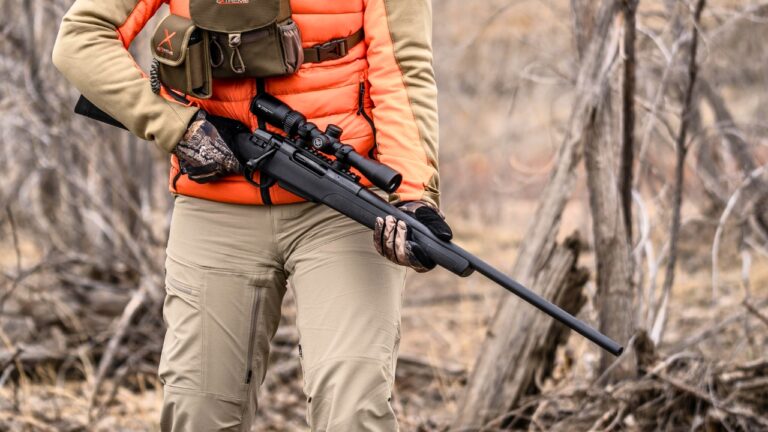
You never know what the weather’s going to do. A rifle that holds up to rain, snow, and dust without rusting or seizing up is worth its weight in tags. Stainless barrels and synthetic stocks are great for that.
Wood looks nice, but it can swell or warp when it gets wet. If you’re hunting in tough conditions, go with something that’s built to handle the elements without babying it.
Mounting Optics Should Be Easy

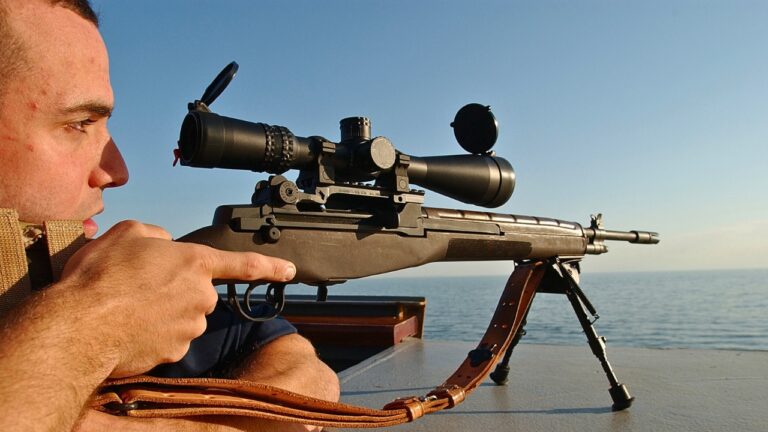
If adding a scope turns into a headache, that’s a red flag. Most modern rifles come drilled and tapped for mounts, but check what’s compatible before you buy. You’ll want a solid, secure setup that holds zero.
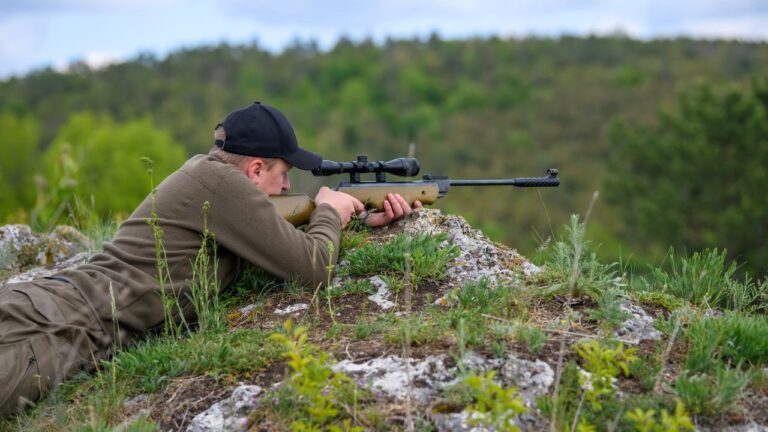
Also, consider the height and comfort of your cheek weld with your optic in place. If it feels awkward or forces your head too high, you’ll have a tough time getting accurate shots.
Magazine Capacity and Type

Some hunts are one-shot deals, others can get a little fast-paced. A detachable box magazine makes reloading quick, but some hunters prefer internal mags for simplicity. Think about your situation and what makes the most sense.
Capacity matters too. If you’re hunting in a state with limits, don’t buy a mag that holds too many rounds. It’s one of those details that’s easy to overlook until you’re in the field.
*This article was developed with AI-powered tools and has been carefully reviewed by our editors.