Photo credit: Savage Arms
If you’ve ever spent time tracking a wounded deer or hog through thick brush, you know there are certain calibers that earn an eye roll from anyone holding a blood light. These are the rounds that don’t leave much sign, don’t make clean exits, and don’t drop animals like they should. Trackers can tell right away when someone picked the wrong bullet for the job—tiny drops of blood, long trails, and animals hit “perfectly” that run out of sight.
Most of the time, it’s not the hunter’s aim that causes the problem—it’s the cartridge choice. Some rounds simply don’t carry the weight, velocity, or penetration to make an ethical kill. Others fragment or expand too quickly, leaving shallow wounds that seal up fast. If you’ve ever seen a seasoned tracker shake his head at a cartridge, there’s probably a reason. These are the rounds that leave more frustration than recovery photos.
.223 Remington (with light varmint bullets)

The .223 can kill cleanly when used right, but too many hunters load it with fragile varmint bullets. Those lightweight projectiles explode on contact, leaving minimal penetration and poor blood trails. On coyotes, they’re deadly. On deer, they too often result in long, miserable tracking jobs. The wound might look devastating at first, but the bullet rarely reaches both lungs.
Trackers know the signs—a small entry, no exit, and spotty blood that fades after 50 yards. With bonded or monolithic bullets, the .223 can get the job done, but with soft-jacketed varmint rounds, it’s a heartbreaker. It’s one of the most common mistakes new hunters make: assuming accuracy equals lethality. It doesn’t, and the .223 with the wrong bullet proves it every season.
.22-250 Remington
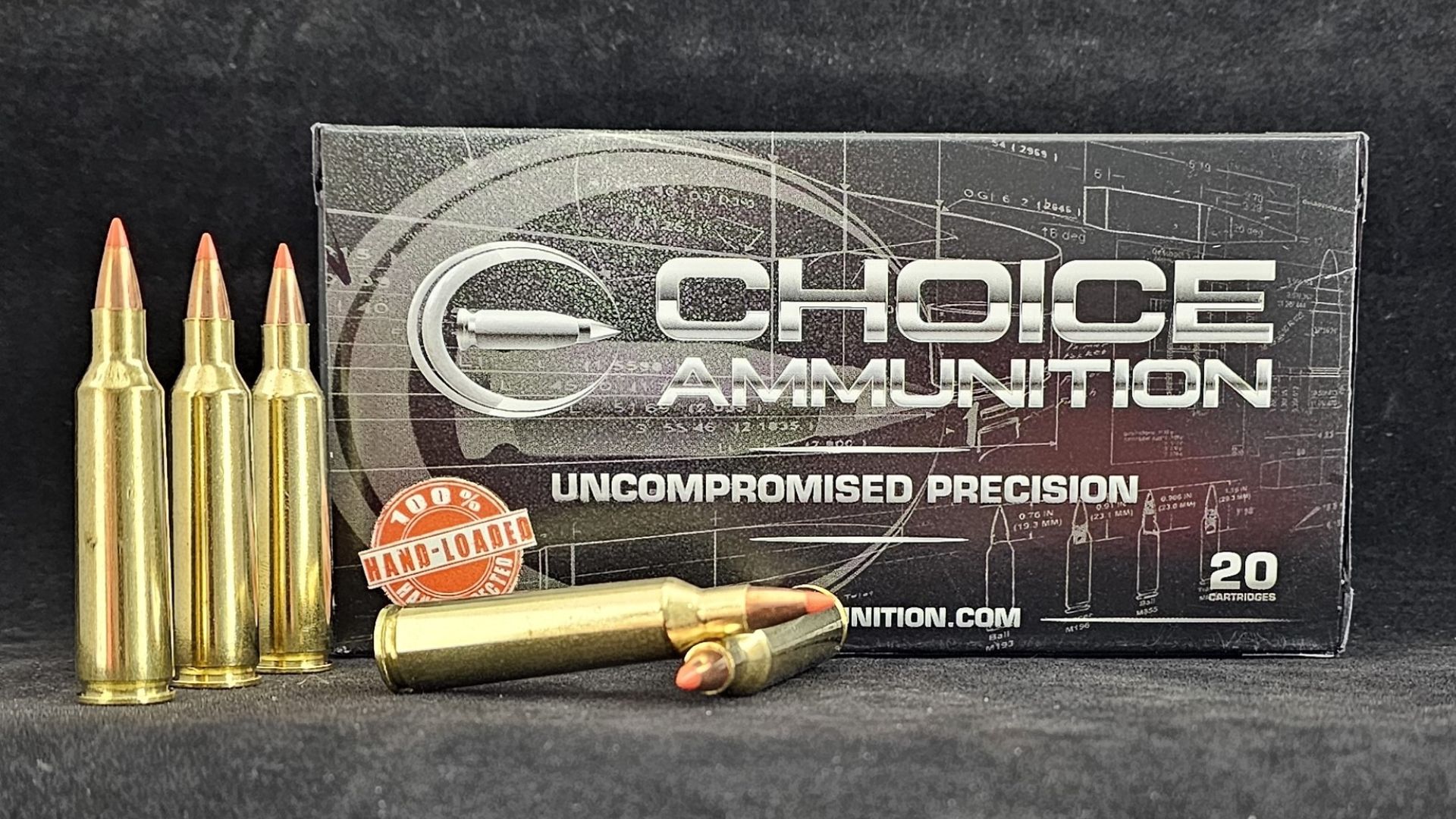
The .22-250 is blistering fast, but that speed works against it when the wrong bullets are used. At 3,800 feet per second, a thin-jacketed bullet tends to fragment on bone or muscle instead of penetrating. You might get massive surface trauma with almost no internal damage. Trackers call these “surface hits,” and they’re a nightmare to follow.
Deer hit with varmint loads from a .22-250 often leave little to no blood. The bullet can literally disintegrate before it reaches the lungs. With heavy, controlled-expansion bullets, the .22-250 performs better, but few hunters bother to match their ammo that carefully. Most grab whatever’s on sale. It’s a flat-shooting round that wins on paper but loses in the field when it matters most.
.17 HMR
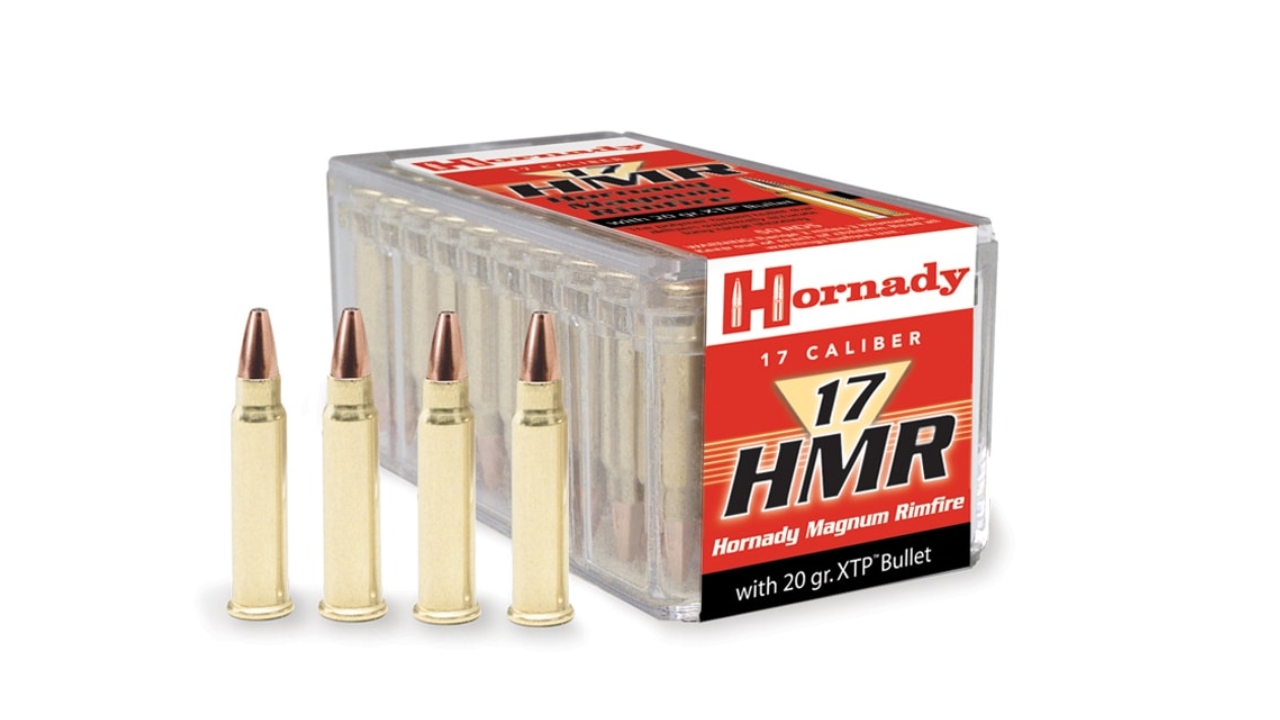
The .17 HMR is a varmint round through and through, yet every year someone tries to take a deer or hog with it—and trackers end up spending hours in frustration. The 17-grain bullet has incredible speed but virtually no mass. It doesn’t have the momentum to penetrate deeply or create an exit wound. Even a heart shot can leave the animal running hundreds of yards before dying.
Blood trails with a .17 HMR are faint or nonexistent. The entry wound closes instantly, and without an exit hole, there’s nothing to follow. Trackers hate seeing this caliber in the mix because it almost guarantees a long, unproductive search. It’s perfect for squirrels and rabbits, but it has no business being anywhere near big-game season.
.243 Winchester (with lightweight loads)

The .243 has taken more deer than any hunter can count, but when paired with light or varmint-style bullets, it becomes a problem. Too many hunters grab 55- or 70-grain loads designed for coyotes and expect them to drop whitetails. Those bullets fragment instantly, leaving shallow craters and almost no blood to follow.
Trackers can spot the pattern: a “perfect shot” with minimal penetration and a deer that runs far enough to leave everyone second-guessing. With proper 95- to 100-grain bonded bullets, the .243 performs beautifully. But when it’s loaded too light, it becomes one of the most frustrating calibers in the woods. The lesson’s simple—speed doesn’t equal stopping power, and blood trails don’t lie.
.300 Blackout

The .300 Blackout is a cool cartridge for tactical use, but it’s notorious for poor performance on game, especially with subsonic ammo. At those low velocities, expansion is minimal, and penetration can be inconsistent. Trackers know the look: tiny entrance hole, no exit, and a wounded animal that runs off with no visible trail.
Even supersonic loads struggle at times, especially at longer ranges. The Blackout simply doesn’t carry enough energy for reliable kills unless everything goes perfectly. It’s popular because it’s quiet and compact, but those same qualities make it unpredictable on big-bodied deer or hogs. Trackers groan when they hear a hunter used it—because they know they’ll be covering miles for a cartridge designed for a completely different job.
6.5 Grendel

The 6.5 Grendel gets a lot of love online, but in the field, it’s hit or miss—literally. While accurate and efficient, its slower velocity can lead to poor expansion past 200 yards. The result? Narrow wound channels, weak blood trails, and animals that run far before dropping. It’s not that it can’t kill cleanly—it just doesn’t always do it quickly.
Trackers hate the Grendel for how unpredictable it can be. One deer leaves an easy trail, the next vanishes into thick brush with barely a drop of blood. The cartridge’s low impact energy limits bullet performance, especially with tougher projectiles that fail to open up. It’s great for range work, but when recovery depends on a good blood trail, the Grendel doesn’t inspire confidence.
.25-06 Remington

The .25-06 is flat-shooting and accurate, but when paired with thin-jacketed bullets, it can be a tracker’s worst enemy. The high velocity causes rapid fragmentation, especially on close shots. Instead of deep penetration, you get massive superficial trauma and minimal internal damage. Trackers often find a splash of blood near the hit site—then nothing.
With controlled-expansion bullets, the .25-06 is outstanding. But too many hunters stick with cheap soft points or varmint loads, and the result is wounded deer that run hundreds of yards. It’s a caliber that demands attention to bullet selection. When used wrong, it creates exactly the kind of job no tracker wants: lots of walking, no blood, and one frustrated hunter swearing the shot was perfect.
6.5 Creedmoor (with match bullets)

The 6.5 Creedmoor is incredibly accurate, but accuracy doesn’t mean lethality if you’re using the wrong bullet. Many hunters grab match or target ammo, thinking “a bullet’s a bullet.” Those loads are designed to fragment on steel, not expand in tissue. They disintegrate on impact, leaving shallow, messy wounds. Trackers can tell instantly—good hit, no blood, long night ahead.
Even with hunting bullets, the Creedmoor’s moderate velocity requires careful load selection. It’s not forgiving if you hit shoulder bone with a fragile projectile. While it’s capable of clean kills, it’s also responsible for a lot of wounded animals when match ammo gets mixed in. Trackers have seen it too many times: the “perfect” shot with no recovery because someone picked the wrong box off the shelf.
7mm-08 Remington

The 7mm-08 is an excellent deer round—when it’s loaded properly. But when you pair it with lightweight ballistic-tipped bullets, it can cause problems. Those bullets expand violently at close range, sometimes fragmenting before they reach the vitals. The impact looks devastating, but penetration is often too shallow for a clean kill.
Trackers have followed countless deer hit by 7mm-08 ballistic tips that never leave an exit wound. Without an exit, you lose blood sign fast. It’s not the cartridge’s fault—it’s the bullet. The 7mm-08 shines with bonded or monolithic designs, but the flashy polymer-tipped loads that look great on boxes are usually the ones that make trackers shake their heads.
.350 Legend
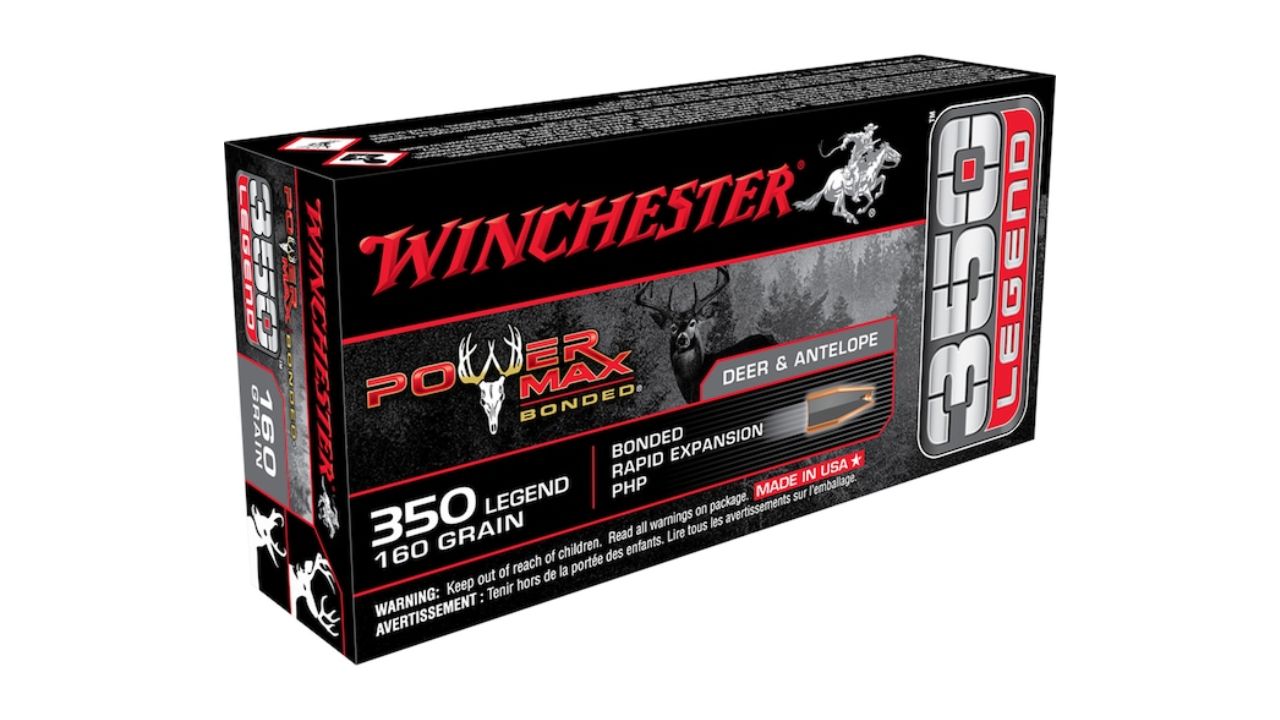
The .350 Legend promised big things when it came out, but in practice, it’s inconsistent. With proper bullets, it performs fine—but many factory loads are too soft or fail to expand reliably at longer distances. Hunters often see through-and-through wounds with minimal tissue damage or expansion so violent it stops short of the vitals.
Trackers have learned to recognize the .350 Legend’s telltale trails—thin blood lines that vanish after 40 yards. It’s a cartridge that needs the right ammo to perform, and too many people ignore that. It’s quiet, straight-walled, and legal in many states, but it’s also one of the most commonly blamed rounds when recovery turns into a guessing game.
.30 Carbine
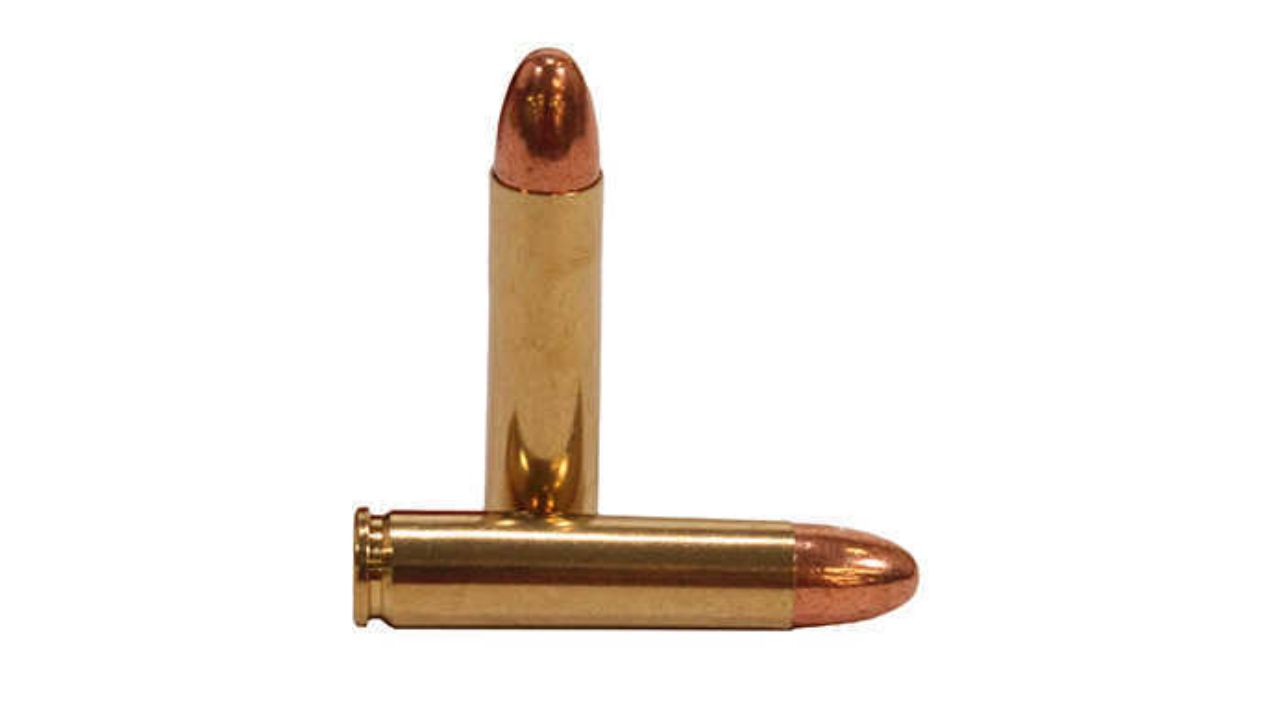
The .30 Carbine was never meant for hunting, but that hasn’t stopped people from trying. The round’s low velocity and small bullet make for unreliable penetration, especially on anything bigger than a coyote. On deer-sized game, it tends to punch small holes without enough energy to cause rapid bleeding.
Trackers know when they’re dealing with a .30 Carbine hit—almost no blood, small wound channel, and a long trail with little sign. Even expanding soft points can’t make up for the cartridge’s lack of impact energy. It’s fine for range fun or nostalgia, but it’s not a round that belongs in the woods when the goal is a quick, humane kill.
.44 Special

The .44 Special looks powerful on paper, but in the field, it’s a low-pressure, slow-moving round that struggles with penetration. Even out of a rifle, its energy levels are marginal for deer. With revolvers, it’s worse—especially with soft bullets that flatten too early.
Trackers who’ve dealt with .44 Special wounds know the pattern: a clean entry, no exit, and no blood. Deer hit in the vitals can still run hundreds of yards before dropping. While it’s accurate and easy to shoot, it simply doesn’t carry enough energy to make clean kills on larger game. It’s a great carry round for self-defense, but in the deer woods, it’s more likely to make a long night for the tracker.
*This article was developed with AI-powered tools and has been carefully reviewed by our editors.