Photo credit: ShootFastFun/YouTube
Some handguns make a big entrance and then slowly disappear once the market gets distracted by something newer. Others have to earn their place the hard way. They do it through carry time, range time, reliability, and the simple fact that they keep making sense after the early opinions wear off. Those are usually the pistols that age best.
A lot of the handguns on this list were doubted for one reason or another. Some looked too plain. Some seemed too old-school. Some got overshadowed by louder names or newer trends. Then shooters actually spent time with them and figured out they were better than the first impression. These are the handguns that proved they belonged.
Smith & Wesson CS9
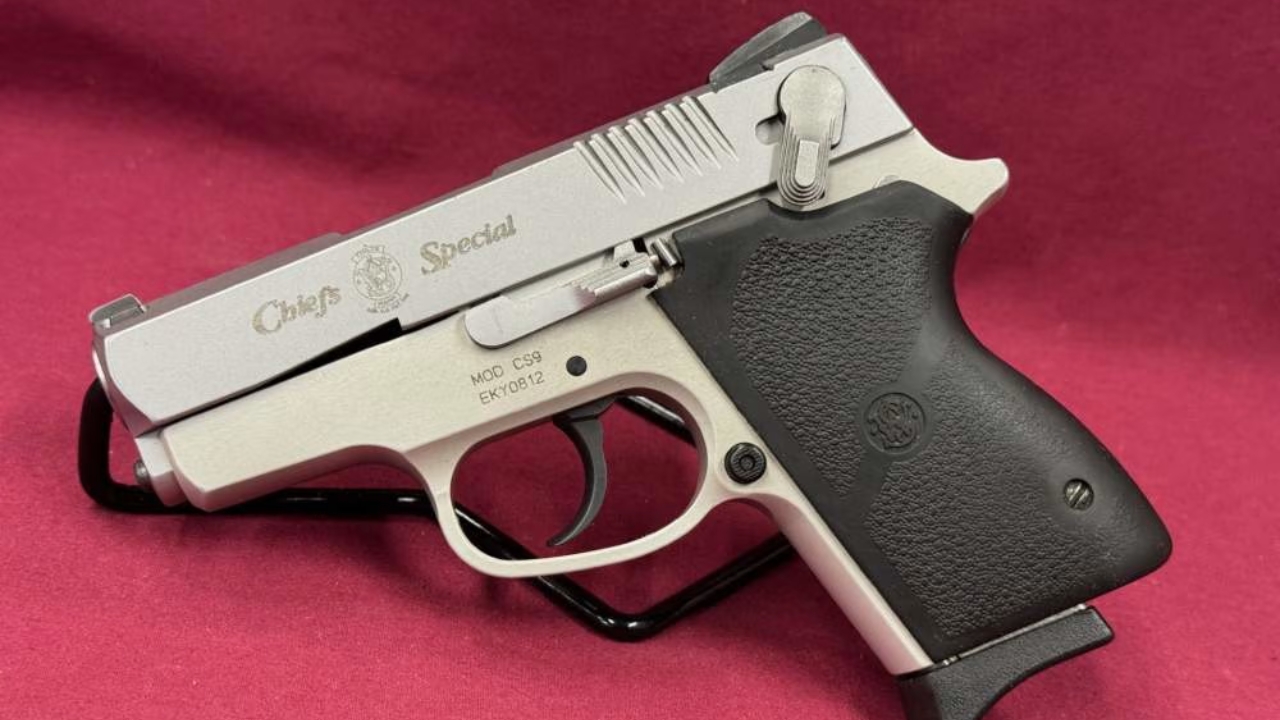
The CS9 never had the flash of a full-size duty pistol or the hype of later carry guns, which made it easy to overlook when it was new. It looked like a practical little single-stack 9mm from a period when the market had not fully decided what concealed-carry pistols were supposed to be. That kept it from getting the kind of instant praise other guns enjoyed.
Over time, though, shooters figured out what the CS9 was doing right. It was compact without feeling flimsy, simple without feeling cheap, and dependable in the way a carry pistol actually needs to be. It proved it belonged by continuing to make sense after newer guns showed up promising more excitement and delivering less trust.
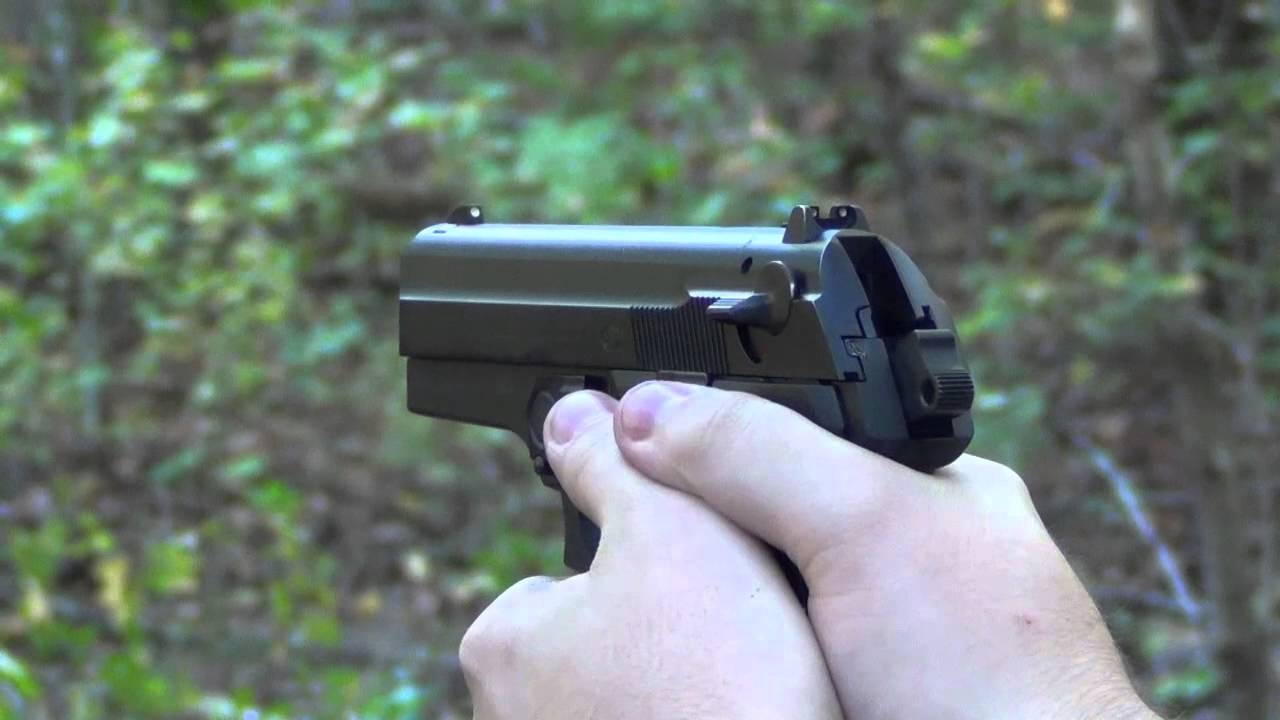
Beretta 8040 Cougar

The 8040 Cougar lived in an awkward shadow for years. It was not as iconic as the 92 series, and it arrived in a caliber that eventually became easier for buyers to talk down. That made it easy to dismiss as a transitional pistol that never really found its audience. At first glance, it seemed like the kind of handgun that would quietly fade and not be missed much.
Instead, it earned respect from people who actually shot it. The rotating barrel system helped the gun feel smoother than expected, and the overall pistol proved sturdier and more shootable than its reputation suggested. It belonged because it worked. Shooters who gave it a fair chance usually came away thinking the market had underestimated it badly.
Ruger P97
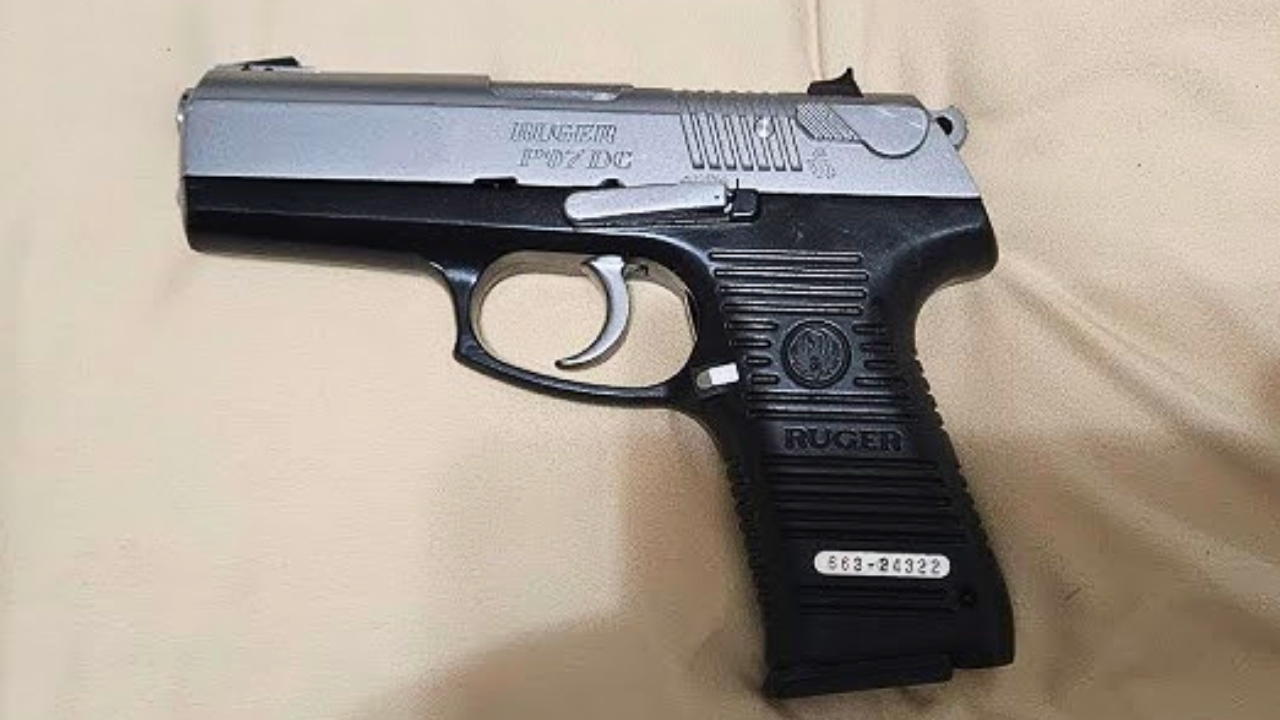
The P97 looked too plain to impress many buyers when it came out. It was a polymer Ruger in .45 ACP, which meant it had almost no glamour working in its favor. A lot of shooters treated it like a practical placeholder instead of a pistol worth getting attached to. It seemed like the kind of gun people bought because it was available, not because it inspired confidence.
Then it kept running. That was the whole story. The P97 proved it belonged by doing the simple things right over and over again. It held up, shot more comfortably than expected, and gave owners a no-drama .45 that made plenty of fancier guns look fragile. It was never trying to be pretty. It was trying to be useful, and that turned out to matter more.
Heckler & Koch P2000SK

The P2000SK never really got treated like a star. It was squeezed between bigger HK names and newer carry-gun trends, which made it easy for buyers to overlook. On the shelf, it looked like a smart but slightly quiet answer in a market that kept rewarding louder and more immediately exciting pistols. That left it underappreciated for a long time.
But experienced shooters kept finding the same things to like. It carried well, held up under real use, and had the kind of mature, well-sorted feel that only becomes more valuable with time. The P2000SK proved it belonged because it stayed dependable while trendier compact pistols came and went. That is usually how real trust gets built.
Springfield Armory XD-E
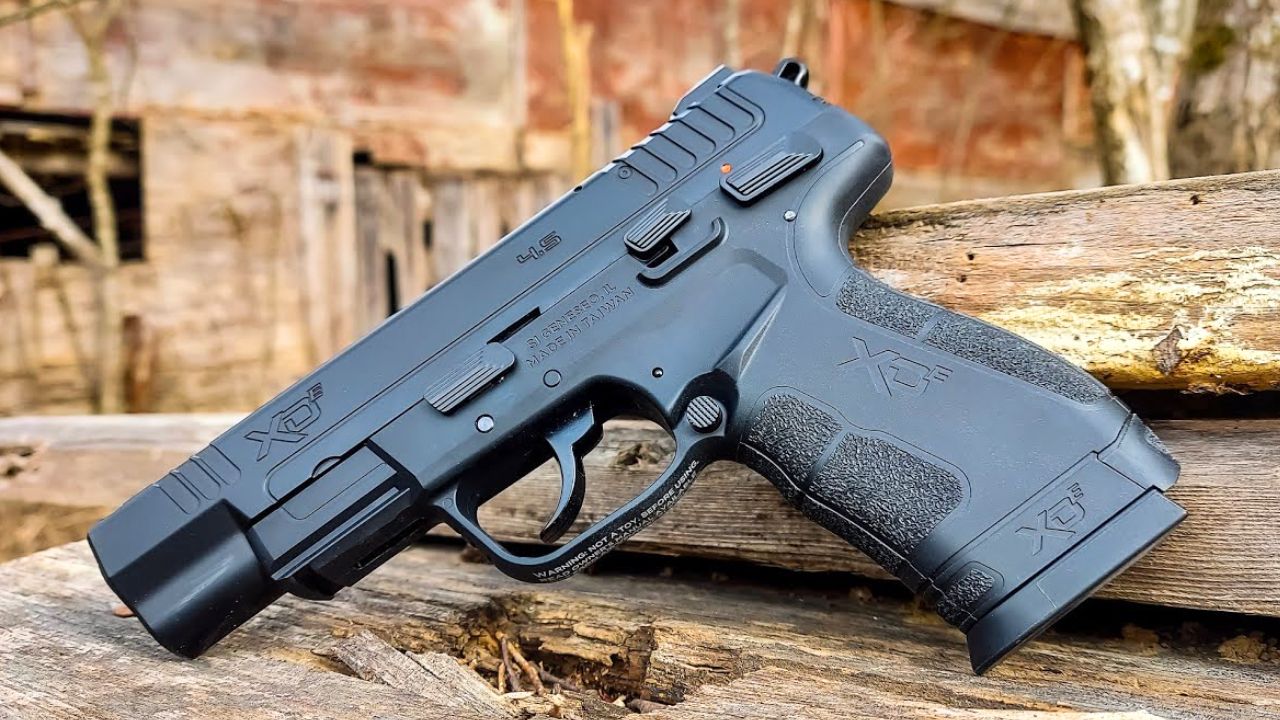
The XD-E arrived at a strange time. The market was already deep into striker-fired carry guns, and a slim hammer-fired pistol felt like an answer to a question many buyers thought they had already settled. That made the XD-E easy to brush off as a niche gun for people who just could not let go of older habits. It never got the broad enthusiasm some newer carry pistols enjoyed.
Still, it earned respect with shooters who actually wanted what it offered. It was slim, easy to carry, and gave them a different manual of arms without becoming clumsy or outdated. The XD-E proved it belonged by serving people who wanted a practical carry gun with a little more control and a little less sameness than the market was offering.
FN FNS-9 Compact
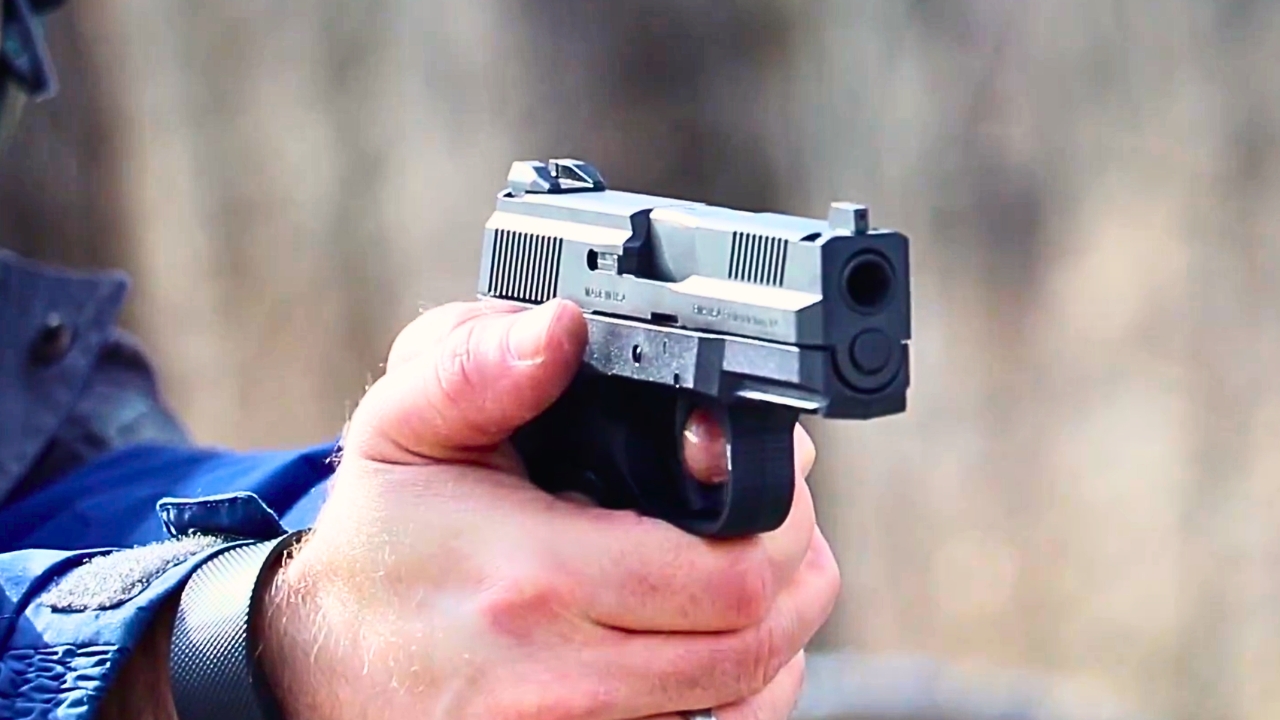
The FNS-9 Compact had the bad luck of existing in one of the most crowded handgun categories in the business. That alone kept many buyers from taking it seriously. It was one more compact polymer 9mm in a market full of them, and without a giant personality or a huge push behind it, it became easy to pass over.
What helped it later was real use. Shooters found a pistol that was dependable, easy enough to carry, and more competent than its low profile suggested. It proved it belonged because it did not need constant attention to remain useful. The FNS-9 Compact just kept doing its job, and that ended up mattering more than whatever was winning the internet that month.
Colt New Agent
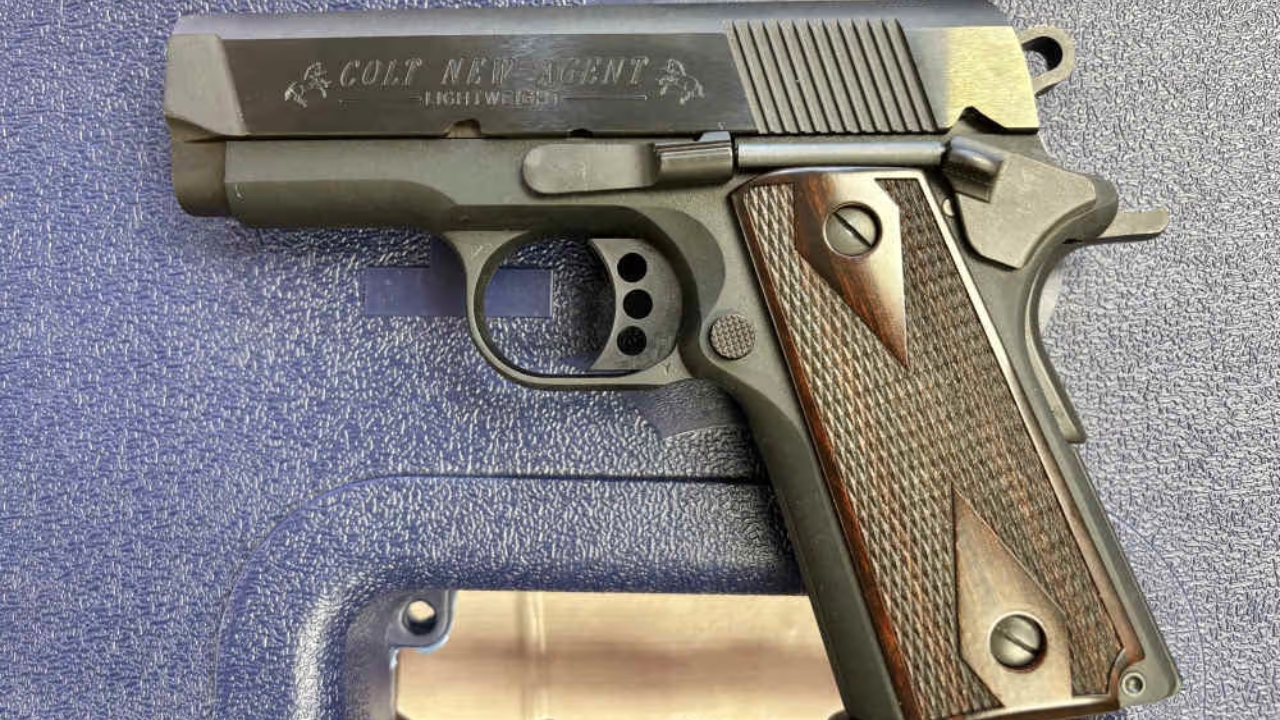
The New Agent was doubted almost from the start. A compact 1911 with trench-style sights sounded like the kind of idea people talk about more than they trust. A lot of buyers treated it like an experiment instead of a legitimate carry pistol. It seemed too specialized to earn much serious respect outside a small pocket of shooters who liked unusual Colts.
Then the gun started building a different kind of reputation. People who actually carried it found that it made more sense than many assumed. It stayed slim, hid well, and worked in the kind of close defensive role it was actually built for. The New Agent proved it belonged by being better in practice than in first impressions, which is often the best kind of surprise.
CZ 83
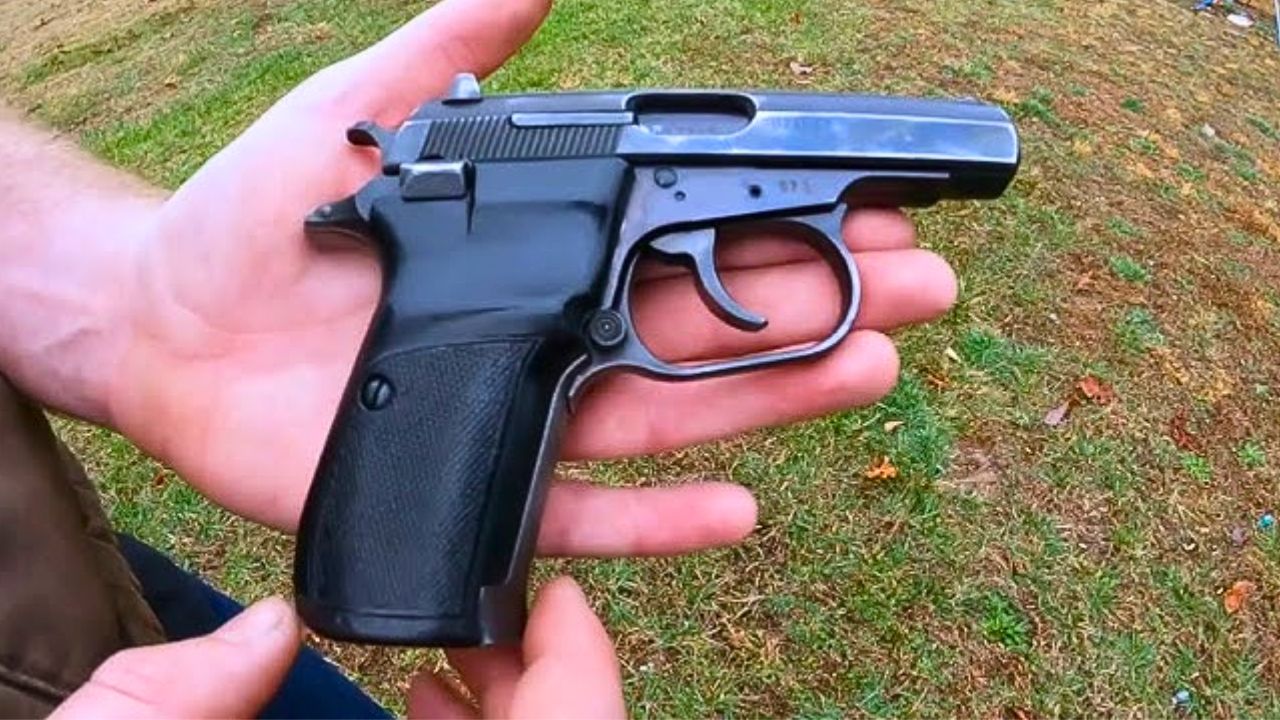
The CZ 83 spent years being underrated because of the caliber and the category it lived in. Compact blowback pistols in .380 or .32 ACP rarely get treated like serious long-term handguns in a market obsessed with bigger and newer things. That made the CZ easy to admire politely and then walk right past in favor of something louder.
Shooters who stuck with them figured out why that was a mistake. The pistol handled beautifully, shot with more ease than many expected, and had the kind of all-metal quality people usually appreciate more with age. It proved it belonged because it turned out to be one of those handguns that feels better the more you shoot it, not worse.
SIG Sauer SP2022
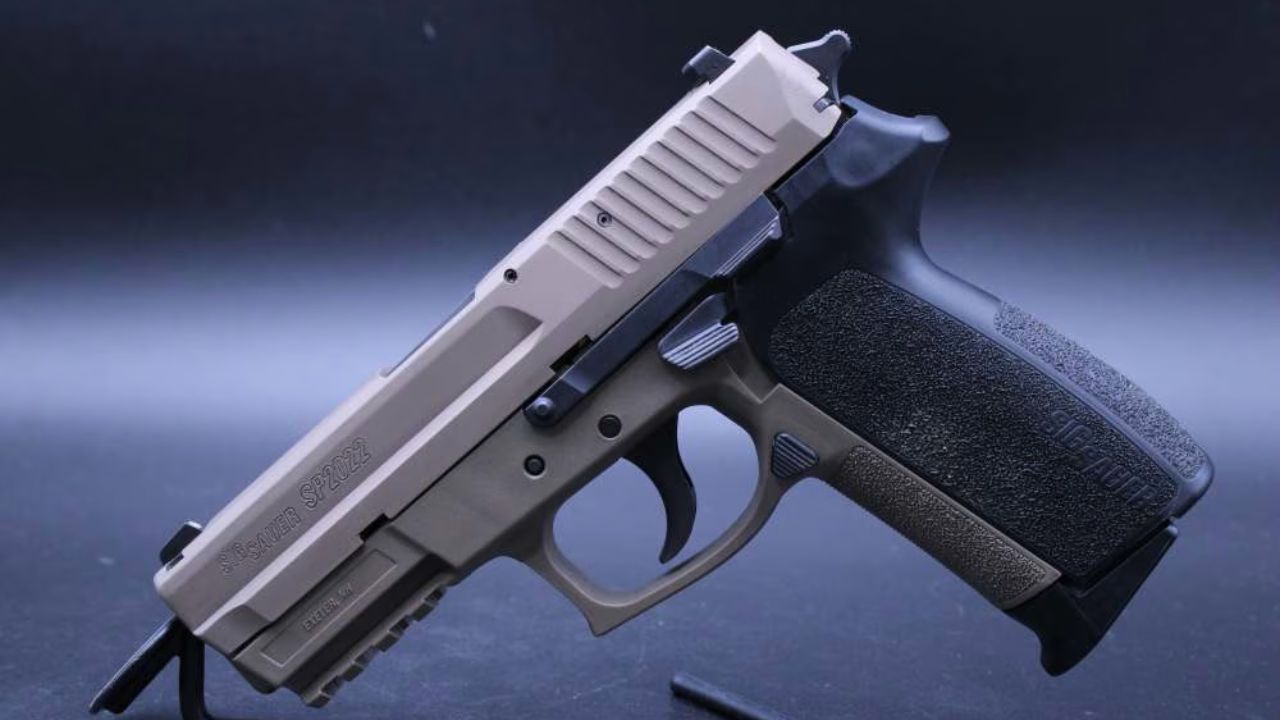
The SP2022 had one of the most thankless jobs in the handgun world. It was the practical polymer SIG, which meant many buyers treated it like the affordable compromise instead of a serious pistol in its own right. It lived next to more glamorous SIGs, so it often got judged by what it was not instead of what it actually offered.
That changed for shooters who gave it a fair chance. The pistol proved durable, easy to run, and far more trustworthy than the “budget SIG” label ever suggested. It belonged because it kept doing exactly what a service pistol is supposed to do. It was not flashy, but it did not have to be. It built respect by refusing to let people down.
Beretta Nano
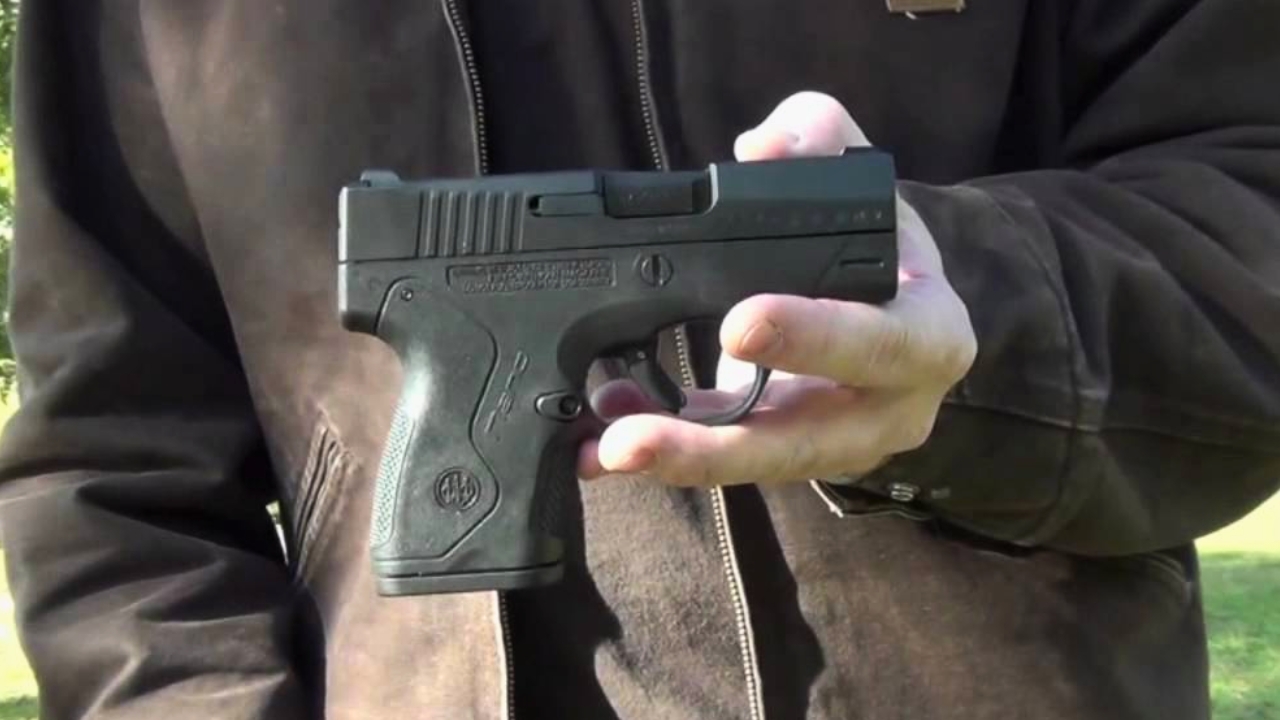
The Nano got written off quickly because it arrived in a market that was already getting crowded with small carry pistols, and it did not have the most charming first impression. Many buyers saw it as too plain, too stiff, or too easy to replace with something newer. It seemed like the kind of compact gun that would not age especially well once the next wave showed up.
Still, it found owners who appreciated what it actually was. The Nano proved it belonged by being a simple, very compact carry pistol that could disappear easily and still function with real consistency. It was not the warmest gun in the hand, but it worked. Sometimes that is enough, especially after more fashionable carry guns start showing their weaknesses.
Smith & Wesson Model 457
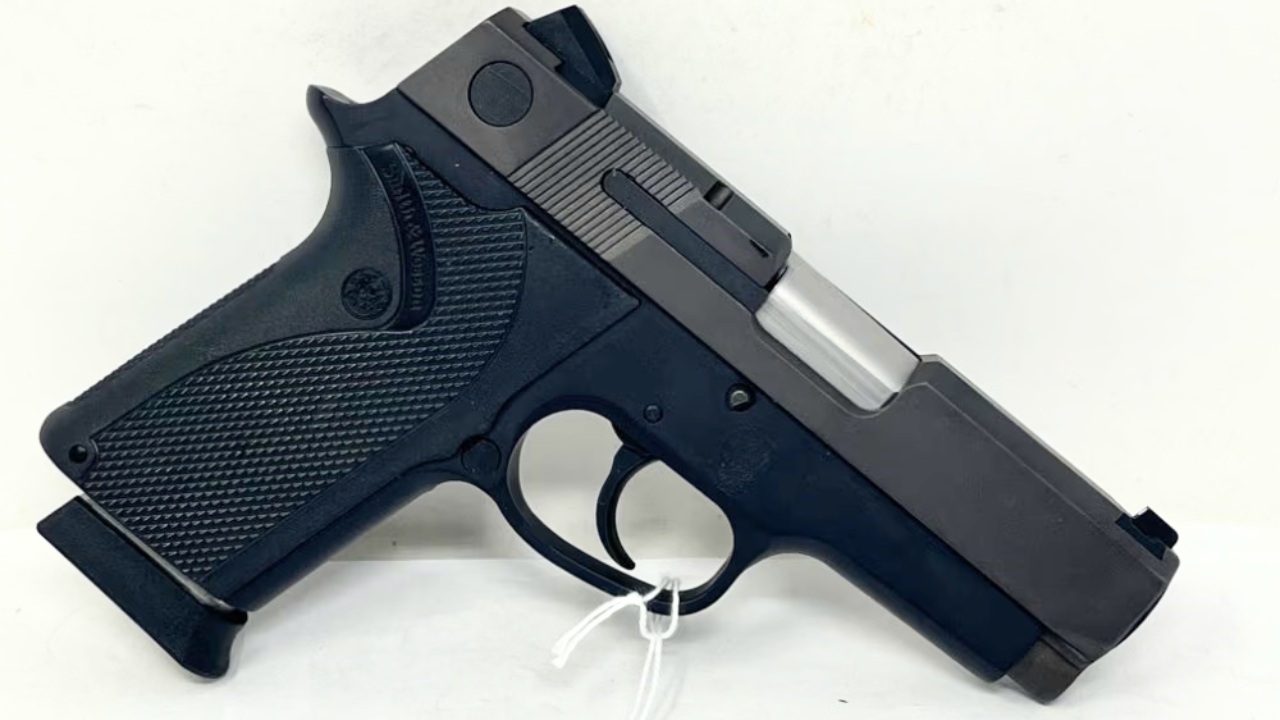
The 457 looked like a very ordinary pistol for a very long time. It was a compact third-generation Smith in .45 ACP, and that description alone made it sound more practical than exciting. Buyers who wanted a big-name .45 often chased other options, while buyers who wanted a carry pistol usually looked smaller or lighter. That left the 457 in a strange middle space.
Time helped it. Shooters started realizing it offered a lot of serious pistol in a compact, carry-friendly package. It had real .45 authority, a straightforward layout, and the kind of old-school reliability that gets more attractive as years pass. The 457 proved it belonged by remaining useful while flashier pistols slowly turned into things people used to talk about.
Walther Creed

The Creed was almost dismissed on arrival because it lacked the prestige and polish people expected from Walther. It was affordable, plain, and not especially sexy in a market that often confuses price and style with actual worth. A lot of shooters assumed it was Walther’s compromise gun and treated it as such.
Then people shot it. That changed the tone. The pistol was easier to handle than expected, reliable enough to earn confidence, and much more competent than its reputation suggested. It proved it belonged because it gave shooters a real working pistol without pretending to be something grander. In a category crowded with inflated claims, that honesty worked in its favor.
Star Firestar

The Firestar was easy to underestimate because it looked like a compact carry pistol from another era, and in a lot of ways it was. It was heavy for its size, all steel, and not exactly the kind of gun buyers were calling cutting-edge even when it was still easier to find. That kept many people from seeing it as anything more than an interesting little relic.
But the shooters who used them seriously usually came away impressed. The gun had heft, controllability, and a surprisingly solid feel for such a compact pistol. It proved it belonged by being sturdier and more shootable than people expected. The Firestar never won because it was trendy. It won because it kept working better than the casual opinion said it should.
Para-Ordnance P13.45
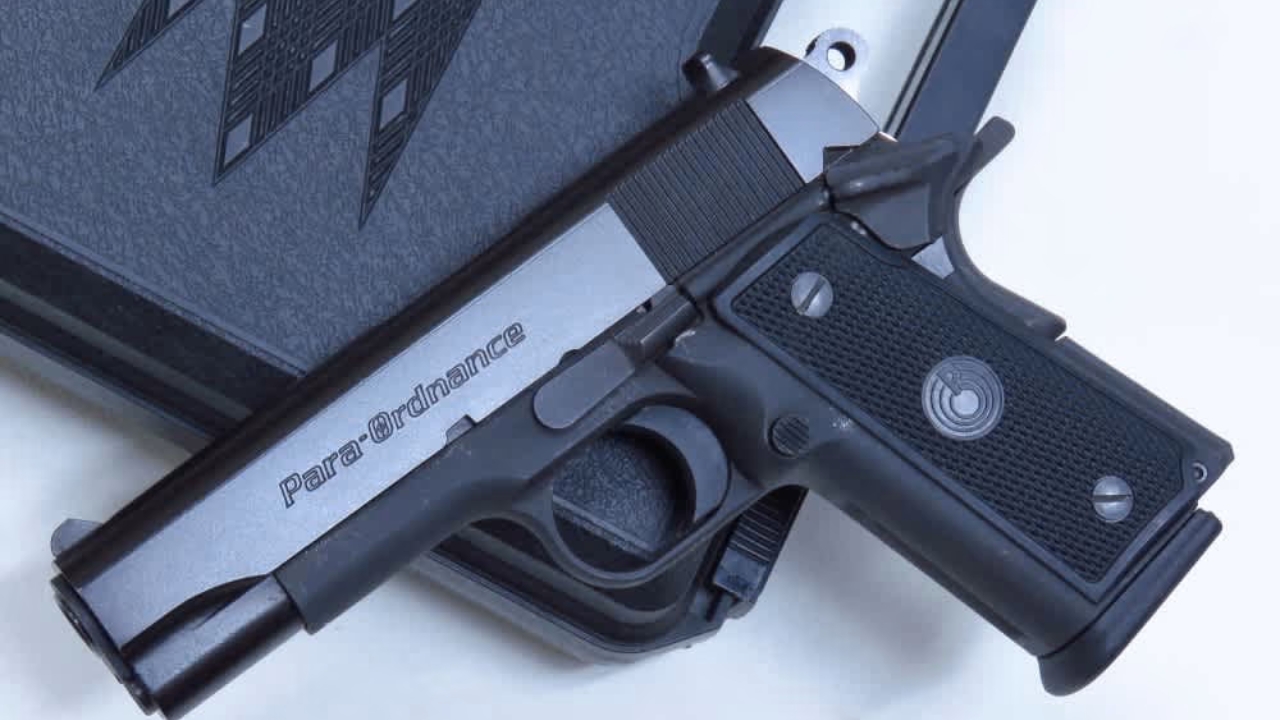
The P13.45 got plenty of sideways looks when it hit the market. A compact double-stack 1911 in .45 ACP sounded like the kind of gun that could easily become a compromise-heavy mess. Some buyers treated it like a niche answer for people who wanted too much from one pistol. That made it easier to doubt than to trust at first.
Yet it developed real loyalty among shooters who ran them hard. The pistol offered capacity, familiar 1911 handling, and more practical carry potential than many expected. It proved it belonged by doing something that sounded risky on paper and making it work in real life. That is one of the clearest ways a handgun earns long-term respect.
HK P7 PSP
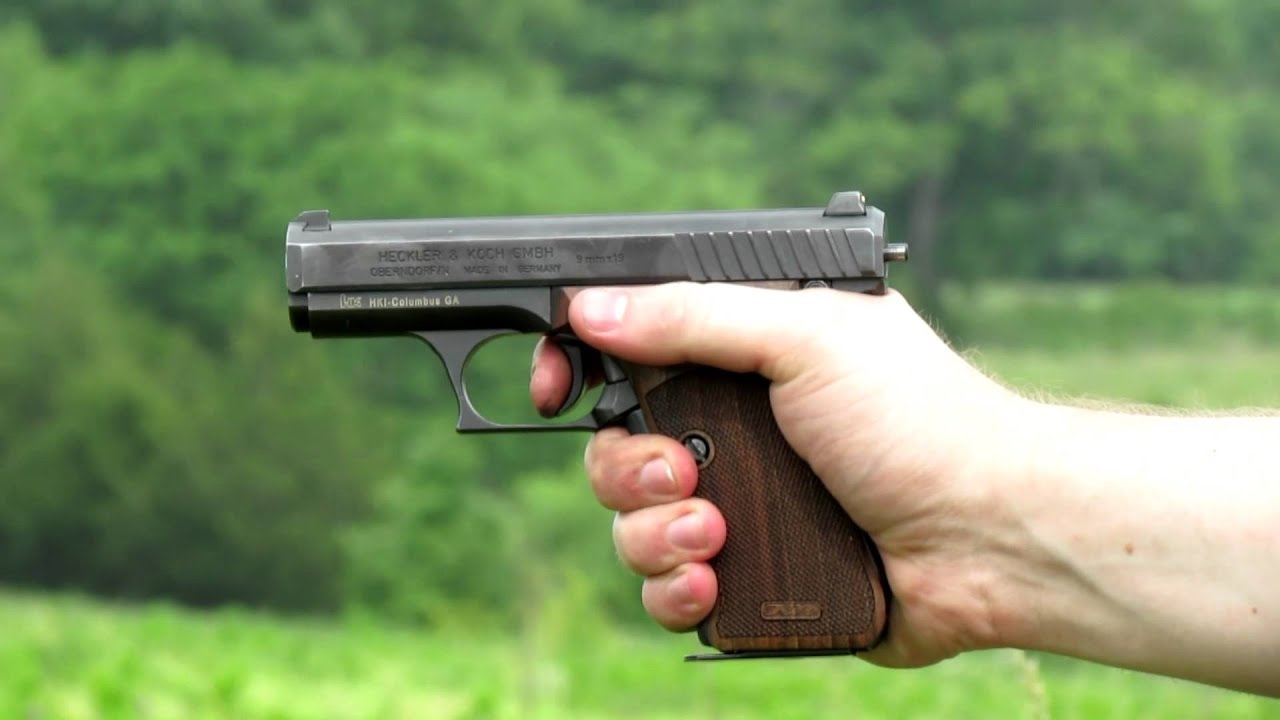
The P7 PSP was always interesting, but “interesting” and “trusted” are not always the same thing. Some shooters treated it like a clever oddball with too many quirks to be a truly practical handgun for normal ownership. It looked specialized, mechanical, and maybe even a little too strange to fit comfortably beside more conventional carry or duty pistols.
Then the shooting started. The squeeze-cocker system, low bore axis, and remarkable accuracy changed minds in a hurry. The P7 PSP proved it belonged by being much more than a novelty. It was a real fighting pistol with real performance, and the people who understood that tended to stay loyal. It earned its place one magazine at a time.
Like The Avid Outdoorsman’s content? Be sure to follow us.
Here’s more from us: