Photo credit: Lance Cpl. Richard Blumenstein – Public Domain/Wiki Commons
A lot of experienced shooters eventually learn the same lesson: newer does not always mean better for the way you actually shoot. New handguns can offer optics cuts, bigger capacities, lighter frames, and every other current selling point, but after enough range time, many shooters circle back to the pistols and revolvers that keep doing the basics right. The current market still reflects that. Glock continues to keep the G19 and G17 front and center, SIG still leans hard on the P226, Beretta still sells the 92FS, CZ still keeps the 75 series alive, and Ruger, Colt, Smith & Wesson, and HK all continue offering long-running standbys instead of treating them like museum pieces.
That tells you something important. These handguns keep coming back into people’s safes because they keep rewarding the same things experienced shooters care about most: predictable triggers, natural pointability, honest recoil control, and a track record that still means something after the novelty wears off. When you have already tried the new stuff, you stop chasing features for their own sake and start buying what still feels right when the timer starts or the target gets smaller.
Glock 19

The Glock 19 keeps showing back up because it solves more real-world handgun problems than most pistols ever do. Glock still describes it as ideal for a versatile role, and that is exactly why experienced shooters keep returning to it. It is compact enough to carry, large enough to shoot like a serious working pistol, and common enough that magazines, holsters, and parts are never hard to find. Once you have cycled through a pile of newer carry guns, that kind of practical middle ground starts looking a lot smarter.
What really brings people back is how predictable it is. The size, recoil, controls, and maintenance routine are all familiar in a way that makes the gun easy to trust. You may buy something newer that feels more exciting in the first week, but a lot of shooters end up re-buying a G19 because it keeps proving it can handle carry, training, and general use without becoming a project.
Glock 17

The Glock 17 still gets bought again because full-size service pistols remain hard to beat when your priority is easy shooting over long sessions. Glock calls the G17 the original and notes its full-size frame, standard 17-round capacity, and low weight. That is a straightforward recipe that still makes sense. Experienced shooters who spend time bouncing between trendier carry guns and specialty pistols often end up back here because a big, plain 9mm that runs cleanly is still hard to improve on in any meaningful everyday way.
The appeal is not glamour. It is familiarity and control. A G17 gives you more sight radius, a fuller grip, and a steadier feel than a lot of newer compacts and micro-compacts, and that usually shows up fast on target. Once a shooter gets tired of squeezing more performance out of smaller guns, the G17 starts making sense again for the same reason it always did: it makes practical shooting feel easy.
SIG Sauer P226

The P226 is one of those pistols shooters come back to when they want a full-size handgun that still feels substantial and serious. SIG still calls it iconic and says it set the standard by which other combat handguns are measured. That is marketing language, sure, but the reason it still lands is that the pistol has spent decades earning a reputation for accuracy and reliability. A lot of experienced shooters try lighter polymer guns, then find themselves missing the way a real metal-frame service pistol settles in the hands.
That is where the P226 keeps winning people back. The weight helps it shoot calmly, the grip gives you a lot to work with, and the DA/SA system still appeals to shooters who like a deliberate first pull followed by clean follow-ups. Newer pistols may be lighter or smaller, but the P226 keeps getting re-bought because it still feels like a pistol built for hard use instead of short-term excitement.
Beretta 92FS

The Beretta 92FS is another handgun experienced shooters often return to after spending time with newer designs that promised more than they delivered. Beretta still describes the 92FS as a DA/SA pistol with its open-slide, short-recoil delayed locking-block system, and notes that the design helps faster cycling and exceptional reliability. That matters because the 92FS has always been easier to shoot well than people expect once they stop judging it by size alone.
Shooters buy it again because it has manners. The gun is large, but that size gives you a stable sight picture, a soft-shooting feel, and a balance that still makes sense on the range. After trying smaller or sharper-handling pistols, a lot of people rediscover that the 92FS does not need to be trendy to be effective. It keeps coming back into collections because it still makes fast, accurate shooting feel calm and repeatable.
CZ 75

The CZ 75 keeps pulling experienced shooters back because it feels right in a way many pistols do not. CZ still highlights the series as an all-metal, high-capacity pistol built around comfort, accuracy, and rugged reliability, and that description fits the way the gun behaves in the hand. A lot of shooters try newer striker guns, then come back to the CZ 75 because they miss the weight, the grip shape, and the overall sense that the gun is working with them instead of against them.
Its staying power comes from feel. The ergonomics are excellent, the slide tracks low, and the pistol tends to reward disciplined shooting without demanding anything flashy from the user. Once you spend enough time with one, you understand why so many experienced shooters keep another CZ 75 around even after trying newer options that looked better on paper. It still does the fundamental work very well.
Colt 1911 Government Model
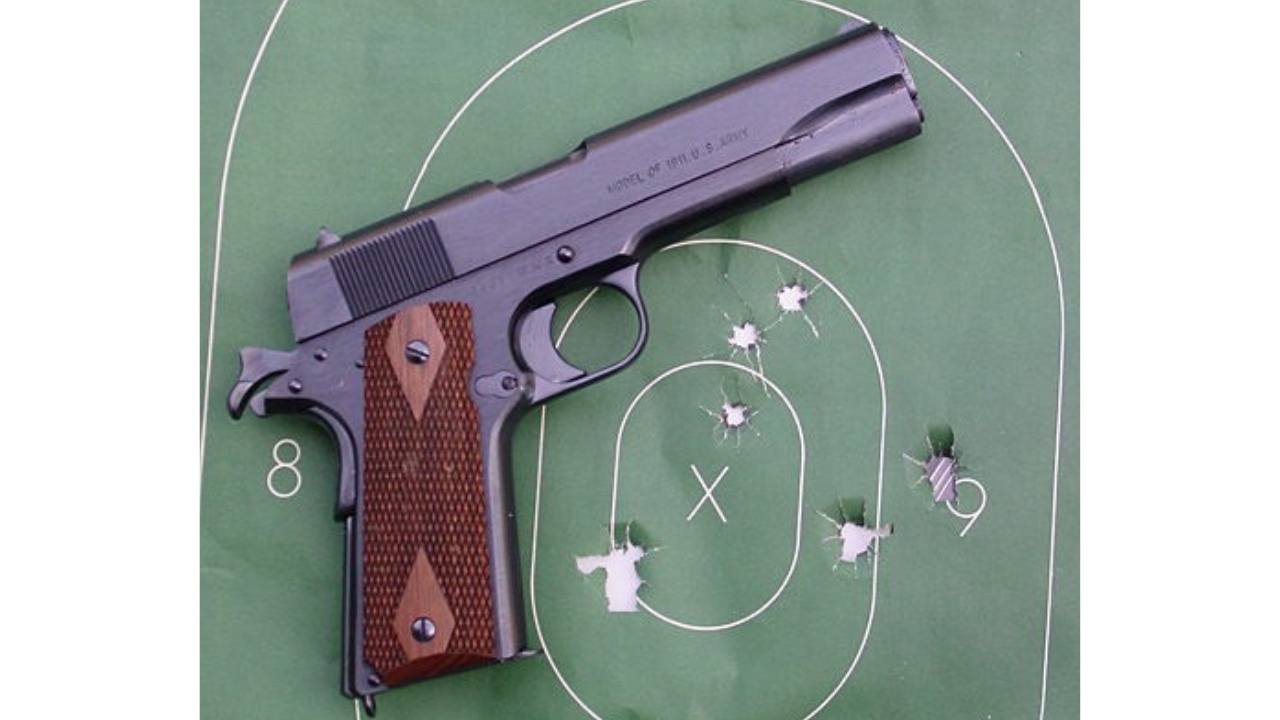
A real Government-size 1911 keeps getting bought again because some things never stop mattering to skilled shooters. Colt still offers current 1911 Classic Government-pattern pistols with the familiar 5-inch barrel, 7-round capacity, and the traditional controls that made the platform what it is. That is important because the 1911 is not surviving as a historical curiosity. It is surviving because people still want the way it feels when a clean single-action trigger breaks.
Shooters come back to it after trying newer pistols because the trigger, grip angle, and natural pointability still offer something hard to replace. Modern handguns can beat it in capacity and maintenance ease, but many experienced shooters still re-buy a 1911 because they shoot it well and enjoy the way it rewards careful work. Once you know what a good Government Model feels like, it stays in your head.
Browning Hi-Power

The Hi-Power has that same pull on people who have been around handguns long enough to recognize what made certain classics stick. Browning still calls it one of the most revered pistols of all time and notes its original John Browning roots. That kind of respect does not hold up across generations unless the pistol keeps delivering something people still value, and in the Hi-Power’s case that means excellent handling, a slim grip for a double-stack gun, and a shape that still points beautifully.
Experienced shooters often buy another Hi-Power after spending time with newer service pistols because they miss how natural it feels. It does not need oversized controls, optics cuts, or aggressive texturing to make sense. The appeal is more basic than that. It is a pistol that feels elegant in the hand and still shoots like it belongs there, which is why it keeps drawing people back.
Smith & Wesson 686 Plus

The 686 Plus keeps coming back into the safe because it gives experienced shooters a revolver that still handles serious use without feeling clumsy. Smith & Wesson still highlights the L-frame as strong and durable for continuous Magnum use, and the seven-shot 686 Plus keeps that reputation alive. That matters because shooters who know revolvers tend to care less about novelty and more about whether the gun stays controllable, dependable, and worth carrying or training with over time.
A lot of people try lighter revolvers, polymer carry guns, or high-capacity autos, then end up buying another 686 Plus because they miss what a good medium-large revolver does well. The weight helps, the trigger can be excellent, and the gun still works for range use, trail duty, and home defense without feeling specialized. When a revolver makes magnum shooting feel more settled, people remember that.
Ruger GP100

The GP100 stays on the re-buy list for the same broad reason: it is a revolver that feels built to last. Ruger still points to the GP100’s triple-locking cylinder, easy maintenance, and broad grip adaptability, and those are exactly the kinds of traits experienced shooters care about after they have owned enough handguns to stop being dazzled by surface-level features. This is a gun people buy again because they know what they are getting.
It also earns repeat buyers because it shoots like a real working revolver. The frame has enough substance to handle .357 Magnum well, and the gun tends to feel steady and dependable instead of delicate. After trying lighter snubs or newer defensive pistols, many shooters come back to the GP100 because it still offers a kind of confidence that does not need explaining. It is sturdy, predictable, and still hard to wear out in normal use.
Heckler & Koch USP
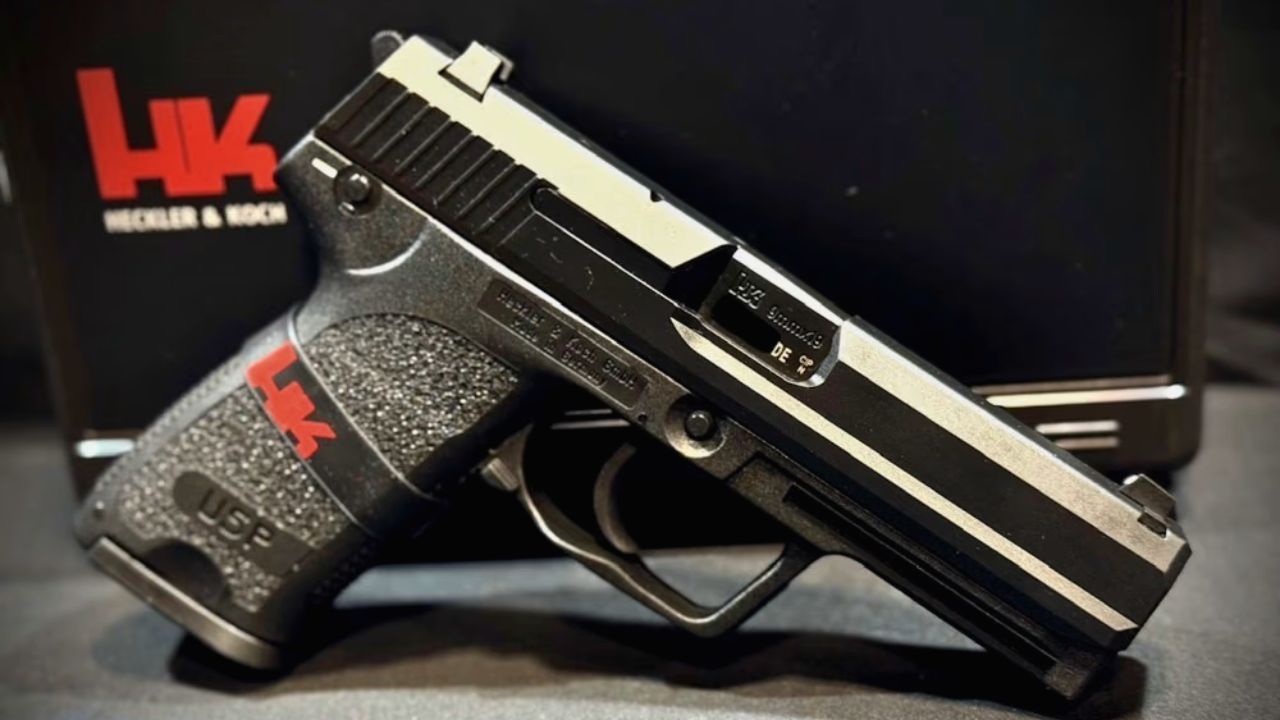
The USP keeps drawing experienced shooters back because it feels overbuilt in a way many modern pistols no longer do. HK still describes it as an accurate and ultra-reliable handgun, and specifically notes the internal recoil buffering system that helps it shoot more accurately and resist wear over long use. That is a big part of the USP’s hold on people. It feels like a pistol designed around longevity first, not only around being the newest thing in the case.
Shooters often re-buy a USP after trying newer polymer guns because they miss the substance. The controls, frame, and recoil feel are all a little more deliberate, and the gun has a reputation for running under hard conditions that still means something. You may try something slimmer or lighter, but a lot of experienced shooters come back because the USP still feels like a sidearm meant to be trusted for years, not replaced every season.
Ruger Mark IV

The Ruger Mark IV keeps getting bought again because every experienced shooter eventually remembers how much value there is in a good .22 pistol that is easy to live with. Ruger emphasizes the Mark IV’s one-button takedown and cold hammer-forged barrel built for accuracy and longevity, and those two things alone explain a lot of its staying power. A pistol that is easy to clean and rewarding to shoot often gets used more than the flashier centerfires around it.
People come back to the Mark IV after chasing newer centerfire handguns because the pistol still does what a serious rimfire should do: help you practice, let you shoot a lot, and make precision work enjoyable. The fixed-barrel design and calm recoil keep it useful for everyone from casual shooters to people who have been at this for decades. When a handgun remains this practical, it does not stay gone for long.
Smith & Wesson Model 19

The Model 19 keeps experienced shooters coming back because it represents a size and feel that many still consider close to ideal in a .357 revolver. Smith & Wesson’s current Model 19 Classic language leans on the revolver’s traditional frame and classic profile, and that is exactly what older hands tend to value. It gives you a K-frame magnum that carries easier than a larger revolver while still feeling like a serious sidearm.
Shooters re-buy the Model 19 after experimenting with lighter carry guns or bigger magnums because the balance is hard to forget. It runs .38 Special beautifully, still handles .357 with authority, and carries the kind of trigger feel revolver people keep chasing. Once somebody has learned what a well-sorted K-frame does in the hand, a lot of newer options start feeling like detours rather than true replacements.
Colt Python

The Python still gets bought again because some shooters never stop comparing other revolvers to the way a Python feels. Colt’s current Python family still centers the classic .357 Magnum format, and the company continues offering multiple barrel lengths and trim options. That says a lot by itself. A revolver line does not stay alive like this unless enough shooters still care deeply about what it offers.
What keeps people returning is refinement. The sights, the barrel profile, the balance, and the trigger feel all leave a strong impression when the gun is done right. Experienced shooters may try lighter revolvers, red-dot autos, or every current carry pistol on the shelf, then still end up buying another Python because it gives them something those guns do not: a real sense of polish without giving up shootability.
Ruger Blackhawk

The Blackhawk keeps finding its way back into collections because a good single-action revolver still scratches an itch newer handguns never touch. Ruger still calls the New Model Blackhawk the most advanced single-action revolver ever made and highlights its traditional western-style grip and target-grade accuracy. More important than the wording is the reason behind it: the Blackhawk still offers the old single-action rhythm in a gun sturdy enough for regular use.
Shooters buy another one after spending time with newer pistols because the appeal is not only nostalgia. The grip shape points naturally, the sights are useful, and the whole gun makes deliberate shooting feel satisfying in a way many modern handguns do not. Once somebody has spent enough time with a Blackhawk, it becomes easy to understand why they keep another one around even after every new polymer option has had its turn.
Smith & Wesson Model 36

The Model 36 keeps getting re-bought because small revolvers still make sense to experienced shooters who value concealment and familiarity over fashion. Smith & Wesson’s current Model 36 Classic description leans into the traditional frame and smooth trigger pull, and that captures why the design refuses to disappear. A lot of modern micro-autos offer more capacity, but they do not necessarily replace the comfort some shooters feel with a classic small-frame revolver.
People come back to a Model 36 after trying tiny semi-autos because they remember what the little Chiefs Special pattern does well. It carries cleanly, points naturally at close range, and asks very little from the shooter under stress. It is not the answer for everyone, but it keeps coming back into experienced hands because it still feels honest, dependable, and easy to trust for the role it was built to fill.
Like The Avid Outdoorsman’s content? Subscribe to our newsletter so you never miss an article.
Here’s more from us: