Image Credit: K Steve Cope/ Shutterstock.
Running out of water in the backcountry will end your trip fast—and if you don’t act quick, it can end a whole lot more than that. Dehydration doesn’t give you much warning before it takes you down. Out here, finding water isn’t luck. It’s skill. It’s knowing how the land works, reading the signs, and making smart moves before your body gives out.
If you ever find yourself in a bad spot, these are the methods that actually work—and the ones you’ll wish you knew if you don’t.
Follow Animal Trails

When you’re desperate for water, animal trails can point you in the right direction. Deer, elk, and other wildlife need water just like we do, and they tend to beat paths straight to their watering holes. Look for well-worn paths cutting through the brush or leading downhill.
If you spot tracks, droppings, or even areas where vegetation looks trampled, you’re probably close. Stick with the direction they’re heading. Animals are a lot better at finding water than we are, and following them might just save your neck.
Listen for Running Water

When you’re dead tired and running on fumes, your ears can do the heavy lifting. Water moving over rocks makes a distinct sound you can hear from a good distance away, especially in quiet backcountry. Stop, stay still, and really listen.
Even a small trickle can lead you to something bigger if you track it upstream or downhill. Wind and terrain can muffle or carry sound, so be patient and take your time. If you hear it, don’t waste time second-guessing—go after it.
Head for Lower Ground

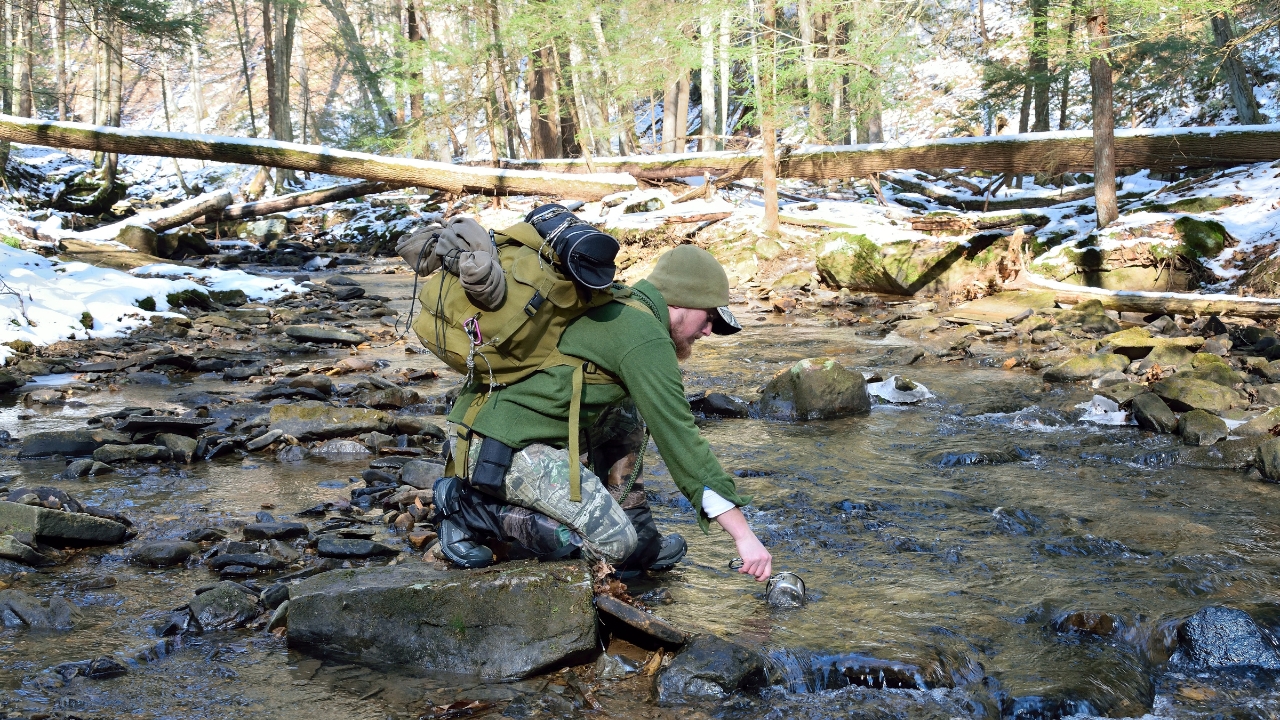
Gravity’s your best friend when you’re hunting for water. Rainfall and snowmelt always flow downhill, so valleys, canyons, and ravines are your best bet. It might mean a rough hike, but the payoff is usually worth it.
Even dry creek beds can hold pockets of water under the sand if you dig a little. Look for damp ground, greener plants, or mud—all signs that water’s close by. If you’re stuck on high ground, make getting lower your first move.
Look for Greener Vegetation

Nature drops hints if you’re paying attention. In an otherwise dry landscape, patches of bright green growth usually mean moisture. Willow trees, cottonwoods, and thick grass are all dead giveaways that water’s nearby.
Even if you can’t see open water right away, it could be hidden underground or a short distance away. Follow the healthiest vegetation downhill and stay alert. In the backcountry, a little green can be the difference between staying hydrated and running dry.
Dig for Seepage

If you find a dry stream bed or a muddy patch, don’t give up. Water can sit just below the surface, especially in shaded or low-lying areas. Dig a small hole about a foot deep and wait a few minutes—you might see water start to pool.
It’s not always clean enough to drink straight, but it can be filtered or boiled. This method takes a little effort, but when you’re desperate, it beats wandering around wasting energy you can’t afford to lose.
Collect Rainwater

When you’re stuck without a water source, catching rain can be a lifesaver. Spread out a tarp, poncho, or even large leaves to collect water during a storm. You can also string up gear to funnel runoff into a container.
Rainwater is one of the safest sources you’ll find in the wild because it hasn’t had time to pick up contaminants. Don’t waste an opportunity when the skies open up—you may not get another shot anytime soon.
Gather Morning Dew

When it’s dry and you’re out of options, morning dew can buy you some time. At first light, dew collects on grass, leaves, and rocks. Use a clean cloth, bandana, or even your shirt to soak it up, then wring it out into a container.
It’s not much, but if you keep at it, you can pull together enough to stay hydrated a little longer. Move fast, though—once the sun’s up and the heat kicks in, that dew vanishes quick.
Tap Tree Roots

Certain trees, especially in dry areas, can hold moisture in their roots. If you can find green, living trees like willows or cottonwoods near a dry creek bed, you’ve got a shot. Dig around the base or find exposed roots, and you might uncover water trapped underground.
It’s not a guaranteed method, and it’s more work than other options, but when you’re desperate, it’s worth a shot. Any water you get this way should be filtered or boiled before you drink it.
Build a Solar Still

If you’ve got some clear plastic and a shovel, you can rig a solar still. Dig a hole, toss some green vegetation inside, place a container in the middle, and cover the hole with the plastic. Weigh the edges down and put a small rock in the center to create a drip point.
As the sun heats up the vegetation, it’ll release moisture that condenses on the plastic and drips into your container. It’s slow, but it works—and sometimes slow is better than nothing.
Check Rock Crevices and Caves

Rocky areas can hide small water pockets. Rainwater and snowmelt often collect in cracks, holes, or shaded caves. If you’re in hilly or mountainous country, check shaded rock faces, ledges, and low spots where water would naturally gather.
Use a stick, cloth, or even your hands to pull water out of tight spaces if you have to. It might not be a steady supply, but a few sips can make a difference when you’re running on empty.
Follow Insects and Birds

When animals are scarce and vegetation’s spotty, watch the skies and ground. Birds like doves and pigeons usually visit water early in the morning and late in the afternoon. Insects—especially bees and ants—tend to hang close to water sources.
If you see a steady stream of insect activity or birds flying low in one direction, it’s a good bet they’re headed for water. Trust their instincts—they’re better at surviving out there than we are.
*This article was developed with AI-powered tools and has been carefully reviewed by our editors.