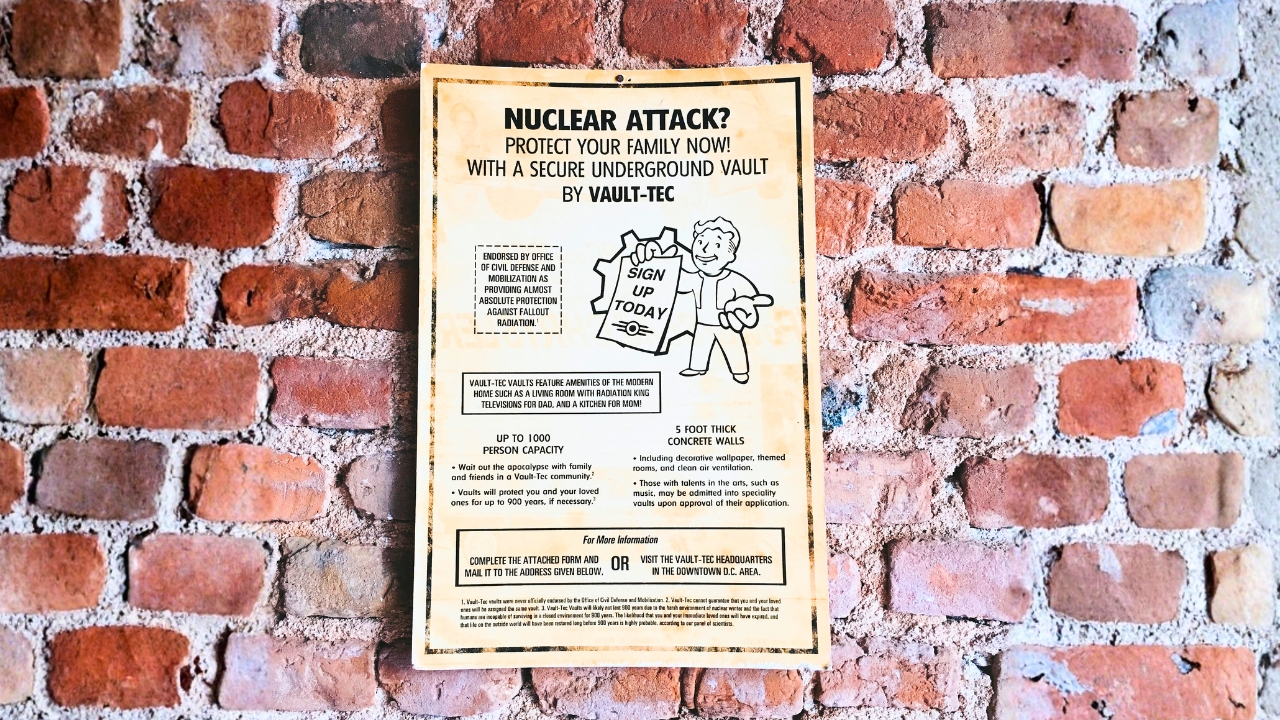
Photo credit: oznurbitkisi/Shutterstock.com
A lot of folks picture 1950s survival manuals as either goofy propaganda or some tough-guy “build a bunker and eat beans forever” fantasy. The truth is more practical and more revealing than that. A big chunk of mid-century survival guidance was written with one main fear in mind: a major war hitting cities and the systems that keep daily life running. That shaped the advice. It wasn’t written for weekend campers. It was written for ordinary families who might have to get through a chaotic first stretch with limited help, confusing information, and real risks from fallout, fire, broken infrastructure, and panic. The tone could be stiff, but the priorities were recognizable: protect life first, reduce exposure, keep basic sanitation, and be prepared to operate without modern convenience.
What’s interesting now is what those manuals emphasized that people still ignore, and what they got wrong because the world has changed. The good parts are mostly about time and distance—how to stay alive long enough for conditions to improve. The weak parts are usually about overconfidence in simple “rules” and assumptions about how quickly services would come back. If you read that era’s guidance with a modern eye, you can see the same pattern experts talk about today: the biggest danger early isn’t hunger, it’s exposure, injury, and bad decisions made under stress.
They pushed “shelter and time” as the main survival tools
One of the most consistent themes in 1950s-era guidance was that your best move in many scenarios is getting under cover and staying there long enough for the most immediate danger to drop. That’s especially true in nuclear-focused material, where the manuals leaned hard on shielding and waiting rather than trying to “escape” through chaos. The advice often assumed you might have very little warning and might need to use whatever shelter you had—basements, interior rooms, below-grade spaces, even improvised cover—because being out in the open during the most dangerous period could be a death sentence. The point wasn’t comfort. The point was reducing exposure and buying time.
That idea still holds up in a lot of modern disasters too. Storms, chemical incidents, civil emergencies, even certain wildfire situations—sometimes staying put early is safer than joining a mass movement of panicked people. The 1950s manuals were blunt about that. They treated roads, crowds, and confusion as hazards in themselves. If you couldn’t evacuate early and cleanly, the manuals tended to favor sheltering in place until you had better information and conditions weren’t peaking. People today still struggle with that because it feels “inactive,” but it can be the smartest thing you do.
They obsessed over fallout, dust, and contamination control
A big part of that era’s guidance was about contamination, and the language was often simple: keep dust out, keep yourself out of it, and don’t bring it into your living space. Manuals emphasized sealing windows and doors as well as you could, using damp cloths for cleanup, changing clothes if you’d been exposed, and keeping a clean area inside your shelter. Even if some of the specifics varied, the underlying lesson was solid: invisible hazards are still hazards, and you don’t solve them by pretending they aren’t there. You control them by controlling what enters your space and what contacts your body.
That type of thinking translates well to modern problems like wildfire smoke, floodwater contamination, and chemical spills. You’re not trying to be “sterile.” You’re trying to avoid loading your body with something harmful when medical care might be limited and systems might be stressed. The manuals pushed hygiene and contamination control because illness in a prolonged emergency becomes a compounding problem. A respiratory issue, skin infection, or stomach illness can wreck your ability to function, and those manuals knew that even if they didn’t describe it with modern medical language.
They treated water and sanitation like the real long-haul problem
If you strip out the Cold War framing, a lot of 1950s guidance was basically saying: once the immediate danger passes, the next fight is staying clean enough and hydrated enough to avoid disease. Manuals talked about storing water, protecting it from contamination, and having a plan if normal supply systems were compromised. They also pushed sanitation hard—latrine planning, waste management, and basic cleanliness—because once you have a lot of people sheltering or living with limited water, sanitation problems show up fast. That part reads boring, but it’s one of the most “real” things those manuals got right.
Modern people tend to focus on food because food feels tangible and dramatic. Those older manuals often treated water as the more immediate priority and waste as the sneaky threat that turns into sickness. If you’ve ever been in a long power outage with kids, you already understand the truth in that. You can be tough about hunger. It’s hard to be tough about a house that can’t flush, can’t wash, and is turning into a health problem. The manuals weren’t romantic about it. They treated sanitation as part of survival, not as an optional comfort.
They encouraged basic preparedness and self-reliance at the household level
A lot of 1950s survival writing assumed families would have to take care of themselves first, at least for a while, and that outside help might be delayed or overwhelmed. That meant stockpiling basics—water containers, canned and dry foods, first aid supplies, radios, flashlights, blankets—plus having a plan for what to do when communication was limited. Battery-powered radios and receiving official updates was a huge emphasis in that era because information controlled panic, and those manuals understood that rumors could be more dangerous than the event itself.
They also encouraged families to pre-plan roles, especially in households with kids. The manuals often treated “household order” as a real survival factor: keeping children calm, keeping people occupied, keeping routines when possible, and avoiding the kind of chaos that leads to injury and bad choices. That part may sound old-fashioned now, but it’s still true. In a stressful event, the family that has a simple routine and clear rules usually does better than the family that turns the first day into a free-for-all.
They assumed authorities and systems would be involved, but not instantly
One thing 1950s manuals often did was thread the needle between “do what the authorities tell you” and “don’t expect the authorities to save you quickly.” They leaned on civil defense messaging and official instruction, but they also assumed emergency response could be delayed and that local systems might be damaged or overloaded. That tension is still familiar today. The difference now is that people get flooded with information from a hundred sources, not just radio and local officials. The old model relied on fewer channels, which made it easier to control messaging but also easier for bad information to spread if the official line was wrong.
The takeaway isn’t that the manuals were perfect. The takeaway is that they treated the first hours and days as a period where you shouldn’t count on fast rescue, and you should plan accordingly. If you look at modern disasters—major freezes, hurricanes, floods, wildfires—the same principle holds. Help may come, but you should plan as if you’re on your own for a while, because that mindset changes how you store water, how you manage heat, how you conserve battery, and how you avoid risky travel.
What they got wrong or oversimplified
Some of the older advice reads overly confident in simple instructions, like you can seal a house perfectly, or that you’ll have clean water and stable supplies quickly if you just “follow the steps.” They also didn’t have modern understanding in certain areas, and they weren’t written for the realities of today’s dense urban infrastructure, modern materials, and dependency on electronics. There’s also the reality that some guidance was designed to reduce panic as much as it was designed to increase survival odds, which can shape how blunt or complete the instructions were.
Still, the core ideas that matter are surprisingly durable: shelter and time reduce exposure, contamination control matters, sanitation keeps you alive over the long haul, and household planning prevents mistakes. If you read 1950s survival manuals with those themes in mind, you’ll see they were less about heroic individual skills and more about organized, boring discipline. That’s not as exciting as the Hollywood version, but it’s closer to what actually keeps people safe when normal life stops working.
Like The Avid Outdoorsman’s content? Subscribe to our newsletter so you never miss an article.
Here’s more from us: