

Photo credit: Ground Picture/Shutterstock.com
Some dogs are fun when the sun’s out and the snacks are flowing, then vanish mentally the second things get loud, scary, or painful. Others really will stand there with you when you’re cold, tired, stressed, or dealing with something ugly. That doesn’t mean they’re movie heroes. It just means they’ve got the steadiness, nerve, and loyalty to stay engaged when a lesser dog shuts down. These are the breeds people lean on for search and rescue, protection work, farm life, and long days in rough country for a reason.
1. German Shepherd

German Shepherds are built to handle pressure. That’s why you see them doing everything from tracking missing kids to clearing buildings. A good shepherd doesn’t fold when sirens, shouting, or weird footing show up; it reads the situation, checks in with its handler, and keeps working. That stability is what you’re buying when you pick a real working-line dog instead of a backyard-bred question mark.
In a family setting, that same wiring shows up as a dog that sticks close when someone’s sick, sleeps near kids’ doors, and patrols the yard like it’s on shift. They’re not perfect—nerves and health can go sideways in bad lines—but when you get a solid one, they’re the kind of dog that leans into stress instead of leaving you to handle it alone.
2. Labrador Retriever

Labs get written off as happy goofs, but serious field-bred Labs show their character when the weather turns sideways. They’ll launch into cold water, bust ice, and push through cattails long after most dogs call it quits. That willingness to keep going when they’re shivering tells you exactly why waterfowl hunters keep breeding and training them. They’re partners, not decorations.
Around the house, that same heart shows up as a dog that refuses to leave your side when you’re under the weather or stressed out. They’re tuned in to tone and body language and tend to come closer when things feel tense. They’re not always graceful about it—sometimes “support” looks like 80 pounds of dog in your lap—but if you want a dog that doesn’t bail when life gets rough, it’s hard to argue against a good Lab.
3. Golden Retriever

Goldens are the ones that quietly climb onto the hospital bed, work search-and-rescue rubble, then go home and crash with the kids. Their bravery doesn’t look flashy; it looks like walking into emotional and physical chaos and staying calm enough to keep doing the job. Therapy and crisis-response work put them in rooms most dogs would want out of fast, and they keep showing up with a soft mouth and steady eyes.
They’re also the dog that follows you room to room when life hits you in the teeth—loss, sickness, stress—and doesn’t ask for much besides being allowed to stay. A good Golden won’t leave when you’re angry or sad; it hangs around, brings toys, and settles in at your feet. You don’t pick a Golden for “tactical,” you pick it because it’s one of the most emotionally steady breeds out there when things aren’t pretty.
4. Rottweiler
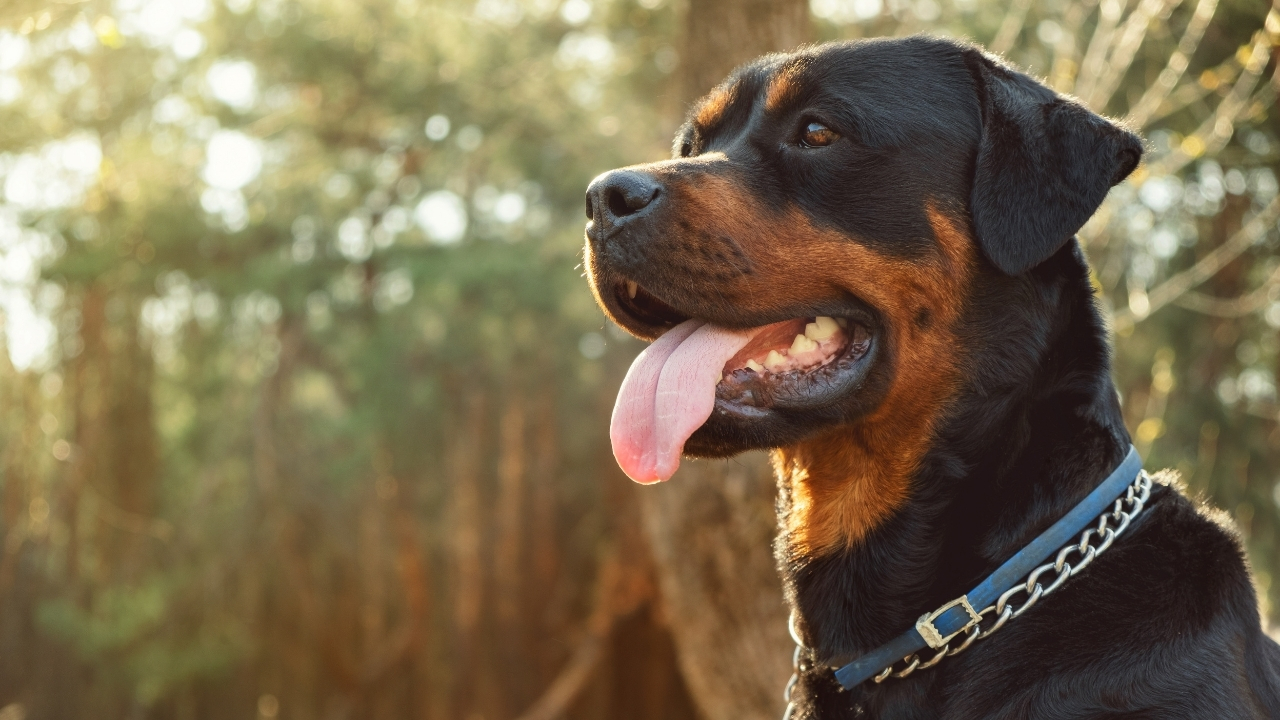
Rotts are quiet shadows that get serious when life does. They’re not usually the barky, frantic type; they’re the ones who plant themselves between you and a problem and refuse to budge. History as drover and guard dogs bred them to deal with pressure from both animals and people without losing their heads. That’s exactly what you want when things are tense and confusing.
When stuff goes sideways—argument at the gate, strange vehicles up the drive, emergency in the house—a well-trained Rott sticks close, watches hands and body language, and is ready if it needs to be. They’re also surprisingly tuned in to mood and health, often gluing themselves to a sick or upset owner. With the right upbringing, you end up with a dog that doesn’t scare easy and doesn’t walk away just because you’re not at your best.
5. Doberman Pinscher

Dobermans are built to watch one person and take that person’s problems personally. They were designed to stick close to someone carrying money in rough places, which is exactly why they cling so tight to their owners now. When tension shows up, a good Doberman doesn’t wander off and pretend not to notice. It moves closer, angles its body between you and whatever it doesn’t like, and stays there.
They’re the type that follow you into dark yards, late-night gas stations, weird parking lots, and stressful situations without making a big show about it. Around the house, they stick near the person they’ve picked as “theirs,” often picking up on anxiety or illness and adjusting on their own. If you want a dog that actually notices when things get rough and reacts to it, a well-bred Doberman is hard to beat.
6. Belgian Malinois

Mals are too much dog for most people, but if you’re talking about sticking with you in bad moments, they’re high on the list. They’re used to gunfire, chaos, fast entries, and hard hits in military and police work, and they keep coming back for more. Their default setting is “with you,” and once they understand a job, they’ll chew through walls to keep doing it.
That drive can be a pain in normal life, but it also means they don’t shy away when you’re stressed, shouting, or dealing with something that would send a soft dog under the table. For the right handler, a Mal is the dog that stays locked in on your cues through sirens, loud crowds, and ugly scenes. You don’t get that kind of commitment by accident; it’s what they were built for.
7. American Pit Bull Terrier

Strip the drama away and you’ve got a dog bred for grit and stick-to-it toughness. A real APBT is hard to fluster; it’ll push through physical discomfort, keep trying when work gets tough, and come right back for more attention after something that would make other dogs check out. That’s part of why they do so well in sports, weight pull, and working roles when someone gives them structure.
In a family, that toughness usually turns into a dog that won’t leave your side when you’re having a rough day and doesn’t panic when voices get raised or emotions get big. They want contact, and they want to be where their people are, period. You have to be careful how you channel that—bad owners point it in bad directions—but if you actually give them a job and rules, they’re some of the most ride-or-die dogs you’ll own.
8. Staffordshire Bull Terrier

Staffies are small tanks with huge hearts. Their whole body language around their people says “close, closer, on top of you.” They tend to be cheerful even when life is messy, which makes them a solid emotional backup. When things go bad—breakup, loss, illness—they usually react by gluing themselves to you harder, not drifting off.
In work contexts, they’ve been used as therapy dogs and in some search roles because they’re sturdy enough to handle stress and still want human contact. Staffies will sit through long hours, weird environments, and loud noises as long as they’re with their person. That’s exactly the kind of dog you want on the couch after a rough hunt, a bad week, or an ugly family meeting—the dog that will happily nap pressed into your ribs until things calm down.
9. Boxer

Boxers are clowns on the surface, but when life hits, they tend to be some of the most emotionally tuned-in dogs in the room. They’ve been used as war dogs and guard dogs for a reason—they’re not scared of noise, movement, or confusion once they understand the situation. Around kids and family, they usually respond to crying or distress by checking in and staying close.
They’re also the dog that stays upbeat when you’re dragging. Long, bad day? A Boxer will still be ready to go for a walk, wrestle in the yard, or just lean against your legs and snore. They bring stubborn optimism into some rough moments, and that’s a kind of support most people underestimate. You don’t buy a Boxer for a poker-faced “serious” dog; you buy one because it’ll still be in your corner when your own energy’s gone.
10. Australian Shepherd

Aussies pick their people and then act like tiny, intense shadows. They’re herding dogs, so they naturally track your movement and state all day. When things get stressful—fights, chaos, bad news—they don’t wander away to sleep in another room. They push in closer, patrol doorways, and keep an eye on everyone’s location like they’re managing a flock.
Out in the field or on land, they’re the dog that keeps working when the weather turns cold or the day runs long. Their default answer to discomfort is “keep going.” That makes them great for ranch life and rough conditions, but you do have to give them outlets. For someone looking for a dog that doesn’t mentally clock out the second things get tough, a well-bred Aussie does the job.
11. Border Collie
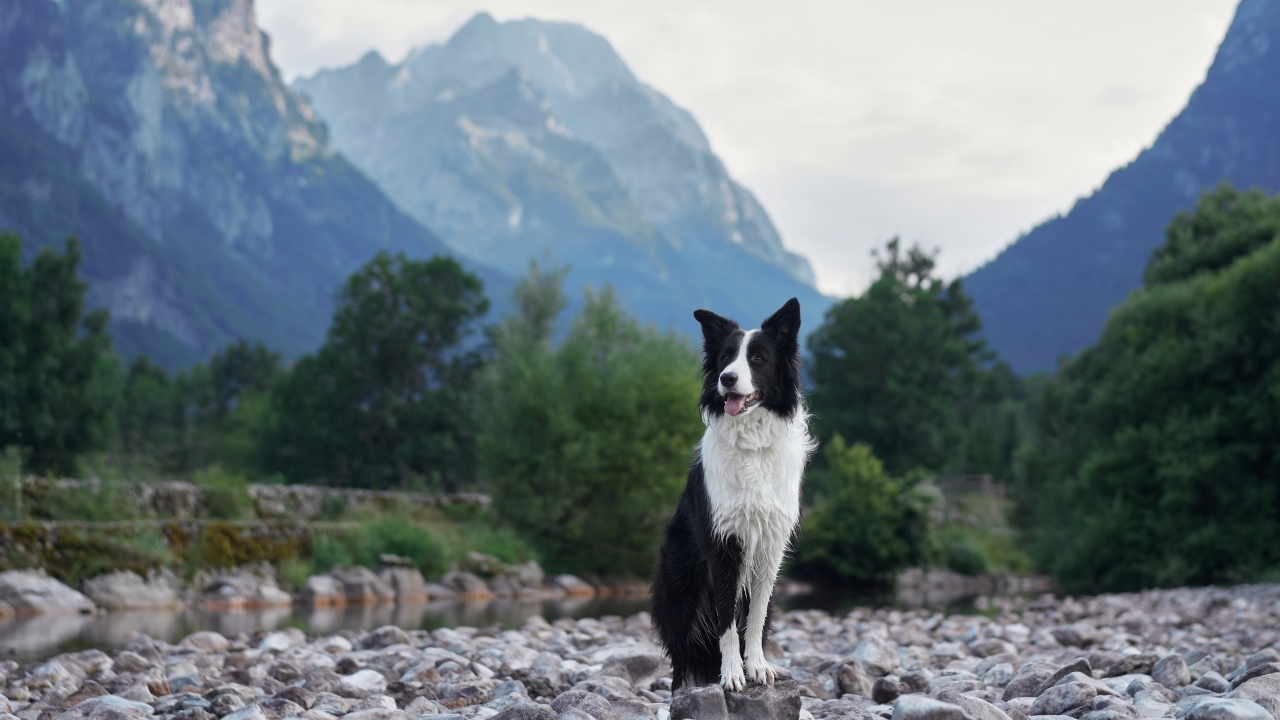
Border Collies live in problem-solving mode, and that doesn’t shut off just because life gets messy. These dogs are used to working livestock in bad weather, long days, and tense scenarios where mistakes cost you time and money. They keep taking whistles and cues when they’re tired or frustrated, which says a lot about their mental toughness.
At home, that can look like a dog that sticks close when someone’s upset or sick, trying to “help” by bringing toys, watching doors, or simply parking nearby. They pick up on small changes in routine faster than most breeds and will often shadow the person who’s struggling. The catch is you need to give that brain something to do. If you do, you get a dog that shows up on the worst days just as reliably as the best ones.
12. Great Pyrenees

Great Pyrenees are livestock guardians first, pets second. Their whole job revolves around staying outside all night, in all weather, making their own decisions about what counts as a threat. That kind of independence doesn’t come without a backbone. They don’t leave their post because something feels uncomfortable; they hold the line because something under their care might get hurt if they don’t.
In a family, they often adopt the same attitude. When storms roll in, strange vehicles creep by, or tension runs high in the house, a Pyr usually plants itself between the “flock” and the outside world. They’re calm, steady dogs that don’t make a big show out of their work. But if things get weird at two in the morning, they’re the ones that already heard it and are standing in the hallway waiting to see what you do.
13. Anatolian Shepherd

Anatolians are serious ranch guardians that don’t flinch easily. They’re used to handling predators, weather, and isolation without anyone standing over them. When coyotes, feral dogs, or bigger threats show up, they move toward the problem instead of away from it. That’s literally what they were bred to do: stay with the livestock no matter what’s pacing the fence line.
In a human context, they’re not clingy, but they are constant. They’ll patrol property lines on their own and keep watch when storms knock power out or strange trucks start parking where they shouldn’t. If you’re someone who lives on land and wants a dog that stays on duty when things get uncomfortable—long nights, weird noises, real threats—an Anatolian that knows its job is about as steady as it gets.
14. Kangal

Kangals bring the same guardian mindset as Anatolians with a reputation for going hard when they have to. They’ve been used against serious predators, and they don’t tap out easily once they commit. You don’t see them crumble in the face of loud noises or fast movement; they’re more likely to step forward and put their body between the threat and the animals or people they’re protecting.
They’re not overly cuddly with strangers, but they tend to be rock-solid about their core circle. That means sticking close when there’s yelling at the gate, staying out in nasty weather because something needs watching, and staying on their feet during long, tense nights. They’re not for everyone—it’s like owning a full-time security guard—but if “stick with you when things get bad” is the metric, they rank high.
15. Newfoundland

Newfoundlands were bred as water rescue and working dogs in cold Atlantic conditions. That’s not a job for a dog that quits easily. They’ll drag nets, haul lines, and swim in water that would send most breeds back to shore. They also have a long history of pulling people out of trouble, and they’re one of the few breeds you can honestly say still has that instinct in their DNA.
Around family, they’re calm, patient, and surprisingly tuned in to distress. You’ll see them gravitate toward kids that are upset, sit near adults who are sick, and generally act like living, breathing weighted blankets when the house feels heavy. They may not be “sharp” in the protection sense, but they are absolutely dogs that stay present when things hurt—physically or emotionally—and that counts as sticking with you just as much as barking at a threat.
Like The Avid Outdoorsman’s content? Subscribe to our newsletter so you never miss an article.
Here’s more from us:


