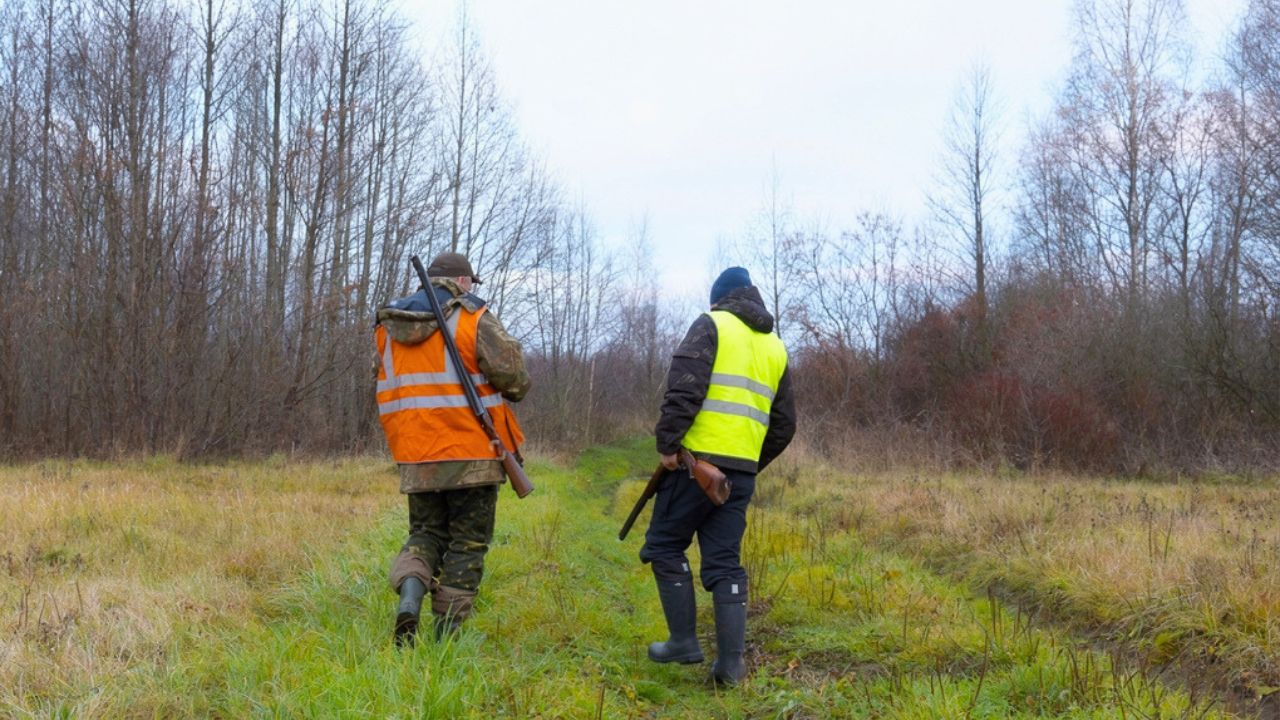
Photo credit: Maksim Safaniuk/Shutterstock.com
Most hunting issues with neighbors don’t start out as big problems. They build slowly. It might be extra pressure along a fence line, shots at times you’re not used to, someone pushing game toward your side too often, or hunting patterns that start interfering with how your property usually works. At first, you brush it off. Then it keeps happening, and now it’s affecting your hunting, your peace of mind, or even how safe things feel.
The mistake a lot of landowners make is letting it simmer too long. They don’t want to cause tension, so they say nothing. Or they wait until they’re frustrated enough that the conversation comes out sharper than it should. Neither approach helps. The best way to handle it is early, calm, and clear—before it turns into something harder to fix.
Get clear on what the actual problem is
Before you do anything, make sure you can explain the issue without emotion. “They’re ruining my hunting” is not helpful. “They’re walking the fence line every morning before daylight” or “they’re shooting toward this corner consistently” is.
That level of clarity matters because it keeps the conversation grounded. It also helps you avoid exaggerating the situation in your own head. Once you know exactly what’s happening, it’s a lot easier to address it without things getting messy.
Don’t assume bad intent right away
It’s easy to jump to the conclusion that the neighbor knows exactly what they’re doing and just doesn’t care. Sometimes that’s true. But a lot of times, they don’t realize how their habits are affecting your side.
They may not know how sound carries. They may not realize how close they’re getting to the line. They may think what they’re doing is completely reasonable. Starting from that place makes the conversation a lot easier to have—and a lot more likely to go well.
Have the conversation before it builds into frustration
Timing matters here. If you wait until you’re irritated, the conversation is going to come out that way whether you mean it to or not. That’s when things turn defensive fast.
A better approach is catching it early. Keep it simple. Explain what you’re noticing and why it’s a concern. You’re not trying to win an argument—you’re trying to get on the same page.
Keep it about the behavior, not the person
This is where a lot of conversations go sideways. The second it feels personal, people stop listening. Stick to what’s happening, not who they are.
Instead of “you’re hunting too close,” it’s “this area is getting pressure from this direction and it’s affecting how things move on my side.” That keeps the focus where it needs to be and gives you a better chance of getting a reasonable response.
Pay attention to whether things actually change
After the conversation, watch what happens. If the behavior adjusts, great—you handled it right and it’s done. If nothing changes, that tells you something too.
At that point, you’re not dealing with a misunderstanding anymore. You’re dealing with a pattern, and patterns need a more deliberate response than a one-time conversation.
Adjust your own approach if needed
Sometimes the reality is that you can’t control what your neighbor does. Even if they’re not doing anything technically wrong, their habits might still affect your hunting.
In those cases, it may make more sense to adjust how you use your property rather than constantly fighting the situation. That might mean changing entry routes, shifting stand locations, or hunting certain areas at different times.
Don’t let it turn into ongoing tension
The last thing you want is a long-term issue with someone who shares a boundary with you. That makes everything harder—not just hunting, but general day-to-day life around the property.
Handling things early, staying calm, and keeping the focus on solutions instead of frustration is what prevents that. Even if you don’t get a perfect outcome, you avoid turning it into something bigger than it needs to be.
The goal is a workable situation, not a perfect one
You’re not trying to control your neighbor’s every move. You’re trying to make sure both sides can use their land without creating constant problems for each other.
The hunters and landowners who handle this best don’t ignore issues, but they also don’t overreact. They stay clear, steady, and focused on keeping things workable. That’s what keeps a manageable situation from turning into a lasting problem.
Like The Avid Outdoorsman’s content? Subscribe to our newsletter so you never miss an article.
Here’s more from us: