Photo credit: jggrz/Pixabay.com
Porcupines look slow and harmless, like a big walking pincushion that mostly minds its own business. Then you spend any time in the woods and realize they’re tougher, more stubborn, and more destructive than people expect—especially when dogs get involved. Here are 15 facts that catch a lot of folks off guard.
Their quills don’t “shoot,” but they sure feel like they do
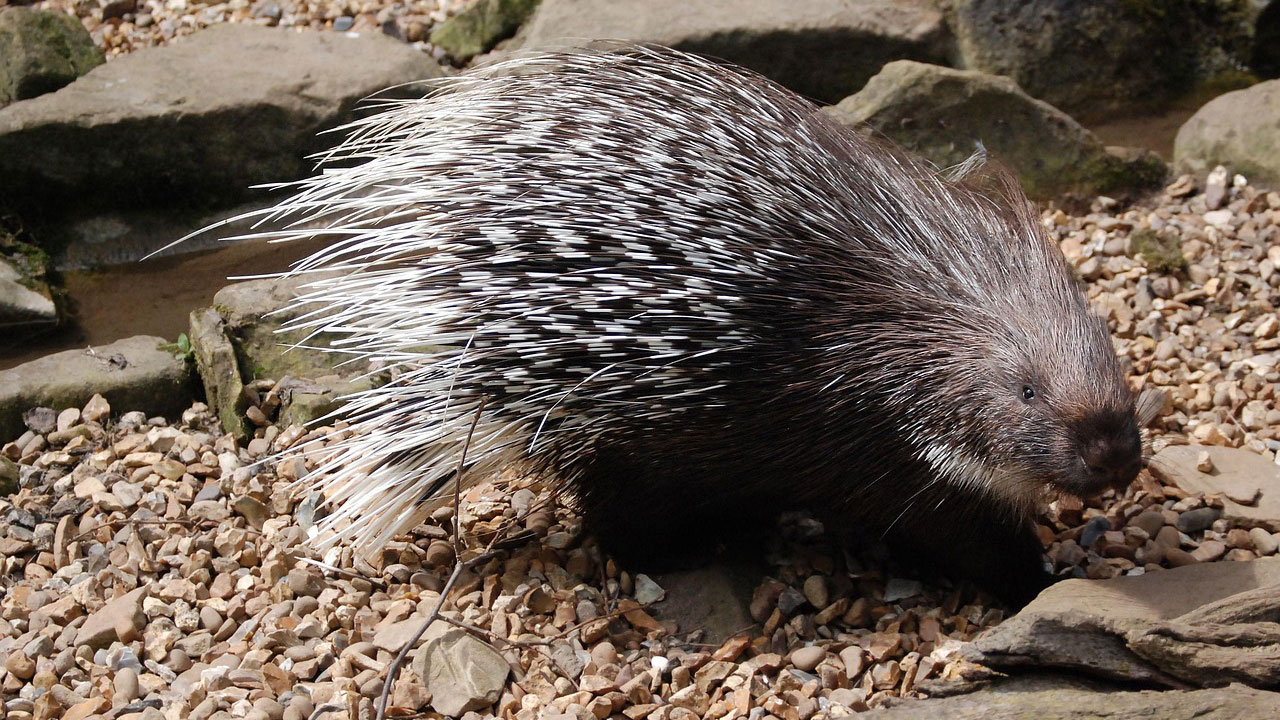
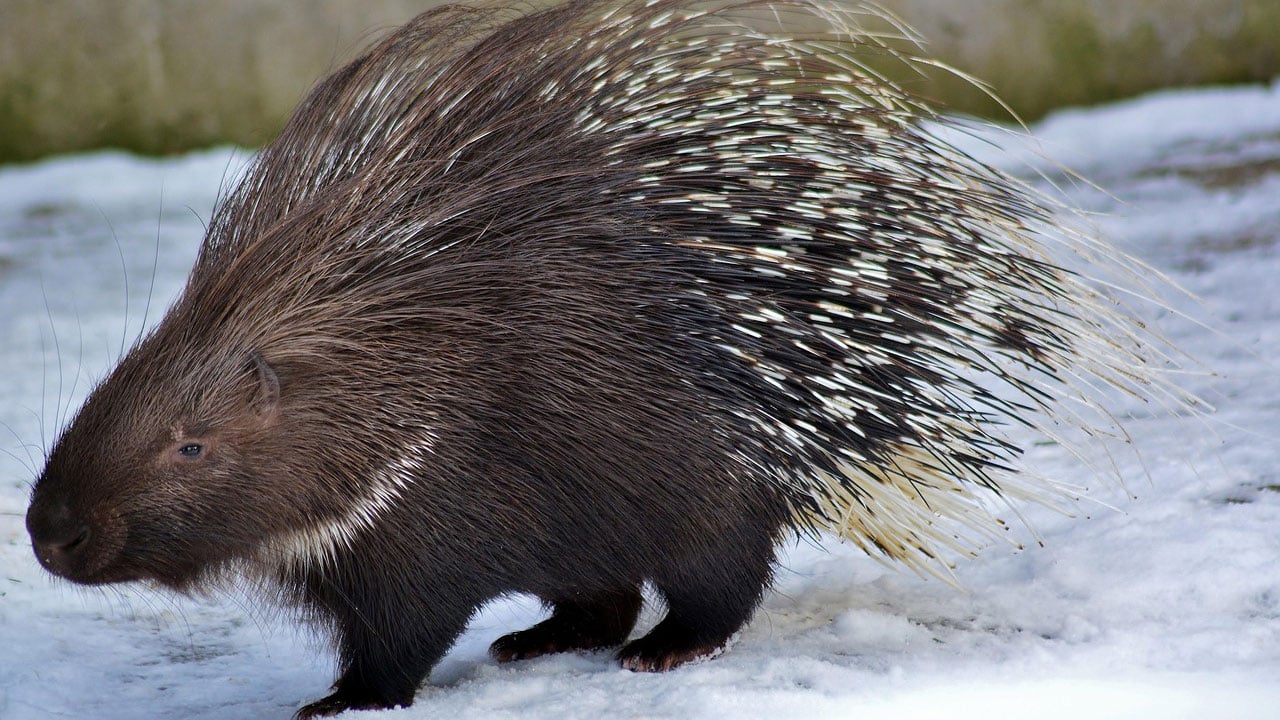
Porcupines can’t launch quills like darts. That’s a myth. What they can do is swing their tail fast and make contact, and their quills come out easily on impact. That’s why it looks like the quills “flew” into a dog’s face—really the dog ran into them, or the porcupine slapped them with that quill-covered tail.
The barbed design is the real problem. Once a quill is in, it doesn’t want to come back out the way it went in. That’s why even a brief encounter can turn into a serious mess, especially if the dog keeps lunging.
Quills are modified hairs, not bones
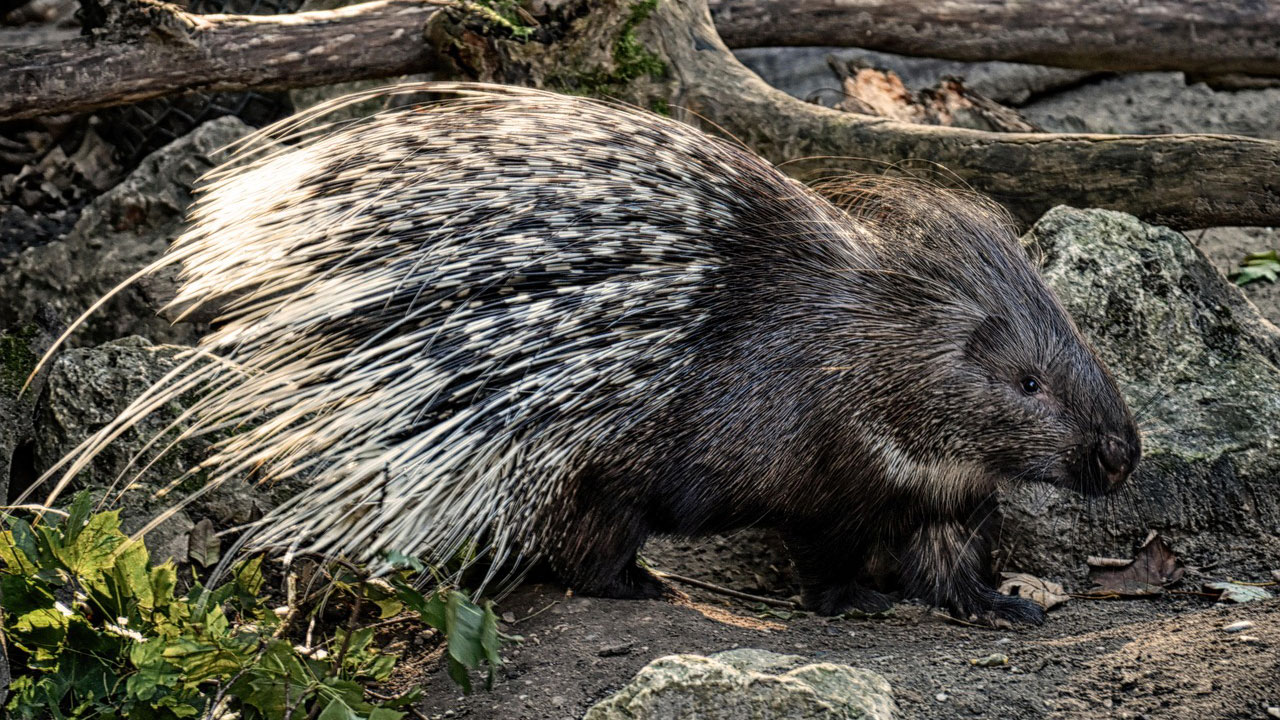
It sounds small, but it matters. Quills are basically specialized hairs made of keratin (like fingernails), and they’re built to penetrate and hold. That structure is why they’re light, sharp, and surprisingly strong.
Because they’re not “bones,” they can break, splinter, and leave pieces behind. That’s also why pulling quills the wrong way can snap them, making removal harder and increasing the chance of infection.
The barbs make quills work their way deeper

This is why porcupine encounters are not something you ignore and “wait out.” Quills have microscopic barbs that can slowly migrate inward with movement. If a dog has quills in the mouth, throat, or face, that movement can push quills into worse places over time.
That’s why vets take these seriously. Even if the dog looks okay after you pull a few out, any missed quills can cause problems later. The “surprise” is that the danger doesn’t always peak on day one.
They’re mostly quiet… until you’re too close
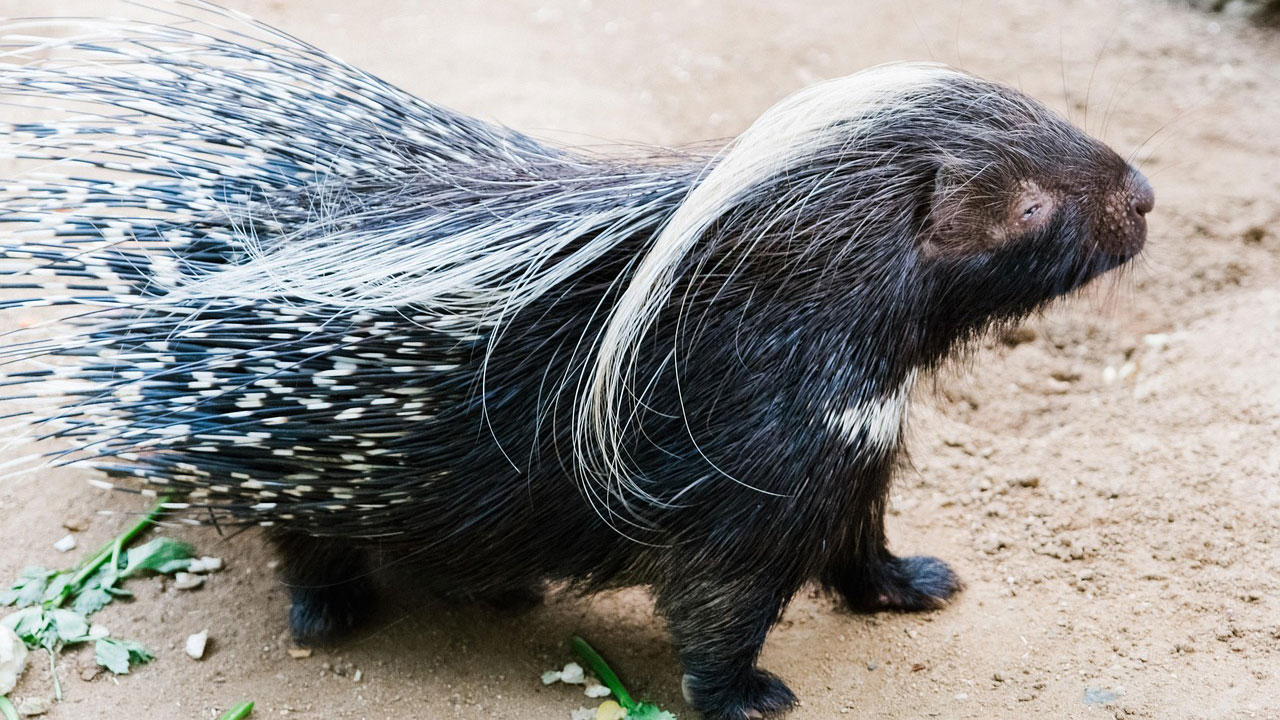
Porcupines aren’t loud animals, which is why people stumble into them. They don’t usually run off early like deer. Their defense is “hold ground and dare you.” When threatened, they can chatter teeth, grunt, and stomp, but they often rely on you making a bad decision and coming closer.
That calm confidence is what gets dogs nailed. A porcupine doesn’t have to chase you. It just has to sit there and let curiosity do the work.
They’re excellent climbers
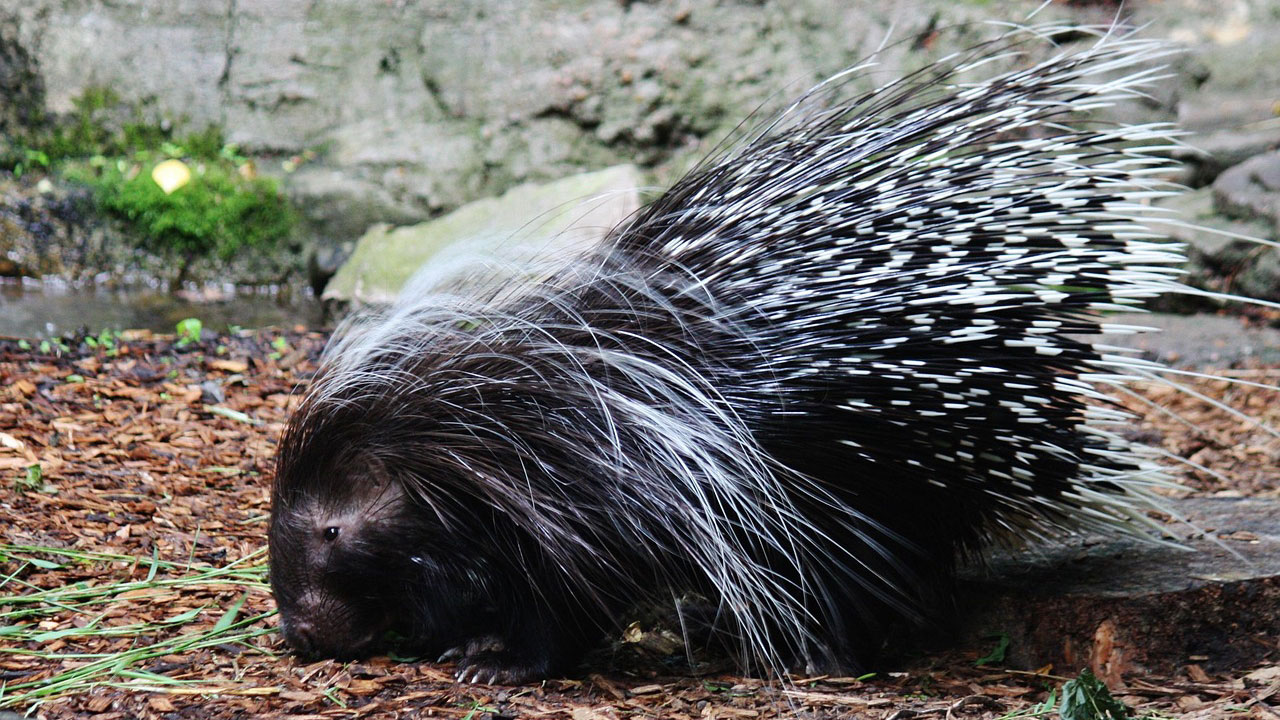
Porcupines look like they should be terrible in trees, but they climb very well. They spend a lot of time in trees feeding and resting, and they can move through branches with more control than people expect.
This surprises folks who assume they only live on the ground. It also explains why you’ll find chew damage on trees and why dogs sometimes get quilled by a porcupine they “found” at the base of a tree.
They can do serious tree damage
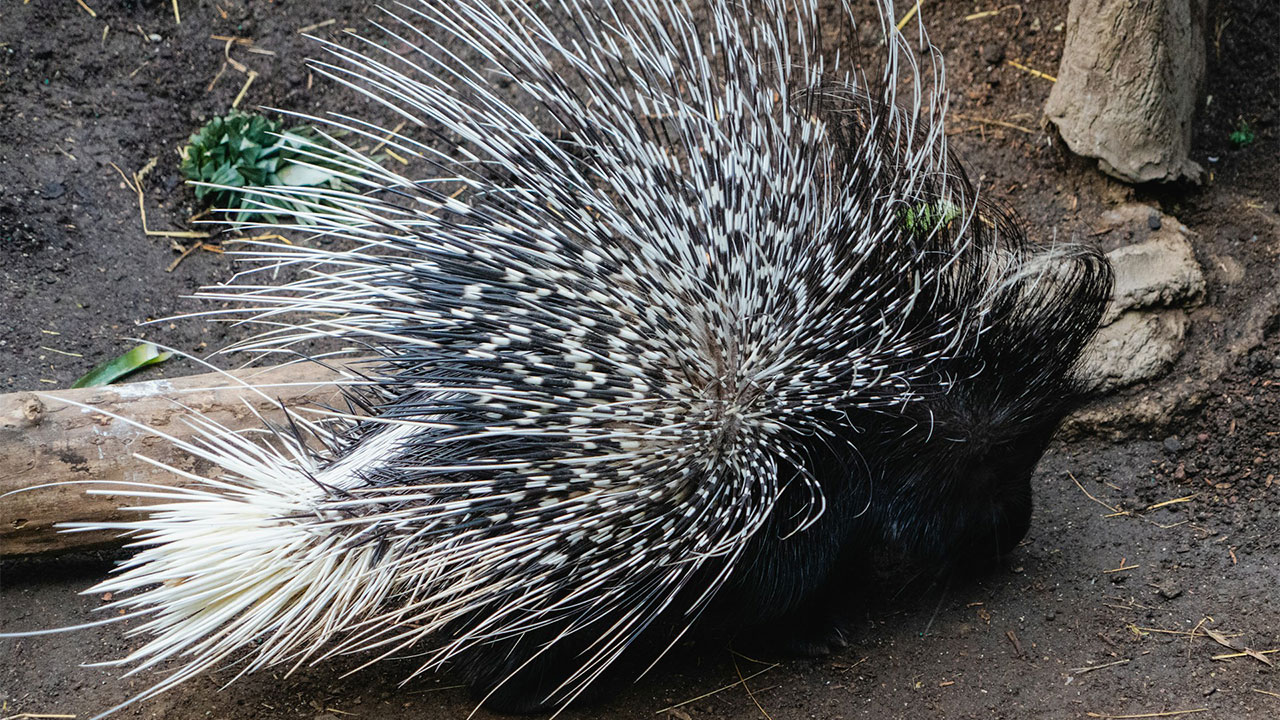
Porcupines are notorious for chewing bark, and that can harm or kill trees—especially when they strip bark around the trunk (girdling). They’ll also chew branches and sometimes target certain species depending on availability.
If you’ve got timber, orchard trees, or a yard with young trees near wooded edges, porcupines can become a real nuisance. They don’t need to be numerous to cause noticeable damage.
Their teeth never stop growing
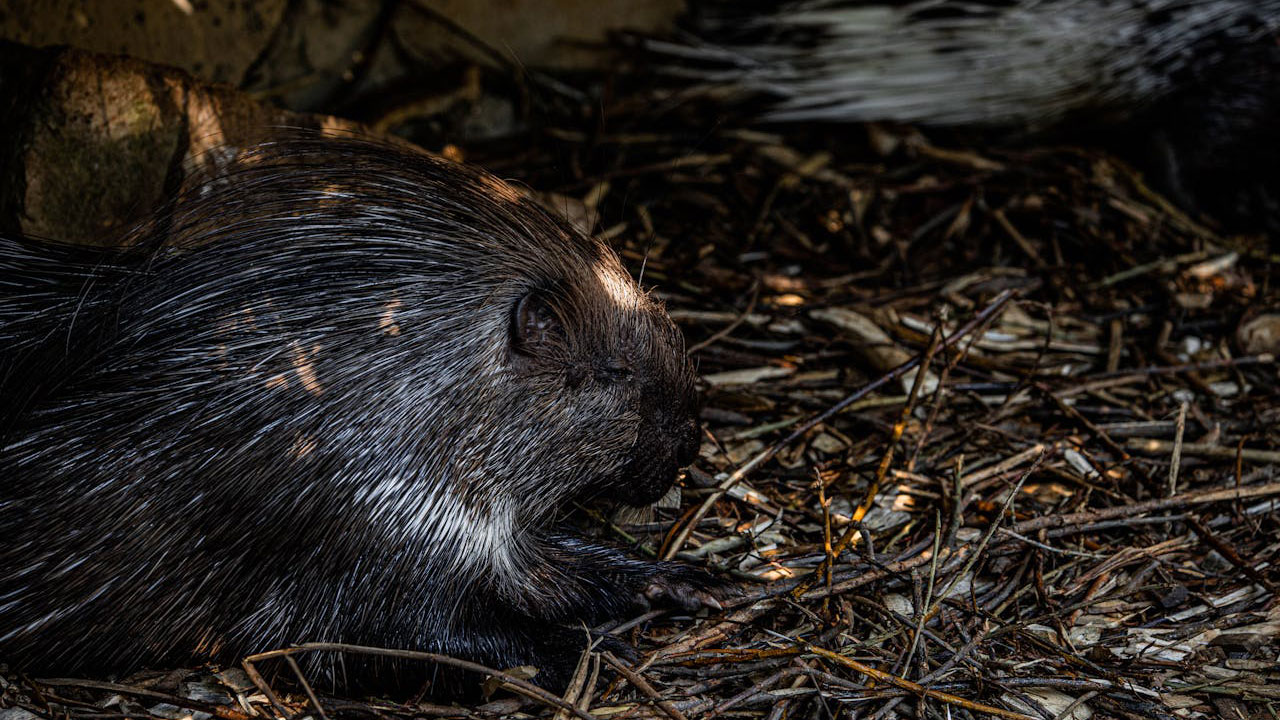
Like rodents, porcupines have teeth that keep growing. Chewing isn’t just feeding—it’s maintenance. They grind teeth down constantly by gnawing. That’s part of why they’ll chew on wood, bark, and sometimes other materials.
This also ties into why they can damage cabins, tool handles, and anything that has salt or minerals on it. They’re not always “eating” the thing—they may be chewing for other reasons.
They crave salt and can become a campsite problem
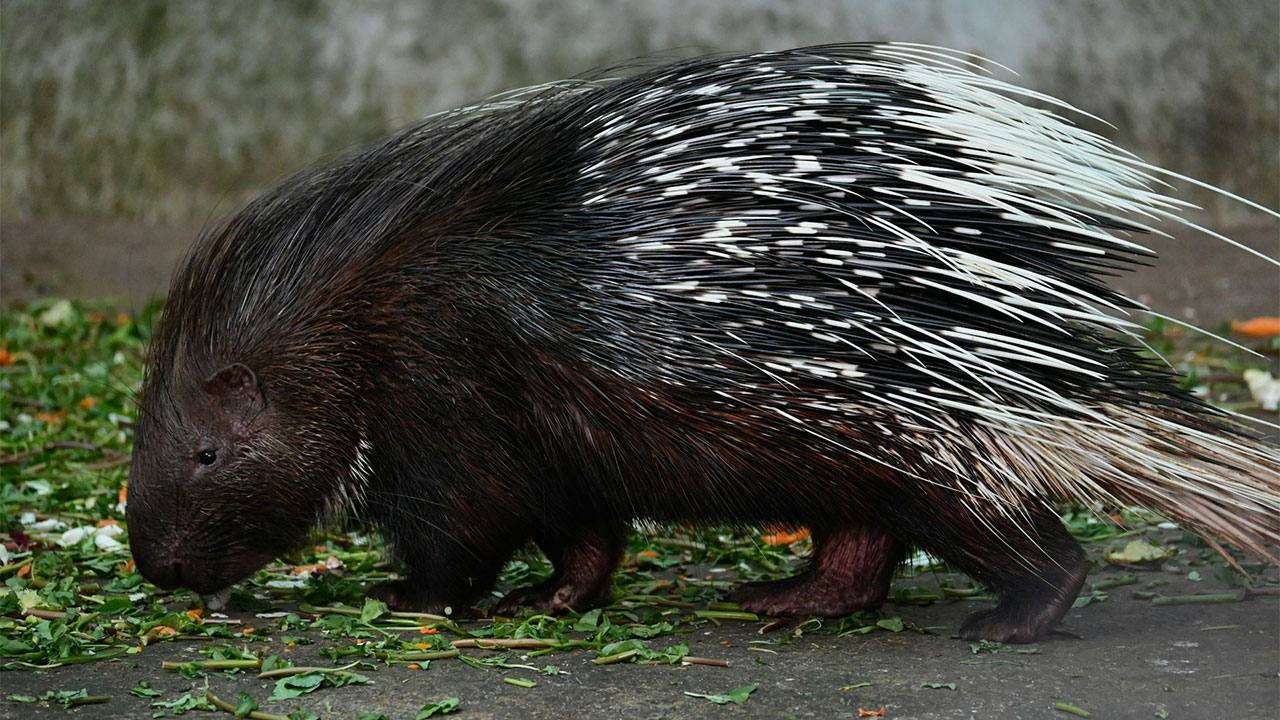
Porcupines are drawn to salt and minerals, which is why they’re known to chew on sweaty gear, boot straps, pack straps, tool handles, and even car wiring in some areas. Anything salty can become a target.
This is one of those problems you don’t believe until it happens. You leave boots outside overnight and wake up to chew marks. You stash a pack under a porch and find straps damaged. Porcupines aren’t fast, but they’re persistent.
They’re mostly nocturnal
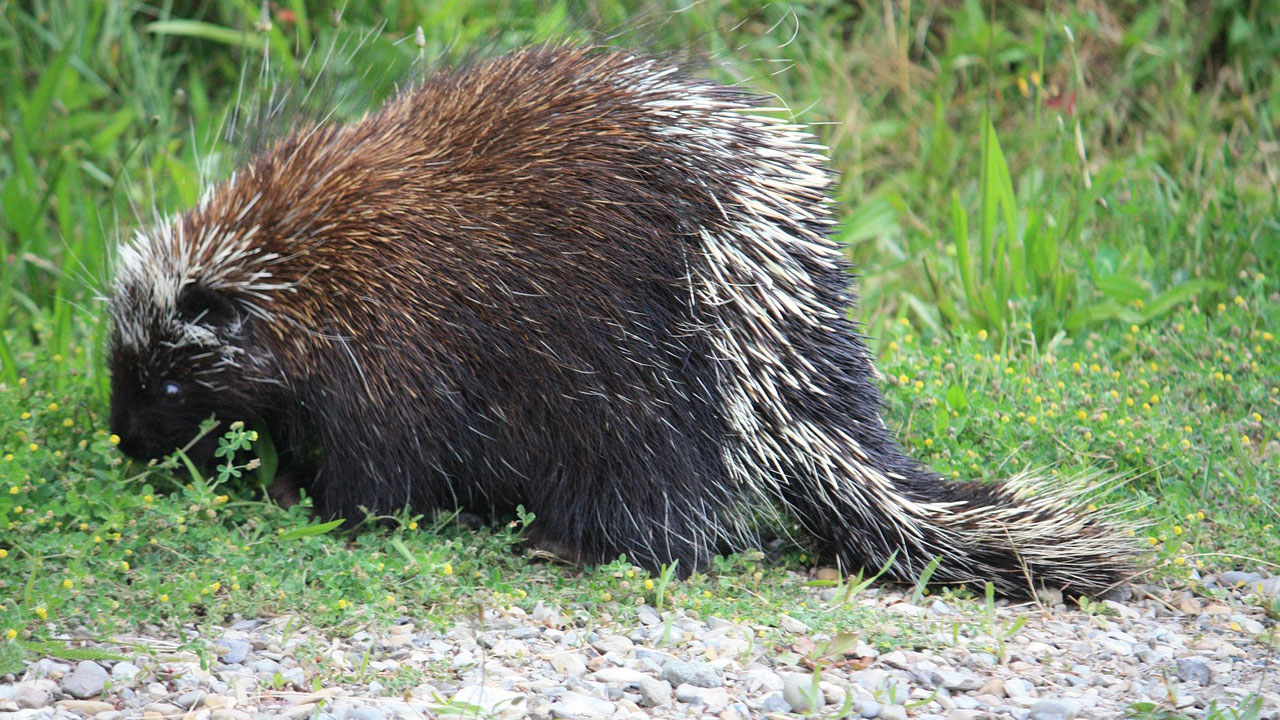
You can see porcupines in daylight, but they’re generally more active at night. That’s why a lot of encounters happen on evening walks, night bathroom breaks, or early morning hunts when dogs are roaming in the dark.
If you’re in porcupine country, letting a dog run loose at night is basically asking for trouble. The surprise isn’t that porcupines exist—it’s how often people bump them without ever seeing them until it’s too late.
They’re slow, but they don’t need speed

Porcupines aren’t built to run. They’re built to survive contact. Their defense works because most predators don’t want a face full of barbs. That means they can be slow and still be effective in most environments.
This is why porcupines don’t panic like other animals. They’ll waddle, climb, or hold their ground. Their whole strategy is “you can’t afford to bite me.”
Dogs are their biggest conflict, not humans

Humans rarely get quilled because we don’t usually rush them. Dogs do. Most porcupine “attacks” are really a dog being a dog—curious, bold, and too close.
That’s why porcupines get labeled as aggressive when they’re usually defensive. If you keep dogs under control in porcupine areas, your odds of trouble drop fast.
Porcupines are strong swimmers

It surprises people because they look heavy, but porcupines can swim. Their hollow quills help with buoyancy, and they can cross water in ways you wouldn’t expect from a slow-moving animal.
This matters because water isn’t always a barrier. You might assume a porcupine won’t cross a creek or pond edge, then you find evidence it’s moving through those areas anyway.
They’re not picky eaters, but they have favorites

Porcupines will eat a variety of plant material—bark, leaves, twigs, buds, and more. But in many areas they develop preferences for certain tree species and will work those hard.
That’s why damage can look concentrated. You’ll see one stand of trees chewed up while nearby trees look fine. They’re not random. They’re opportunists with preferences.
They can live longer than people think
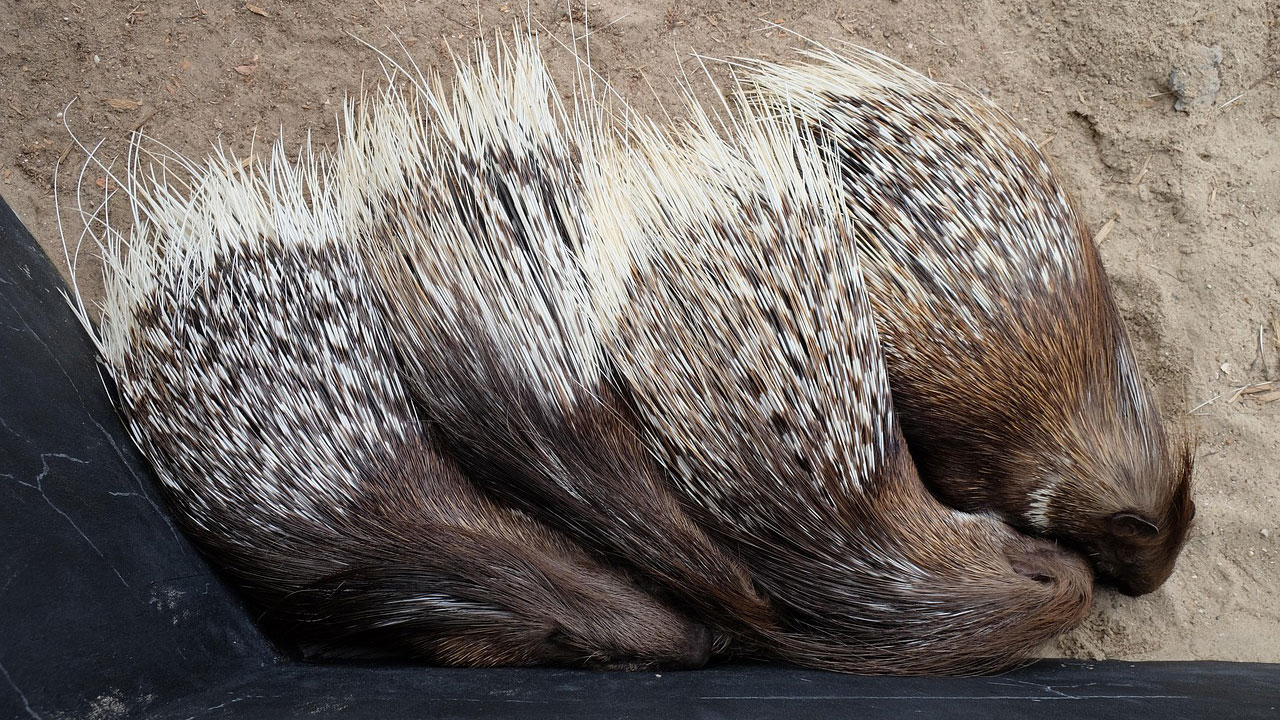
Porcupines aren’t a “short-lived critter” in many environments. They can survive multiple seasons because they have a strong defense system and they don’t need to take many risks.
That longevity is one reason they can become a repeat nuisance near cabins, orchards, or rural properties. If one finds a good food source and low pressure, it can stick around and keep causing problems.
A porcupine problem usually isn’t solved by “chasing them off”
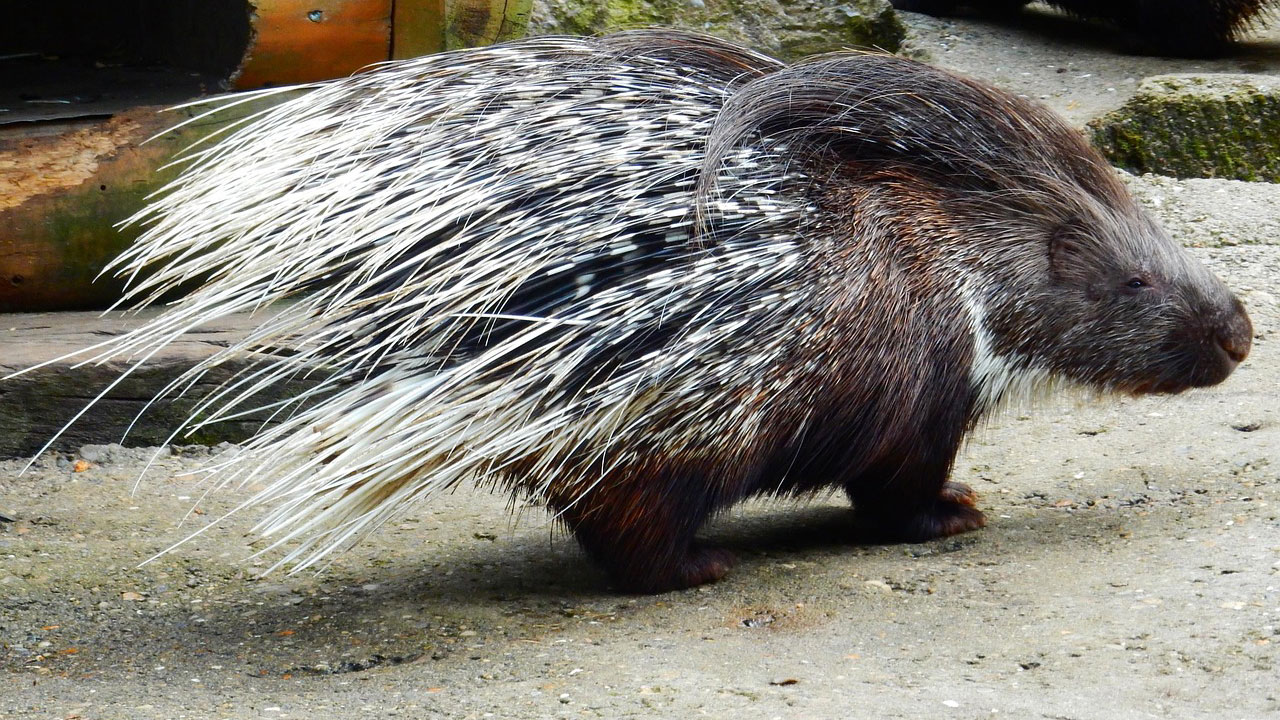
Porcupines move slowly and return to good resources. If your property has what they want—salt, trees they like, or low-disturbance cover—just scaring them off once often doesn’t fix it. They’ll come back.
That’s why people in porcupine country usually handle it with prevention: bring salty gear inside, protect young trees, control dogs, and don’t make your campsite or porch an easy chewing buffet.
Like The Avid Outdoorsman’s content? Subscribe to our newsletter so you never miss an article.
Here’s more from us: