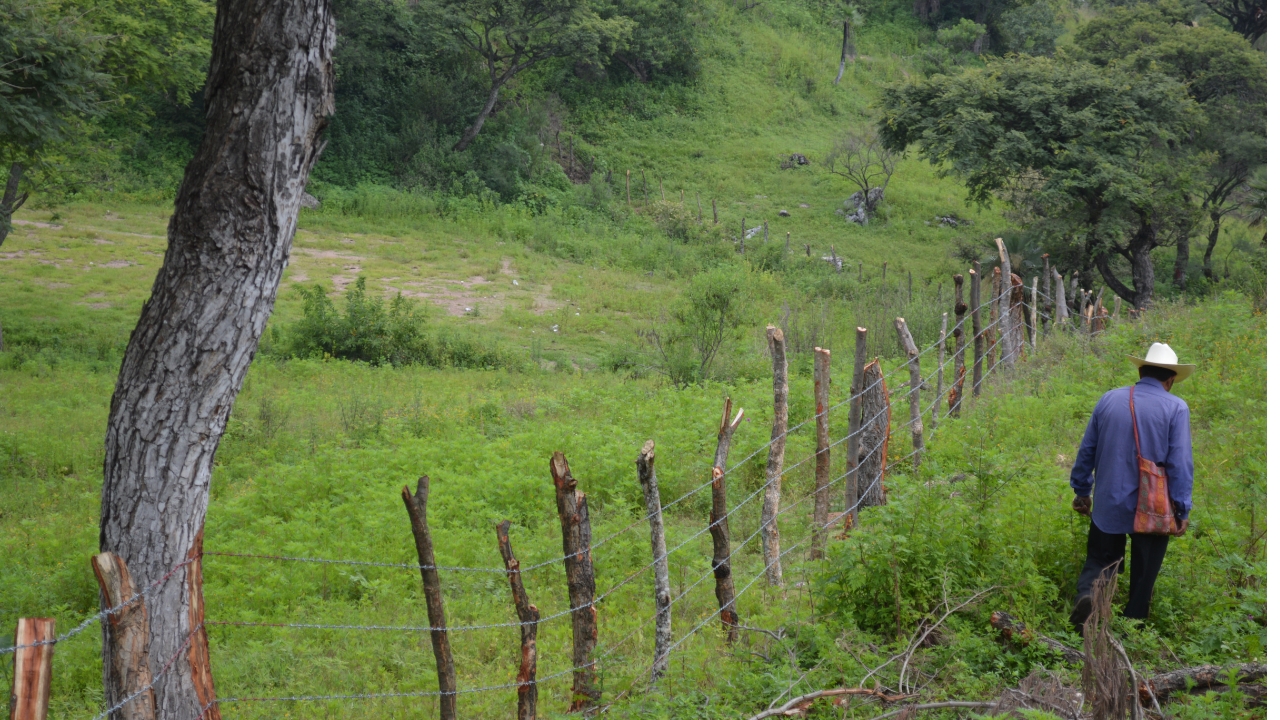
Photo credit: Eduardo Cota/Shutterstock.com
Trespassers have a way of making a calm landowner mad in a hurry. You work for the property, pay taxes on it, maintain fences, hang signs, manage the woods, plant plots, keep gates up, and then someone wanders across the line like none of it matters. Maybe it’s a hunter slipping through the back corner. Maybe it’s someone riding an ATV down an old trail. Maybe it’s a neighbor who keeps “accidentally” crossing because the shortcut is easier than going around.
The hard part is that being right does not give you permission to handle it wrong. A trespasser may be the one who crossed the line first, but if you lose your temper, threaten someone, block them in, damage their property, or get physical when there is no immediate danger, the situation can turn back on you. The goal is to protect your land without becoming the bigger problem.
Know your line before you confront anyone
Before you accuse someone of trespassing, make sure you know where the property line actually is. Old fences, creek bends, tree lines, worn paths, and “that’s where we’ve always said it was” boundaries can be wrong. Rural land gets messy over time, and a lot of arguments start because both sides think they’re standing on their own ground.
Check your survey, county records, marked pins, lease map, or other reliable property documents. Mapping apps can help you get close, but they should not be your only proof when the line matters. If the issue is close or disputed, get the boundary confirmed before you confront anyone. A calm landowner with proof is in a much stronger position than an angry one guessing from memory.
Make your signs clear and hard to ignore
If you don’t want people crossing, make that obvious. Post signs at the places people actually enter, not just near the driveway or along the easiest stretch of road. Trespassers often come through back gates, creek crossings, old logging roads, fence gaps, pasture corners, and trails that don’t look like much from the house.
Replace faded signs, fix broken posts, and make sure your markings follow local rules. Some places allow purple paint markings, while others have specific posting requirements. Know what applies where you live. Clear signs do two things: they warn honest people before they make a mistake, and they make it harder for repeat trespassers to claim they didn’t know.
Document before you confront
If someone keeps coming onto your property, start collecting details. Write down dates, times, locations, and what happened. Save trail camera photos, gate camera clips, tire tracks, boot prints, damaged locks, cut fences, and pictures of any stands or bait piles that shouldn’t be there. If a conversation happens, make notes afterward while it’s still fresh.
Documentation keeps the issue from becoming your word against theirs. One blurry picture may not solve much, but a pattern can. If the same person, truck, ATV, or access point keeps showing up, you have something useful to give a game warden, sheriff’s deputy, lease manager, or landowner. The more organized you are, the less you have to rely on emotion.
Don’t confront someone while you’re angry
The worst time to handle a trespasser is the moment you first see them and feel your temper jump. That’s when people say things they shouldn’t, make threats they can’t legally back up, or turn a fixable problem into a personal feud. It feels good for about five seconds, then it can become a mess.
If there is no immediate danger, give yourself a minute. Take a breath. Think through what you want to say. The first conversation should be direct, not wild. Something as plain as, “This is private property, and you don’t have permission to be here,” is stronger than yelling across a fence. You want to sound like the landowner, not the guy losing control.
Keep the first conversation simple
If you decide it’s safe to talk to the person, don’t overcomplicate it. Tell them where they are, tell them they don’t have permission, and tell them not to come back. That’s enough. You don’t need to argue every excuse, debate the property history, or get dragged into a story about how their uncle used to hunt there twenty years ago.
A simple line works best: “This is private property. You need permission to be here. Don’t cross this line again.” If they truly made a mistake, they’ll usually apologize and leave. If they start arguing, that tells you something too. Don’t let them pull you into a shouting match. Repeat the boundary once, then end the conversation.
Don’t threaten violence
Trespassing is serious, but words matter. Threatening to shoot someone, beat someone, run them down, trap them, or “handle it yourself” can create legal trouble for you and make the situation more dangerous. Even if you’re furious, don’t say things that make you look unstable or reckless.
There may be situations where self-defense laws apply, but that is not the same as using threats to scare off a trespasser who is simply crossing land. Stay controlled. If the person is not posing an immediate threat, your best tools are documentation, clear warnings, posted land, and proper authorities. Don’t hand the trespasser a way to make you look like the problem.
Don’t damage or take their property
If you find a stand, camera, blind, ATV, or other gear on your land, don’t let anger make the call. Rules can vary by state and situation, but grabbing, breaking, hiding, or destroying someone else’s property can backfire. Even when the gear should not be there, handling it the wrong way can create a separate problem.
Photograph it. Mark the location. Contact the proper authority, landowner, lease manager, or game warden if needed. If your state has a specific process for abandoned or illegally placed gear, follow it. The point is to protect your land without giving the trespasser a claim that you damaged or stole something.
Never block someone in unless safety requires it
It may be tempting to park behind a trespasser’s truck or ATV so they can’t leave until law enforcement arrives. Be careful. Blocking someone in can escalate the situation fast, especially if they panic, get angry, or feel trapped. It may also create legal issues depending on the circumstances.
If you can safely get a license plate, vehicle description, photos, or direction of travel, that may be smarter than forcing a confrontation. Let law enforcement or a game warden handle repeat offenders when possible. Your job is not to physically detain someone over a property-line issue unless there is a clear, immediate reason and you know what the law allows. Most of the time, distance and documentation are safer.
Call the right authority when it keeps happening
If the person comes back after being warned, or if the trespass involves hunting, poaching, damaged fences, theft, threats, or repeated access, bring in the proper authority. For hunting-related issues, a game warden may be the best call. For general trespass, property damage, or threats, the sheriff’s office or local law enforcement may be more appropriate.
When you call, be ready with useful details. Give names if you know them, vehicle descriptions, dates, times, photos, video, and the exact location. Don’t just say, “People keep trespassing.” Say, “The same ATV has crossed this posted gate three times this month, and I have photos from these dates.” Specific information gets taken more seriously.
Be careful with neighbors
Neighbor trespassing can be the hardest kind because you still have to live near each other. Maybe they cross to retrieve dogs. Maybe they cut through to reach another tract. Maybe their kids ride ATVs across the back field. Maybe they’ve done it for years and think you’re the one changing the rules.
Handle it firmly, but don’t start with war if a conversation may fix it. Tell them directly that the crossing needs to stop. If there are special situations, like livestock, dogs, recovery of game, or shared fence work, put expectations in writing when possible. Good fences help, but clear communication helps too. If they ignore that, then you move to documentation and enforcement.
Don’t give vague permission
Sometimes landowners create their own problems by being too loose with permission. “You can hunt back there sometime” or “I don’t care if you cross once in a while” can turn into a person acting like they have full access whenever they want. Then when you try to tighten things up, they act offended.
Be specific. If someone has permission, say where, when, and for what. If they do not have permission, say that clearly too. Don’t leave room for someone to twist a casual conversation into an open invitation. Boundaries are easier to enforce when they were clear from the beginning.
Keep your own guests in line
Trespass problems don’t always come from strangers. Sometimes they come from your own hunting buddies, family members, or lease guests who don’t understand the boundaries. They wander too close to the neighbor’s place, park where they shouldn’t, retrieve game without asking, or assume permission carries over because they’re with you.
If you invite someone onto your land or lease, explain the rules before they hunt. Show them property lines, off-limits areas, parking spots, recovery expectations, and where neighboring houses, livestock, roads, or fences are located. Their mistake can still become your headache. A good host makes sure everyone knows the line before the season starts.
Don’t let trespassers take over your season
Repeated trespassing can get in your head. You start checking cameras constantly, riding the fence every afternoon, and spending more time trying to catch someone than enjoying the land. That’s understandable, but it can steal the whole season from you if you let it.
Handle the issue with a plan. Post the property, document the crossings, talk when it’s safe, involve authorities when needed, and tighten access points. Then get back to hunting, managing, and using your land. The trespasser already crossed the line. Don’t let them take your peace too.
Protect the land without losing control
A trespasser may be wrong from the start, but your response still matters. Stay calm, know your boundary, post it clearly, document everything, and use the proper channels when the behavior continues. Don’t threaten, don’t get physical unless there is a true safety issue, and don’t create a bigger problem by reacting out of anger.
Good landowners protect their ground with patience and proof. That does not mean being soft. It means being smart enough to make the trespasser answer for what they did without handing them ammunition against you. The line matters. So does how you defend it.
Like The Avid Outdoorsman’s content? Be sure to follow us.
Here’s more from us: