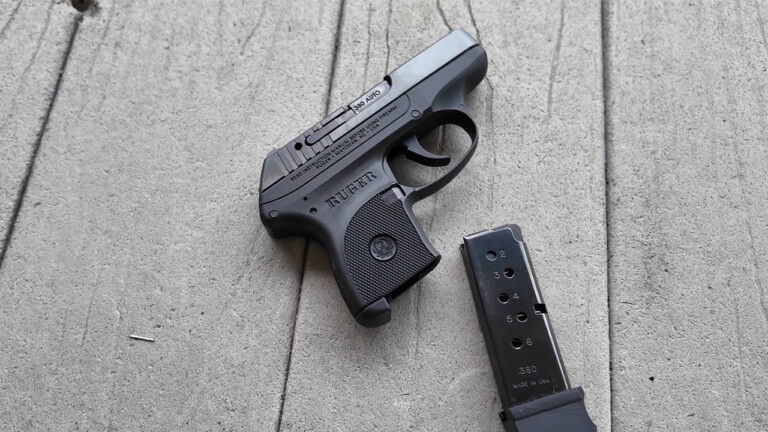
Photo credit: Jordi Mora/Shutterstock.com
Long barrels look great at the range, but in the deer woods, they can turn into a constant battle. Thick brush, low branches, and narrow shooting lanes expose every extra inch of steel. A rifle that feels balanced in the open becomes unwieldy when you’re easing through timber or swinging on a fast-moving buck. The truth is, the woods don’t care how efficient your powder burn is—they reward rifles that handle quickly, shoulder fast, and stay out of the way. If you’ve ever caught your barrel on a branch or struggled to line up a shot in tight cover, you already know that barrel length isn’t always an advantage. Sometimes, it’s the thing holding you back.
Long barrels catch everything that moves
In thick woods, a 24-inch barrel can feel like an antenna for every twig and vine. The longer the rifle, the more likely it is to hang up on brush or scrape against bark when you’re trying to stay quiet. Every snag makes noise, and noise ruins opportunities.
Shorter barrels let you move through cover with control. You can ease around trees, duck under branches, and still bring the rifle to your shoulder quickly. Long barrels might give you a few extra feet per second, but when a buck’s thirty yards away and seconds matter, maneuverability is worth far more than velocity.
Swinging on close deer becomes clumsy
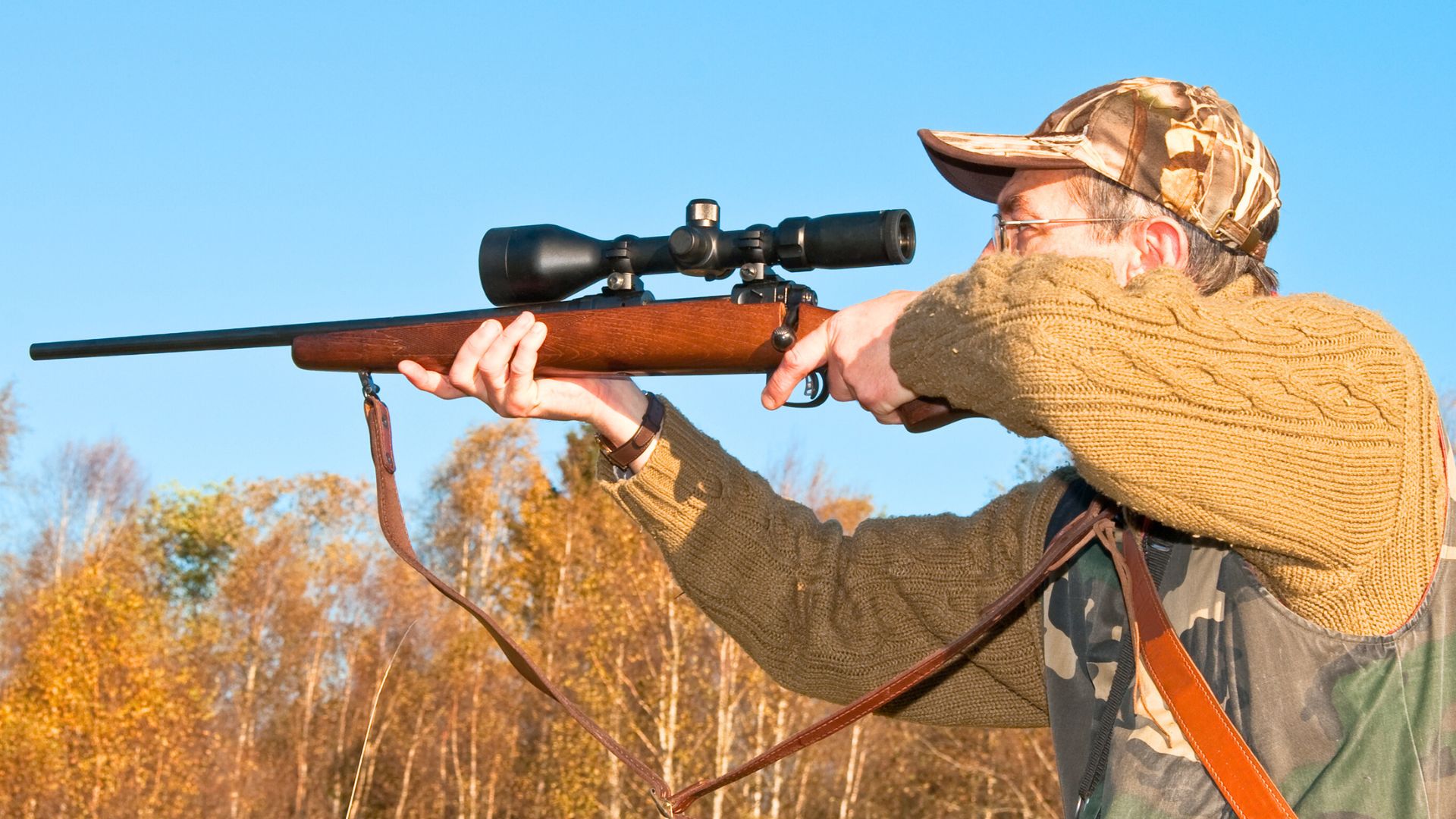
In tight timber, deer rarely stand still. They move fast and appear suddenly, often inside fifty yards. A long-barreled rifle slows your swing and makes it harder to track that movement without overcompensating. The extra length throws off your balance and delays your shot.
Rifles with shorter barrels keep the weight closer to your body, making transitions smoother and faster. Whether you’re sitting in a blind or still-hunting, a quick, compact swing helps you stay on target. You’ll feel more natural taking those short-range shots where speed and control matter most.
You lose balance in awkward shooting positions
Hunting in the woods often means kneeling, leaning, or twisting around cover. A long barrel exaggerates every movement, making the rifle feel front-heavy and awkward when you’re off balance. It’s harder to steady, and even harder to aim precisely when you’re contorted around a tree.
A shorter rifle shifts the balance point back toward your shoulder, which helps steady your hold. You can settle in faster and shoot from tighter positions without fighting the gun. The more balanced the rifle feels, the easier it is to stay composed when your shot window is measured in seconds.
Barrels bang against tree stands and ladders

If you’ve ever tried to maneuver a 26-inch barrel inside a tree stand, you know the problem. It catches on rails, clangs against metal, and can give away your presence faster than movement ever could. The same thing happens in ground blinds with small windows or limited space.
A shorter rifle keeps everything compact and manageable. You can rest it safely on the rail without worrying about it sticking out or hitting something. In confined setups, extra length isn’t just inconvenient—it’s loud and risky. Compact rifles keep your movements controlled and your position quiet.
The woods shorten your shooting lanes anyway
In dense timber, most of your shots happen inside 100 yards, often closer. The extra barrel length that helps at 300 yards doesn’t benefit you when branches and brush limit visibility. Inside the woods, velocity loss from a shorter barrel is negligible compared to the gain in handling.
When your longest clear lane is eighty yards, it’s better to have a rifle that points fast and moves easily. Those fractions of a second you save shouldering and aligning the sights often make the difference. The woods set their own limits—your rifle should fit those, not fight them.
Heavy barrels wear you down faster

A long barrel adds weight, and in thick cover, that weight wears you down. Every time you lift the rifle for a quick look or shuffle through brush, that extra pound in front starts to matter. It slows your reaction time and tires your arms when you’re holding at the ready.
A shorter, lighter rifle feels lively and balanced. It carries easier, shoulders quicker, and stays ready longer without fatigue. When you’re creeping through dense woods where every step counts, a few ounces saved in the right place can make hours of difference.
Quick shots demand short rifles
Close encounters in the woods often happen without warning—a flash of brown, a snap of a twig, and you’ve got seconds to react. Long barrels make that reaction slower, especially when you’re trying to shoulder the rifle in tight quarters.
Short-barreled rifles naturally align faster and stay closer to your body. They clear brush, move through tight gaps, and point instinctively. When a deer bursts through cover at thirty yards, that quick-handling advantage is everything. You’re not trying to muscle the rifle around—you’re simply reacting.
Muzzle blast isn’t the problem people think it is
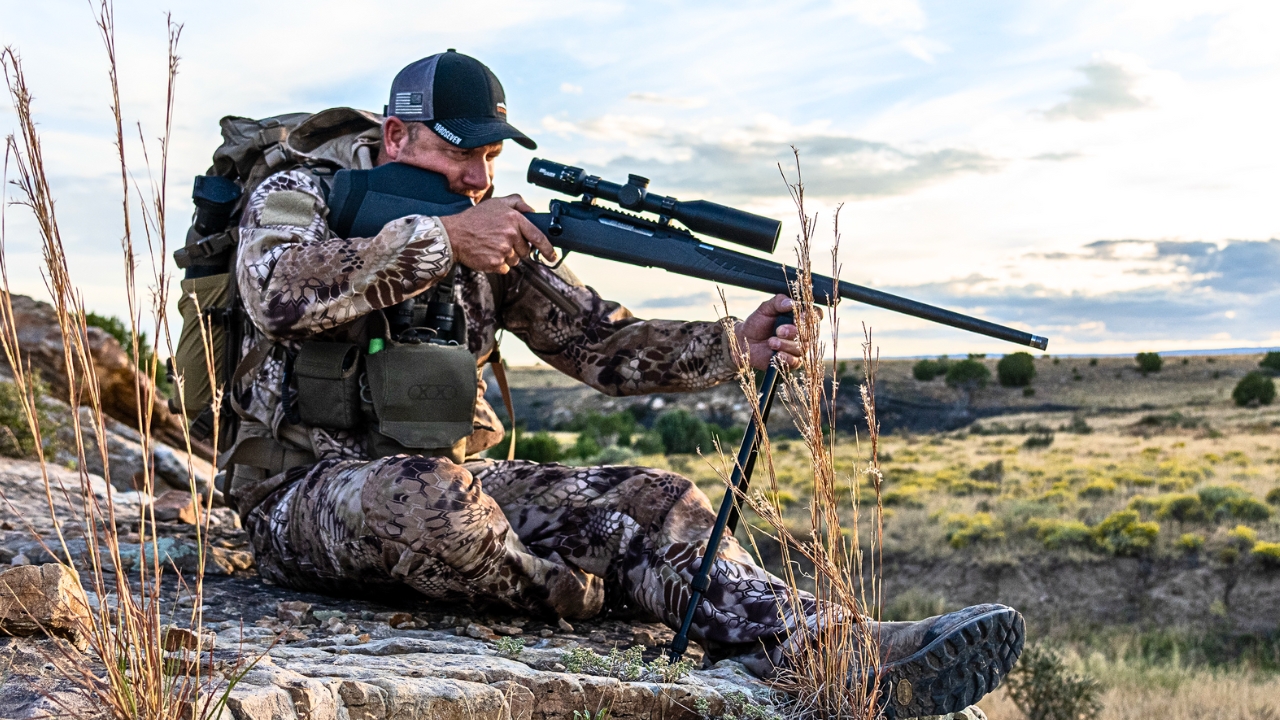
One common argument against shorter barrels is increased muzzle blast, but in real hunting conditions, it’s rarely an issue. You’re not shooting in enclosed spaces or rapid succession—usually it’s one carefully placed shot. Modern powders and suppressor options make short barrels manageable without sacrificing performance.
The trade-off in sound is minimal compared to the gain in control and comfort. When you’re deep in the woods, it’s better to have a rifle that moves where you need it than one that saves a few decibels of noise. A louder shot is better than a missed one.
Lever guns and carbines shine here for a reason
There’s a reason lever guns and short bolt-action carbines have always been popular in thick country—they fit the terrain. Rifles like the Marlin 336 or Ruger American Ranch are quick, balanced, and perfect for threading through brush. Their shorter barrels and compact profiles let you move like a hunter, not a lumberjack with a steel pole.
You don’t need long-range ballistics when your shots are fast and close. Lever guns and carbines keep things practical and efficient, proving that smart design trumps raw length. In the woods, control and speed always win over reach.
Short barrels still deliver clean kills

A shorter barrel doesn’t make your rifle less lethal. Modern ammunition performs so well that velocity loss between a 20-inch and a 24-inch barrel is often less than 100 feet per second. At deer-hunting distances, that difference is meaningless. What matters is where the bullet lands.
Short rifles handle better, point faster, and help you make accurate shots under pressure. When you hit where you’re aiming, the deer won’t know how long your barrel was. In the woods, precision and control beat velocity every single time.
Like The Avid Outdoorsman’s content? Be sure to follow us.
Here’s more from us:
The worst deer rifles money can buy
Sidearms That Belong in the Safe — Not Your Belt
*This article was developed with AI-powered tools and has been carefully reviewed by our editors.