Photo credit: Betty Shelton/Shutterstock.com
Just because you hunt a small piece of land doesn’t mean you can’t pull in a good buck. With the right setup and a few adjustments, smaller properties can produce way more action than most folks think. The trick is to hunt smart, create good habitat, and cut back on pressure. You don’t need hundreds of acres—just a few key improvements and smart hunting habits can make your little spot one of the most productive pieces in your area.
Make a Low-Pressure Sanctuary

The number one thing that keeps mature bucks around is low pressure. Pick one area on your property and don’t step foot in it unless you’re recovering a deer. This gives bucks a spot to bed without being bumped. Even on 20 acres, a little sanctuary can change your season. Keep food nearby, stay out of the core area, and you’ll be surprised how quickly big deer take notice.
Plant a Small Food Plot
You don’t need a big field to attract deer—a half-acre food plot works wonders. Tucked-away kill plots close to bedding areas bring deer out in daylight. Clover, brassicas, or winter wheat are great options. Focus on easy-to-maintain plots and keep them green through the season. Small food plots also keep neighboring deer close by and give you a solid ambush spot during early and late season hunts.
Control Access to Your Stand

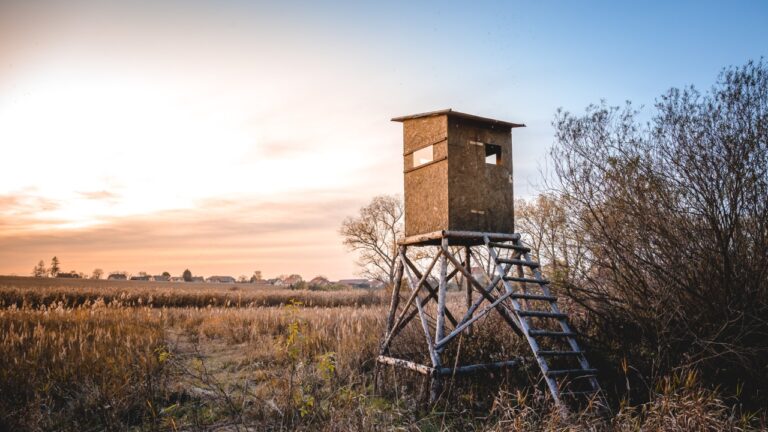
A good stand location means nothing if you spook deer walking in. Spend time figuring out how to get to your stand without being seen or smelled. Use terrain features, creek beds, or planted screening like switchgrass to stay hidden. Quiet access trails are one of the best improvements you can make, especially on small properties where every movement can blow out your spot.
Set Up Natural Funnels

Small properties rarely have perfect funnels, but you can create them. Drop a few trees, stack brush, or plant rows of shrubs to guide deer toward shooting lanes. You’re not forcing movement—you’re just making it easier for deer to follow certain paths. This trick is simple, cheap, and keeps bucks moving through areas where you can actually get a shot.
Run Cameras Smart, Not Often
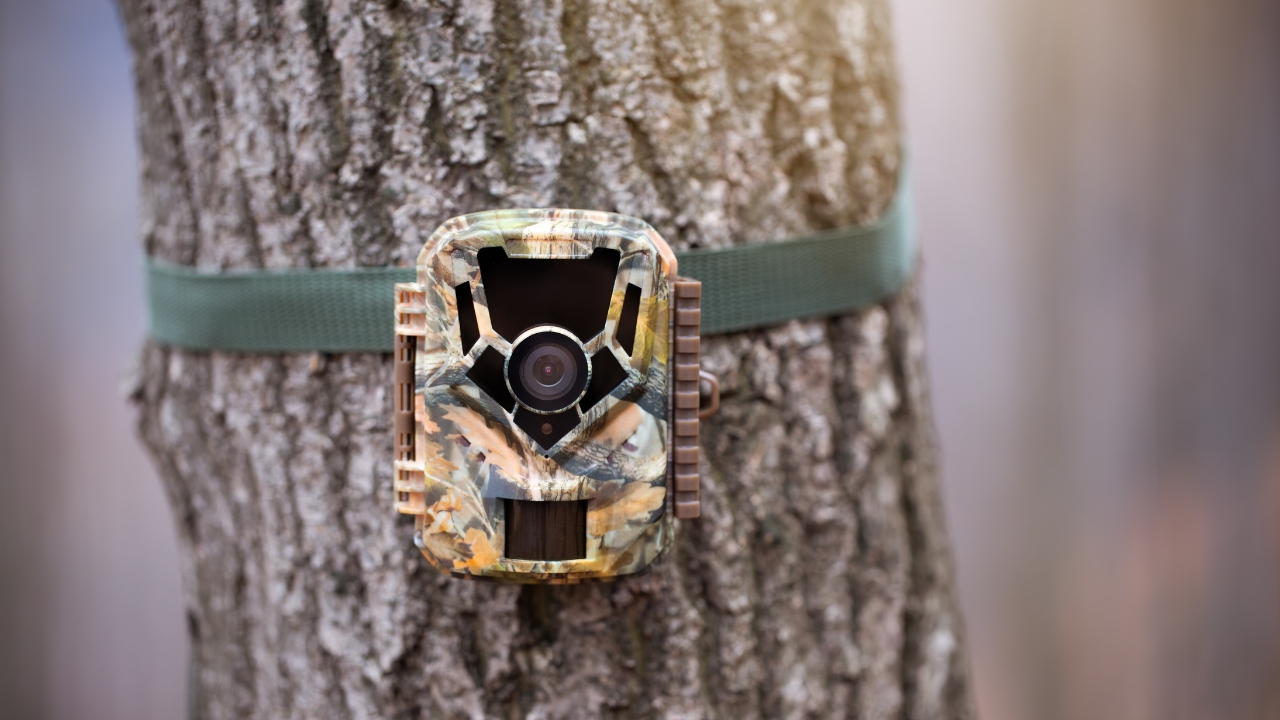
Over-checking trail cameras can educate your bucks fast. Place cameras near edges or along entry routes where you can grab cards without walking through core bedding areas. Better yet, use cell cams to stay completely out of the woods. Fewer trips in means less scent and pressure, and that’s how you get more daytime buck activity on smaller tracts.
Leave the Chainsaw Running
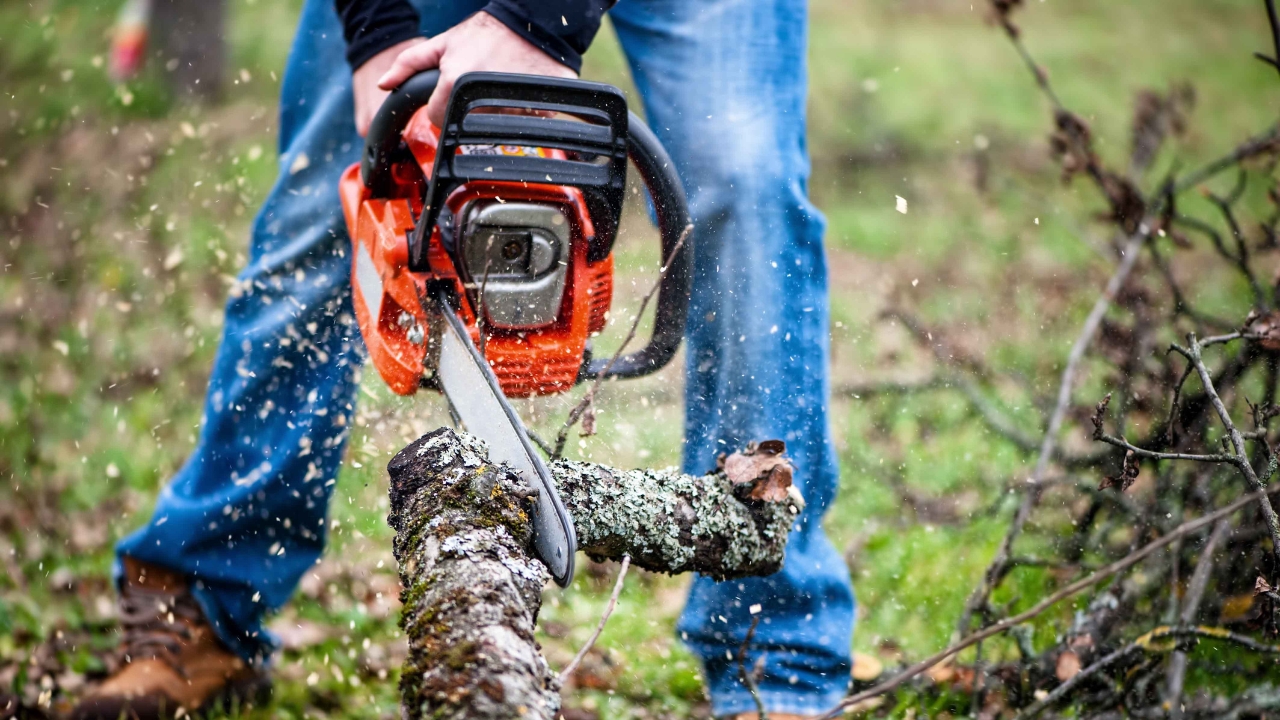
Thick cover holds deer, especially on smaller farms. Spend time creating bedding thickets with a chainsaw. Hinge cutting or selective cutting creates dense, nasty spots bucks can bed in without seeing pressure. The thicker your ground, the more deer you’ll hold, especially if your neighbors have cleaner, more open woods. Big bucks love safe, messy cover where they feel hidden all day.
Keep an Eye on the Neighbors

Small properties are heavily affected by what happens next door. Take time to learn your neighbors’ hunting patterns and pressure points. If they over-hunt food sources, focus on bedding. If they pressure the edges, stay deeper on your ground. Pay attention to when neighboring pressure peaks—it’s usually your best chance to see a buck slip onto your property during daylight.
Limit Sits and Pick the Right Days

Over-hunting is a quick way to burn out small properties. Save your best stand locations for high-odds days like cold fronts, rut activity, or late-season feeding patterns. Stay disciplined about wind direction and conditions. Less time in the woods on your small property often means more daylight action when you finally do hunt, especially when you stay out until conditions line up in your favor.
*This article was developed with AI-powered tools and has been carefully reviewed by our editors.