Photo credit: Evgeniy Smersh/Unsplash.com
If you’ve been applying out West (and even in a few whitetail states back East), you already know the feeling: more hunters are chasing the same “good” tags, and the math isn’t getting better. Point creep is real, random draws don’t care how long you’ve waited, and once a state gets a reputation for trophy potential or a strong public-land experience, demand keeps climbing while tag numbers stay tight.
This list isn’t about doom and gloom. It’s about where you should expect heavy competition—whether that’s elk, mule deer, antelope, sheep, goat, or limited-entry whitetail. If you apply here, plan for the long game, have backup hunts, and don’t tie your whole season to one miracle draw.
Arizona

Arizona is the poster child for “everybody wants in.” Big-bull reputation plus limited tags equals brutal competition in the units people daydream about. Arizona also uses a bonus point system where a portion of tags go to the highest-point holders and the rest go into a random draw, which keeps hope alive… and keeps applicants coming back every year. The problem is simple: the best hunts don’t produce enough tags to match the demand they generate. That pushes guys into the long wait, or into less-famous hunts where the odds are better but the expectations need to be realistic. If you’re applying Arizona for elk, treat it like a multi-year plan and pick a “go hunt” state somewhere else so you’re not sitting at home every fall.
Nevada

Nevada is where tag demand gets nasty because the state doesn’t hand out many tags, but it has a reputation for quality, especially on the premium hunts. That’s the perfect recipe for big demand and limited opportunity. Nevada’s draw system also keeps people engaged year after year because you feel like you’re “building” toward something—even though the best hunts still take patience and luck. If you’re a nonresident, it can feel even tighter because you’re competing with a crowd that’s been playing the game for a long time. Nevada is a state where you apply because you want a swing at a top-tier hunt, not because you need a tag this year to fill your freezer. Plan accordingly and keep a realistic backup.
Utah
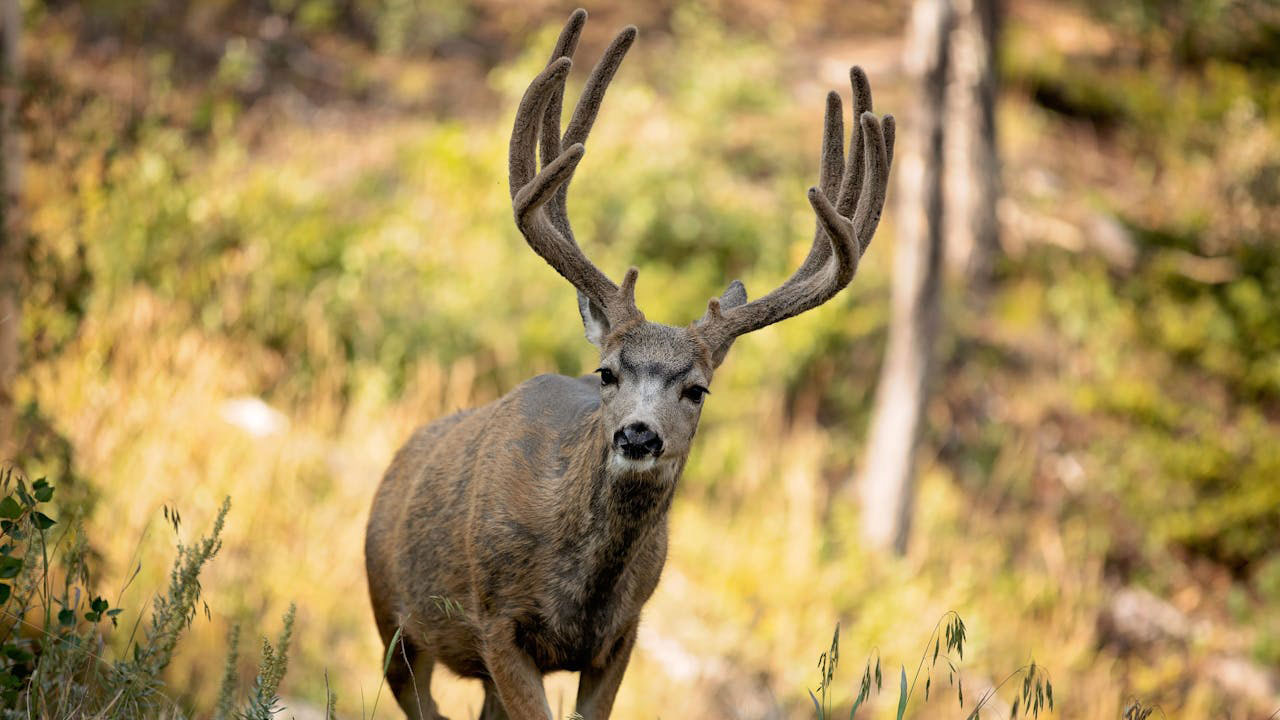
Utah is another state where the demand is driven by reputation. Trophy elk and mule deer talk brings in applicants like a magnet, and those limited-entry tags don’t expand just because the internet got excited. The state also has a serious application culture—people plan, people point-build, and people apply hard. That means “casual applicants” often get discouraged quickly. Utah is the kind of state where you pick a lane: chase limited-entry and accept a long road, or focus on general-season opportunities where available and keep your expectations grounded. The biggest mistake I see is a guy treating Utah like a short-term plan. It’s rarely short-term if you’re chasing the hunts everyone posts about.
Colorado

Colorado is a weird one because it has huge opportunity and huge demand. It’s got the biggest elk herd, and for years it was the classic “just go hunt” state for a lot of nonresidents. But as demand has grown, Colorado has tightened certain opportunities with caps and unit limits, which changes how easy it is to just roll in and grab a tag. Colorado is still a strong option, but it’s also one of the states where tag demand shows up in pressure, crowded trailheads, and “everyone and their cousin is here this week.” In other words, opportunity exists, but the best slices of it get consumed fast. If you want a quieter experience, you may be fighting the same demand problem—just in a different way.
Wyoming
Wyoming has always been a high-demand state because it offers a classic western hunt experience and solid game management. The problem is that limited tags for certain species and areas don’t match the number of applicants who want the “good” hunts. Add in the reality that nonresident quotas tighten the funnel even more, and you get a lot of hunters sitting in line. Wyoming is also a state where people get emotionally invested in specific regions. That’s where demand stacks up and opportunity feels like it’s shrinking, even if the state still offers plenty of hunting overall. Wyoming can absolutely be part of a smart plan, but you’ve got to be honest about which tags are realistic and which ones are basically long-term lottery tickets.
Montana
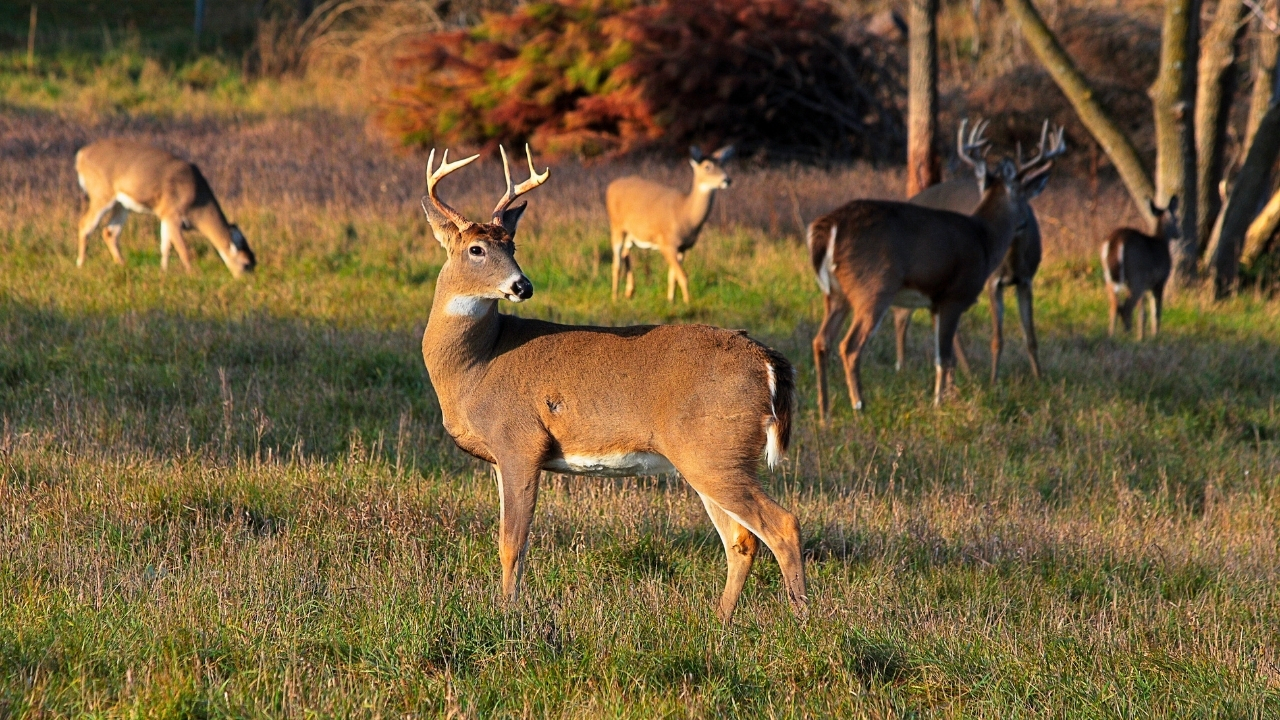
Montana is a magnet because it offers a real, boots-on-the-ground DIY culture—especially for elk and deer. It also has big country, lots of public land, and a reputation for producing great experiences (and occasionally great animals). That draws applicants and hunters hard. The result is that certain limited-entry permits and popular areas get hammered with demand, and the competition shows up in both the draw and the field. Montana is also a state where people pivot: when one option gets harder, everyone shifts to the next “best” option, and then that gets crowded too. It’s not that Montana is a bad bet—it’s just not a secret anymore. If you want tags and space, you may need to get less picky about units or species.
Idaho
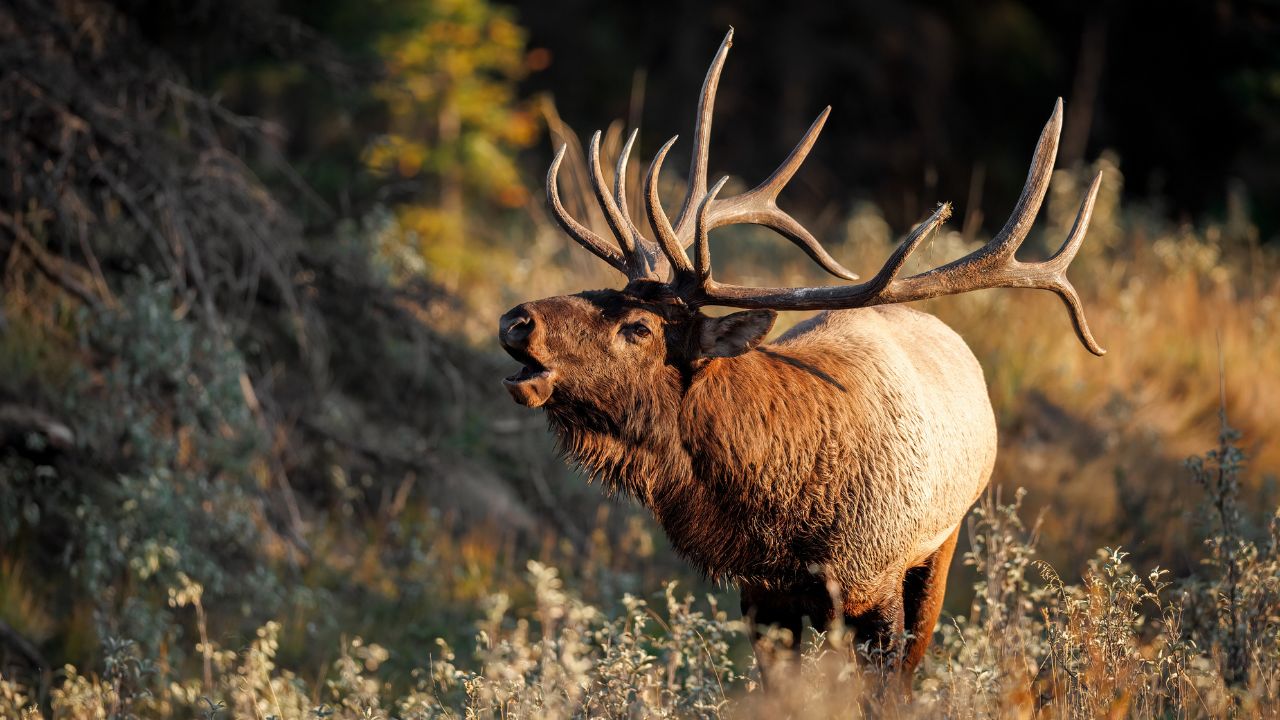
Idaho stays in the demand conversation because it offers strong elk opportunity and real public-land hunting, but it also has controlled hunts and limited quota structures that create pressure in certain areas. Idaho’s draw and tag structure forces people to think strategically—some hunts are more accessible, others are not, and the best opportunities become known quickly. Idaho also pulls hunters who are tired of point systems and want a shot in a more random-feeling setup. That can increase demand fast when a state becomes the “escape hatch” from point creep. If you’re applying Idaho, just understand this: the best hunts won’t stay “easy,” because hunters chase value and availability like water downhill.
New Mexico
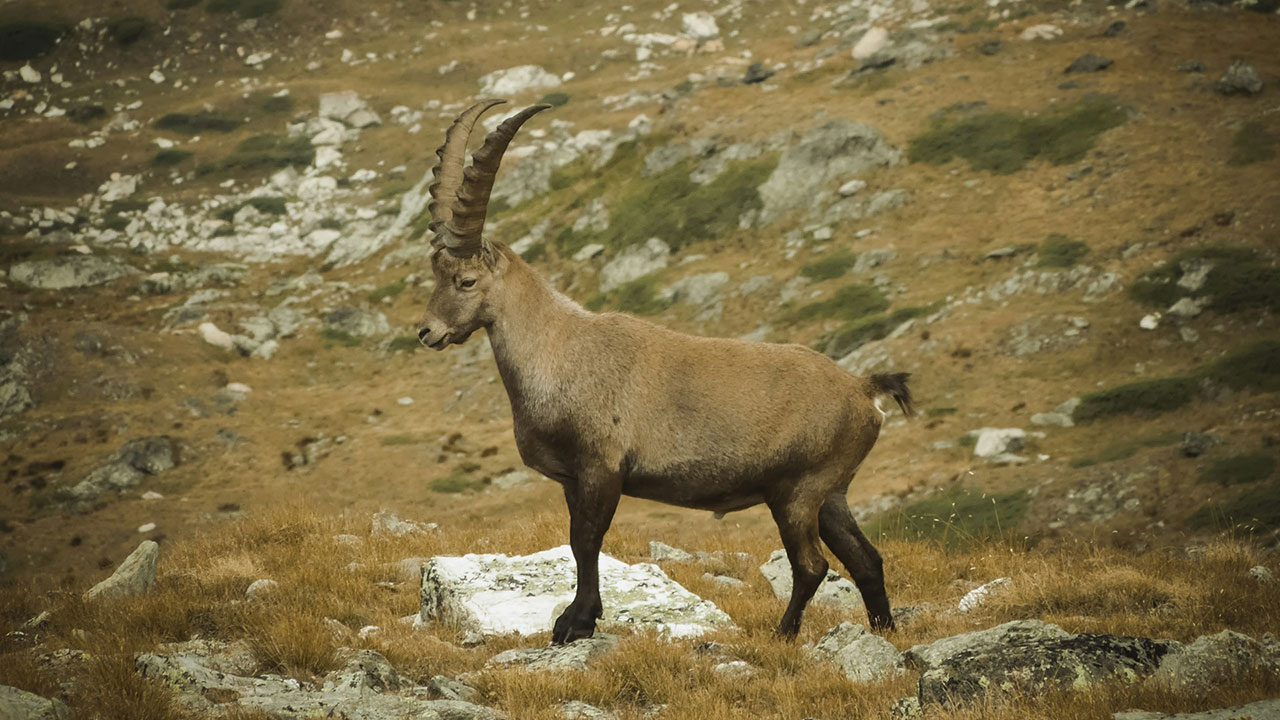
New Mexico is a demand machine because it’s a true random draw—no point system—so every applicant feels like they’ve got a real shot. That’s great for new applicants, but it also keeps the applicant pool deep every single year. The tag numbers don’t change just because hope is high, so demand stacks up hard for elk and other big-game species. New Mexico also attracts nonresidents because it doesn’t punish you for being “new” the way point systems do. That’s the double-edged sword. If you apply New Mexico, do it with the mindset that you might draw next year… or you might apply for ten years. It’s a pure numbers game and it stays competitive because the door never “closes” on new applicants.
Oregon

Oregon doesn’t always get the same hype as Arizona or Utah, but demand is climbing because guys want something different—especially for Roosevelt elk in certain zones. Oregon is also a state where access and unit quality can vary a lot, so the better opportunities get targeted heavily. When a state has a few standout options, those options take the full weight of demand. Oregon’s demand problem often shows up as localized pressure: certain hunts get crowded and the draw becomes tougher while other areas stay relatively overlooked. The smart move in Oregon is doing homework and being willing to hunt a less-famous unit if you actually want to hunt more often instead of just applying for the same “top” hunt everyone talks about.
Washington

Washington is another state where the best opportunities aren’t unlimited, but the interest keeps rising—especially for elk in areas people consider “worth it.” Washington also has the mix of public land, thick cover, and tough hunting that appeals to serious hunters, and that seriousness tends to increase demand on the better tags. Add in a strong local hunting population and growing out-of-state interest in certain experiences, and you’ve got a state where opportunity gets squeezed in specific places. Washington is the kind of state where you can still hunt and do well, but the “dream tag” side of the house is not getting easier. You’ve got to be realistic about timelines and expectations.
California

California’s demand story is unique because the hunting culture is smaller than some western states, but premium opportunities still draw heavy interest. When wolves, predators, drought, and habitat pressures hit different regions, the same “better” zones get even more attention. California is also a state where access can be complicated and where hunting pressure concentrates fast on public-land pockets. That makes certain tags feel even more competitive because the opportunity isn’t just about tags—it’s about where you can realistically hunt. If you’re applying in California, you’re often dealing with demand pressure plus access pressure, and those two together make the “opportunity” feel tighter than the raw tag numbers suggest.
Alaska
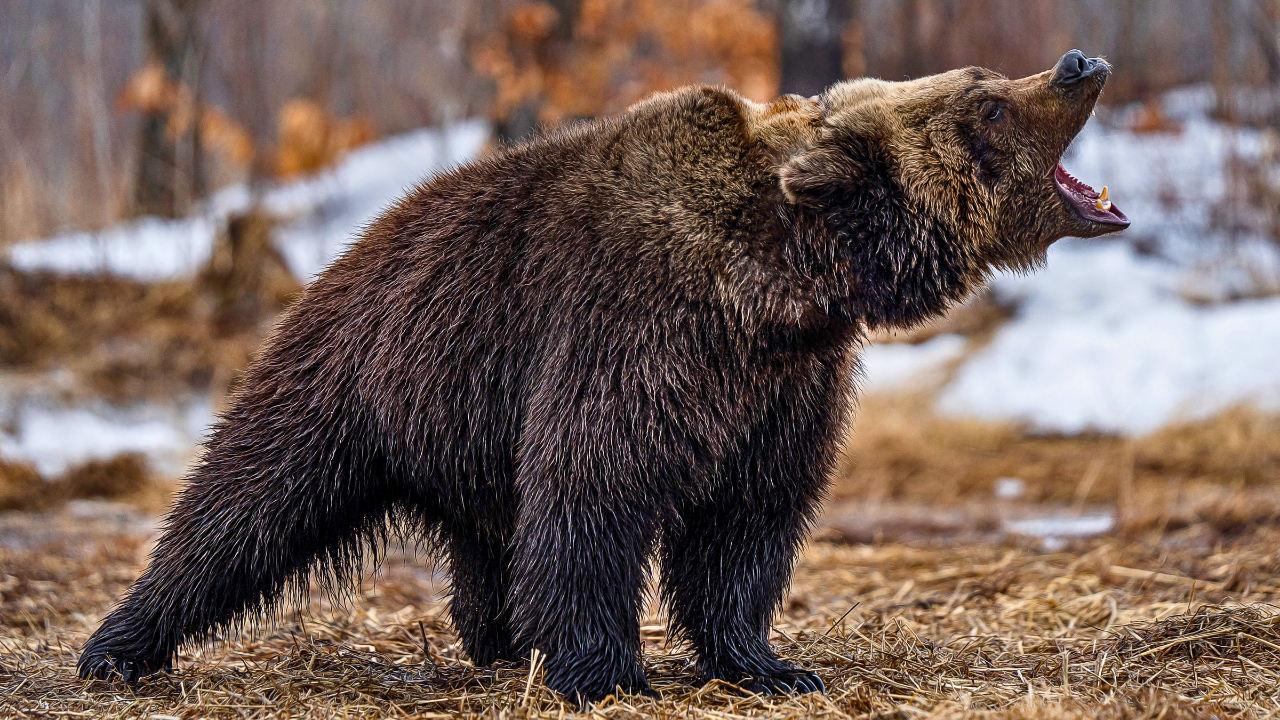
Alaska is a demand pressure cooker for certain species because the opportunity is incredible… and the reality is hard. For nonresidents especially, the best hunts for certain animals are limited and expensive, and access often requires serious logistics. That doesn’t stop demand—it just filters it. You end up with a smaller pool of very serious applicants chasing a small number of very desirable opportunities. Alaska is also a state where regulations and conditions can change the practical availability of a hunt quickly, and that causes demand to pile into whatever looks “doable” this season. If you’re thinking Alaska, don’t treat it like a casual application. Treat it like a project.
Maine

Maine gets overlooked by western guys, but tag demand outpacing opportunity shows up hard in certain categories—especially moose. The state has passionate local demand, limited permits, and a lot of people applying year after year hoping their number finally comes up. That’s the definition of demand outpacing opportunity: lots of applicants, not enough tags, and a multi-year waiting mentality. Maine is also a place where the hunting experience is real, not manufactured, and that keeps people invested. If you’re applying for something like moose in Maine, it’s usually not a “next year” plan. It’s a keep-applying-until-it-happens plan.
Iowa
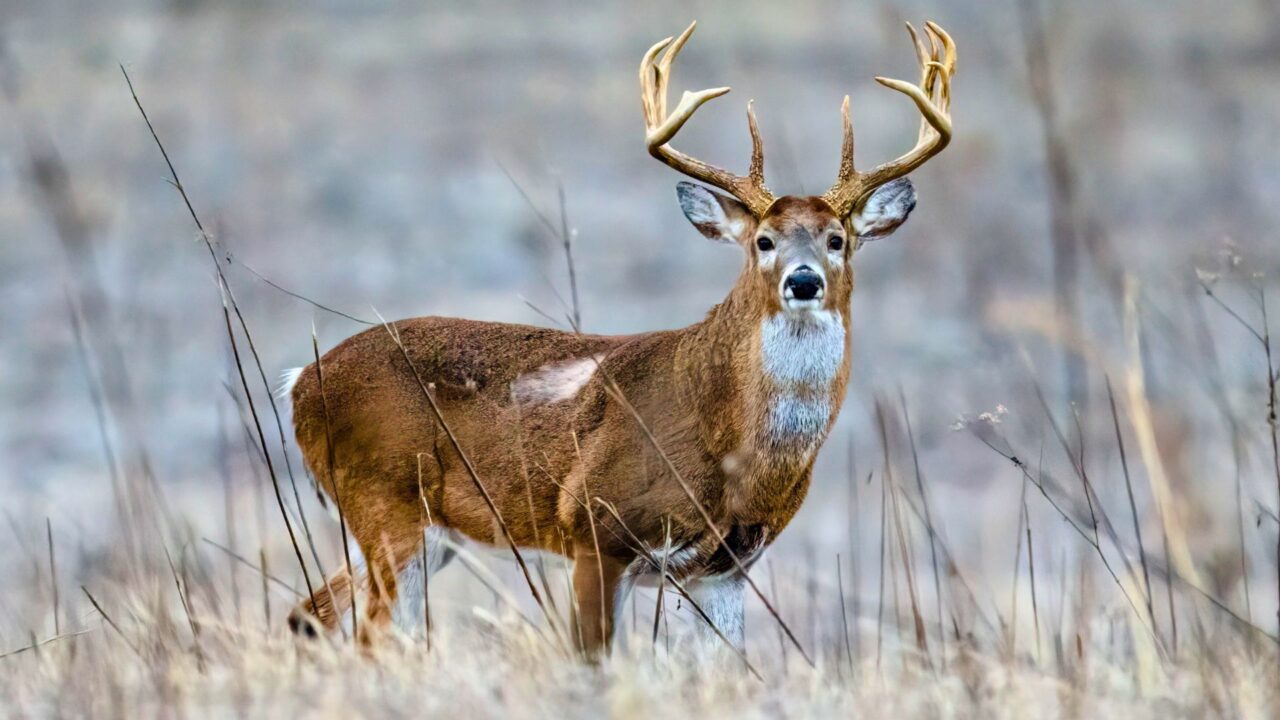
Iowa whitetails create demand like few states can, and Iowa nonresident buck tags are famously hard to get because tags are allocated through a preference/lottery-style system that often requires multiple years for nonresidents. That’s a straight-up demand problem: too many hunters want the same limited slice of opportunity because Iowa’s reputation is strong and earned. Guys will wait because they believe the payoff is worth it. If you’re applying Iowa, understand that “tag demand outpacing opportunity” is basically built into the system. You’re not doing it for convenience—you’re doing it because you want Iowa specifically, and you’re willing to wait.
Kansas
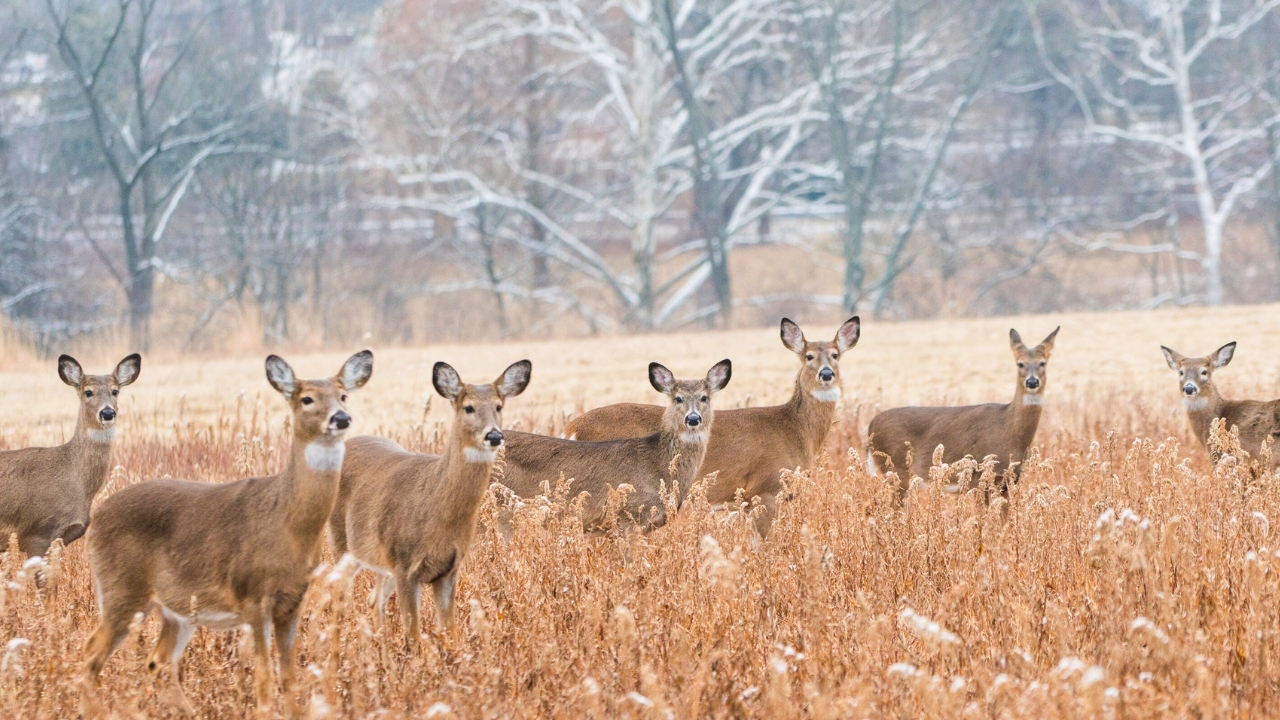
Kansas has a similar “high interest, limited tags” feel in the whitetail world, especially in zones that have built a trophy reputation. Kansas doesn’t have to be a massive state to create big demand—because when a place is known for mature bucks, the applicant pool swells. Demand also grows because Kansas is relatively accessible for traveling hunters compared to farther western hunts. The result is that the better opportunities become harder to get, and when people do draw, they treat it like a big deal. Kansas can still be a great hunt, but it’s not an “easy tag, easy buck” state for nonresidents in the areas everyone wants.
Like The Avid Outdoorsman’s content? Subscribe to our newsletter so you never miss an article.
Here’s more from us: