Photo credit: LaineN/Shutterstock.com
A hunter said he picked up a new private permission piece in the middle of the season, and while he was still trying to learn the land, he stumbled into a problem he had not expected.
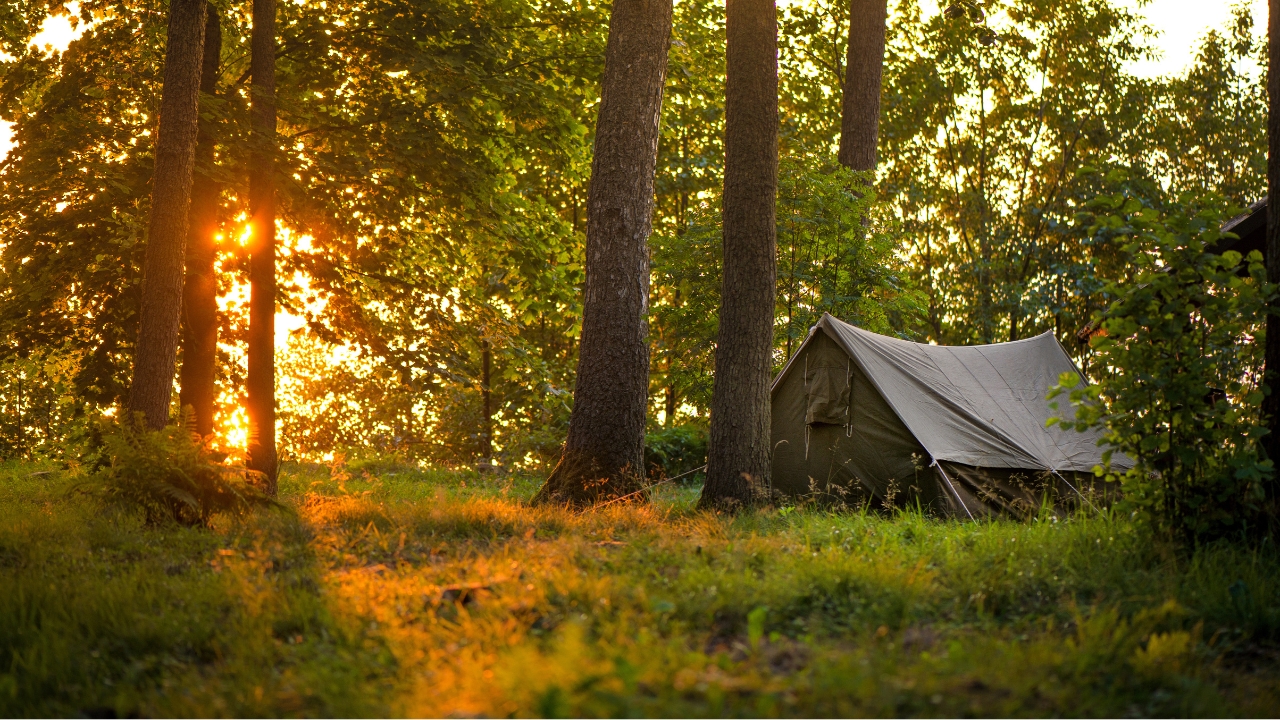
There was a tent shelter on the property, and someone appeared to be living there.
In his Reddit post, he explained that he had been scouting and hunting the new piece, trying to figure out deer movement and learn the ground as he went. Midseason access is already a little tricky because you are behind from the start. You do not have months of summer scouting, trail-camera history, or a full understanding of how people and animals move across the property. You are learning on the fly.
Then he came across the camp.
The land was private, but it was not posted. He said the landowner had briefly touched on that subject when she gave him permission, and she may not have wanted the property posted. That left him in an awkward spot because the person in the tent was not on his land. He only had permission to hunt there.
His first instinct was to wait until the season was over and call the landowner. He wanted to ask two things: whether she would let him take the initiative to have the person removed, and whether she would let him post the property. He understood the basic process would likely involve local police and then cleaning up or tearing down the camp so it did not turn into a repeat problem.
But he also knew this was not something he could just handle like he owned the place.
That was the hard part. He had permission to hunt, not permission to manage the property. A hunter with permission is still a guest, even if he is careful, helpful, and respectful. If he oversteps, he could lose the spot faster than the person in the tent loses theirs.
He later added an edit to clarify where his head was. He said he respected the landowner’s rules and did not want to break her trust. He understood it was her land, not his. He also clarified that the property was in New York and said that, in his understanding, it was still trespassing even if the property was not posted.
He also tried to make clear that he was not looking to make somebody’s life worse for the sake of it. He said he wanted what was best for the individual living there. If the person needed help, he wanted them to get it. If the landowner decided she did not want anything done, he said he would simply avoid that area and focus on other parts of the property.
That is where the whole situation sat: a hunter trying to protect his access, a private landowner who may not want the property posted, and a person living in a tent somewhere on the same ground where hunting was taking place.
There were safety concerns too. A person living in the woods may not know when hunters are present. A hunter may not know when that person is moving around. Even careful shots can become a bigger worry when there is an unknown camp in the area. Fire was another issue commenters brought up. A camp on private land can mean cooking fires, warming fires, trash, sanitation problems, and more people finding out the property is not being watched closely.
At the same time, there was the human side of it. The person in the tent was not described as threatening him, stealing from him, or wrecking his stand. The hunter had found a shelter and was trying to decide what to do next without creating drama for the landowner or putting himself in the middle of something bigger.
That is a tough spot for any hunter using permission ground. You want to be helpful. You want to protect the land. You want to keep trespassers from turning the place into a mess. But the second you start acting like the owner, you may become the headache the landowner never asked for.
The hunter seemed to understand that by the end of the thread. He was not going to march in, tear down the tent, and announce new rules. He was going to talk to the landowner first, respect whatever she decided, and avoid the area if that was the answer.
For a permission hunter, that may be the only clean move. The land is not yours. The access can vanish with one bad conversation. And when the issue involves a person living in a tent, local law, property rights, safety, and compassion all get tangled together fast.
What Commenters Said
Commenters were all over the map, but the most consistent advice was to talk to the landowner immediately. Several people said the landowner needed to know someone was camping on her property before the hunter did anything else.
Some told him to get written permission if the landowner wanted him to act on her behalf. One commenter said she should sign something allowing him to serve as an intermediary before he tried to have anyone removed. Without that, he might not have any real authority beyond hunting access.
Others warned him not to make himself the center of the drama. One commenter said a buddy had lost a lease because the landowner got tired of being dragged into trespass calls, even though the buddy was technically right. The point was blunt: landowners do not usually give hunting permission because they want extra work and conflict.
Some commenters were more sympathetic to the person in the tent and told him to leave them alone if they were not hurting anything. A few suggested he talk to the person, ask what wildlife they had seen, or offer food instead of treating them like a problem right away.
Others took the opposite view and said nobody has the right to live on someone else’s private property without permission. They brought up trash, fire risk, safety, and the possibility of more people showing up if the camp was ignored.
The practical middle ground was to avoid the area for now, notify the landowner, let her decide what she wants done, and involve law enforcement only if she approves or if there is an immediate safety issue.